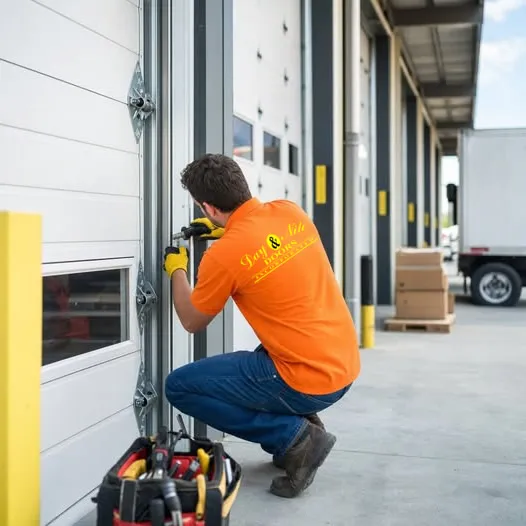
Garage Door Maintenance and Lubrication
Regular garage door maintenance and lubrication can help your door operate smoothly, reduce unnecessary wear, and identify small problems before they become expensive repairs. But proper maintenance involves much more than spraying lubricant on every moving part.
A good maintenance routine starts with visual inspection, safe operating tests, cleaning, and manufacturer-recommended lubrication. Always follow the owner’s manuals for your specific garage door and opener because lubrication points, products, adjustments, and safety-testing procedures can vary by manufacturer and model.
Why Choose Day & Nite Doors for Residential Maintenance?
When you choose Day & Nite Doors, you’re partnering with one of Southern California’s most trusted garage door service providers. Our reputation is built on:
- Experienced and highly trained technicians
- High-quality replacement parts and components
- Honest recommendations and transparent pricing
- Fast, dependable service throughout Southern California
- Decades of industry experience
- A commitment to customer satisfaction
- Compliance with all ICC codes and standards
Regular maintenance doesn’t just improve reliability—it also enhances safety, security, and the overall performance of your garage door system.
Why Regular Garage Door Maintenance Matters
Your garage door is a large moving system made up of springs, cables, rollers, hinges, tracks, bearings, an opener, safety sensors, and other hardware. These components work together every time the door opens or closes.
Regular inspection can help you spot signs of wear such as:
- Frayed or loose cables
- Broken or separated springs
- Worn garage door rollers
- Loose or damaged hardware
- Bent or damaged tracks
- Cracked or damaged door sections
- Worn weather seals
- Unusual noises during operation
- Uneven or jerky door movement
Finding a problem early can help prevent additional damage and unexpected garage door failure.
Monthly Garage Door Inspection: Look and Listen
Start your monthly garage door maintenance with the door closed. From a safe position inside the garage, visually inspect the complete system.
Look for anything that appears loose, damaged, bent, separated, or out of place.
Pay particular attention to the:
- Springs
- Lift cables
- Rollers
- Hinges
- Tracks and mounting points
- Door sections
- Bottom and perimeter weather seals
- Garage door opener rail and mounting
- Safety sensors
Next, operate the garage door normally with the opener.
Listen for sounds that are new or unusual, including grinding, scraping, popping, squeaking, or excessive strain.
Watch the door as it travels. It should move smoothly without excessive shaking, hesitation, crooked movement, or unexpected reversal.
If you notice a damaged spring, frayed cable, loose bottom bracket, significantly damaged track, or structural problem, stop operating the garage door and contact a trained garage door technician.
Do not attempt to tighten, loosen, remove, or adjust components connected to the garage door’s high-tension spring and counterbalance system.
Test Your Garage Door and Opener
Garage door maintenance should include regular safety and operating tests—not just lubrication.
DASMA recommends monthly inspection and testing of garage doors and automatic openers.
Testing may include checking:
- Garage door operation
- Door balance
- Automatic reversal
- Photoelectric safety sensors
- Opener controls
Always follow the testing procedures provided by the manufacturers of your garage door and opener.
If the door doesn’t move freely, doesn’t remain properly balanced, or fails an opener safety test, stop using the system and arrange for professional service.
Keep Garage Door Safety Sensors Clean
The photo-eye sensors located near the bottom of the garage door opening are an important part of the opener’s safety system.
Keep the lenses clean and make sure boxes, tools, bicycles, trash cans, or other stored items aren’t blocking the beam.
If a sensor has been bumped or moved out of position, the garage door may refuse to close or may reverse.
Never bypass or disable the safety sensors simply to make the garage door close.
Wall controls and garage door remotes should also be kept away from young children. The wall-mounted control should be positioned so the person operating it can see the moving garage door.
How to Lubricate a Garage Door Properly
Garage door lubrication can reduce friction and noise, but more lubricant isn’t necessarily better.
Use only the lubricant recommended by your garage door or component manufacturer and apply it only to approved lubrication points.
Depending on your particular garage door system, manufacturer instructions may recommend limited lubrication of components such as:
- Certain roller bearings
- Hinges
- Bearings
- Springs
- Other designated moving or pivot points
Avoid coating everything with lubricant.
Garage door tracks, for example, generally need to remain clean and free of debris rather than coated with grease unless the manufacturer specifically instructs otherwise.
Too much lubricant can attract dirt and create a mess without improving door operation.
What Garage Door Lubricant Cannot Fix
Lubrication is preventive maintenance—not a repair for damaged components.
Adding lubricant will not fix:
- A broken garage door spring
- Frayed or displaced cables
- Bent tracks
- A garage door that is off track
- Damaged rollers
- A badly unbalanced door
- Loose structural mounting
- Damaged door sections
- A failing garage door opener
If the door is making a new noise, don’t automatically assume lubrication is the solution. The noise may be an early warning that something needs inspection or repair.
Check Your Garage Door Weather Seals
Weather seals are easy to overlook during routine garage door maintenance.
Inspect the bottom seal as well as the weather stripping around the sides and top of the door.
Look for:
- Cracks
- Tears
- Missing sections
- Hard or brittle material
- Gaps between the door and opening
Damaged weather seals can allow water, dirt, insects, and outside air into the garage.
Keep the Garage Door Area Clean
A few simple housekeeping steps can also improve reliable operation.
Regularly:
- Remove leaves and debris from the threshold.
- Keep the track area clear.
- Keep objects away from the door’s travel path.
- Make sure nothing blocks the photo-eye sensors.
- Check that exterior controls and remotes operate properly.
- Use opener light bulbs approved for your model.
- Test battery backup according to the opener manufacturer’s instructions.
Never store objects where they can interfere with the garage door, tracks, sensors, or opener.
Keep a Simple Garage Door Maintenance Record
Keeping a short maintenance record can make it easier to recognize changes in your garage door’s operation.
Record:
- Inspection date
- Safety-test results
- New or unusual noises
- Lubrication performed
- Parts replaced
- Professional service performed
It’s also helpful to record the garage door and opener manufacturer and model numbers.
If a problem develops later, you’ll have the information needed to locate the correct owner’s manual and explain what’s changed to your garage door technician.
When to Call a Garage Door Professional
Routine homeowner maintenance is useful, but some garage door components should be left to trained technicians.
Arrange professional garage door service if you notice:
- Broken or separated springs
- Frayed or displaced cables
- A garage door sitting crooked
- Rollers coming out of the track
- Bent or damaged tracks
- A door that feels unusually heavy
- A door that won’t balance properly
- Unexpected reversal
- Grinding, popping, or other significant new noises
- Failed opener safety tests
- Loose or damaged structural hardware
Avoid attempting DIY adjustments to garage door springs, cables, bottom brackets, drums, or other high-tension components.
Garage Door Maintenance Checklist
For a simple maintenance routine, remember these steps:
- Inspect the garage door, springs, cables, rollers, tracks, and hardware.
- Listen for new or unusual operating noises.
- Watch for uneven, jerky, or crooked movement.
- Test the door and opener according to the manufacturer’s instructions.
- Clean the photo-eye sensors and keep their path clear.
- Inspect the bottom and perimeter weather seals.
- Lubricate only the components and points specified by the manufacturer.
- Record maintenance, test results, and service work.
- Stop operation if you discover significant damage or unsafe operation.
- Call a trained garage door technician when professional adjustment or repair is needed.
Frequently Asked Questions About Garage Door Maintenance
How often should I perform garage door maintenance?
A visual inspection and appropriate safety testing should generally be performed monthly. Follow your garage door and opener manufacturers’ instructions for lubrication and other maintenance intervals.
How often should I lubricate my garage door?
There isn’t one lubrication schedule that applies to every garage door. Follow the recommendations for your specific door, opener, rollers, springs, and other components.
What is the best lubricant for a garage door?
Use the type of lubricant recommended by the garage door or component manufacturer. Avoid assuming that one spray or grease is appropriate for every component.
Should I lubricate garage door tracks?
Generally, tracks should be kept clean rather than heavily lubricated unless your garage door manufacturer specifically directs otherwise. Lubricating the track can attract dirt and debris.
Will lubrication make a noisy garage door quieter?
It can reduce noise caused by friction at approved lubrication points, but unusual noises can also indicate worn rollers, loose hardware, damaged tracks, spring problems, or other mechanical issues. New or significant noises should be investigated rather than simply covered up with lubricant.
Can I adjust garage door springs during maintenance?
No. Garage door springs and related counterbalance components are under significant tension. Adjustment and replacement should be performed by trained garage door professionals.
Should I test my garage door opener every month?
Regular inspection and testing are recommended. Follow the manufacturer’s instructions for testing the automatic reversal system, photo-eye sensors, and other safety functions on your particular opener.
Professional Garage Door Maintenance in Orange County
Routine maintenance can help keep your garage door operating properly, but professional service is important when you discover worn, damaged, or unsafe components.
Day & Nite Doors provides professional garage door maintenance, inspection, repair, and replacement services throughout Orange County.
Our services include:
- Garage door maintenance and lubrication
- Garage door safety inspections
- Garage door spring repair and replacement
- Cable and roller repair
- Garage door opener repair
- Garage door opener replacement
- Off-track garage door repair
- New garage door installation