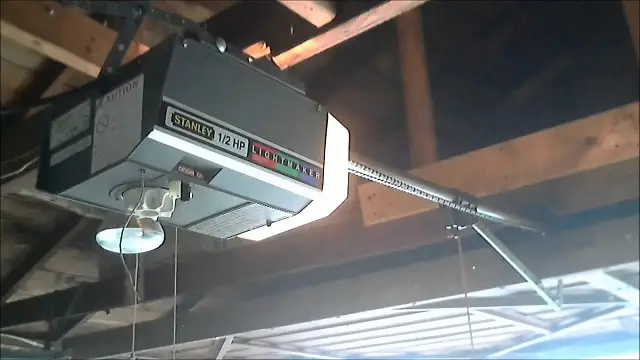
Garage Door Opener Repair or Replacement: How to Make the Right Choice
Learn how to tell whether your garage door opener needs a simple repair or a complete replacement, and why checking the entire garage door system first can save you time and money.
When your garage door opener suddenly stops working, it’s easy to assume the motor has failed. However, many garage door problems that appear to be opener failures are actually caused by issues elsewhere in the system.
Before investing in a new opener, it’s important to determine whether the opener is truly the source of the problem. A professional inspection can often identify a much simpler—and less expensive—solution.
Is Your Garage Door Opener Really the Problem?
A garage door opener relies on a properly balanced and functioning garage door. If another component fails, the opener may struggle or stop operating altogether.
Several issues can mimic a bad garage door opener, including:
- Broken garage door springs
- Loose or damaged lift cables
- Bent or obstructed tracks
- Garage door off track
- Misaligned safety sensors (photo eyes)
- Power outages or tripped electrical outlets
- Faulty wall controls
- Dead remote batteries
- An unbalanced garage door
These problems can prevent the opener from working normally, even though the motor itself is functioning correctly.
Inspect the Garage Door Before the Opener
If you notice visible damage to the springs, cables, tracks, or garage door panels, stop using the opener immediately.
Continuing to press the wall button or remote can place unnecessary strain on the opener and may cause additional damage to the garage door system.
A trained garage door technician can safely inspect the door, disconnect the opener when appropriate, and determine whether the door moves freely and balances correctly.
The Door & Access Systems Manufacturers Association (DASMA) recommends having a qualified technician inspect any garage door that shows visible damage or is operating improperly.
When Garage Door Opener Repair Is the Best Option
In many cases, repairing the opener is the most economical solution.
Garage door opener repair generally makes sense when:
- The opener is otherwise in good condition.
- Replacement parts are still available.
- Safety sensors and controls remain compatible.
- The repair cost is reasonable compared to replacement.
- The opener can be fully tested and safely returned to service.
Common garage door opener repairs include:
- Logic board replacement
- Gear replacement
- Trolley repair
- Safety sensor replacement
- Wiring repairs
- Wall control replacement
- Remote programming
- Belt or chain adjustments
A reputable technician should identify the exact failed component and explain why it needs repair. A general “tune-up” without diagnosing the problem is not a complete solution.
When Garage Door Opener Replacement Is the Smarter Choice
Sometimes replacing the opener provides better long-term value than continuing to repair an aging system.
Consider garage door opener replacement if:
- Replacement parts have been discontinued.
- The opener has recurring mechanical or electrical failures.
- The motor or internal drive system shows significant wear.
- Safety features can no longer be restored.
- You want newer technology or additional convenience features.
- Repair costs approach the cost of a new opener.
Replacing an older opener also gives homeowners access to quieter operation, improved security, and modern smart-home features.
Is Noise Alone a Reason to Replace an Opener?
Not always.
Older chain-drive openers are naturally louder than modern belt-drive models. While excessive noise can be annoying—especially if bedrooms are located above the garage—it doesn’t necessarily mean the opener has failed.
If quieter operation is your goal, upgrading to a belt-drive or wall-mount opener may be worthwhile even if the existing unit still functions.
What to Look for in a New Garage Door Opener
If replacement is recommended, ask your technician about:
- Manufacturer and model
- Belt-drive, chain-drive, or wall-mount system
- Lifting capacity
- Rail system
- LED lighting
- Safety sensors
- Battery backup
- Wi-Fi and smartphone connectivity
- Warranty coverage
Choosing the right opener ensures reliable performance and compatibility with your garage door.
What’s Included With Professional Garage Door Opener Installation?
Before approving an estimate, ask whether it includes:
- Removal and disposal of the old opener
- New rail assembly
- New mounting hardware
- Wall control
- Remote transmitters
- Photo-eye installation and alignment
- Garage door balance inspection
- Force and automatic reversal testing
- Programming of remotes and smart features
- Customer demonstration and operating instructions
Understanding what’s included helps prevent unexpected costs after installation.
Don’t Skip the Safety Tests
Whether your garage door opener is repaired or replaced, proper safety testing is essential.
Before the job is complete, ask the technician to demonstrate:
- Automatic reversal function
- Photo-eye safety sensor operation
- Force settings
- Travel limits
- Manual door balance
- Overall opener performance
DASMA also recommends homeowners perform monthly visual inspections and regularly test garage door and opener safety features according to the manufacturer’s instructions.
Frequently Asked Questions
Should I repair or replace my garage door opener?
If the opener has a single repairable issue and replacement parts are available, repair is often the most cost-effective option. If the opener has repeated failures, discontinued parts, or significant wear, replacement usually offers better long-term value.
Can a broken garage door spring make it seem like the opener is bad?
Yes. A broken spring prevents the garage door from being properly balanced, making it difficult or impossible for the opener to lift the door.
How long do garage door openers typically last?
Most quality garage door openers last between 10 and 15 years, depending on usage, maintenance, and environmental conditions.
Is a belt-drive opener quieter than a chain-drive opener?
Yes. Belt-drive garage door openers produce significantly less noise and vibration, making them ideal for garages located beneath bedrooms or living spaces.
What features should I look for in a new garage door opener?
Popular features include Wi-Fi connectivity, smartphone control, battery backup, LED lighting, rolling-code security, quiet belt-drive operation, and integrated cameras on select models.
Professional Garage Door Opener Repair & Replacement in Orange County
Whether your garage door opener needs a simple repair or it’s time to upgrade to a new smart opener, Day & Nite Doors provides professional diagnosis, repair, and installation services throughout Orange County.
Our experienced technicians inspect the entire garage door system before recommending repair or replacement, ensuring you receive the most effective and cost-efficient solution.
Our Services Include:
- Garage door opener repair
- Garage door opener replacement
- Smart Wi-Fi opener installation
- Belt-drive and wall-mount opener upgrades
- Safety inspections and testing
- Same-day garage door service
Call Day & Nite Doors today: 714-961-1141