Garages are often the unsung heroes of our homes, providing valuable storage space, workspace, and shelter for our vehicles. However, one common issue that many homeowners face is the unwelcome intrusion of rainwater into their garages. Excess moisture can lead to a host of problems, from mold and mildew growth to damage to stored items. Fortunately, there are several effective strategies you can employ to keep your garage dry and protected from the elements.
One of the most crucial steps in preventing rainwater from entering your garage is to ensure proper drainage around the perimeter. This can be achieved by grading the ground around the garage, ensuring that the soil slopes away from the structure. This simple yet effective measure will help direct water away from the garage’s foundation and walls, reducing the risk of seepage. Additionally, installing downspout extensions or French drains can further enhance the drainage system, channeling water safely away from the garage.
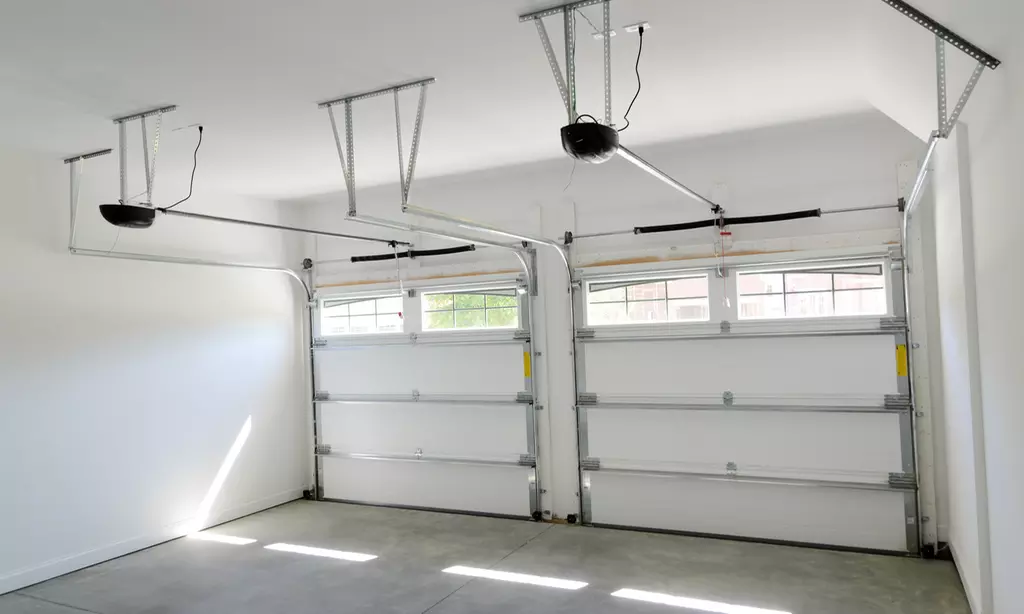
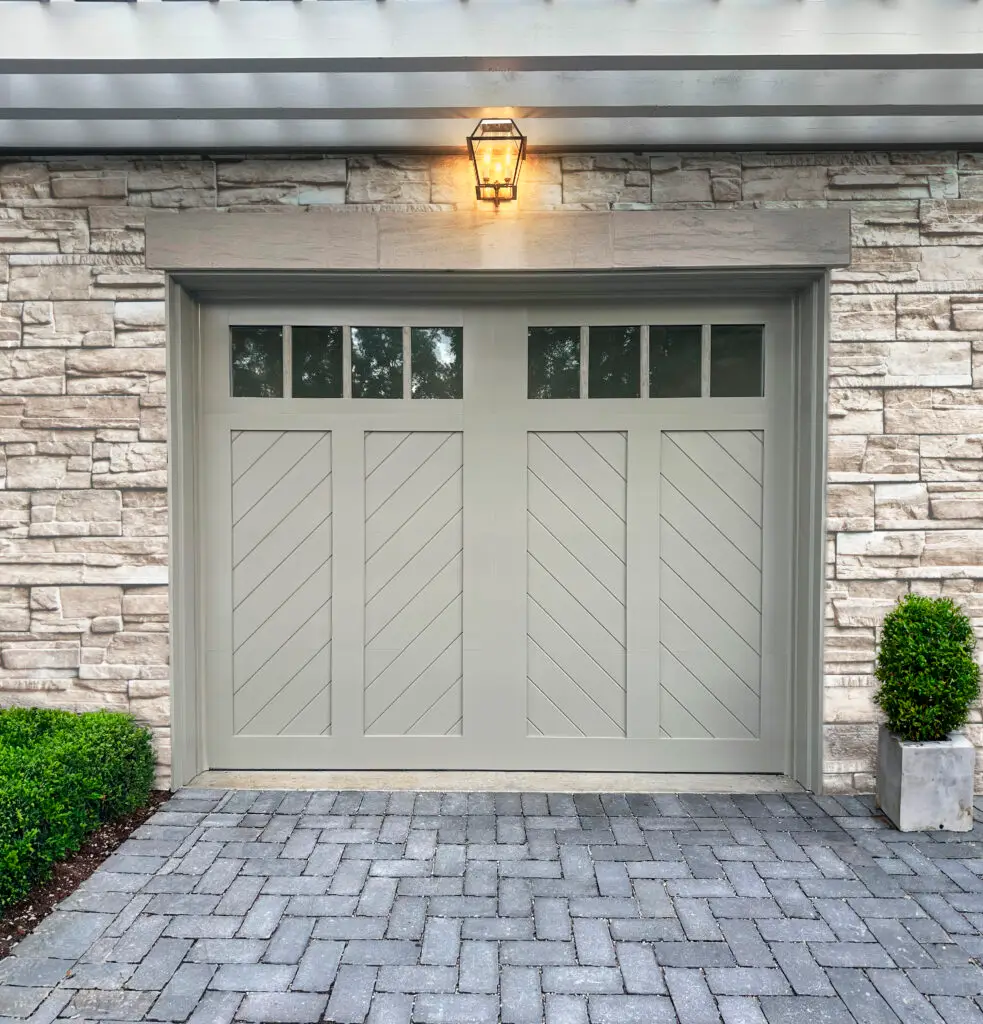
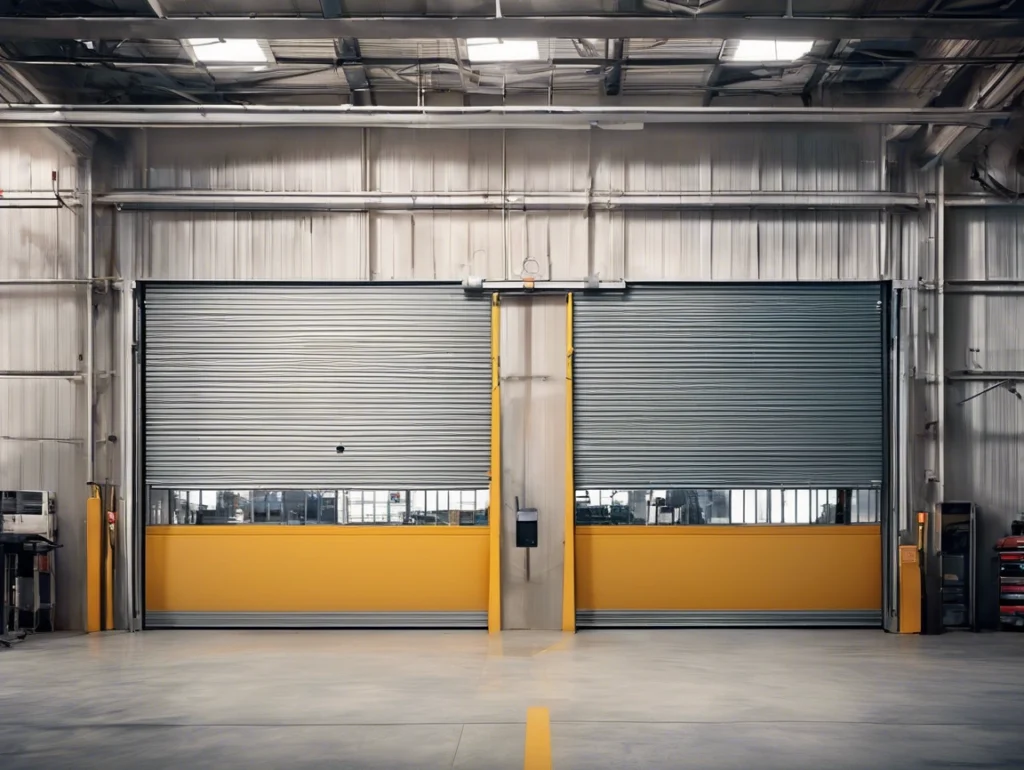
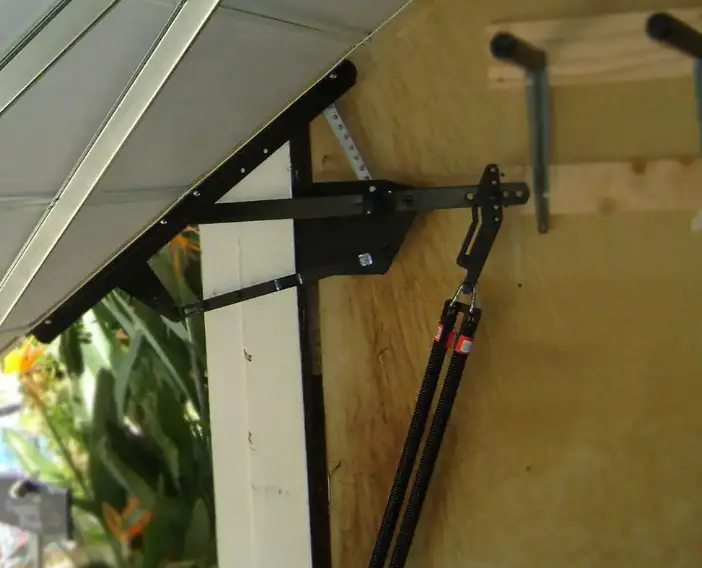
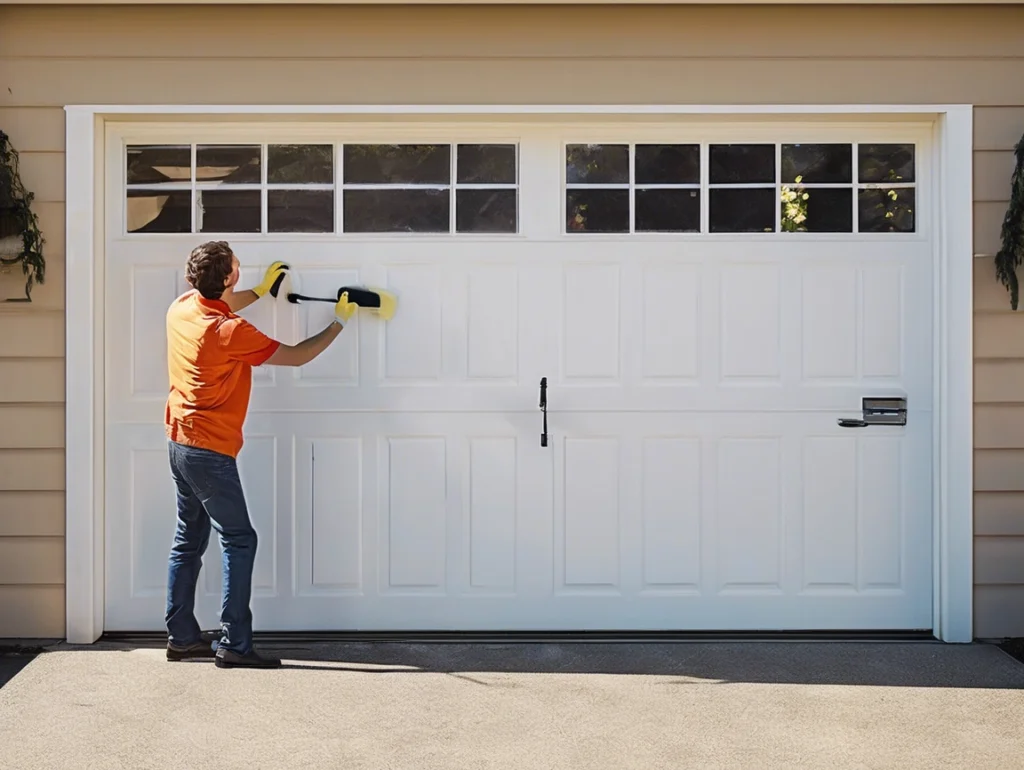
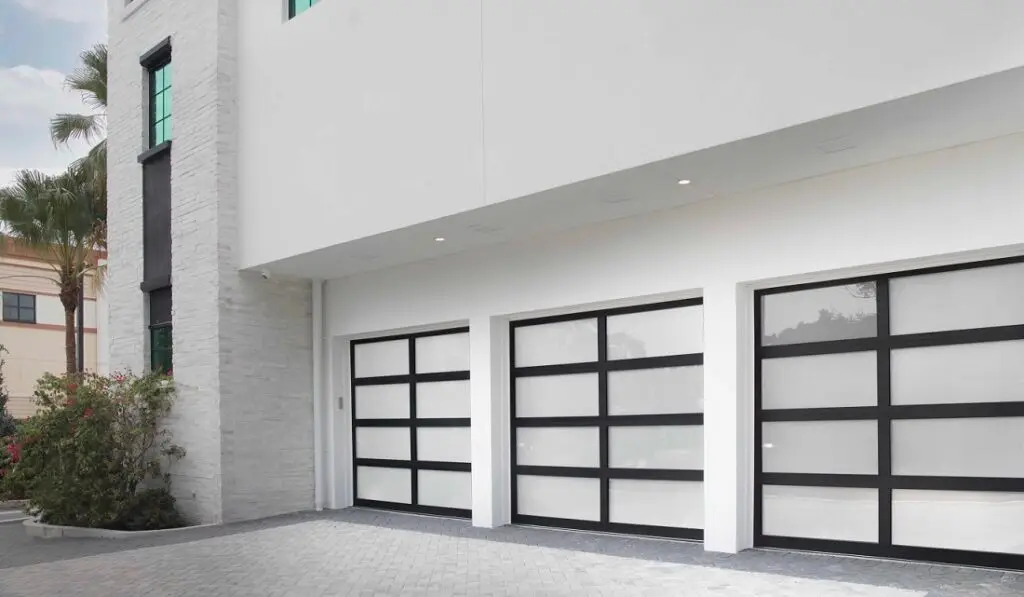
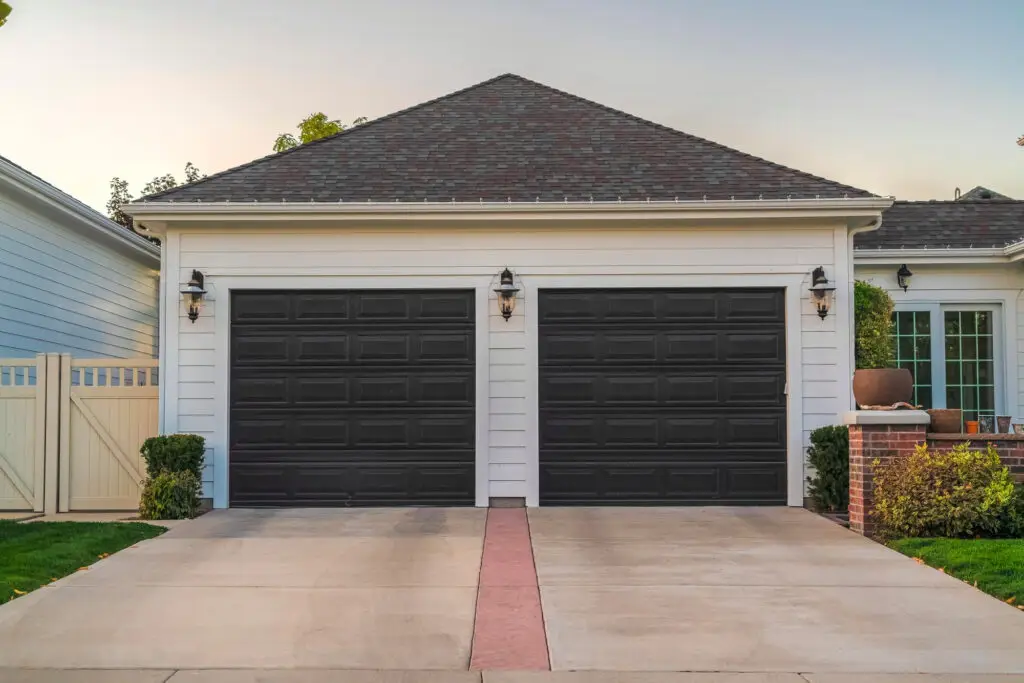
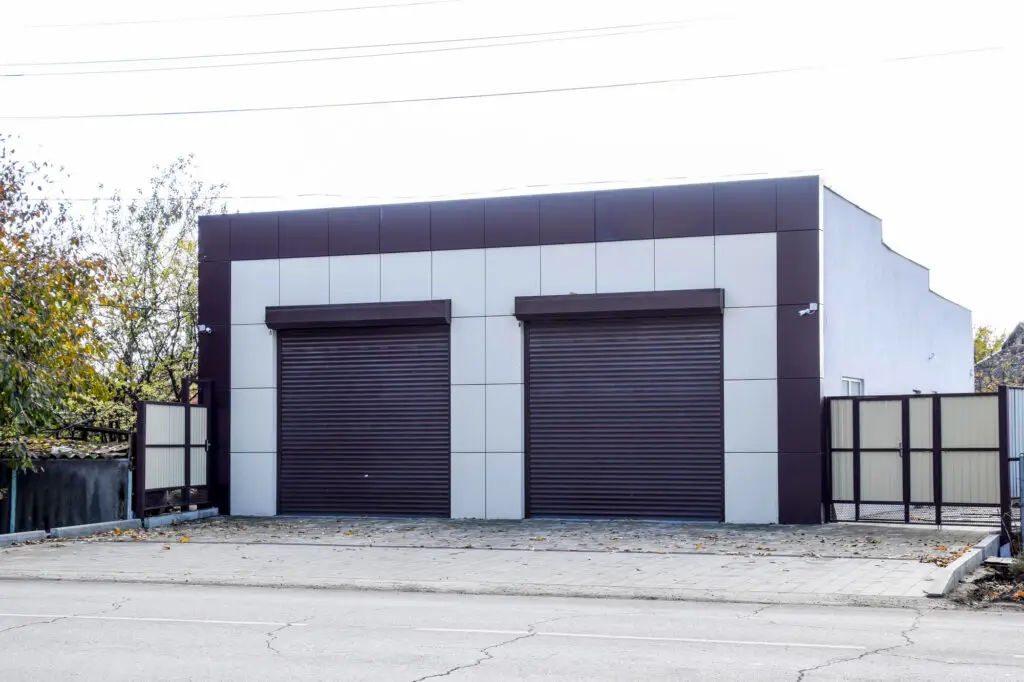
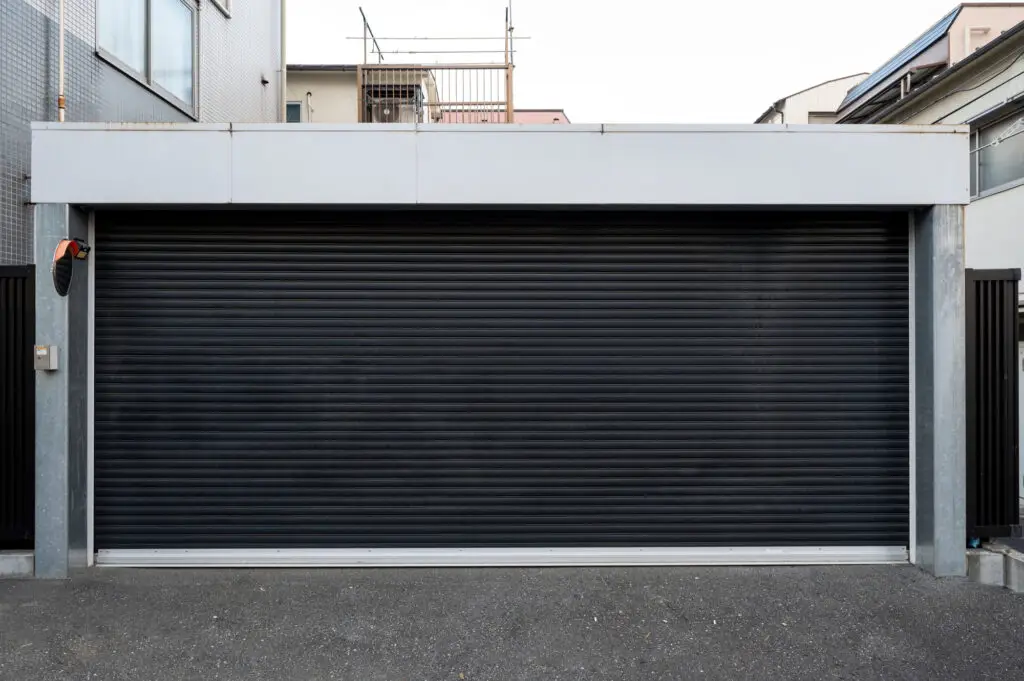
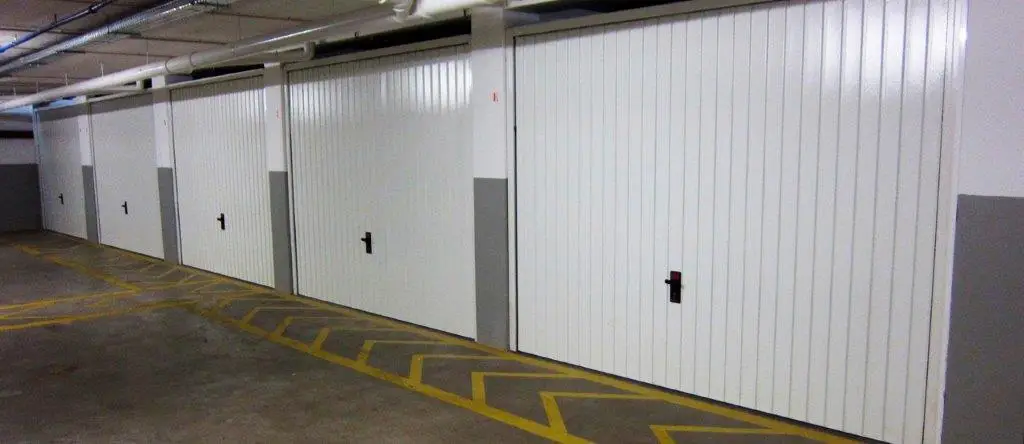
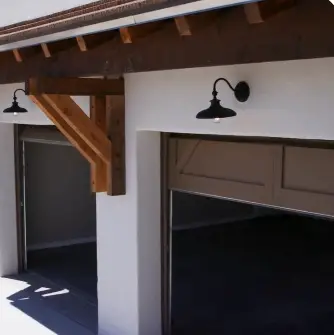
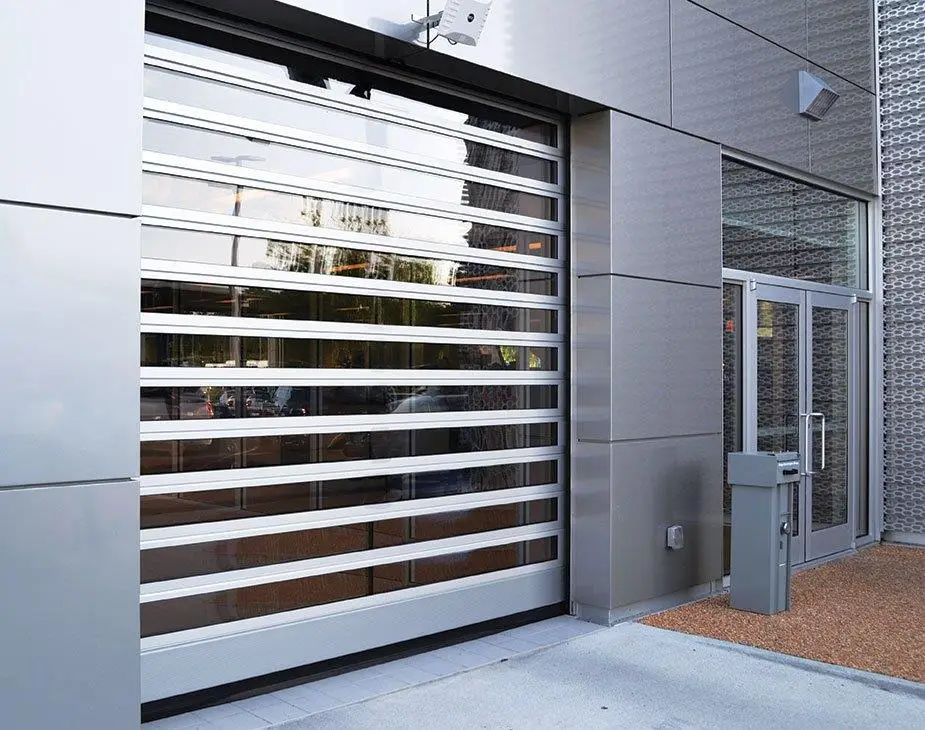
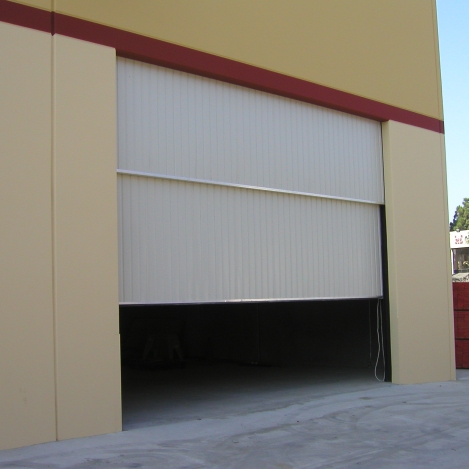
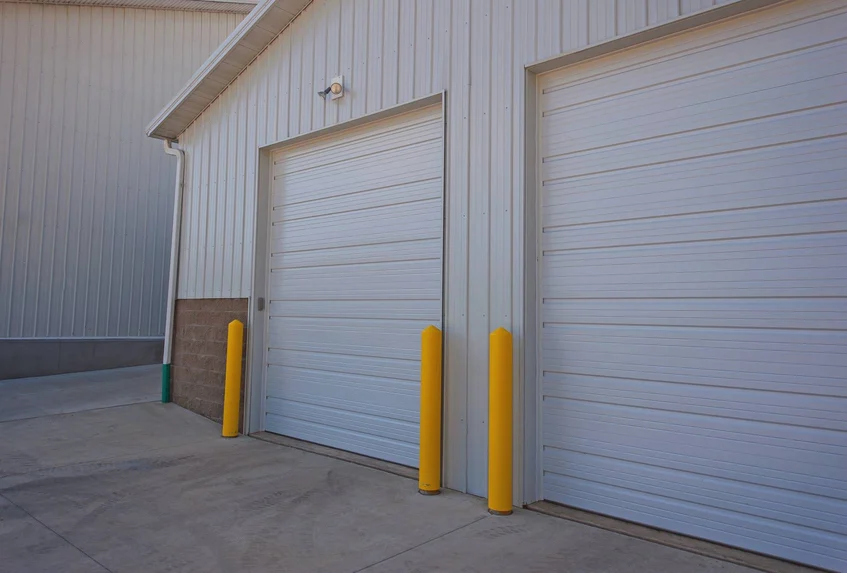
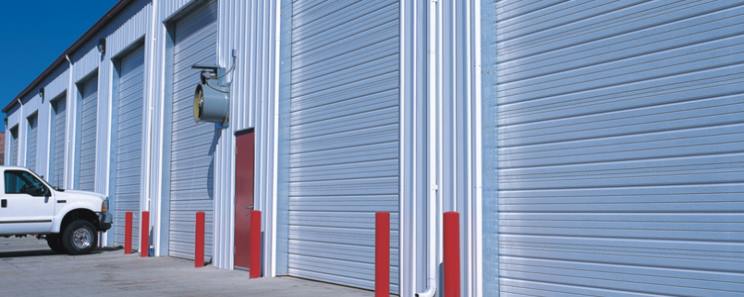
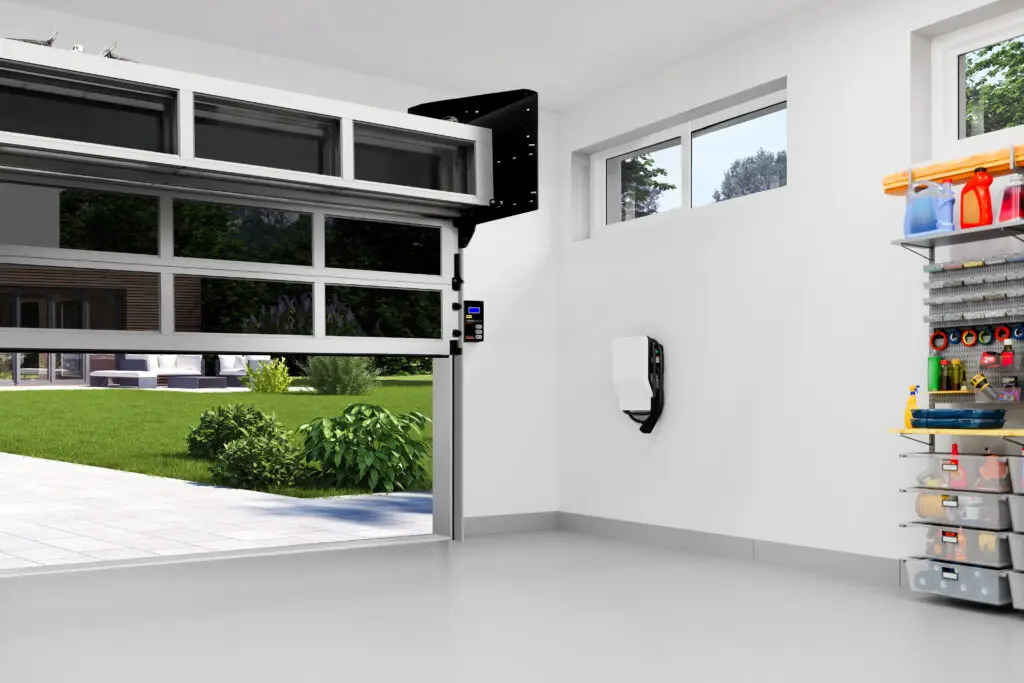
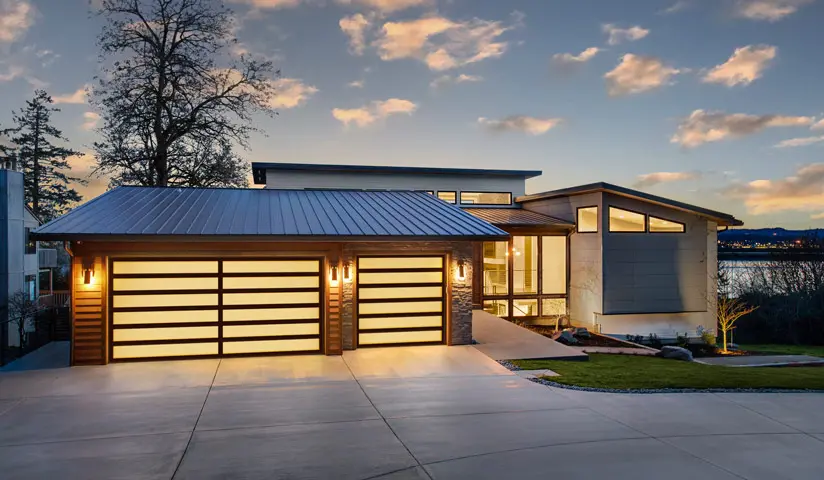
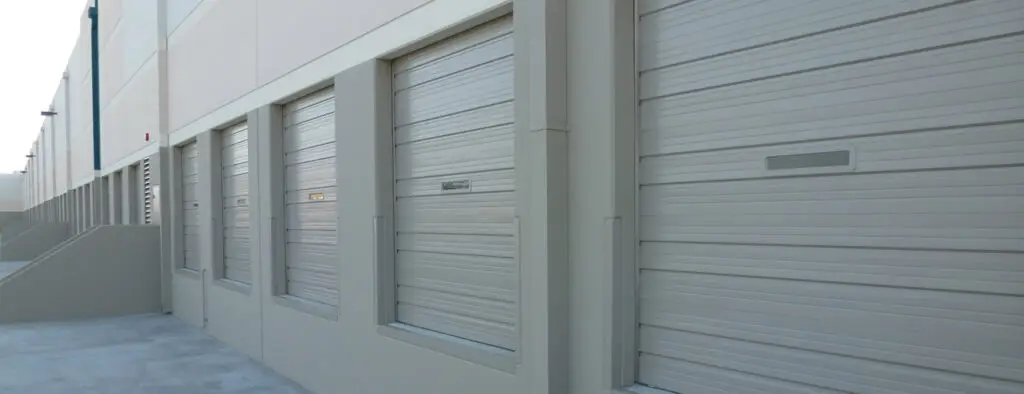
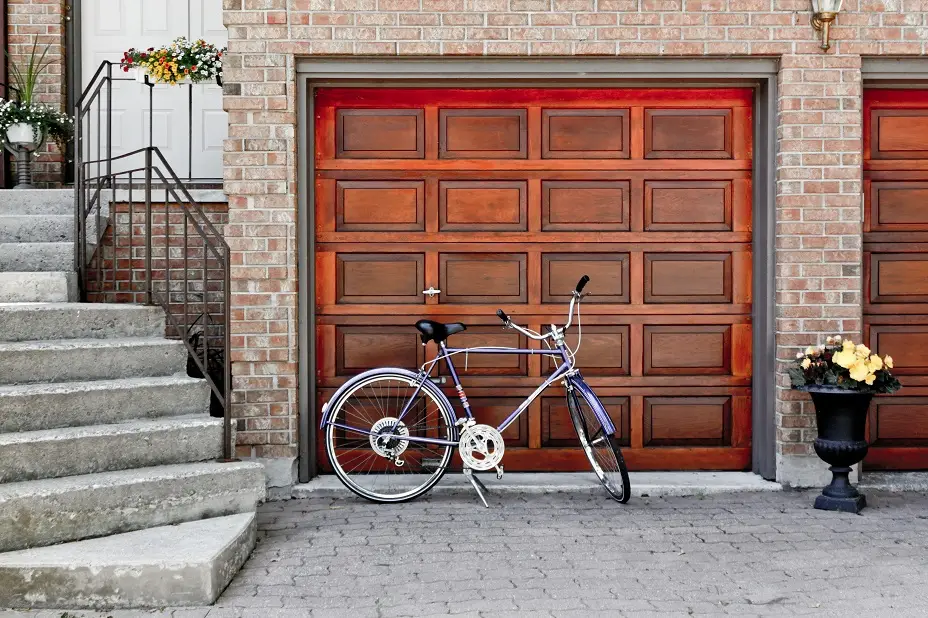
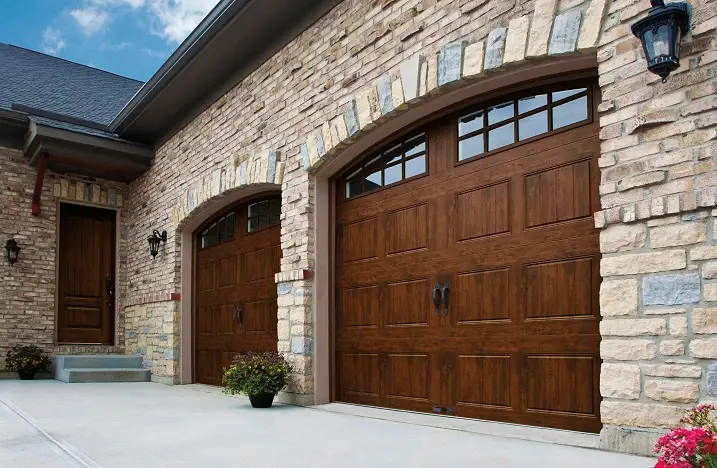
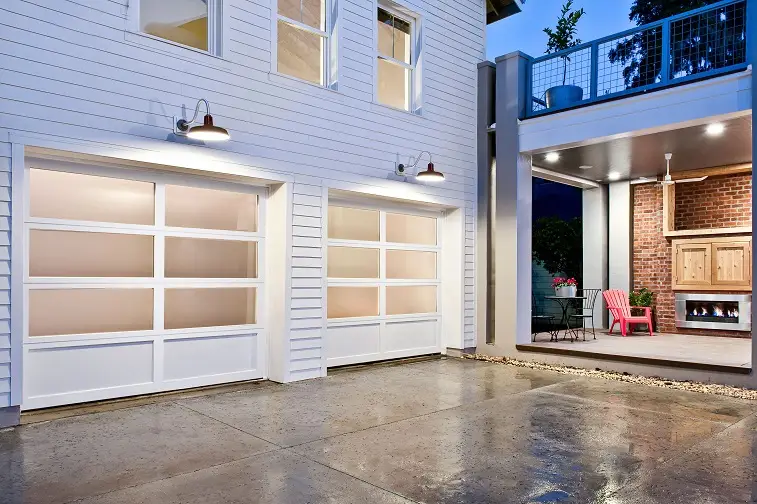
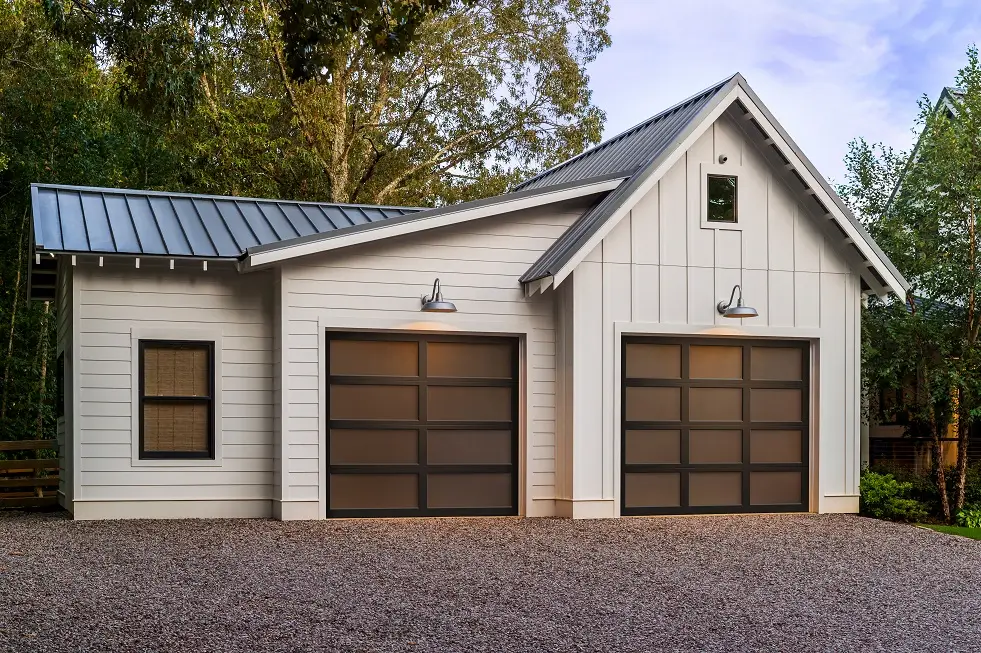
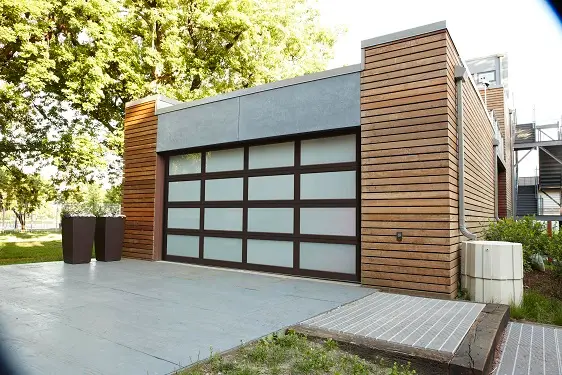
Another important consideration is the condition of your garage door. Over time, the weatherstripping and seals around the door can deteriorate, allowing water to sneak in. Regularly inspecting and replacing worn-out seals can make a significant difference in keeping your garage dry. You may also want to consider upgrading to a more weather-resistant garage door, which can provide an additional layer of protection against the elements.
Proper ventilation is also key in maintaining a dry garage environment. Inadequate airflow can lead to the buildup of moisture, creating an ideal breeding ground for mold and mildew. Installing exhaust fans or ensuring that your garage has adequate natural ventilation can help circulate the air and prevent the accumulation of excess moisture.
If your garage has windows, it’s essential to ensure that they are properly sealed and weatherproofed. Caulking around the window frames and using weather-resistant sealants can help prevent water from seeping in through these openings. Additionally, consider installing storm windows or upgrading to energy-efficient windows, which can further enhance the overall water-resistance of your garage.
In some cases, the source of the water intrusion may be more complex, requiring a more comprehensive solution. If you suspect that the issue is related to a structural problem, such as a crack in the foundation or a leaky roof, it’s best to consult with a professional contractor. They can assess the situation and recommend the appropriate repairs to address the root cause of the problem.
Maintaining a dry garage is not only important for preserving the integrity of the structure but also for protecting the items you store within it. By implementing these strategies, you can enjoy a well-protected, moisture-free garage that serves as a reliable and functional space for years to come.