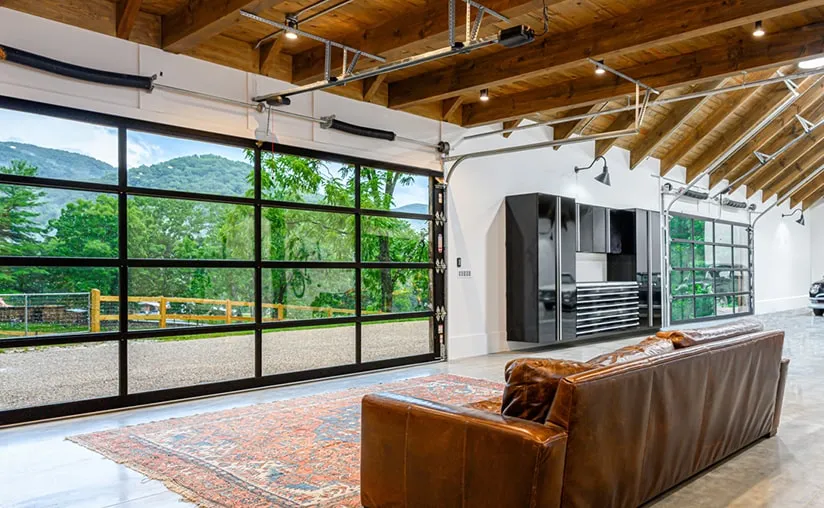
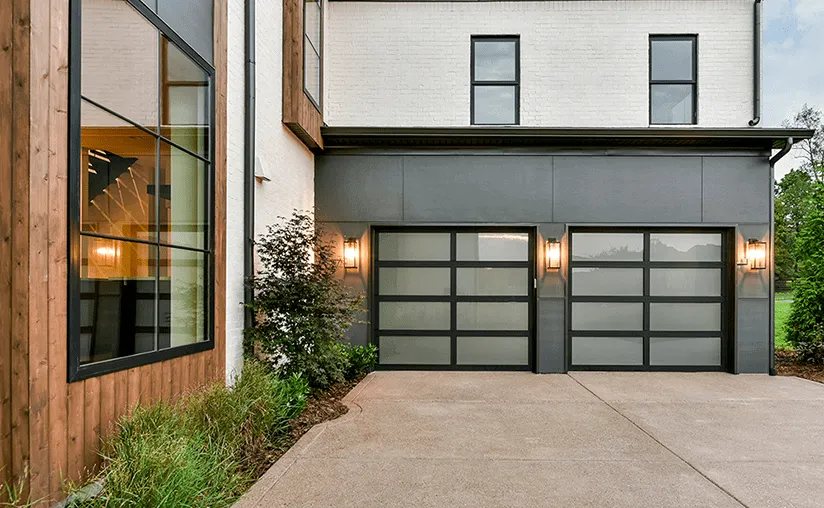
Garage doors come in a wide variety of styles, materials, and features to suit the needs and preferences of homeowners. Whether you’re building a new home or replacing an old garage door, it’s important to understand the different types available to make the best choice for your property. In this blog, we’ll explore the main categories of garage doors and the unique benefits of each.
Sectional Garage Doors
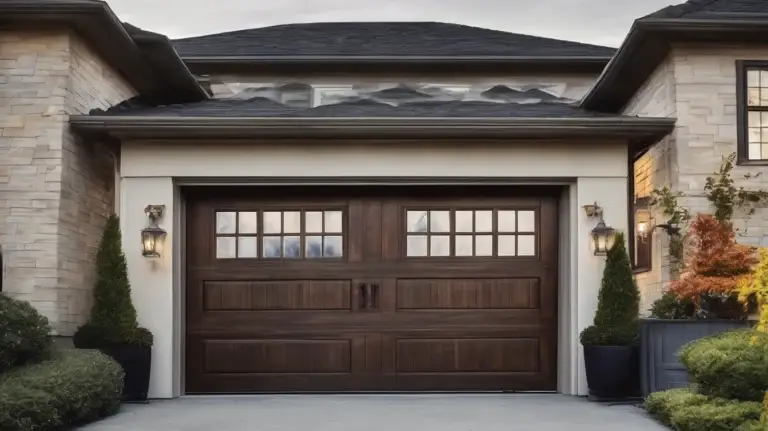
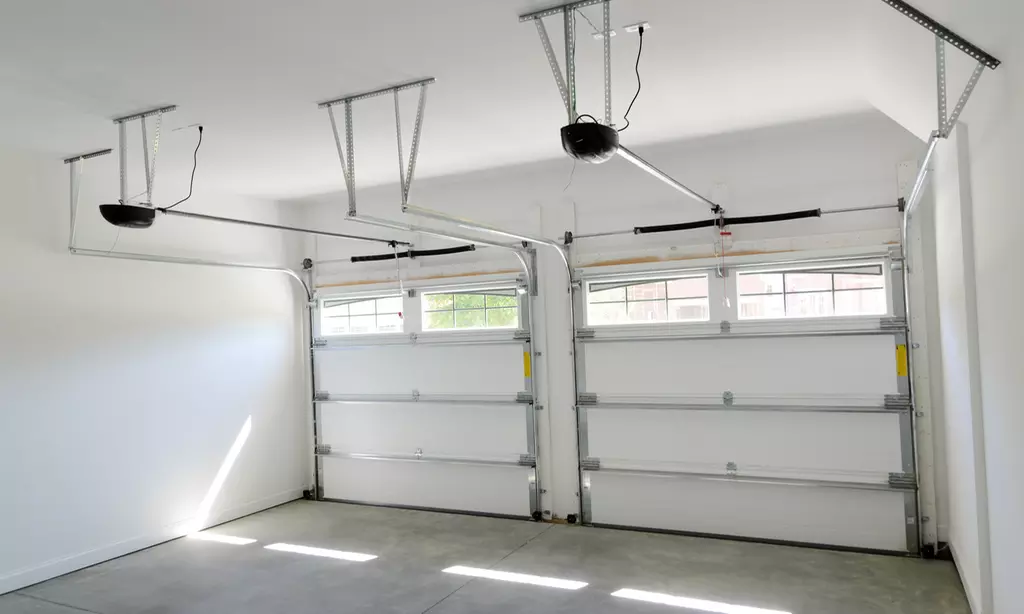
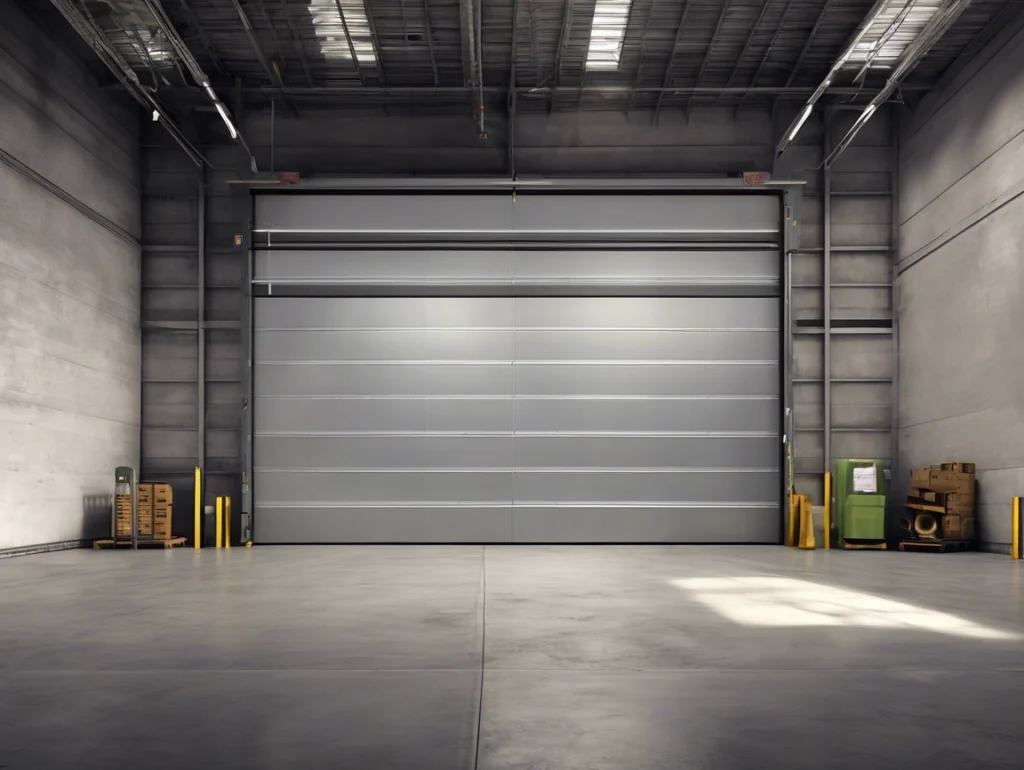
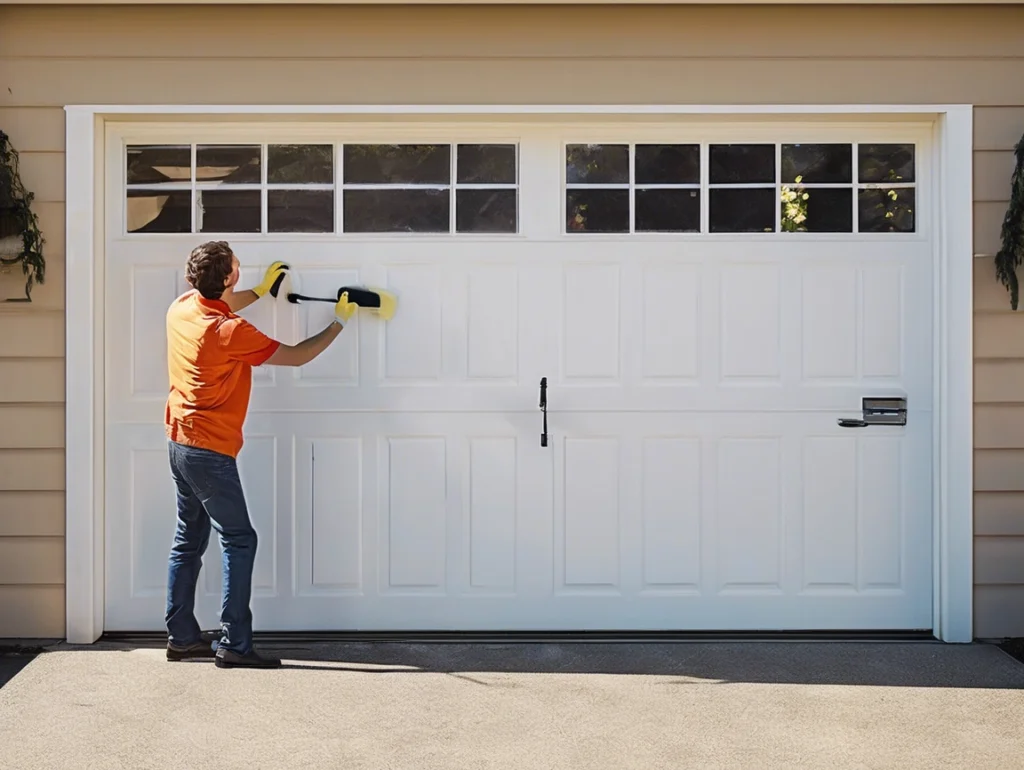
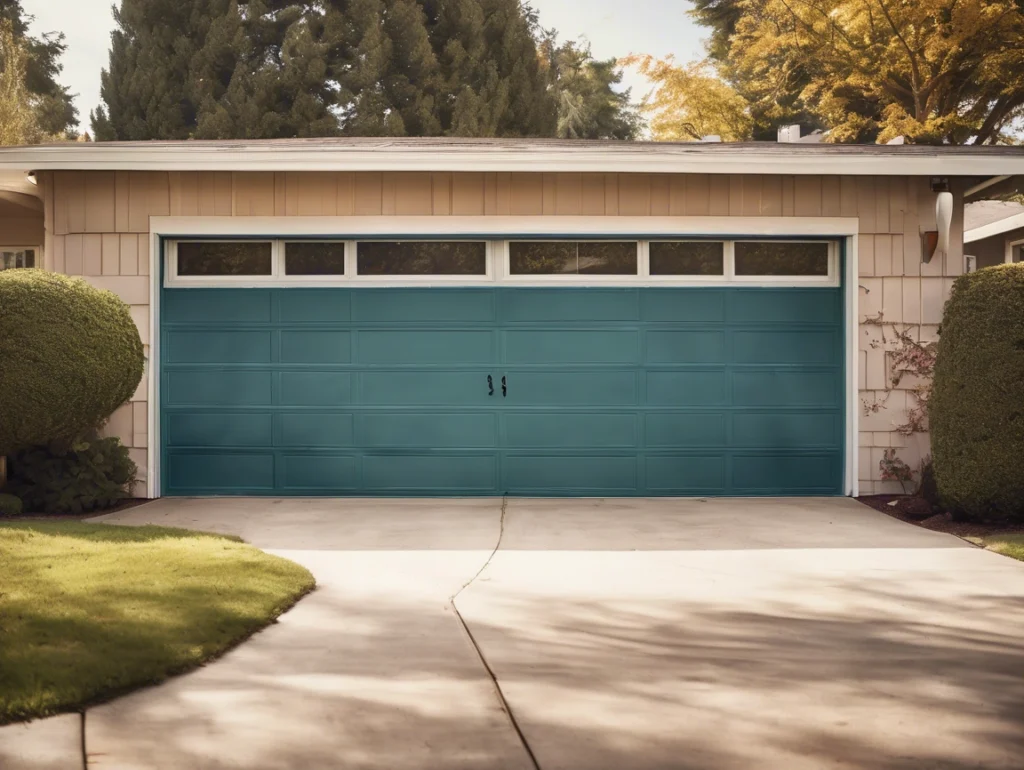
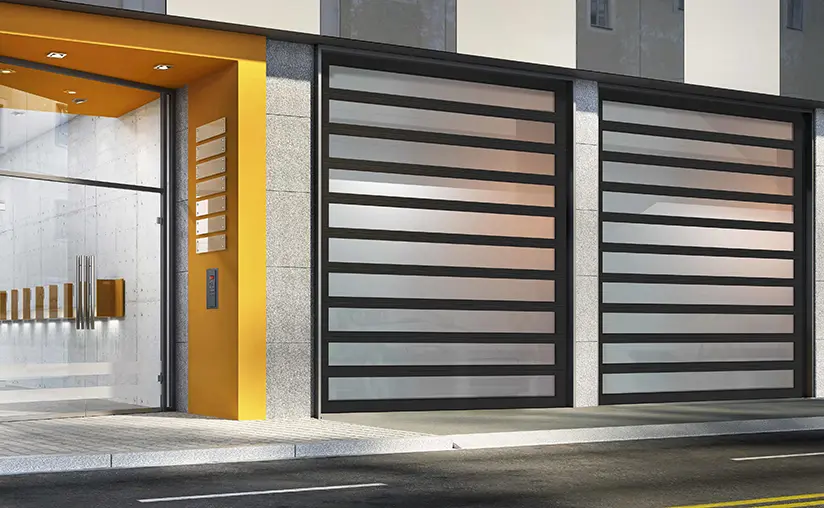
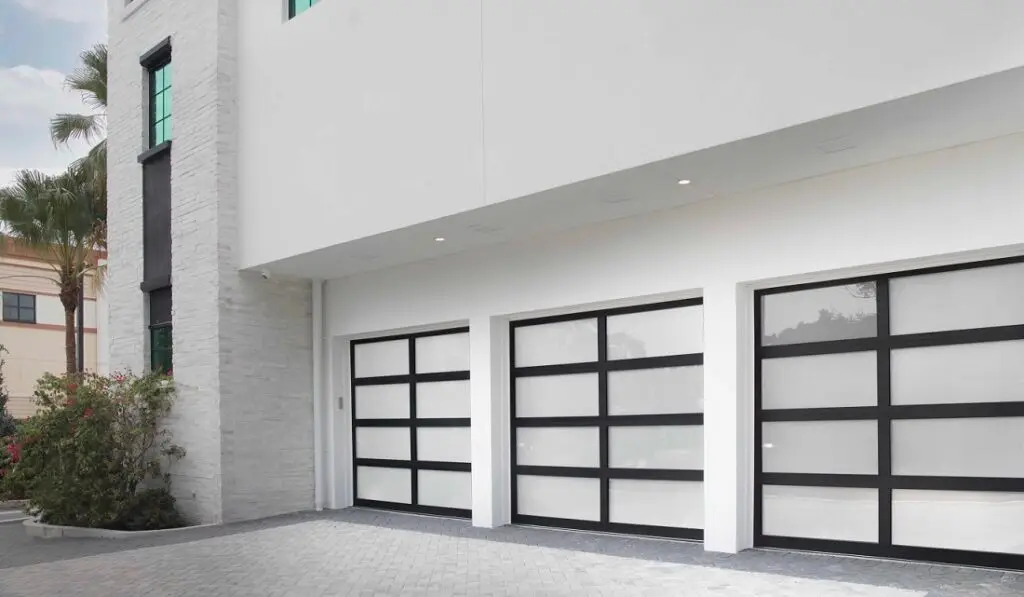
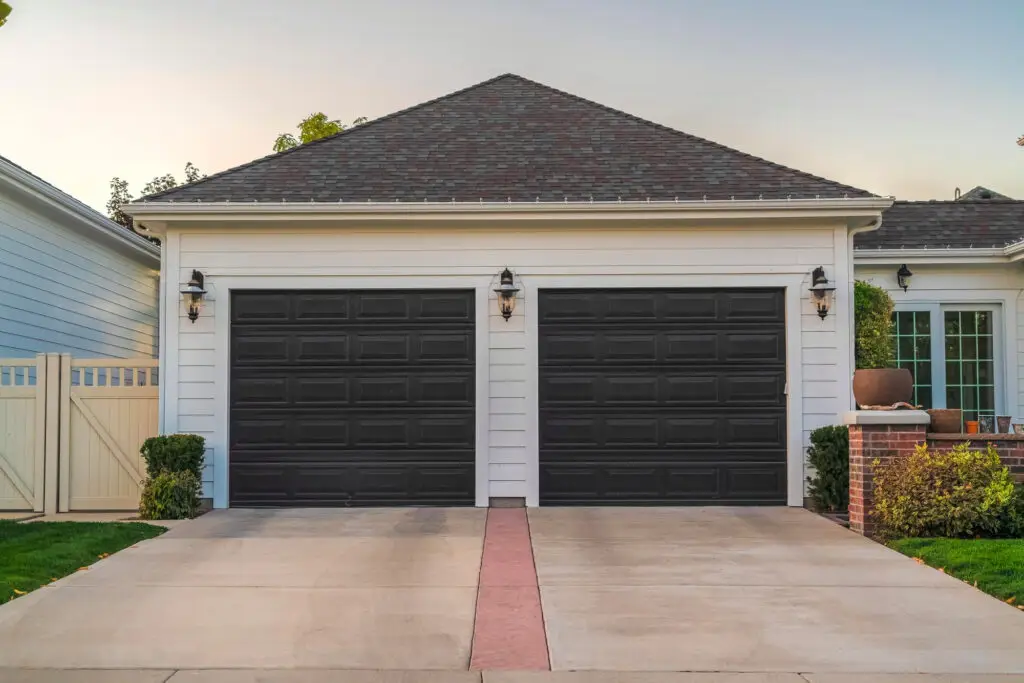
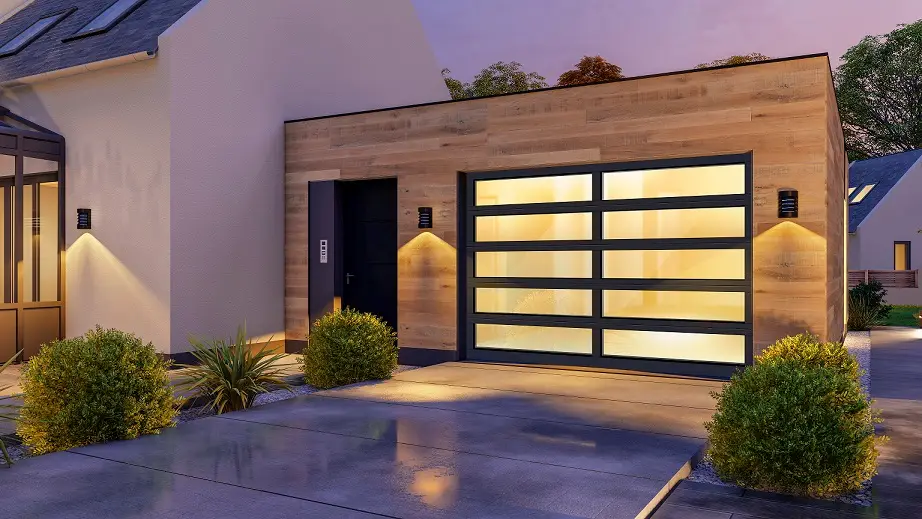
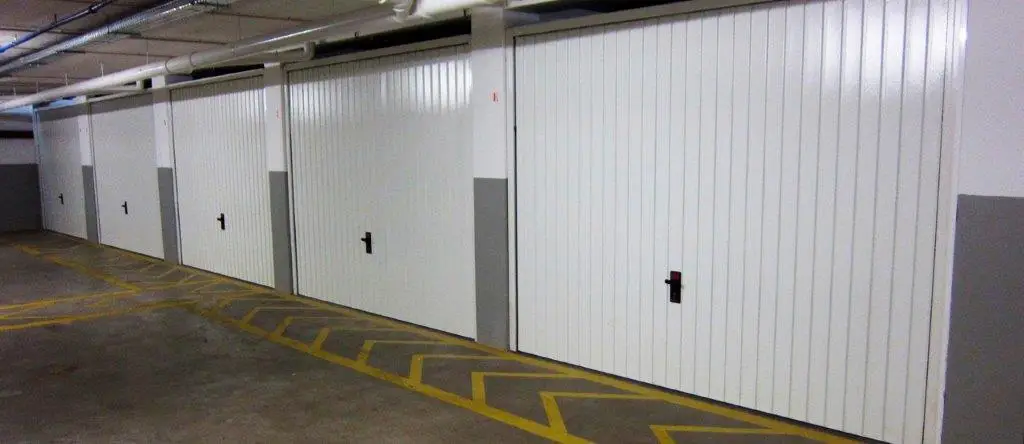
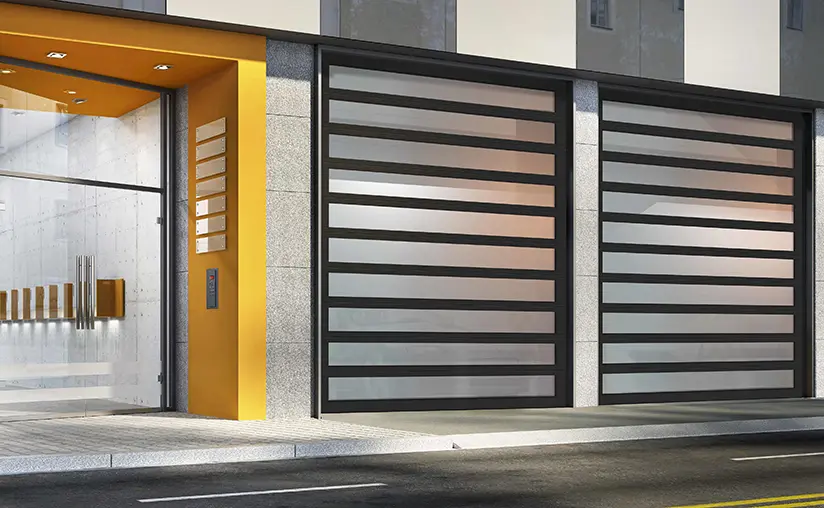
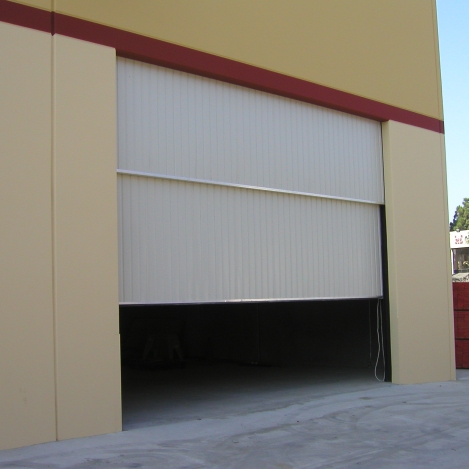
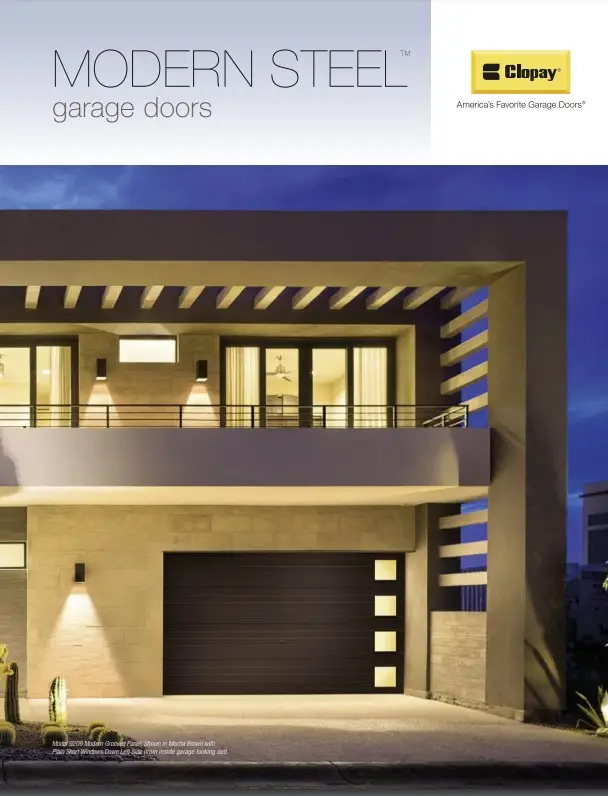
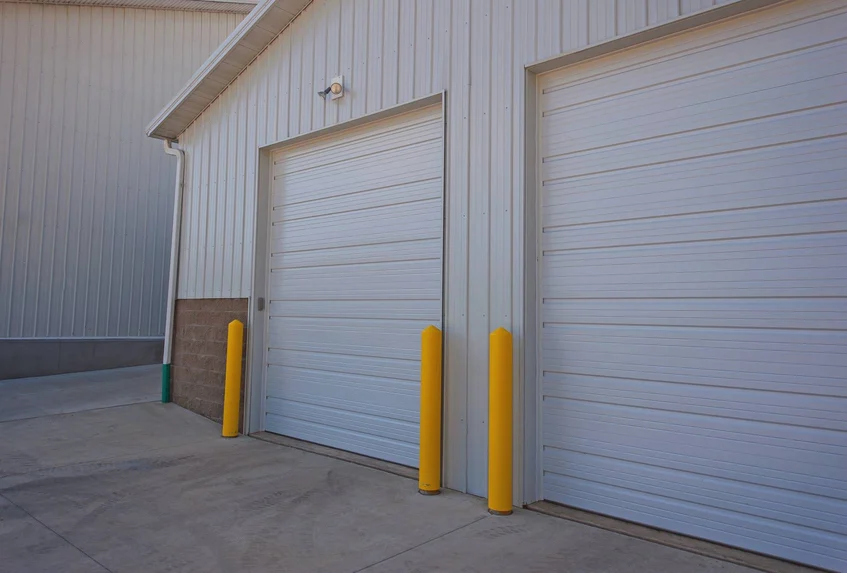
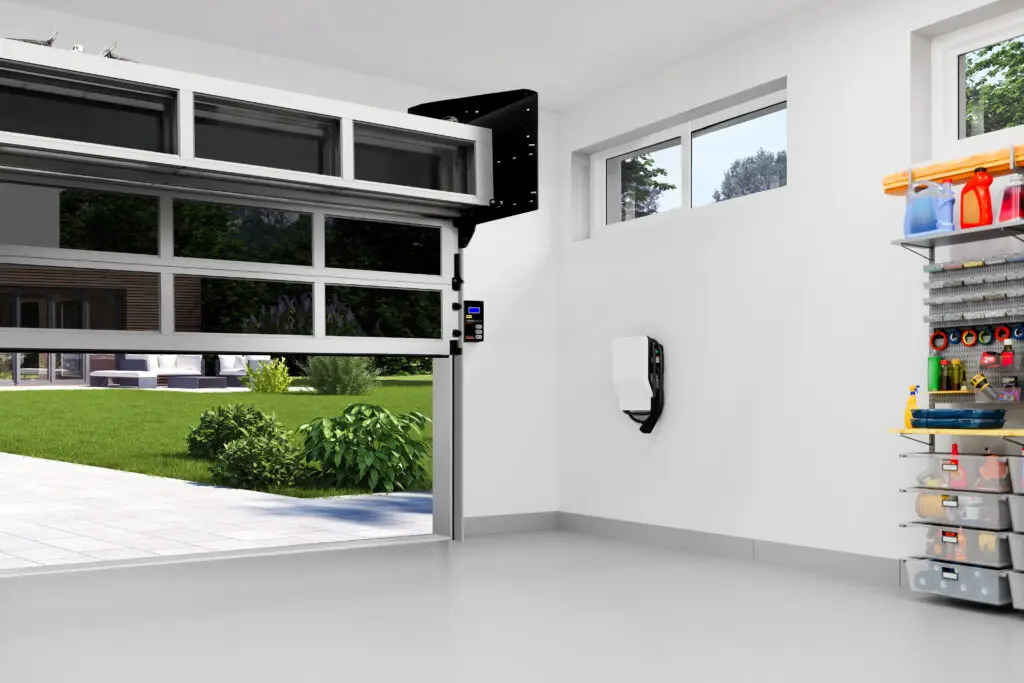
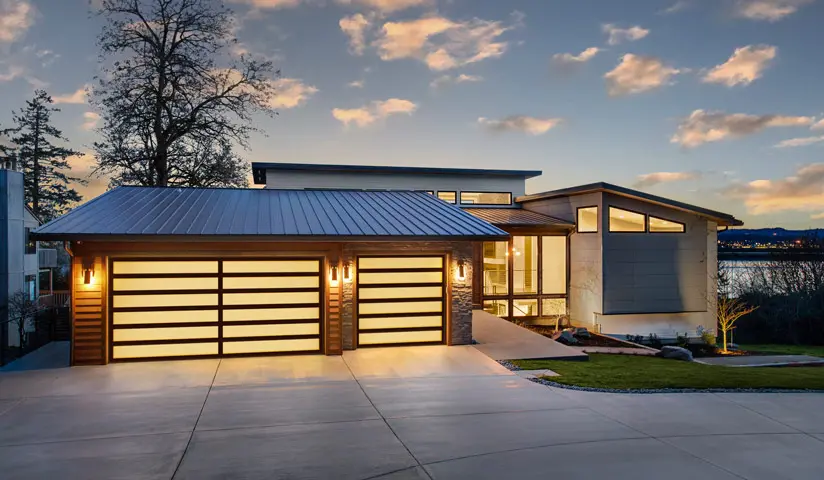
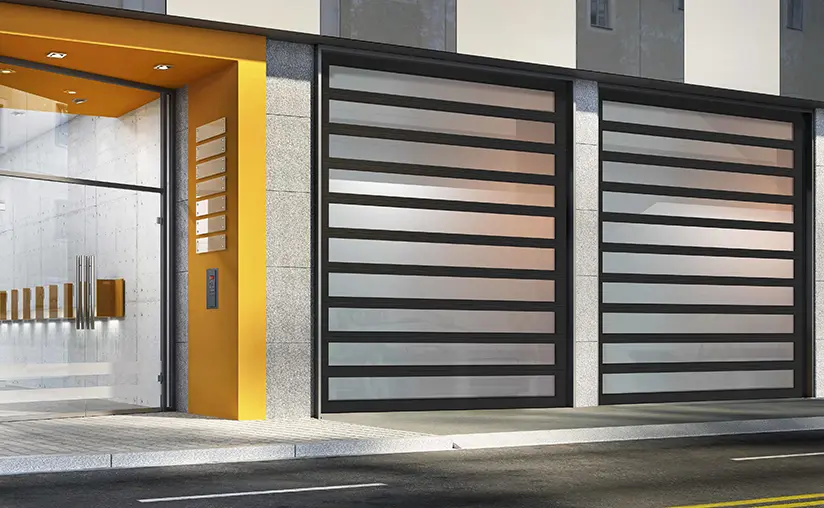
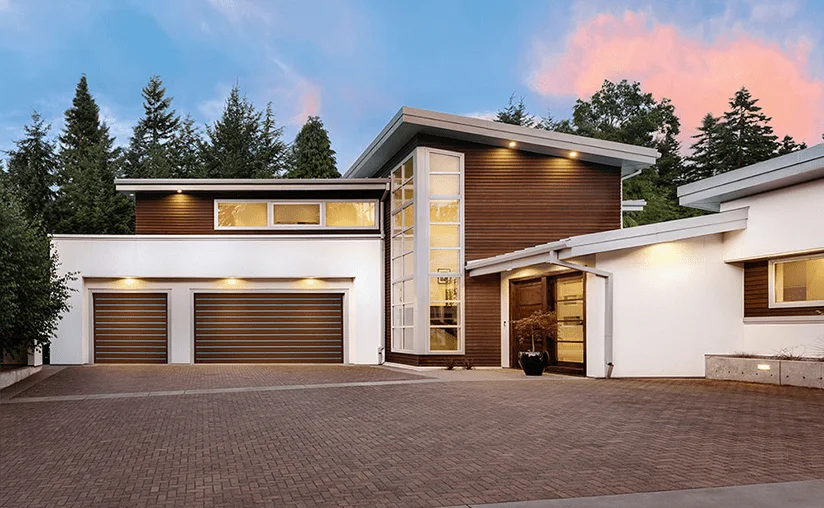
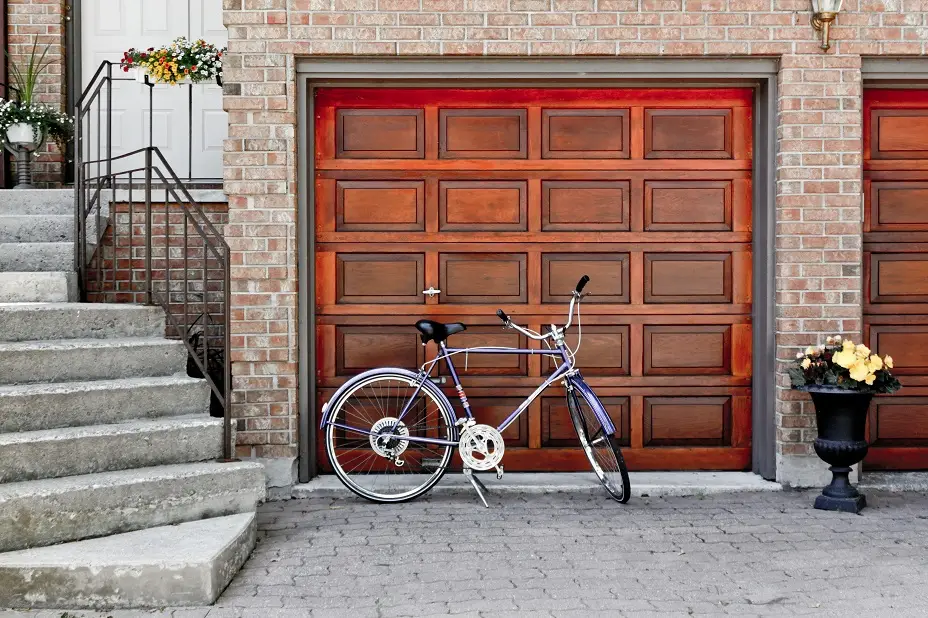
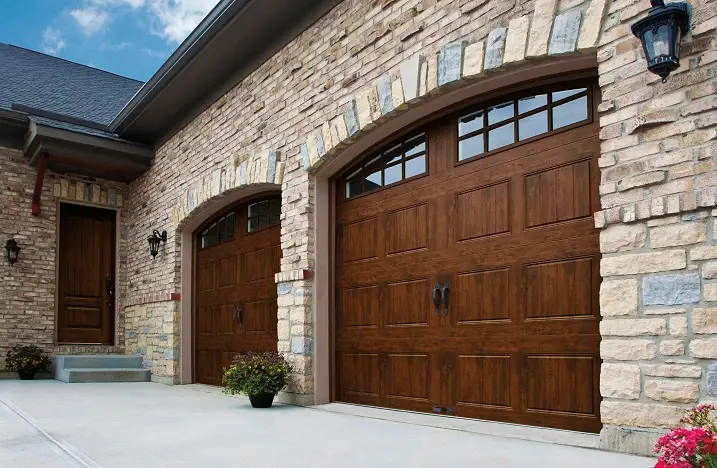
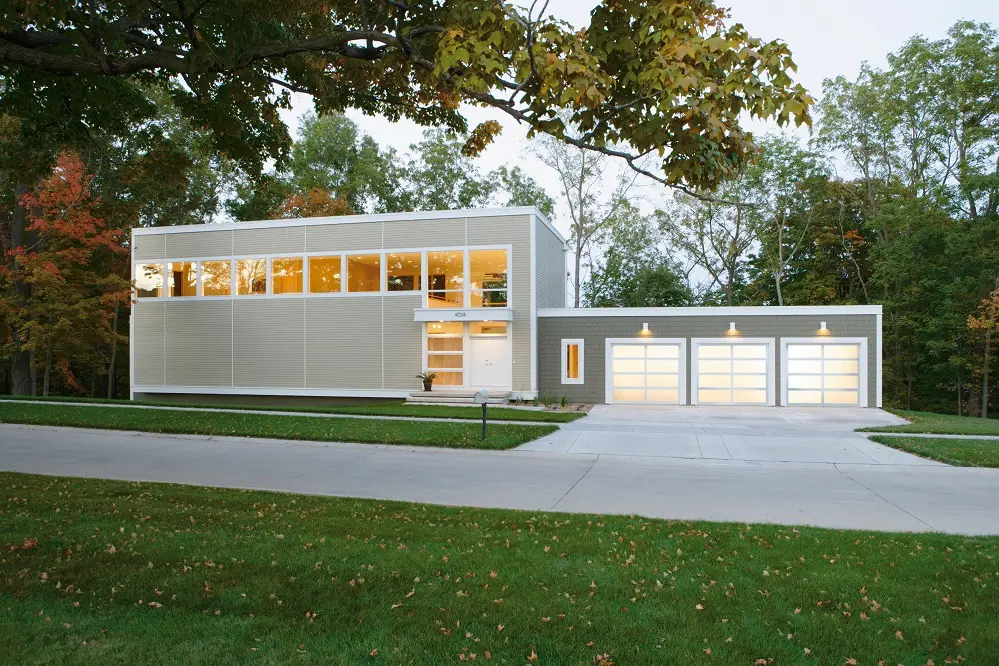
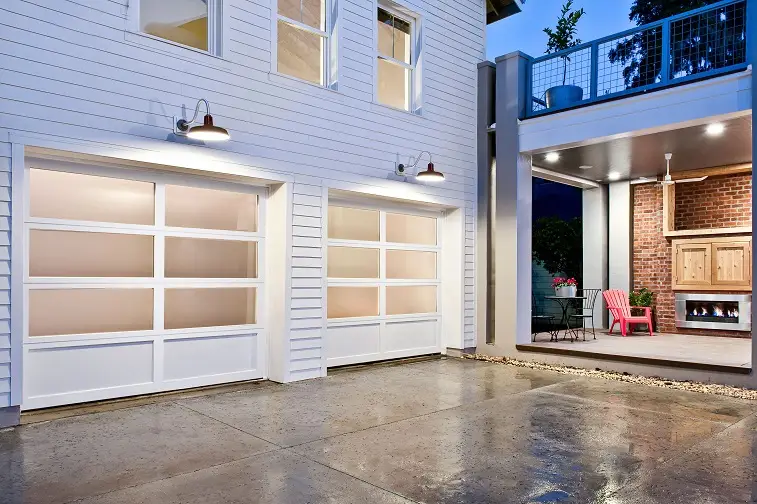
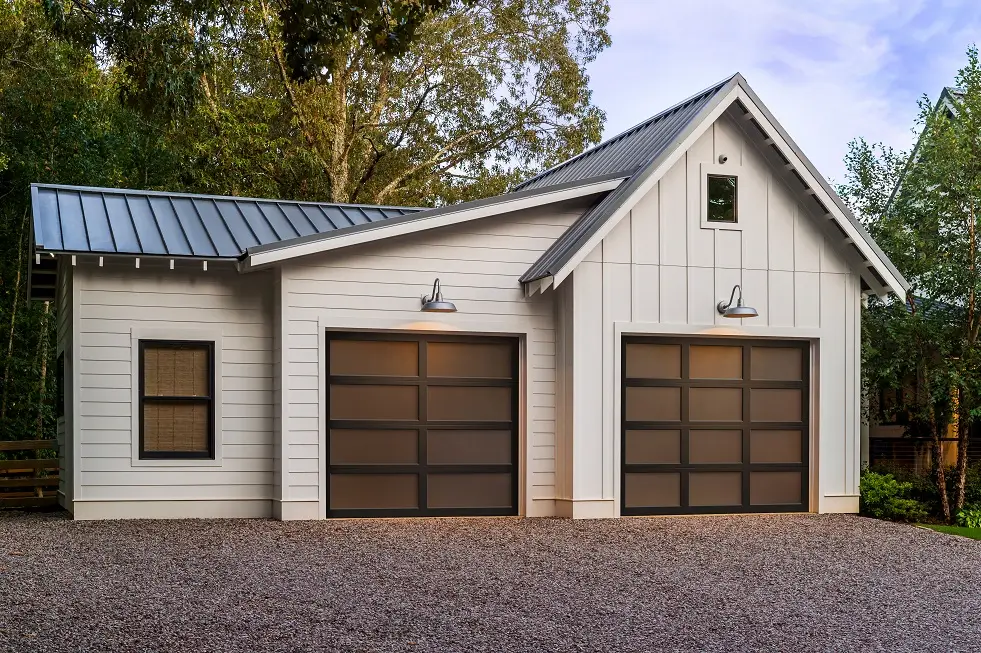
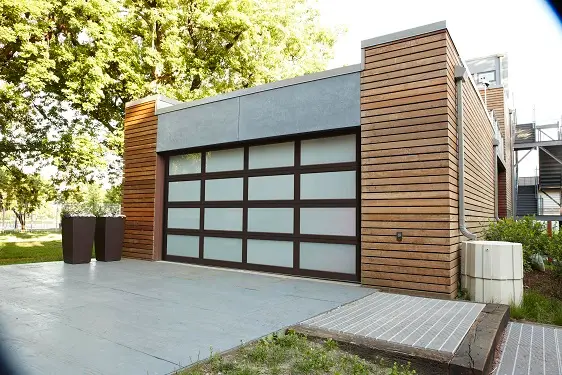
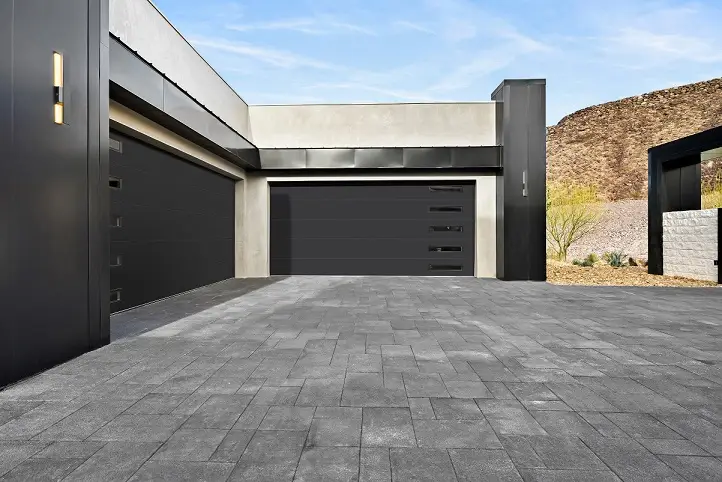
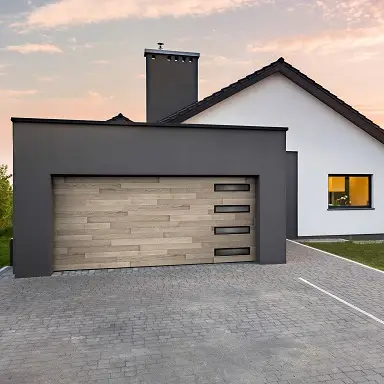
Sectional garage doors are by far the most common type found on homes today. These doors are made up of multiple horizontal panels that are connected by hinges, allowing the door to bend and roll up into the garage ceiling when opened. Sectional doors are available in a range of materials, including steel, aluminum, wood, and fiberglass. Steel is a popular choice for its durability and affordability, while wood and fiberglass offer a more premium, custom look. Sectional doors can be insulated for improved energy efficiency, and many styles offer windows, decorative hardware, and other personalization options.
One of the key benefits of sectional garage doors is their space-saving design. Because the door panels roll up overhead, sectional doors don’t require any clearance in front of the garage to open, freeing up valuable driveway space. They also provide a tight seal around the perimeter to keep out the elements. Sectional doors can be operated manually, but most homeowners opt for an automatic garage door opener for convenient, hands-free access.
Carriage House Garage Doors
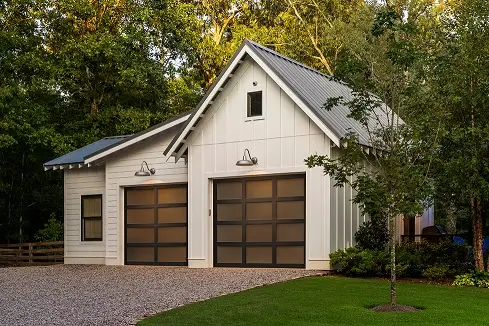
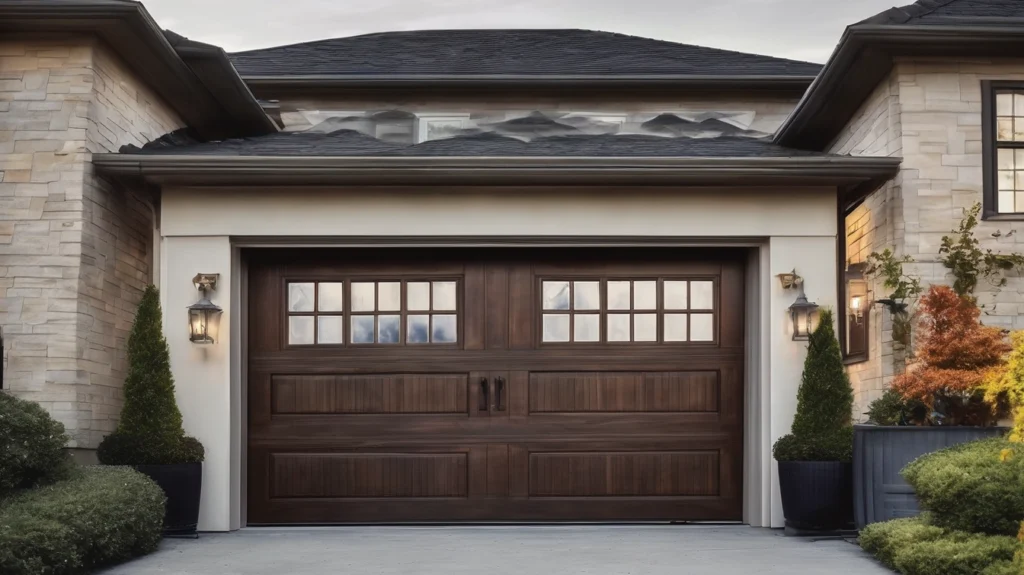
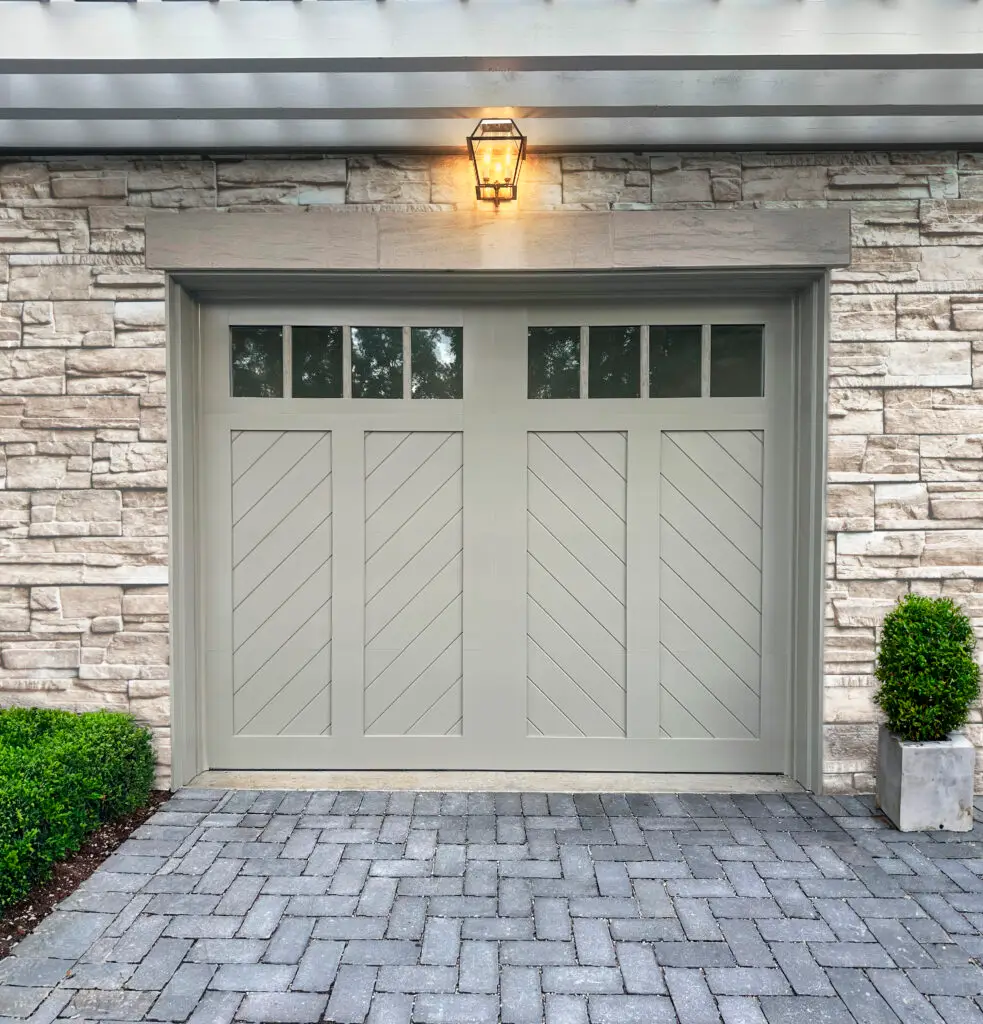
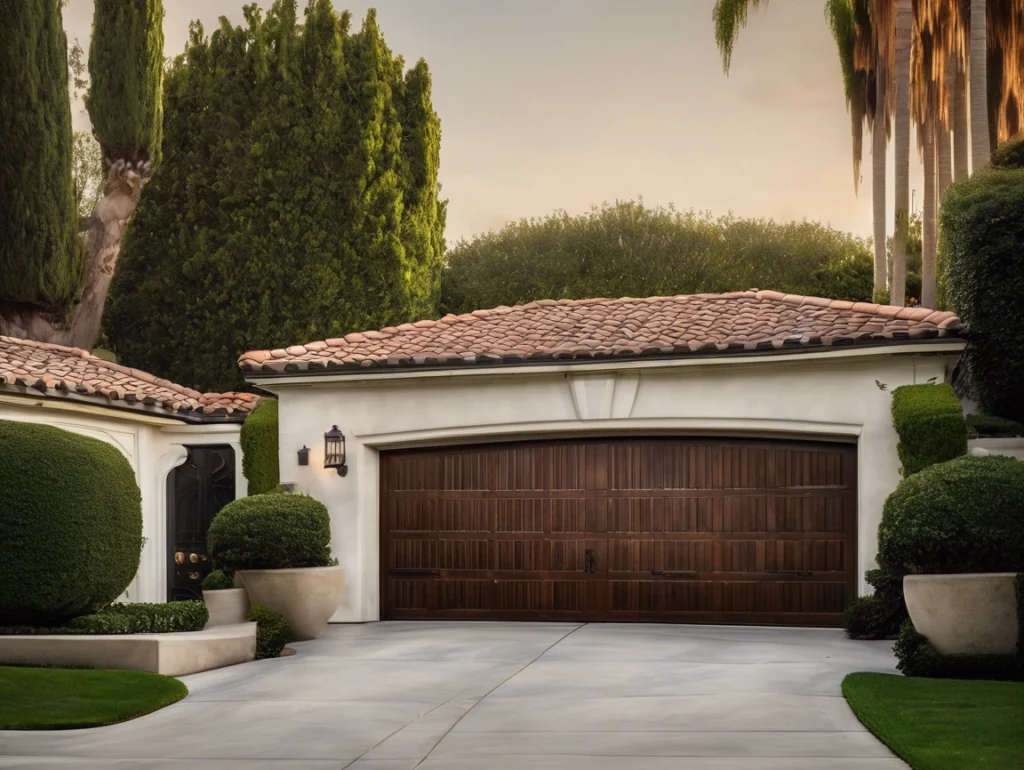
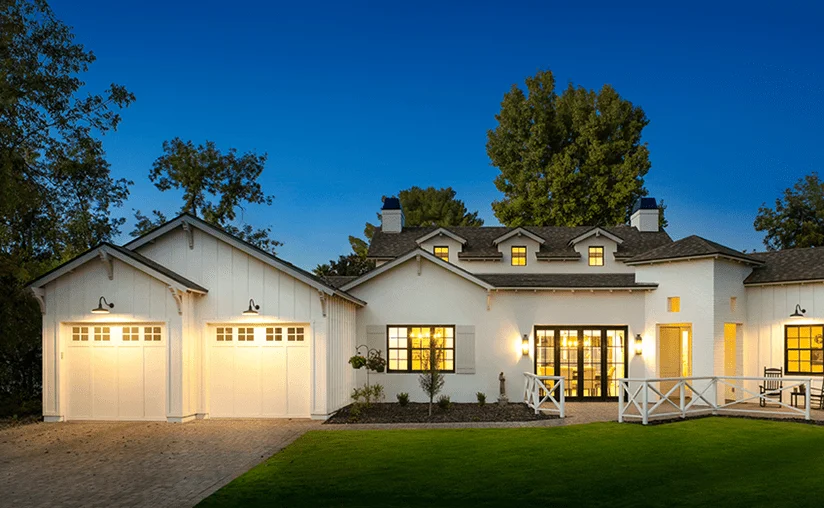
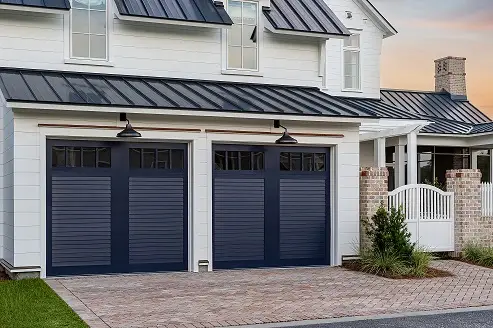
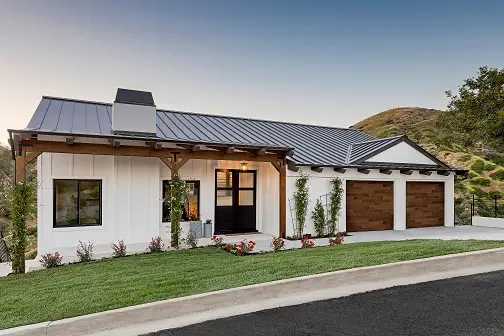
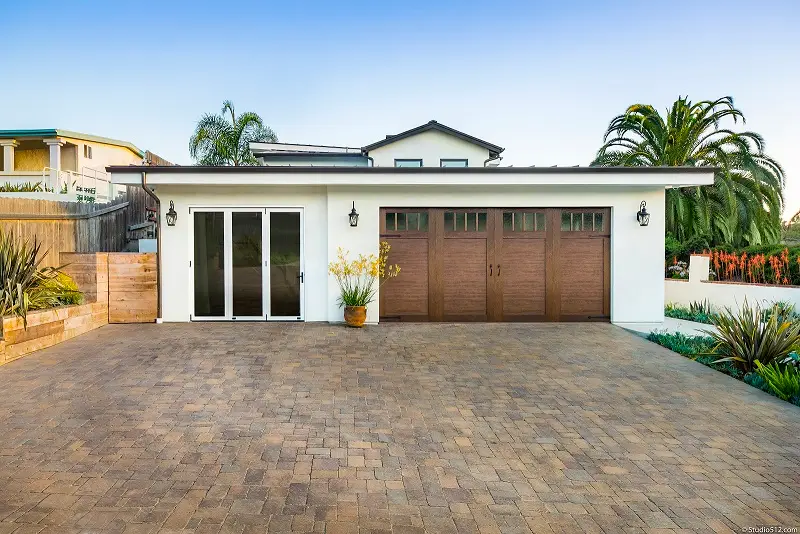
Carriage house garage doors, also known as barn-style doors, are designed to mimic the appearance of old-fashioned carriage house doors. These doors feature hinged, swinging panels that open outward, rather than rolling up overhead. Carriage house doors are typically constructed of wood or wood composites and often include decorative hardware, windows, and other vintage-inspired details.
The classic, heritage look of carriage house doors makes them a popular choice for homes with a farmhouse, craftsman, or other traditional architectural style. While they don’t provide the space-saving benefits of sectional doors, carriage house doors can still be automated with a garage door opener system. They do, however, require more clearance in front of the garage to swing open. Carriage house doors also tend to be more expensive than other garage door types.
Roll-Up Garage Doors
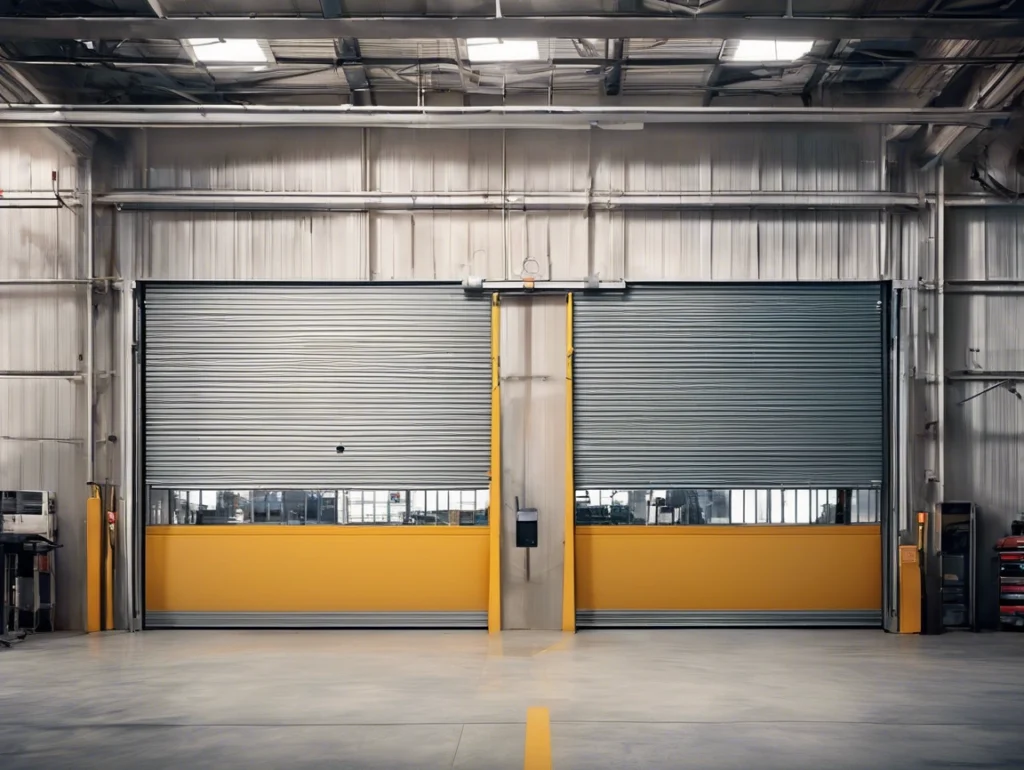
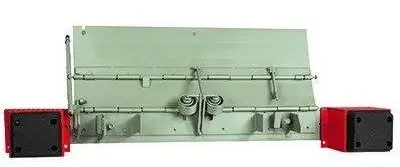
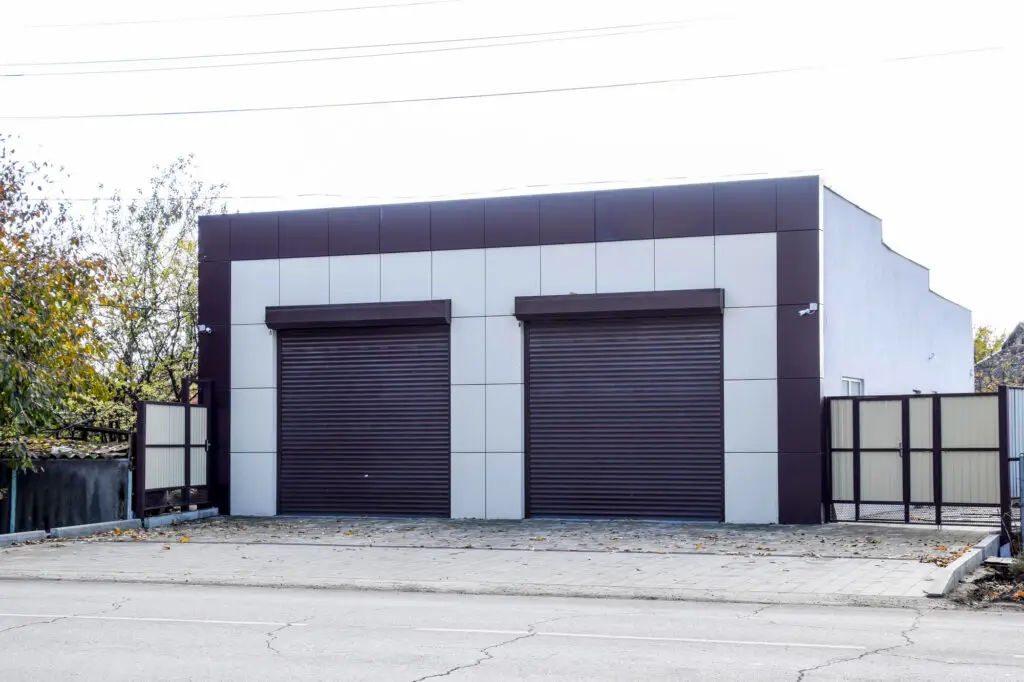
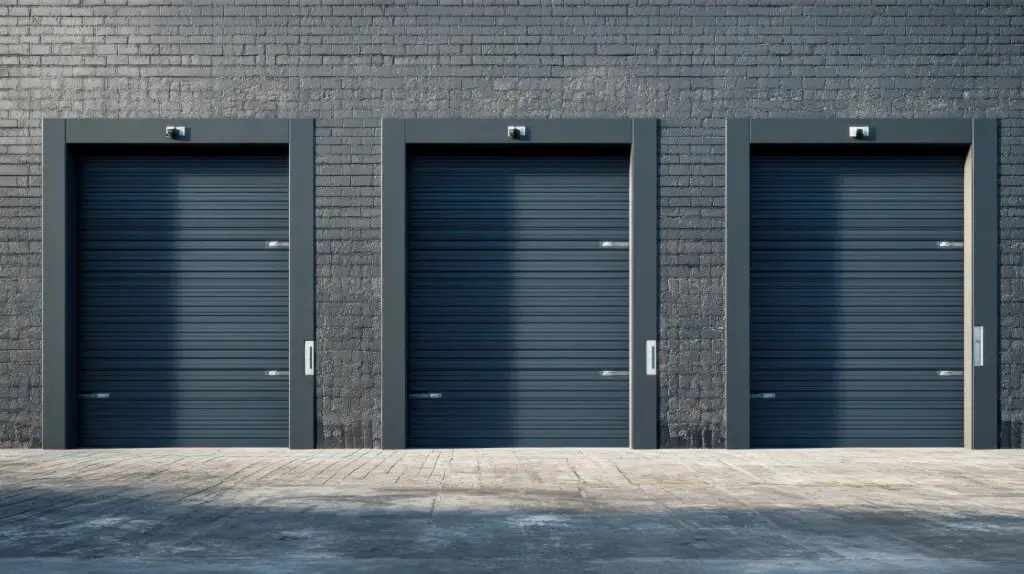
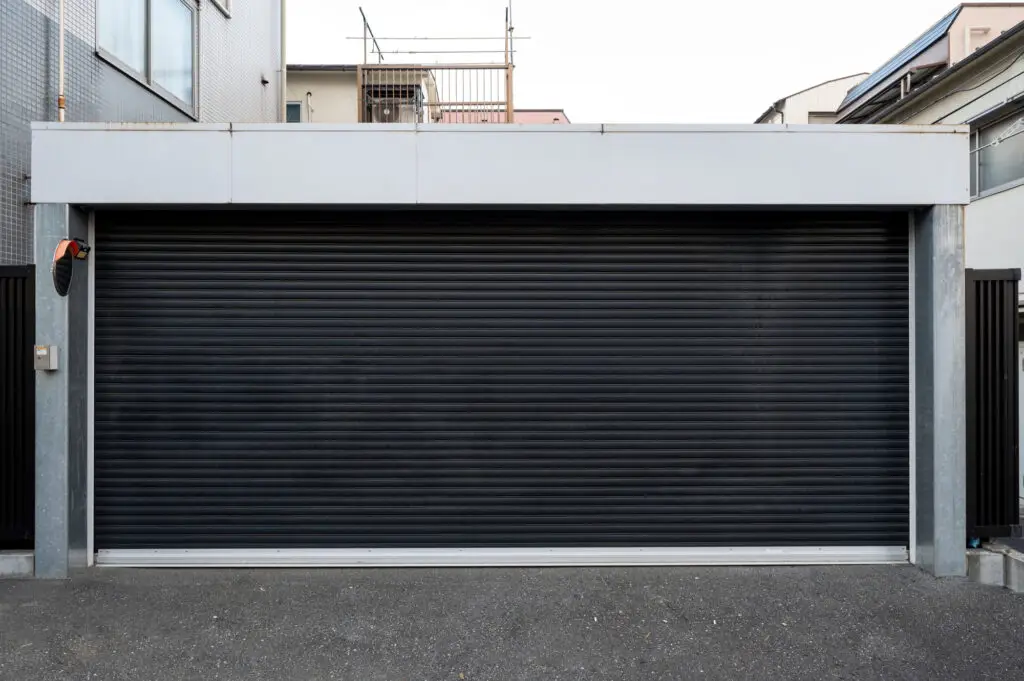
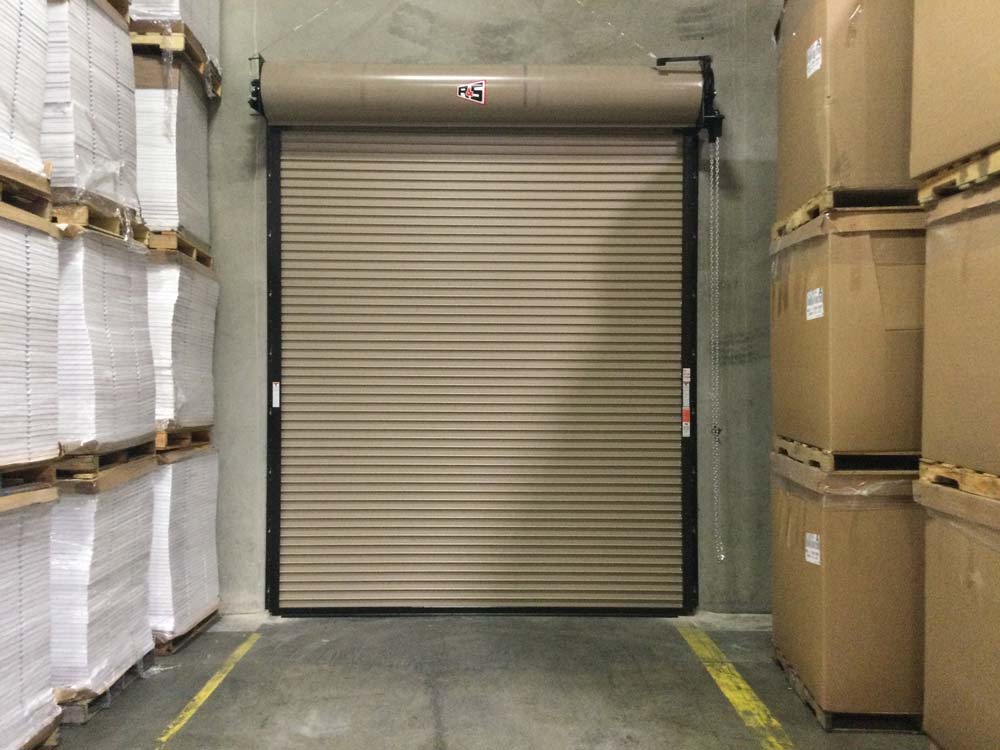
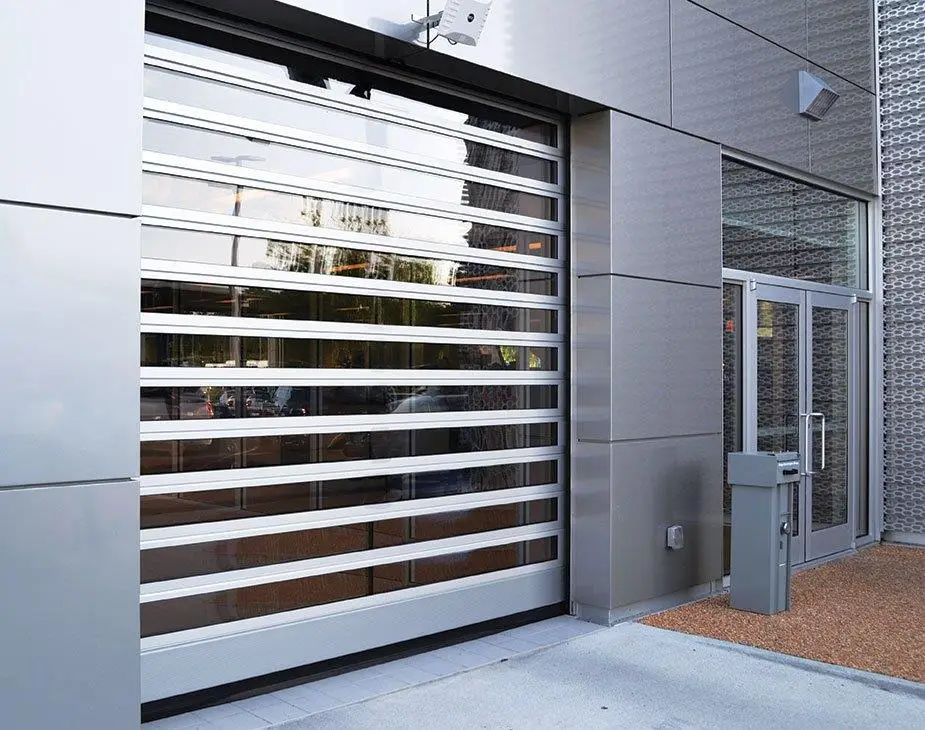
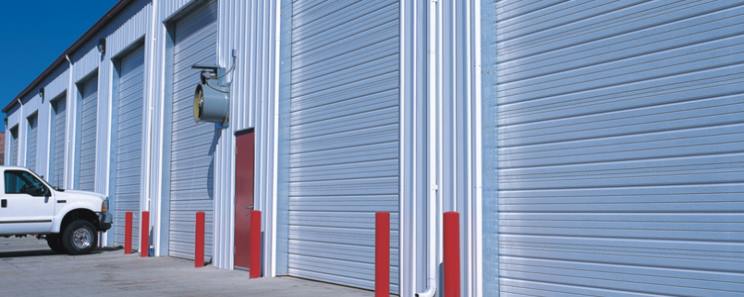
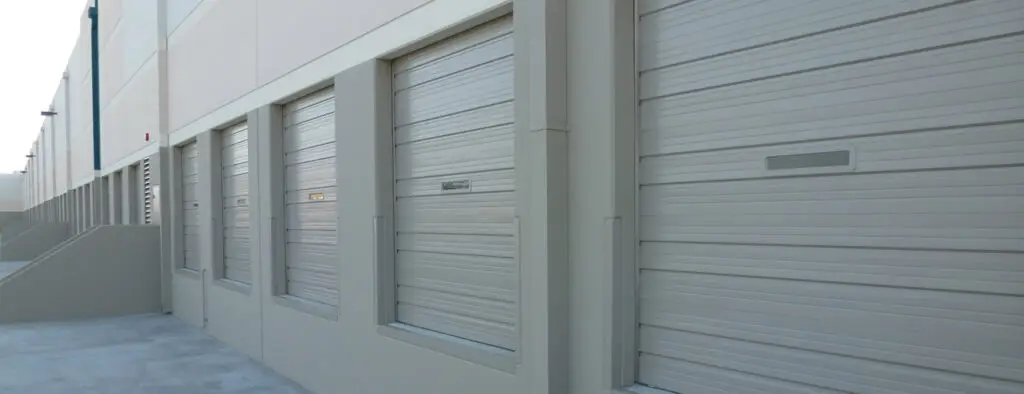
Roll-up or coiling garage doors are made up of a series of narrow, horizontal slats that roll up into a compact coil above the garage opening when opened. This design allows roll-up doors to save a significant amount of overhead space compared to sectional doors. Roll-up doors are commonly made of steel or aluminum, and some models offer insulation for improved energy efficiency.
The compact, space-saving nature of roll-up doors makes them a practical choice for garages with limited headroom. They’re also a good option for garages that need to accommodate tall vehicles, as the roll-up design doesn’t intrude into the garage space. On the downside, roll-up doors can be more complex to operate and maintain than other garage door types.
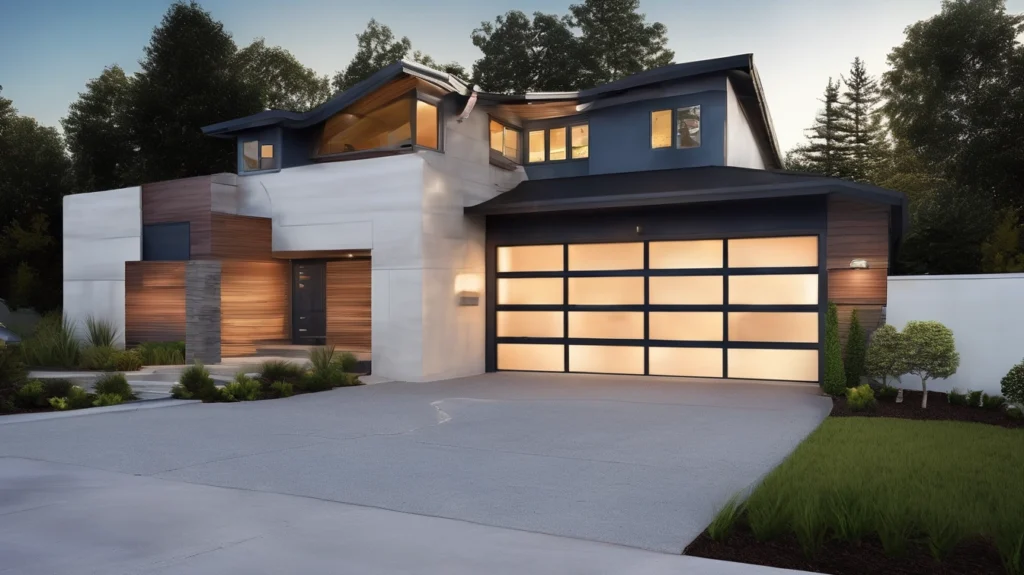
With so many options available, it’s important to carefully consider your needs, budget, and the architectural style of your home when selecting a new garage door. Whether you choose a classic sectional, a charming carriage house, or a space-saving roll-up design, the right garage door can enhance your home’s curb appeal and provide years of reliable, convenient access.

Insulation is a critical factor to consider when selecting a garage door, especially for homeowners looking to improve energy efficiency. Insulated garage doors help maintain a stable temperature inside the garage, reducing heating and cooling costs. They are particularly beneficial in regions with extreme weather conditions, as they can help prevent heat loss in winter and keep the garage cooler in summer.
There are various types of insulation used in garage doors, including polystyrene and polyurethane. Polystyrene is a rigid foam board that provides good insulation, while polyurethane offers superior thermal resistance due to its higher density. Homeowners should evaluate their specific climate and energy needs when deciding on the level of insulation suitable for their garage door.
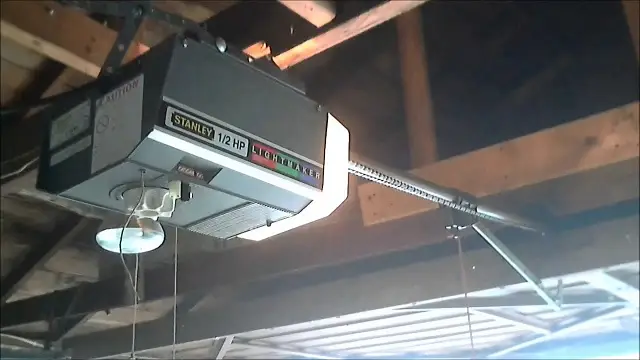
The garage door opener is an essential component that adds convenience and security to your garage. When selecting a garage door opener, homeowners should consider factors such as the type of drive system (chain, belt, or screw), horsepower, and additional features like smart technology compatibility. Each type of drive system has its pros and cons; for instance, belt drive openers are quieter, making them ideal for homes with living spaces adjacent to the garage.
Modern garage door openers often come equipped with smart technology that allows users to control their garage door remotely via smartphone apps. Features such as automatic closing, security alerts, and integration with home automation systems provide added convenience and peace of mind. Homeowners should assess their lifestyle and preferences to choose an opener that best fits their needs.
Security is a primary concern for homeowners when it comes to garage doors. Many modern garage doors come equipped with advanced security features to help protect against unauthorized access. These features may include rolling code technology, which changes the access code every time the remote is used, and smart locks that can be controlled remotely.

Additionally, homeowners should consider reinforcing their garage door with security measures such as deadbolts, security cameras, and motion-sensor lights. Installing a security system that integrates with the garage door opener can provide an extra layer of protection, ensuring that your garage remains secure at all times.
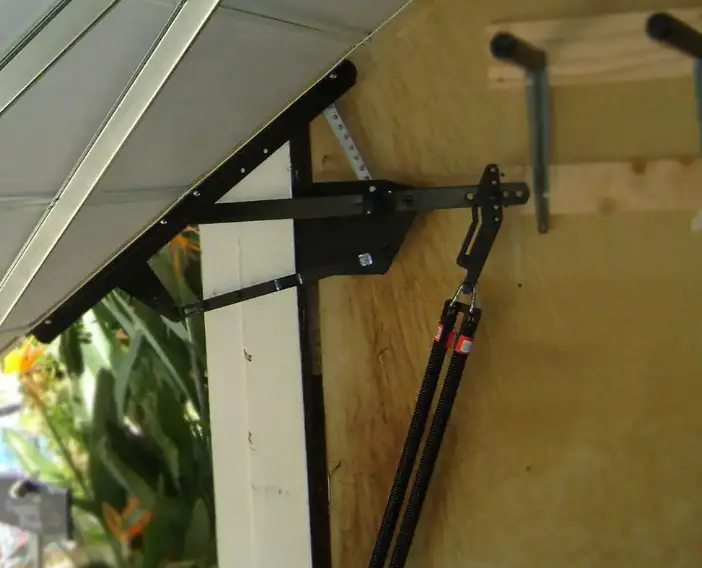
Regular maintenance is crucial for ensuring the longevity and optimal performance of your garage door. Homeowners should perform routine checks on the door’s components, including the springs, tracks, and rollers, to identify any signs of wear and tear. Simple tasks such as lubricating moving parts and tightening loose hardware can significantly extend the lifespan of the garage door.
In addition to routine inspections, homeowners should schedule professional maintenance at least once a year. A trained technician can identify potential issues before they escalate into costly repairs, ensuring that your garage door operates smoothly and safely. Keeping a maintenance log can also help track service history and remind homeowners of upcoming maintenance needs.
Insulation is a critical factor to consider when selecting a garage door, especially for homeowners looking to improve energy efficiency. Insulated garage doors help maintain a stable temperature inside the garage, reducing heating and cooling costs. They are particularly beneficial in regions with extreme weather conditions, as they can help prevent heat loss in winter and keep the garage cooler in summer.
There are various types of insulation used in garage doors, including polystyrene and polyurethane. Polystyrene is a rigid foam board that provides good insulation, while polyurethane offers superior thermal resistance due to its higher density. Homeowners should evaluate their specific climate and energy needs when deciding on the level of insulation suitable for their garage door.
The garage door opener is an essential component that adds convenience and security to your garage. When selecting a garage door opener, homeowners should consider factors such as the type of drive system (chain, belt, or screw), horsepower, and additional features like smart technology compatibility. Each type of drive system has its pros and cons; for instance, belt drive openers are quieter, making them ideal for homes with living spaces adjacent to the garage.
Modern garage door openers often come equipped with smart technology that allows users to control their garage door remotely via smartphone apps. Features such as automatic closing, security alerts, and integration with home automation systems provide added convenience and peace of mind. Homeowners should assess their lifestyle and preferences to choose an opener that best fits their needs.
Security is a primary concern for homeowners when it comes to garage doors. Many modern garage doors come equipped with advanced security features to help protect against unauthorized access. These features may include rolling code technology, which changes the access code every time the remote is used, and smart locks that can be controlled remotely.
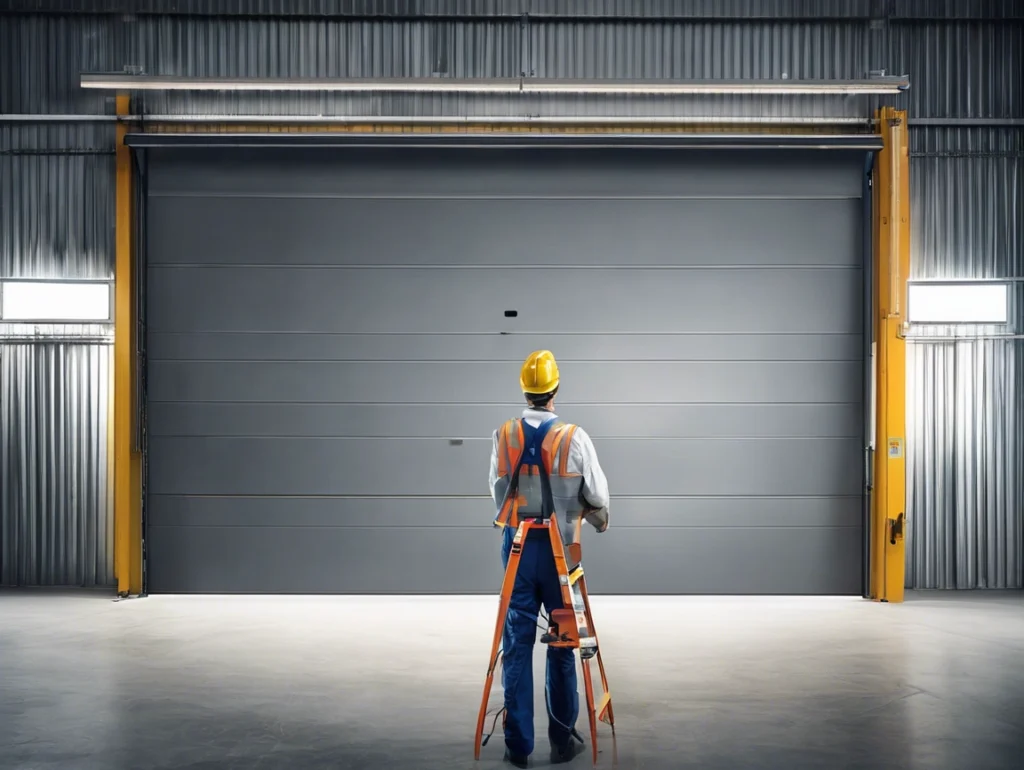
Additionally, homeowners should consider reinforcing their garage door with security measures such as deadbolts, security cameras, and motion-sensor lights. Installing a security system that integrates with the garage door opener can provide an extra layer of protection, ensuring that your garage remains secure at all times.

Regular maintenance is crucial for ensuring the longevity and optimal performance of your garage door. Homeowners should perform routine checks on the door’s components, including the springs, tracks, and rollers, to identify any signs of wear and tear. Simple tasks such as lubricating moving parts and tightening loose hardware can significantly extend the lifespan of the garage door.
In addition to routine inspections, homeowners should schedule professional maintenance at least once a year. A trained technician can identify potential issues before they escalate into costly repairs, ensuring that your garage door operates smoothly and safely. Keeping a maintenance log can also help track service history and remind homeowners of upcoming maintenance needs.