Is It Time to Replace Your Garage Door? 5 Signs It’s Time for a New One
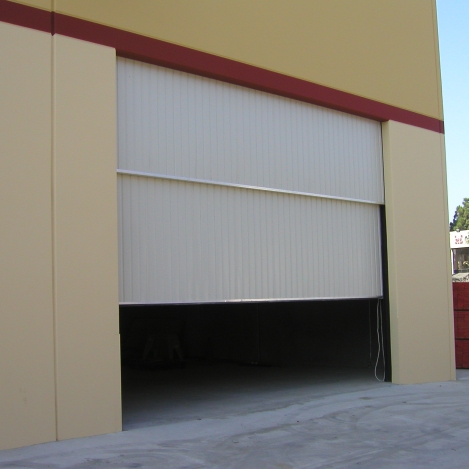
Your garage door is one of the most important and frequently used features of your home, but it’s also one that’s easy to take for granted. As long as it’s opening and closing properly, many homeowners don’t give their garage door a second thought. However, there are some clear signs that indicate when it’s time to start thinking about replacing your garage door.
From safety and security concerns to aesthetic issues, there are several reasons you may need to invest in a new garage door for your home. Here are 5 of the top signs that it’s time to start shopping for a replacement:
1. Your Garage Door is Getting Noisy
One of the first signs that your garage door is nearing the end of its lifespan is if it starts making unusual noises when opening and closing. Grinding, squeaking, or rattling sounds are all indicators that the various moving parts of your garage door system are starting to wear out.
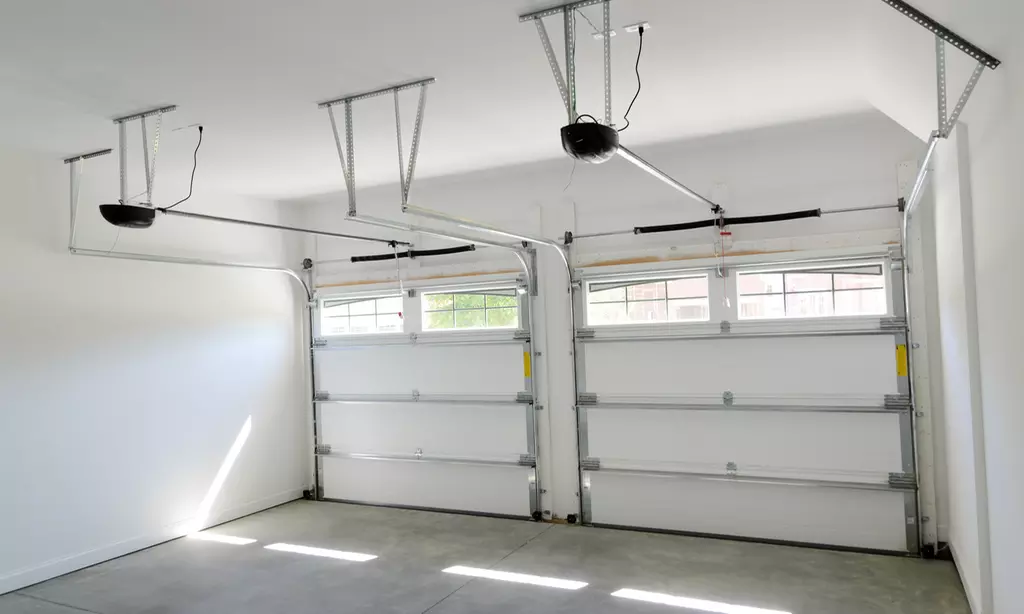
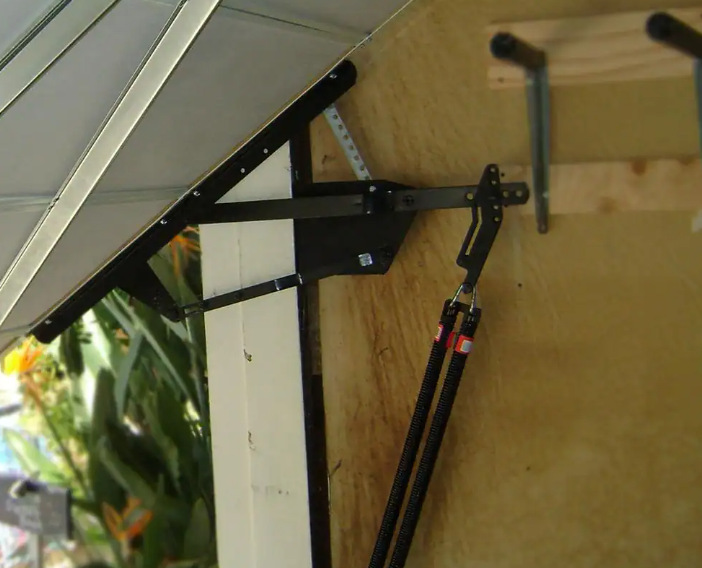
These noises are often caused by issues with the rollers, springs, or other hardware components that allow your garage door to smoothly glide up and down. Over time, these parts can become worn down, causing increased friction and resulting in those annoying sounds.
While you may be able to temporarily silence the noise with some lubrication or minor repairs, persistent issues are usually a sign that more significant problems are on the horizon. Replacing the entire garage door system is often the best long-term solution.
2. Your Garage Door is Slow or Unresponsive
In addition to strange noises, another red flag that it’s time for a new garage door is if it’s becoming slow, sluggish, or unresponsive when you try to open or close it. This could be the result of a number of underlying problems, such as:
– Broken or weakened springs
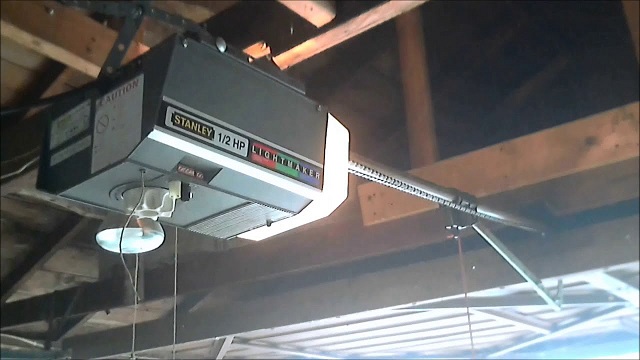
– Issues with the motor or opener
– Problems with the rollers or track
If your garage door is taking longer than usual to respond to the remote or wall switch, or if it’s not opening and closing all the way, these are clear signs of a system that’s in decline. Trying to force an unresponsive garage door open or closed can also be dangerous, potentially leading to further damage or even personal injury.
3. Your Garage Door is Visually Unappealing
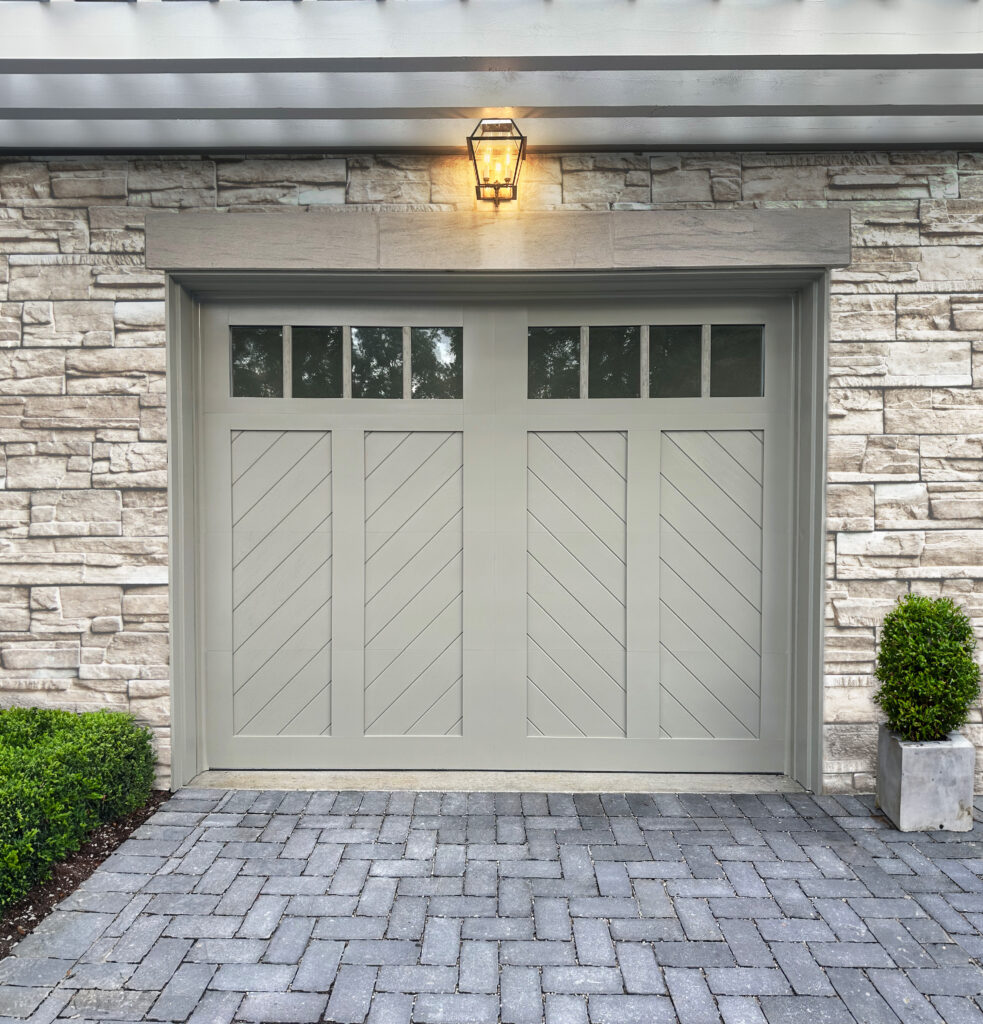
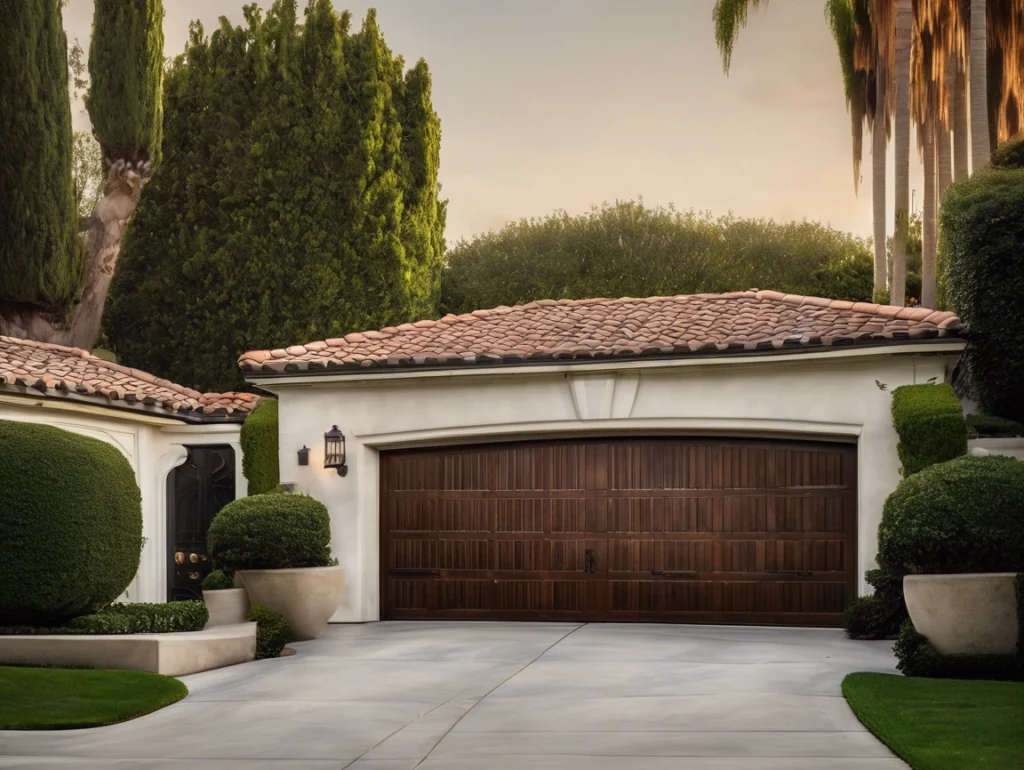
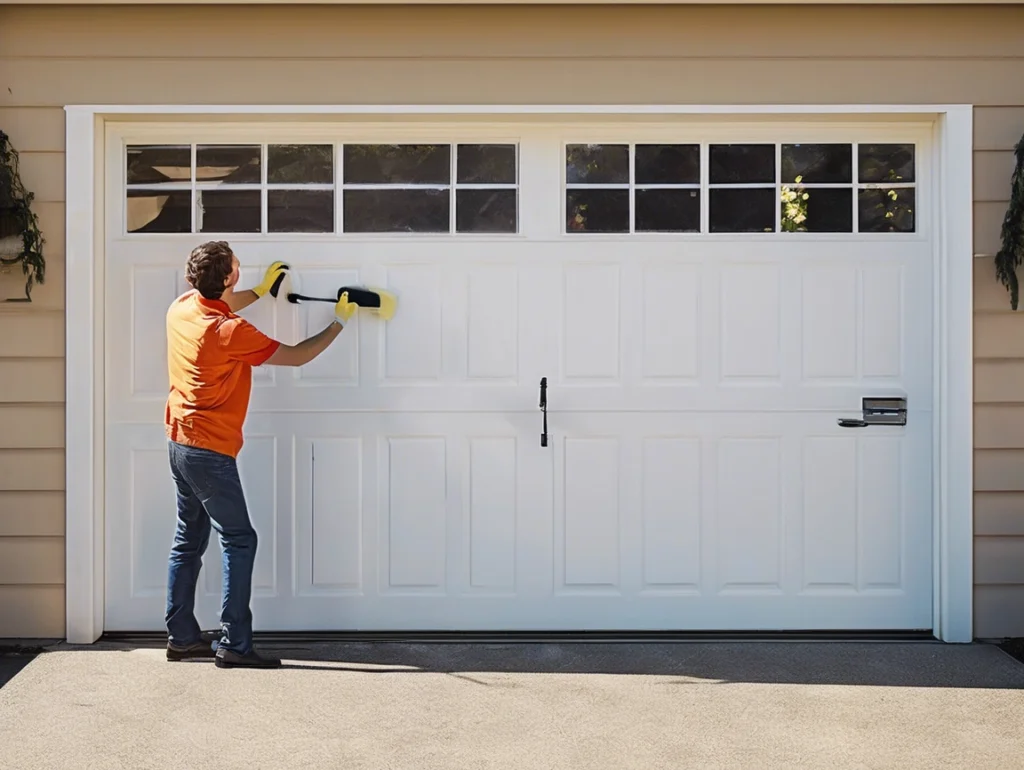
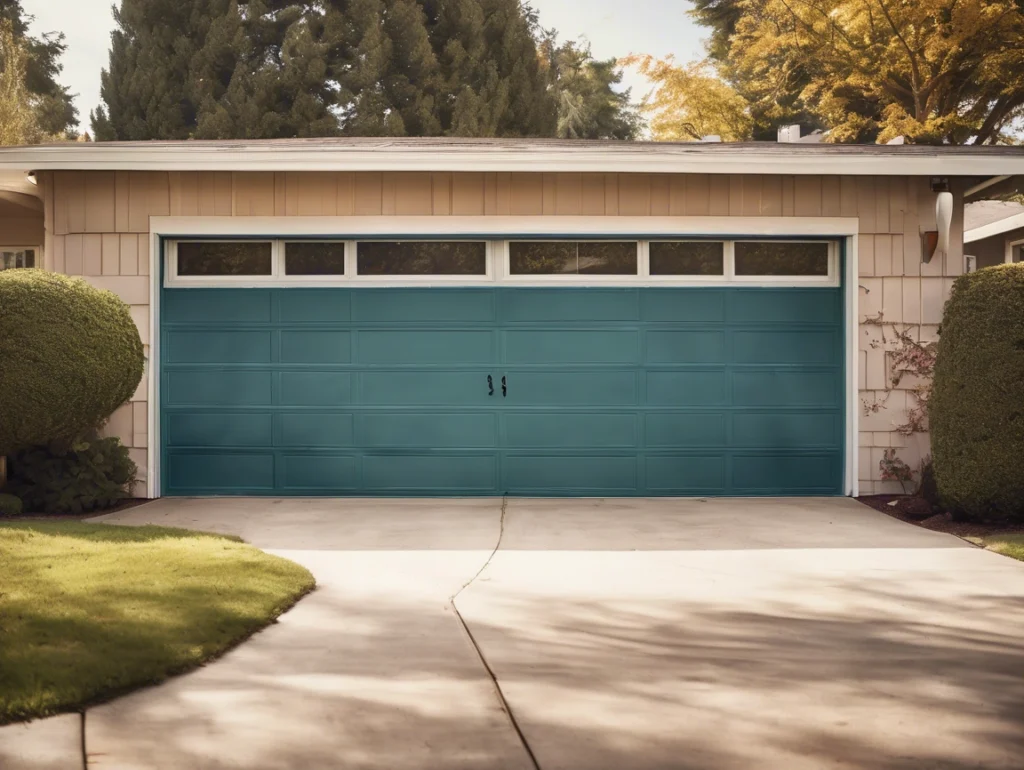
While the functional performance of your garage door is the most important consideration, the visual appearance is also a factor to keep in mind. Over time, even the most attractive garage door can start to look worn, faded, or damaged.
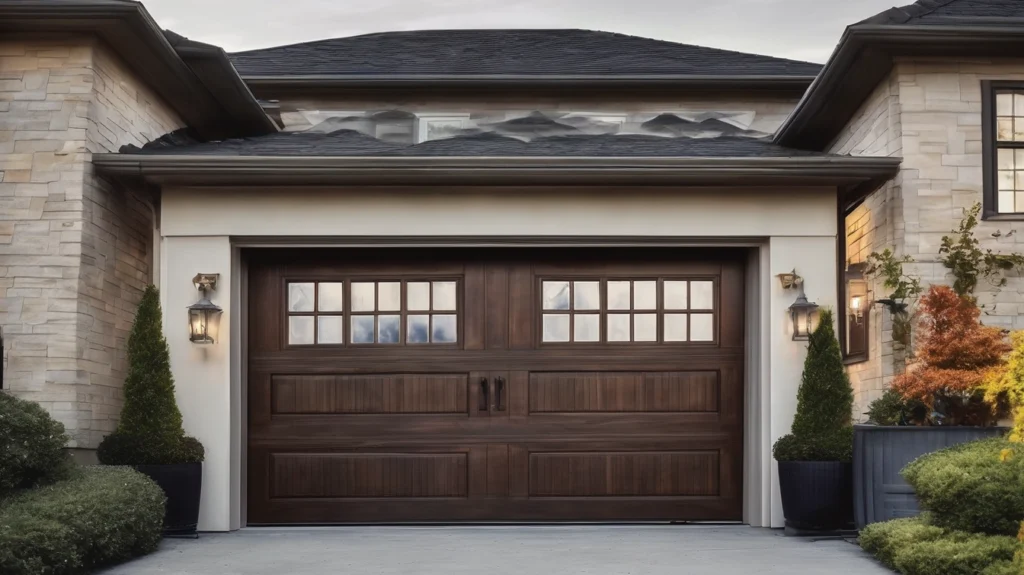
Cracks, dents, peeling paint, and other cosmetic issues can make your entire home look unkempt and outdated. If your garage door is an eyesore, it may be time for a replacement – not just for the sake of your home’s curb appeal, but also to protect the door from further deterioration.
4. Your Garage Door is No Longer Secure
Garage doors play a crucial role in the overall security of your home. If your current door is old, damaged, or malfunctioning, it may no longer provide the level of protection you need. Outdated garage door openers, for example, can be vulnerable to hacking, putting your home at risk.
Older garage doors may also have weaker construction that makes them easier to force open, either manually or with tools. This poses a serious security risk that you’ll want to address by upgrading to a newer, more secure model.
5. Your Garage Door is Costing You Money
Finally, an aging or inefficient garage door can end up costing you money in the long run. Older doors often lack the insulation and weatherstripping of modern models, allowing air leaks that drive up your energy bills.
Additionally, the more repairs your garage door requires, the more you’ll have to spend to keep it functioning. At a certain point, the cost of maintaining an old door outweighs the benefits of simply replacing it with a newer, more efficient, and more reliable system.
The Bottom Line
Replacing your garage door is a significant investment, but it’s one that can pay dividends in terms of improved safety, security, energy efficiency, and home value. By keeping an eye out for these five key signs, you can determine the right time to start shopping for a replacement that will serve your home well for years to come.