The Cost Considerations of Residential Garage Doors
When it comes to home improvement projects, upgrading your home’s garage door is one that often gets overlooked. However, your garage door plays a significant role in the overall aesthetic and functionality of your home. Choosing the right garage door can enhance your home’s curb appeal, improve energy efficiency, and provide added security. But with so many options available, the cost of a new residential garage door can vary widely.
In this blog, we’ll explore the various factors that influence the cost of a residential garage door, helping you make an informed decision for your home.
Material Costs
One of the primary drivers of garage door pricing is the material used in its construction. The most common materials for residential garage doors include:
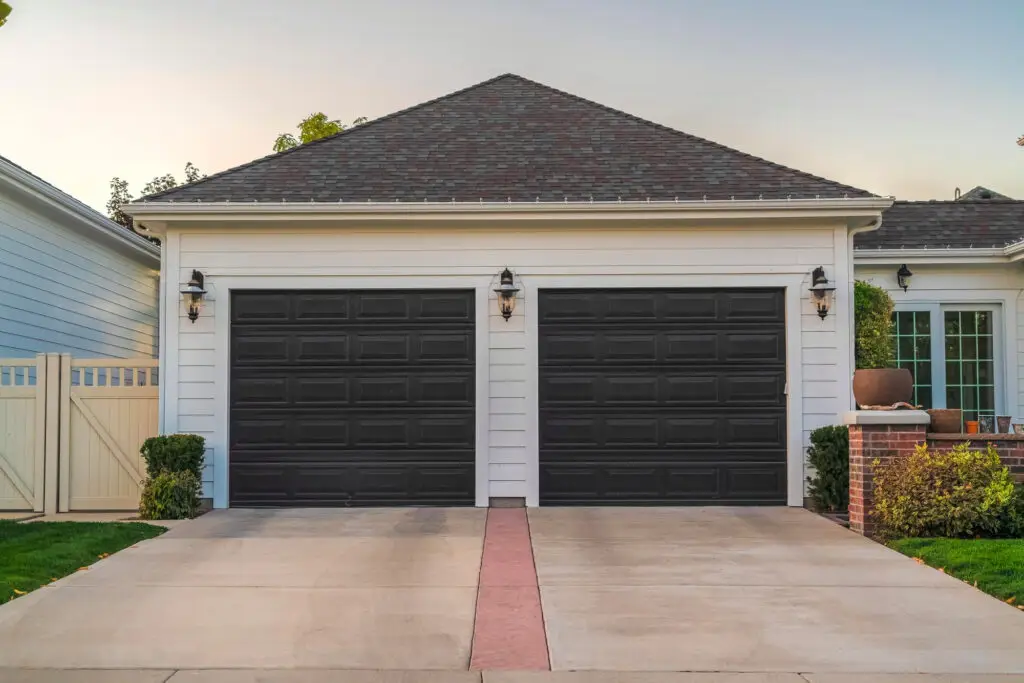
Steel: Steel garage doors are a popular choice due to their durability, low maintenance, and relatively affordable price point. Steel doors typically range from $600 to $2,000 for a single-car garage and $800 to $4,000 for a double-car garage.
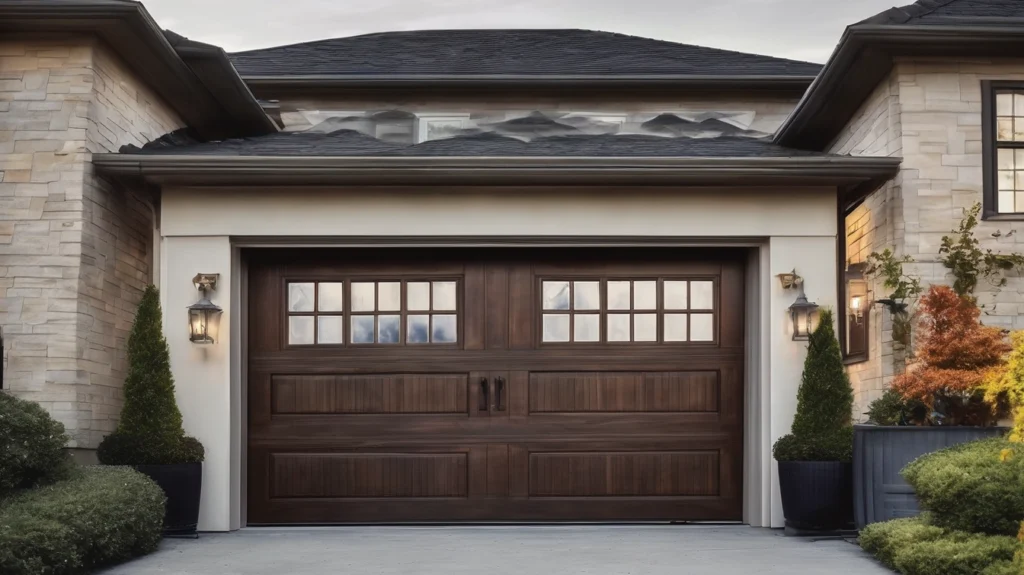
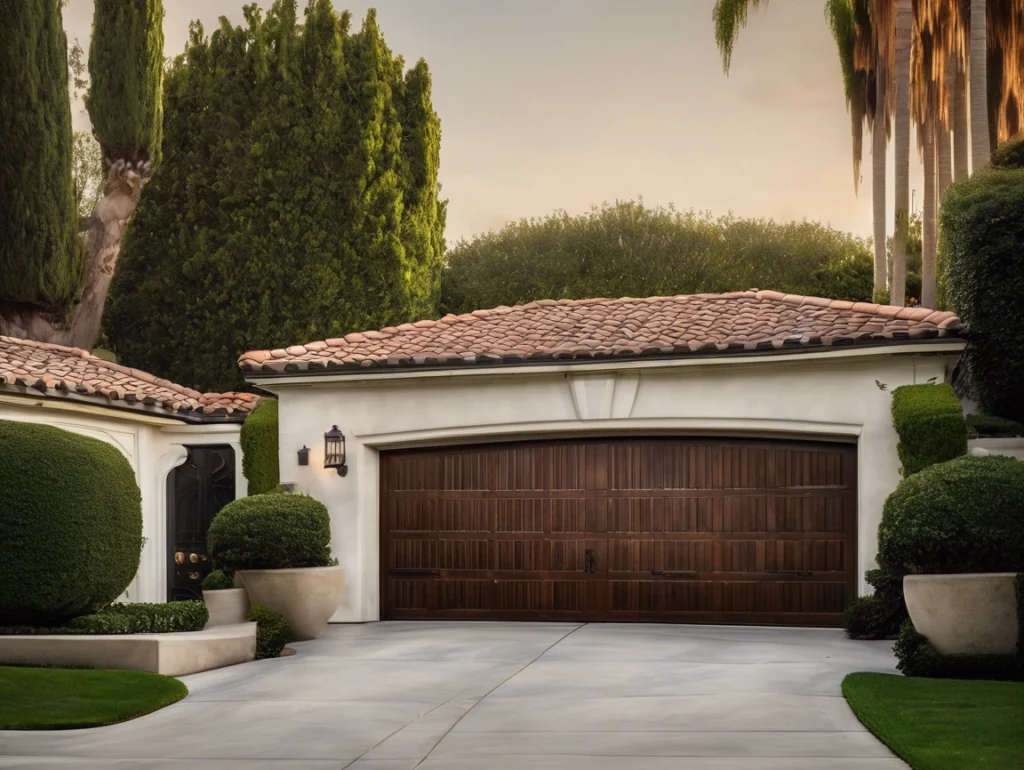
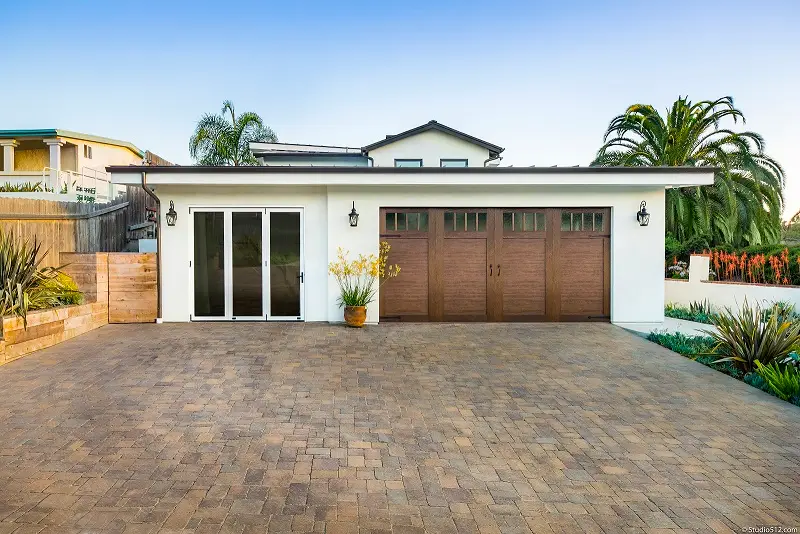
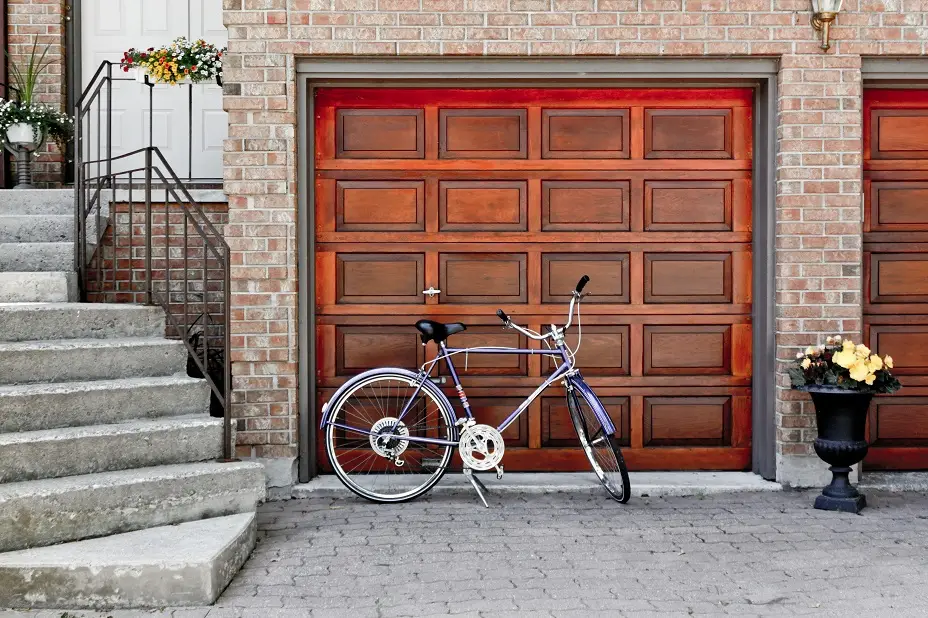
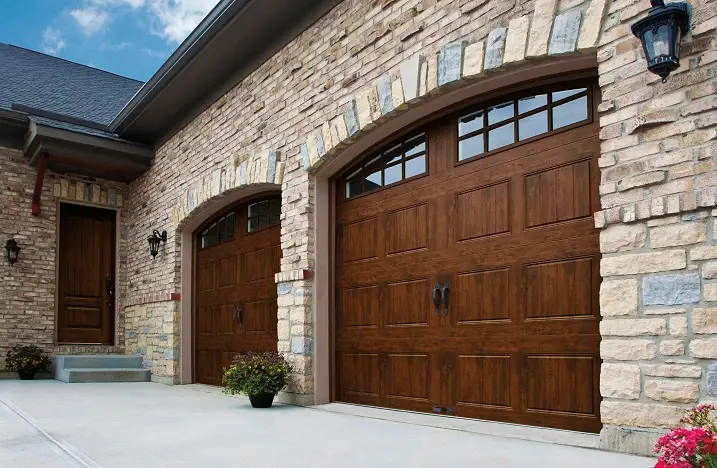
Wood: Wooden garage doors offer a classic, timeless aesthetic that can enhance the curb appeal of your home. However, they tend to be more expensive, with prices ranging from $1,000 to $10,000 or more, depending on the type of wood and level of customization.
Aluminum: Lightweight and corrosion-resistant, aluminum garage doors are a mid-range option, typically costing between $800 and $2,500.
Fiberglass: Fiberglass garage doors are a durable and low-maintenance choice, with prices generally falling between $1,000 and $3,000.
Insulation and Energy Efficiency:
The level of insulation in your garage door can also significantly impact the cost. Insulated garage doors, which help regulate the temperature in your garage and improve energy efficiency, typically cost more than non-insulated doors. Expect to pay an additional $200 to $500 for an insulated garage door.
Size and Style:
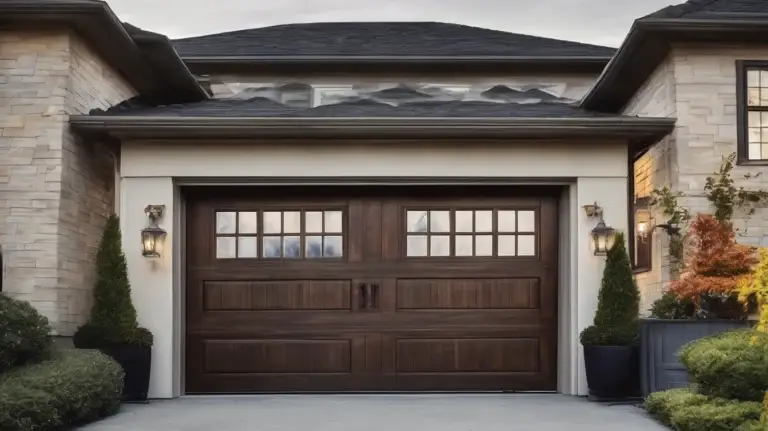
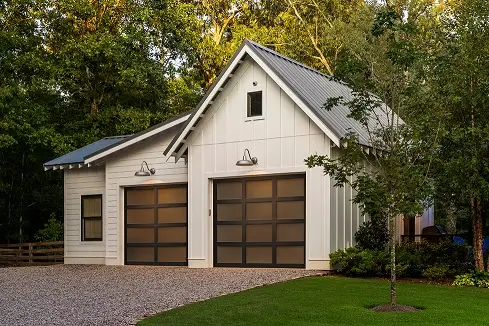
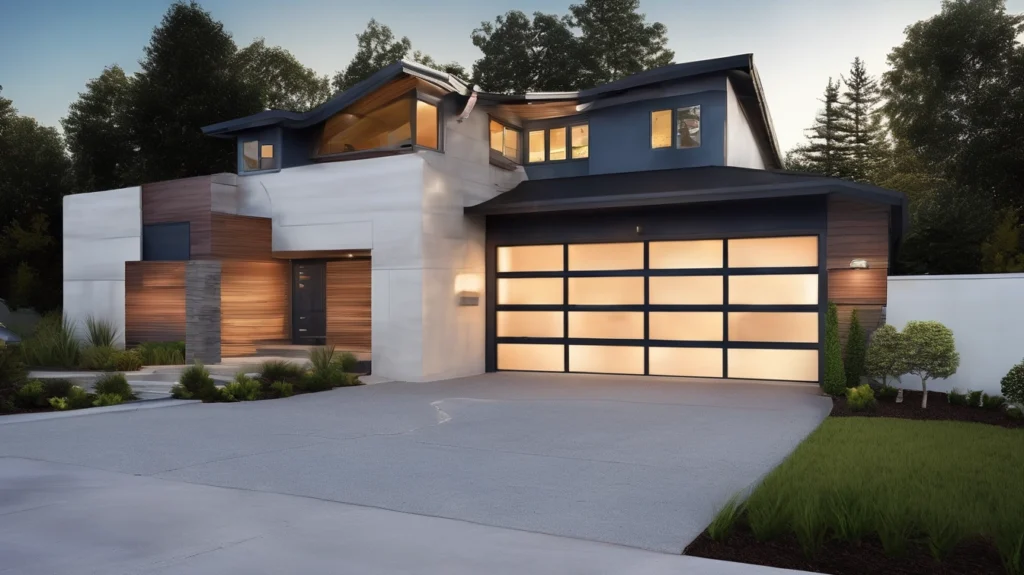
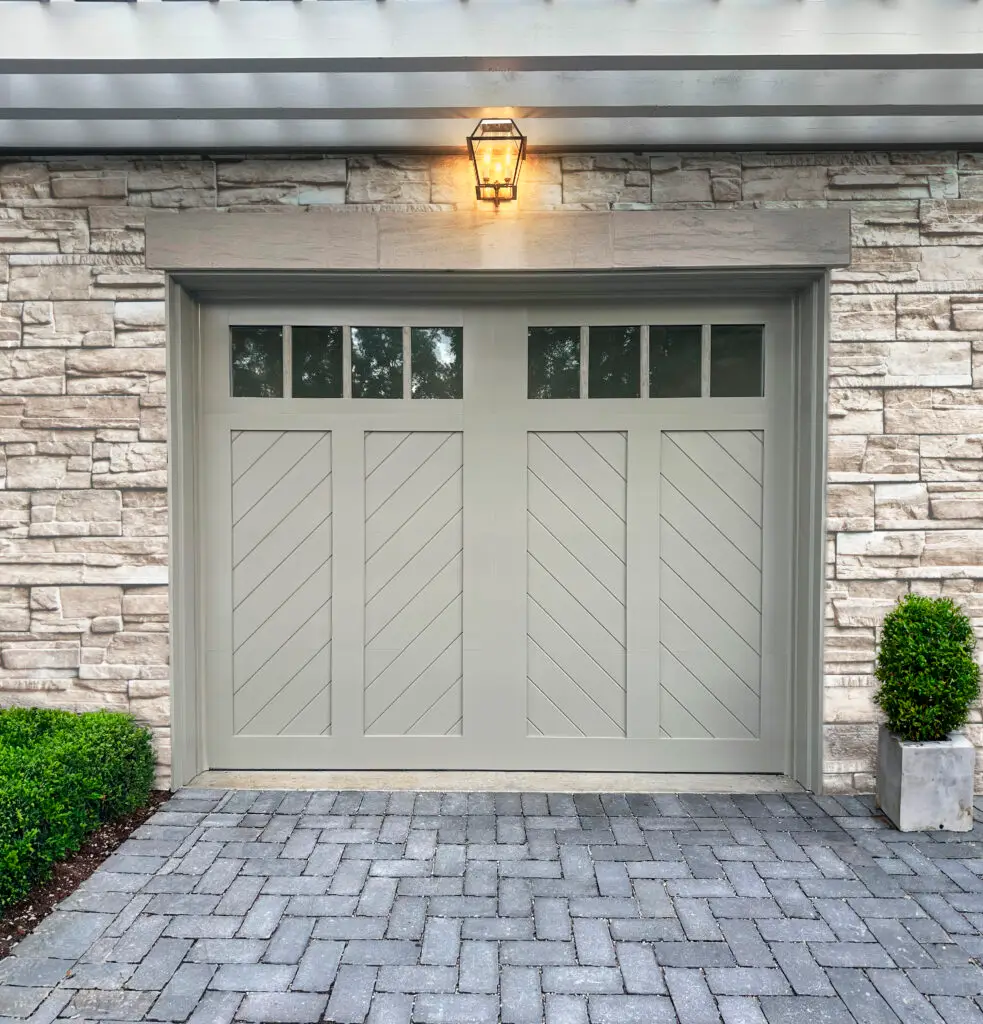
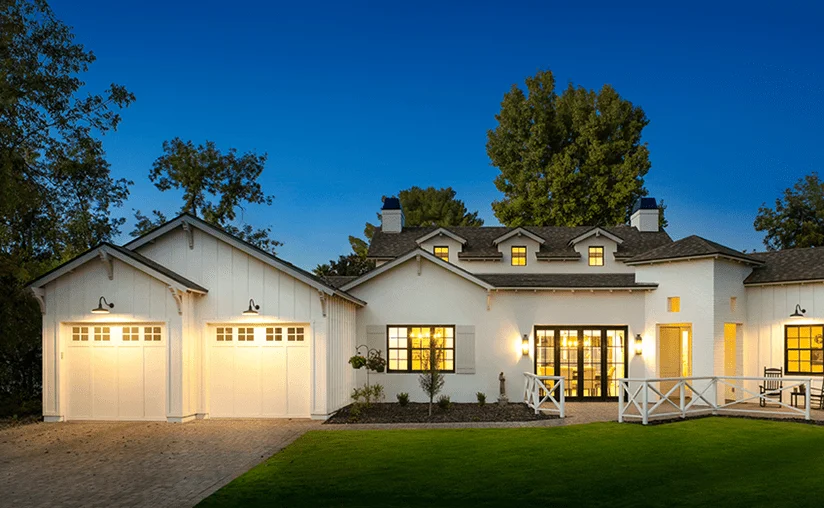
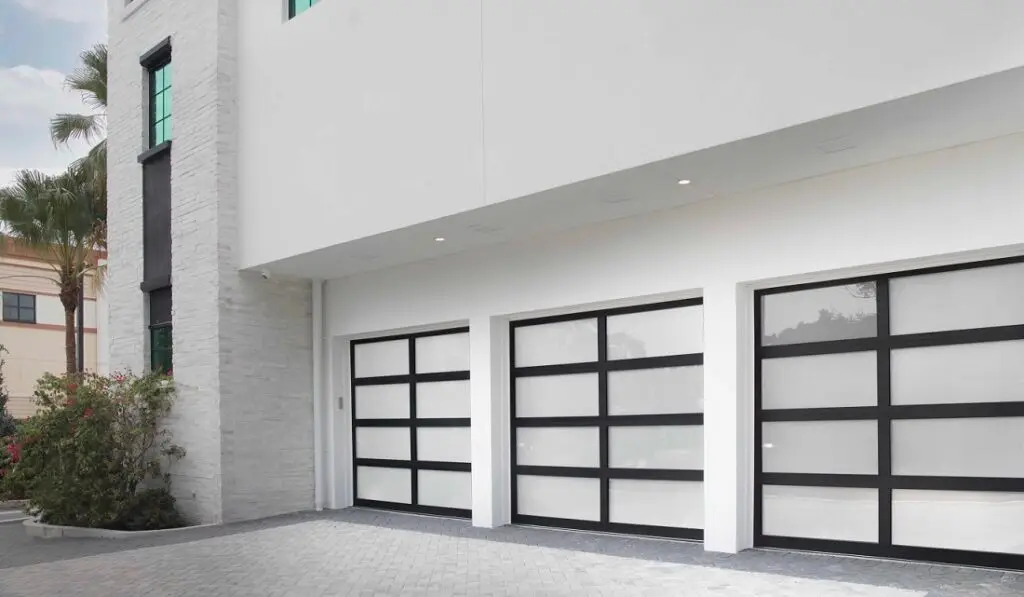
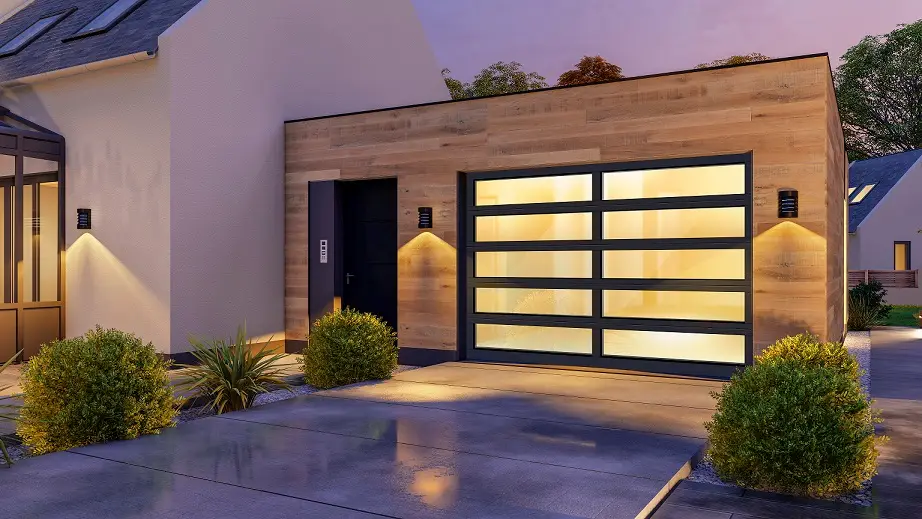
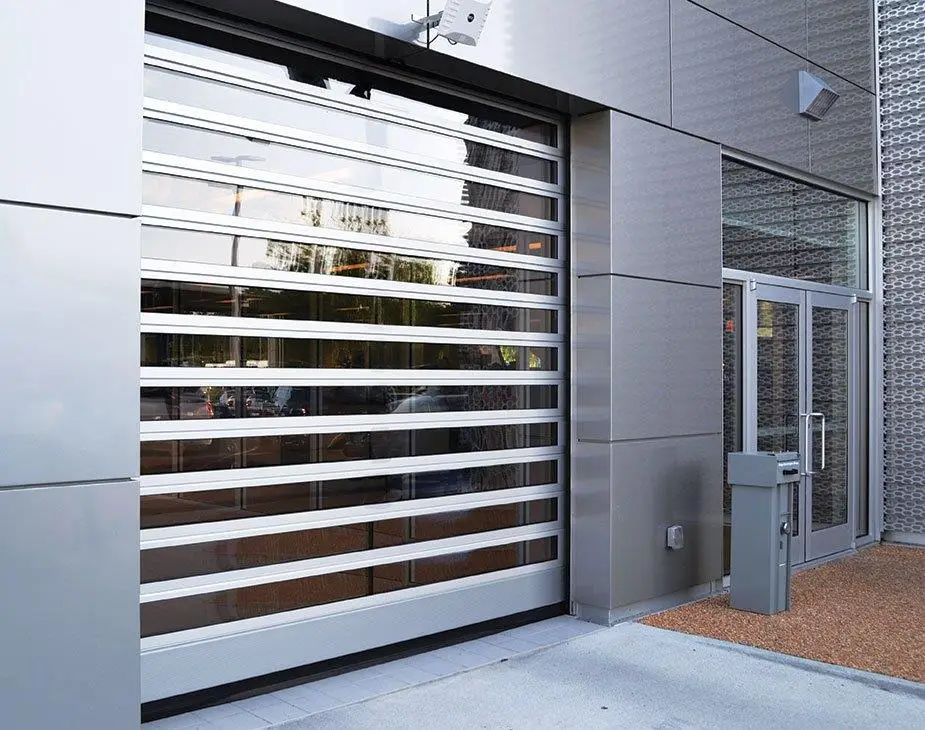
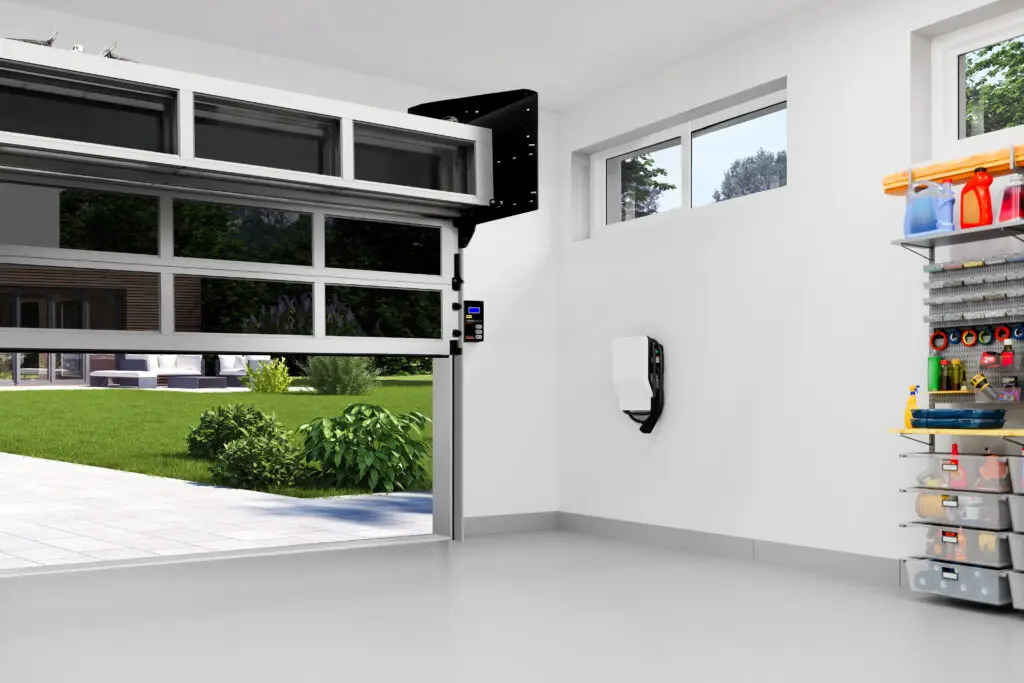
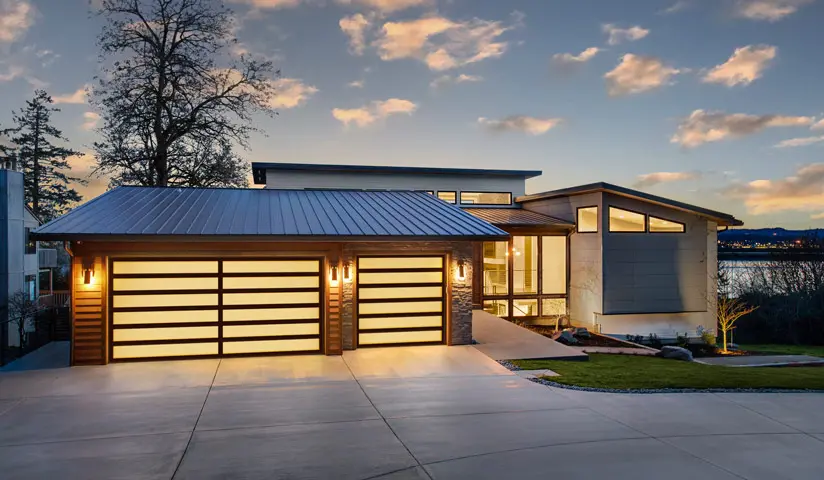
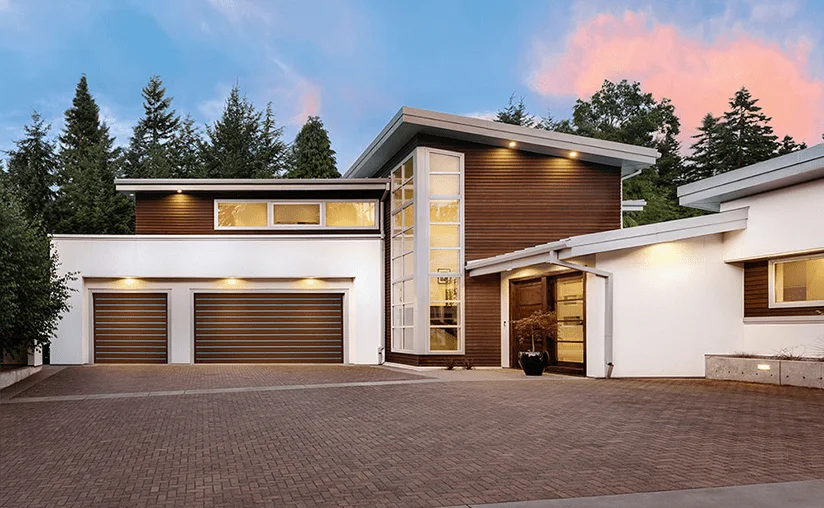
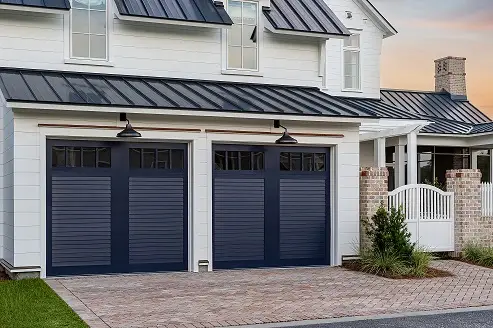
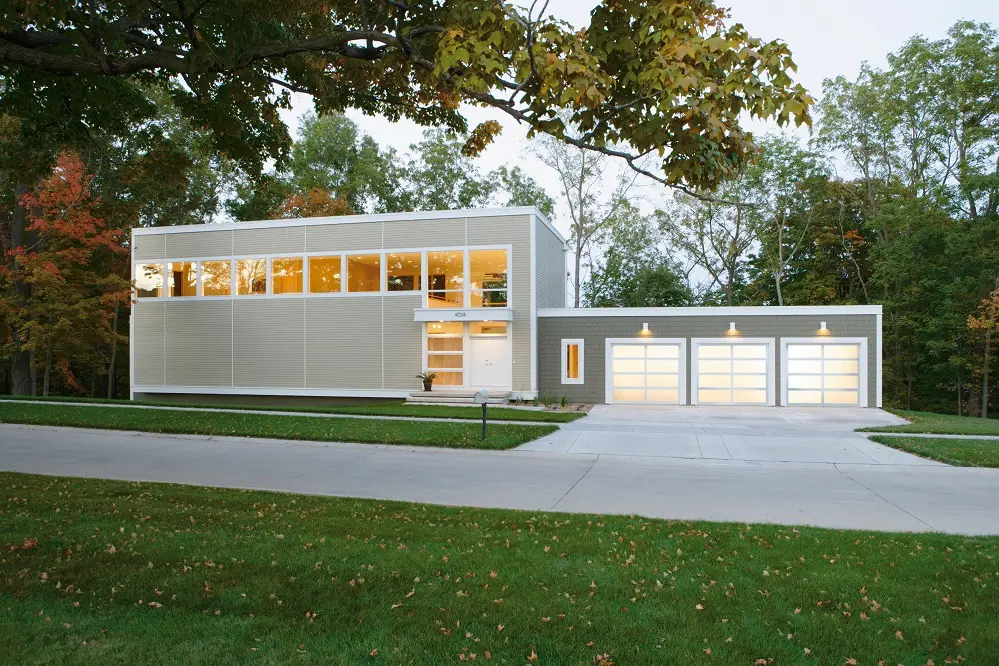
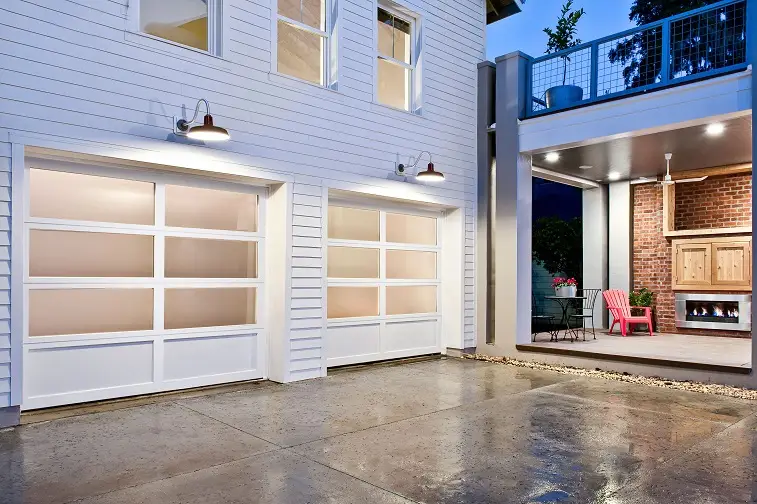
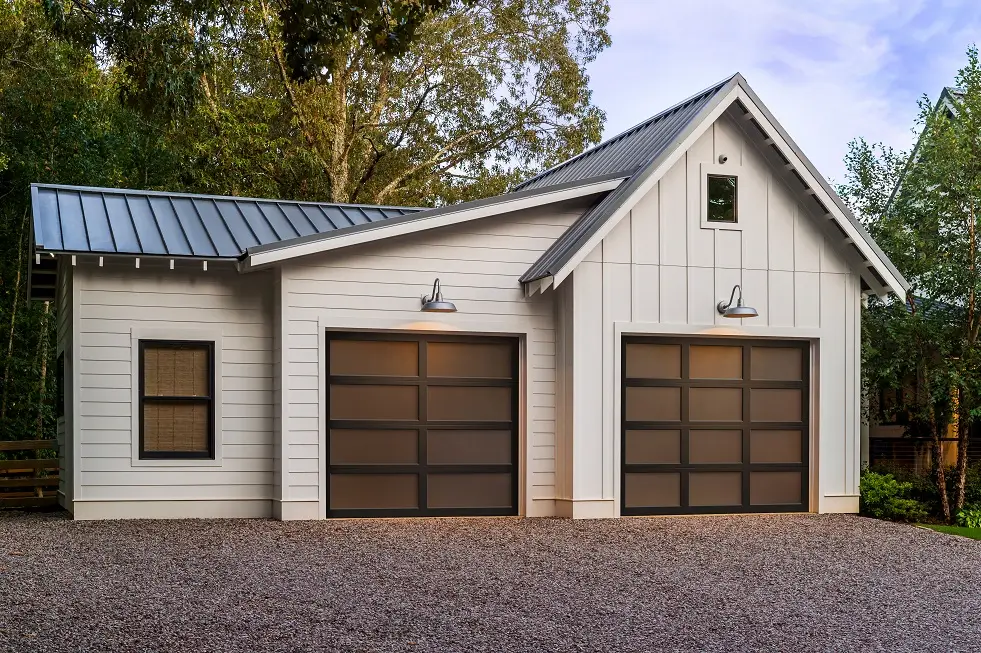
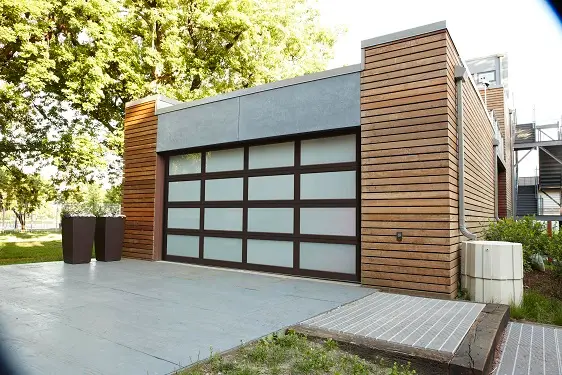
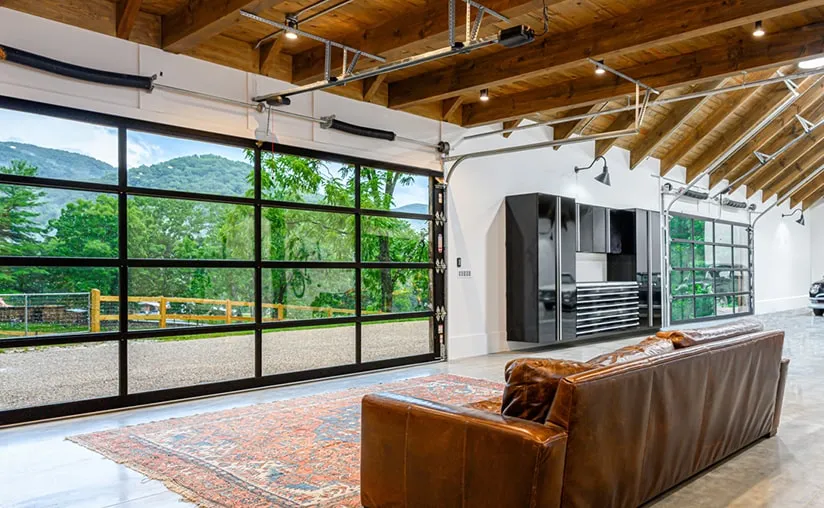
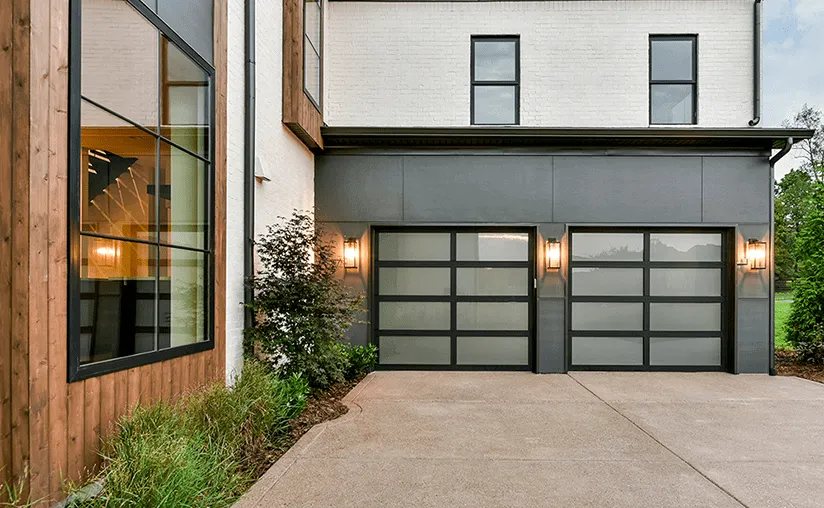
The size and style of your garage door will also play a role in the overall cost. Larger doors, such as those for a double-car garage, will naturally be more expensive than single-car garage doors. Additionally, custom or specialty designs, such as carriage-style or glass-paneled doors, can add hundreds or even thousands of dollars to the price tag.
Installation Costs:
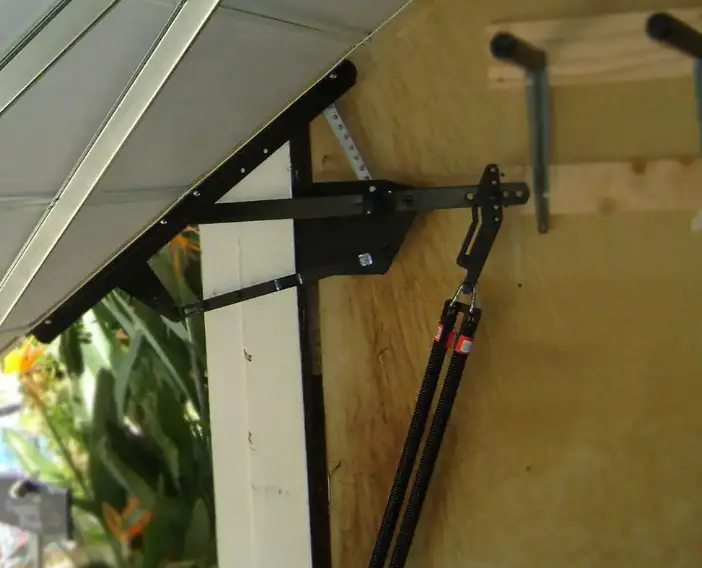
The cost of installation should also be factored into your budget. Hiring a professional installer can range from $200 to $500 or more, depending on the complexity of the job and your location. Some homeowners may choose to install the garage door themselves, which can save on labor costs but requires additional time and effort.
Accessories and Upgrades:
Beyond the basic door itself, there are various accessories and upgrades that can further impact the cost of your residential garage door project. These may include:
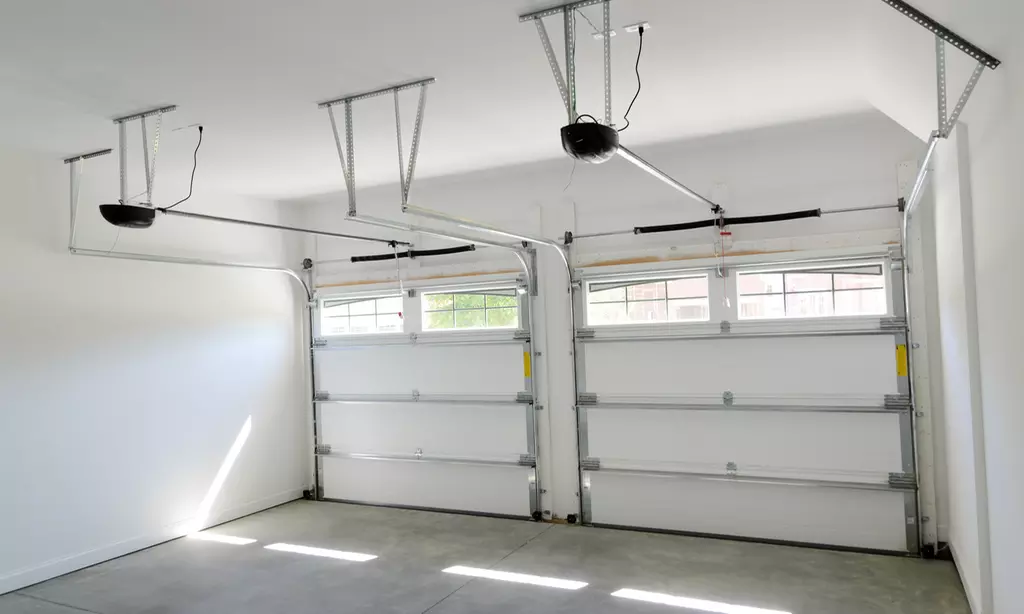
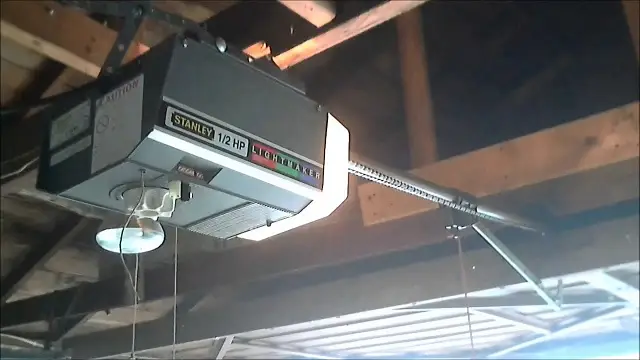
– Automatic openers ($150 to $500+)
– Remote controls ($30 to $80 per remote)
– Windows or decorative glass panels ($100 to $500+)
– Decorative hardware ($50 to $300+)
– Specialty finishes or colors ($100 to $500+)
When budgeting for your new garage door, it’s essential to consider all of these factors to ensure you make an informed decision that fits your needs and your budget.
In conclusion, the cost of a residential garage door can vary significantly, ranging from $600 to $10,000 or more, depending on the material, size, insulation, and any additional features or upgrades. By understanding the various cost considerations, you can make a well-informed decision that enhances the value and curb appeal of your home.