Glass store front doors have become a popular choice for businesses looking to create an inviting and modern entrance. These doors not only enhance the aesthetic appeal of a building but also offer a range of practical benefits. In this blog, we’ll explore the different types of glass store front doors and their unique features.
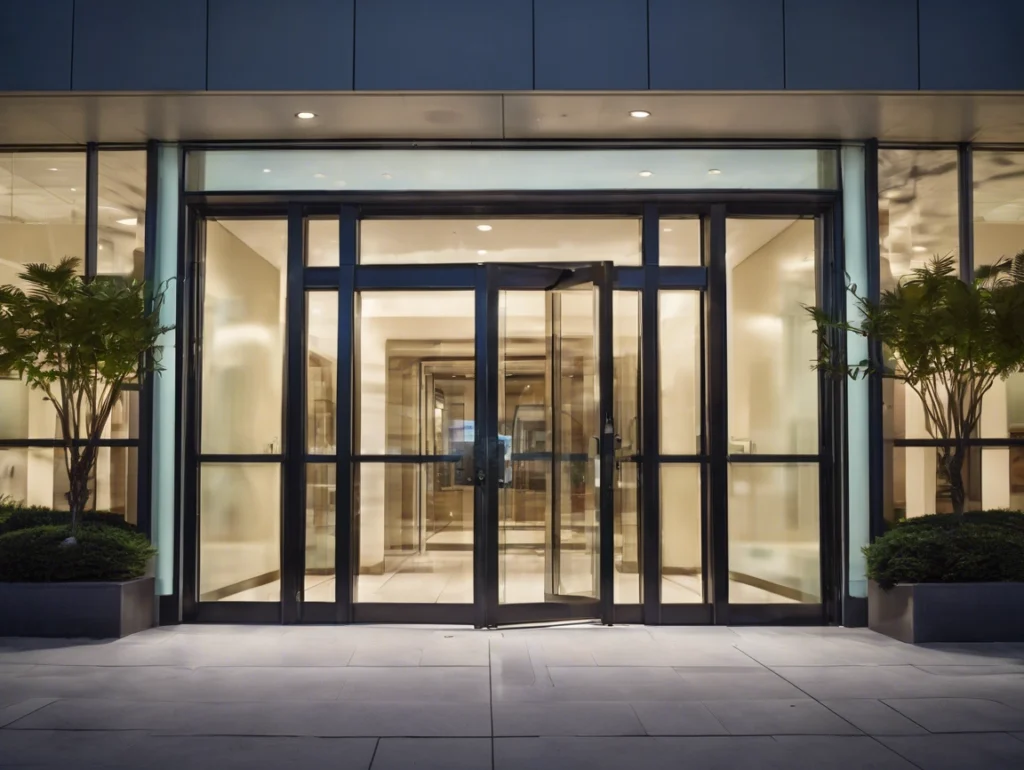
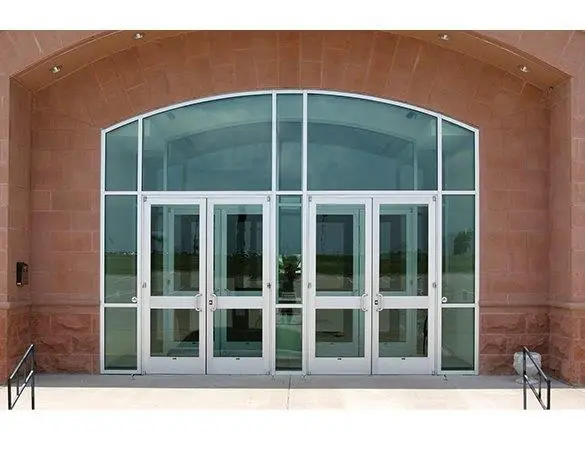
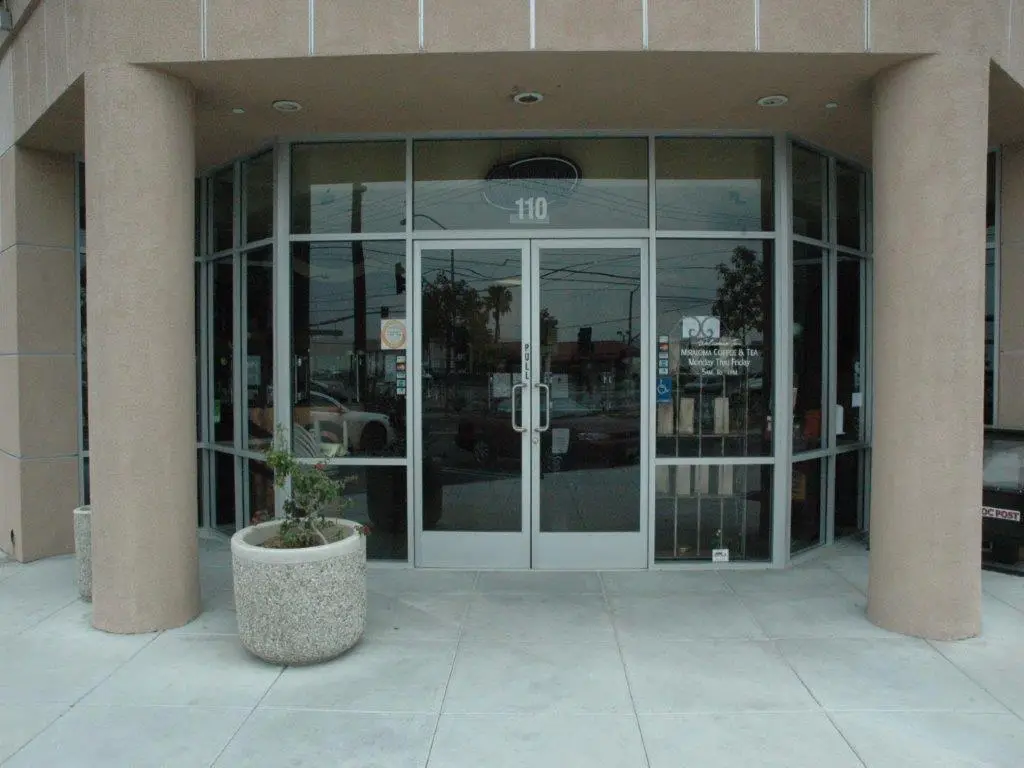
One of the most common types of glass store front doors is the standard swing door. These doors are hinged at the side and open inward or outward, depending on the layout of the store. Swing doors are a classic choice and can be made from a variety of glass types, including tempered, laminated, or insulated glass. They offer a simple and elegant design that can be customized to match the overall style of the building.
Another popular option is the sliding glass door. These doors glide smoothly along a track, making them an excellent choice for businesses with limited space. Sliding doors can be single or double-paned, and they often feature a sleek, minimalist design that allows for maximum visibility and natural light. Sliding glass doors are particularly well-suited for stores that want to create a seamless transition between the interior and exterior.
For businesses that want to make a bold statement, frameless glass doors can be a stunning choice. These doors are made from thick, tempered glass panels that are held together by discreet hardware, creating a clean, uninterrupted look. Frameless glass doors are often used in high-end retail stores, art galleries, and other establishments that want to showcase their products or artwork in a visually striking way.
In addition to the standard swing, sliding, and frameless options, there are also specialized glass store front doors designed for specific purposes. For example, revolving doors are a popular choice for buildings with high foot traffic, as they help to regulate the flow of people and maintain a comfortable indoor temperature. These doors feature a circular design that allows multiple people to enter and exit simultaneously, making them an efficient and practical solution.
Another specialized type of glass store front door is the automatic door. These doors are equipped with sensors that detect the presence of people and automatically open and close, providing a convenient and hands-free entry and exit. Automatic doors are often used in businesses that cater to the elderly or disabled, as they can make accessing the store much easier.
When it comes to the glass used in store front doors, there are several options to consider. Tempered glass is a popular choice, as it is highly durable and resistant to shattering. Laminated glass, on the other hand, is made by bonding two or more layers of glass together with a plastic interlayer, which helps to prevent the glass from breaking into sharp shards in the event of an impact. Insulated glass, which consists of two or more panes of glass with a sealed air or gas-filled space between them, can also be used to improve energy efficiency and reduce noise levels.
In conclusion, glass store front doors offer a wide range of options for businesses looking to create an inviting and modern entrance. From classic swing doors to sleek frameless designs, there is a glass door solution to suit every style and budget. By considering the unique features and benefits of each type of door, business owners can choose the perfect solution to enhance the overall look and functionality of their store.