Commercial Rolling Steel Door Issues: What You Need to Know
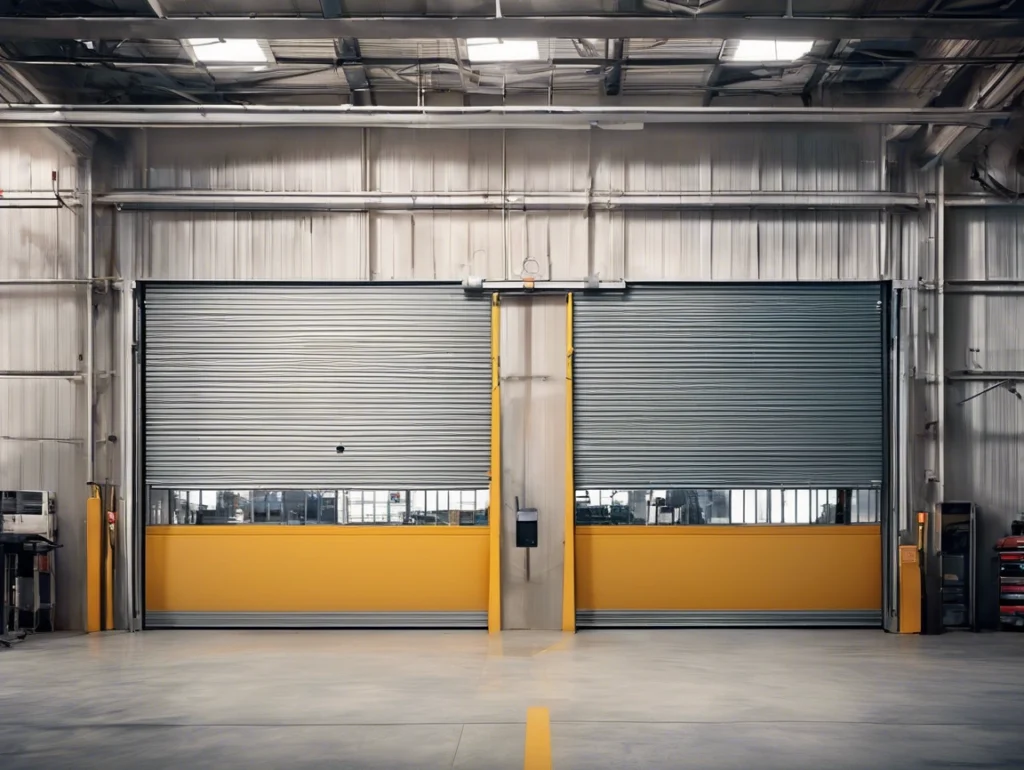
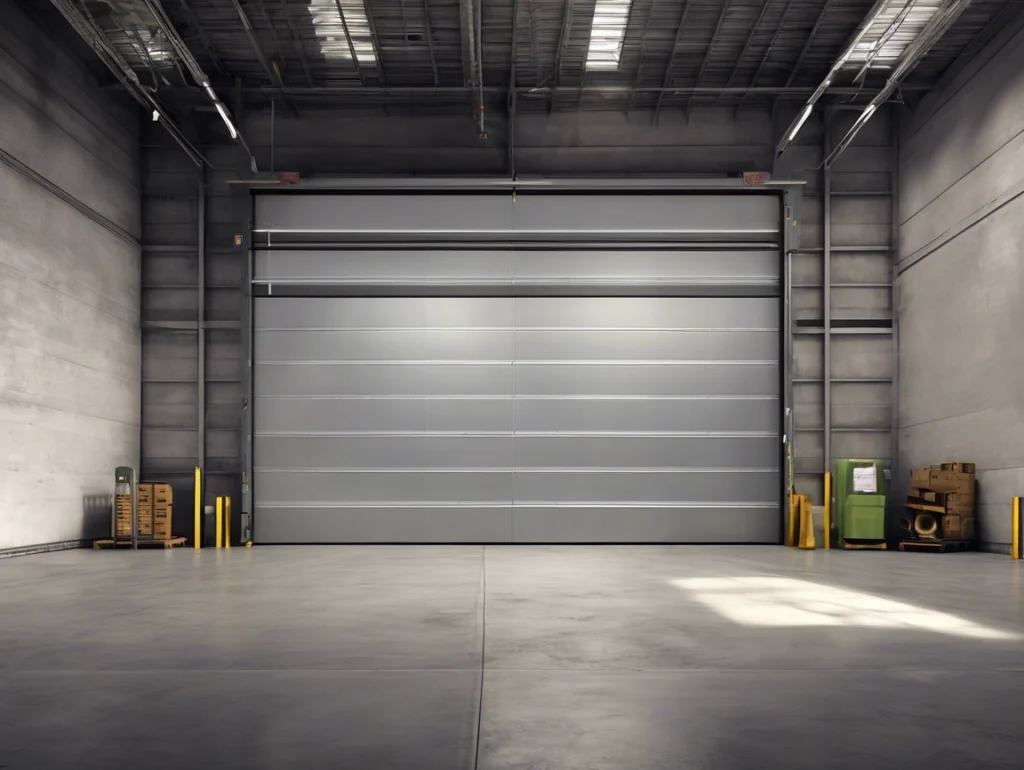
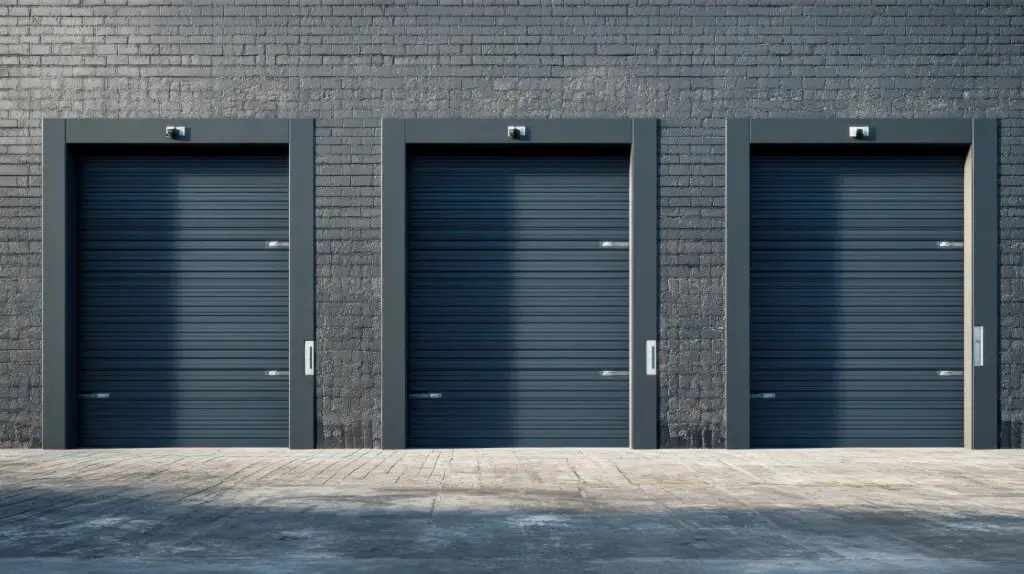
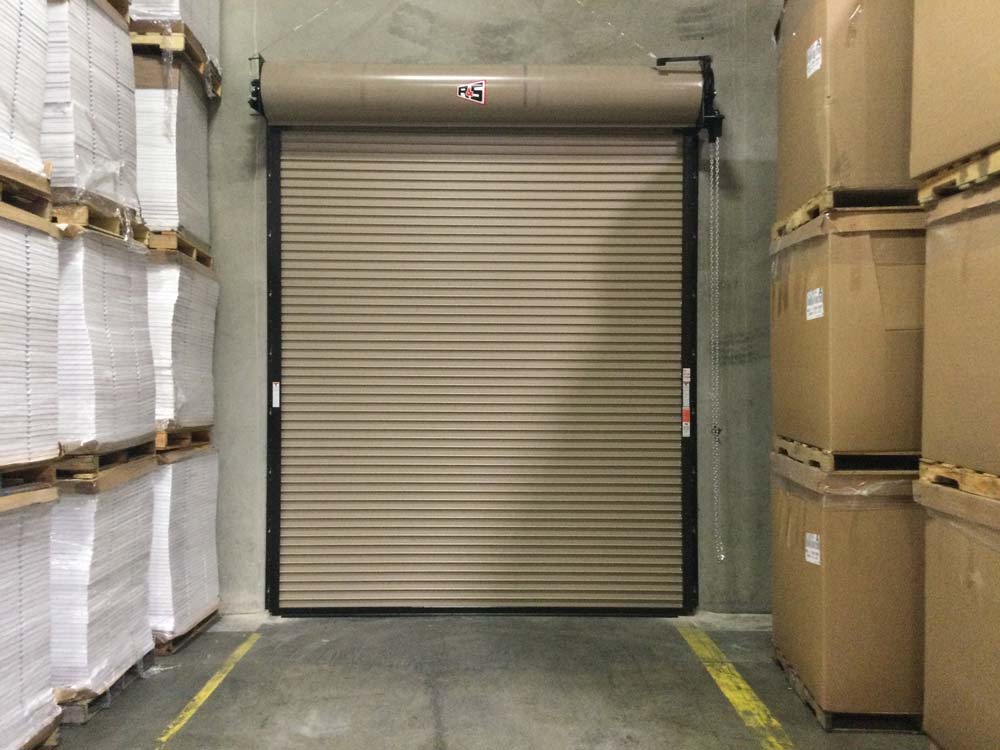
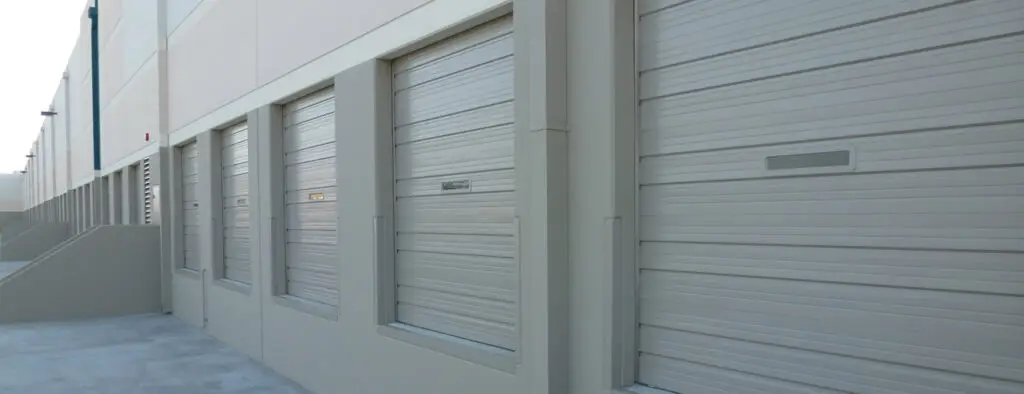
Commercial rolling steel doors are a popular choice for many businesses due to their durability, security, and ease of use. However, like any mechanical system, they can experience a variety of issues that can impact their performance and lifespan. In this blog post, we’ll explore some of the most common commercial rolling steel door issues and provide tips on how to address them.
Mechanical Failures
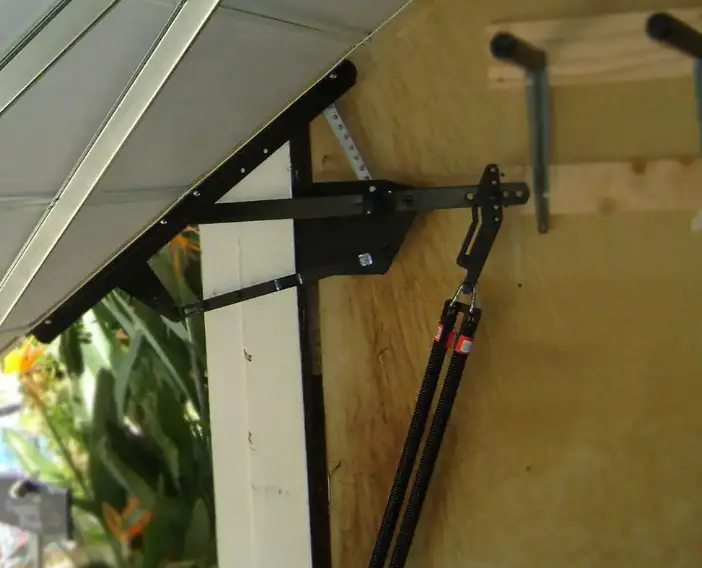
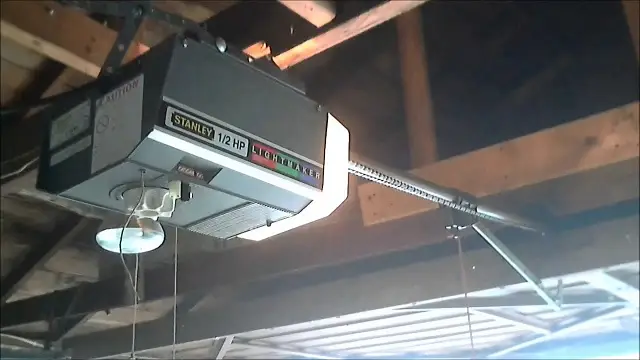
One of the most common issues with commercial rolling steel doors is mechanical failure. This can include problems with the door’s motor, springs, or other moving parts. Over time, these components can wear down or become damaged, leading to the door becoming stuck, slow to open and close, or even completely inoperable.
To prevent mechanical failures, it’s important to have your commercial rolling steel door regularly serviced by a professional. This typically involves inspecting the door’s components, lubricating moving parts, and replacing any worn or damaged parts. By staying on top of maintenance, you can help extend the life of your door and avoid costly repairs down the line.
Electrical Issues
In addition to mechanical failures, commercial rolling steel doors can also experience electrical issues. This can include problems with the door’s control panel, sensors, or wiring. Electrical issues can cause the door to malfunction, fail to respond to commands, or even pose a safety hazard.
To address electrical issues, it’s important to have a qualified electrician inspect and repair the door’s electrical components. This may involve troubleshooting the control panel, replacing faulty sensors, or repairing damaged wiring. Regular maintenance and inspections can also help identify and address electrical issues before they become more serious.
Damage and Wear
Commercial rolling steel doors are designed to withstand heavy use and exposure to the elements, but they can still be susceptible to damage and wear over time. This can include dents, scratches, or even more serious structural damage caused by impacts or extreme weather conditions.
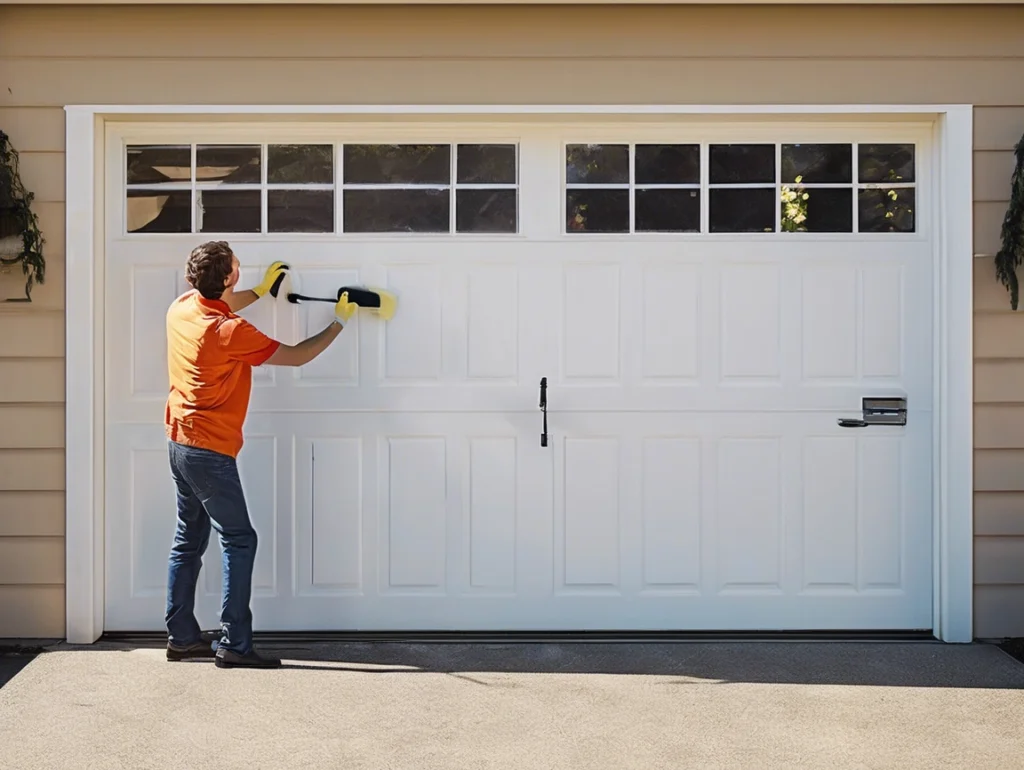
To prevent damage and wear, it’s important to regularly inspect your commercial rolling steel door for any signs of wear or damage. This may involve checking for loose or damaged hardware, inspecting the door’s surface for cracks or dents, and ensuring that the door is properly balanced and aligned. If you do notice any issues, it’s important to address them promptly to prevent further damage and ensure the continued safe and reliable operation of your door.
Safety Concerns
Finally, it’s important to consider the safety implications of commercial rolling steel door issues. Malfunctioning doors can pose a serious risk to employees, customers, and other building occupants, and can even lead to legal liability for the business owner.
To address safety concerns, it’s important to have your commercial rolling steel door regularly inspected and maintained by a qualified professional. This may involve testing the door’s safety features, such as its reversing mechanism and photo-eye sensors, to ensure that they are functioning properly. It’s also important to train employees on the proper use and operation of the door, and to have a plan in place for responding to any safety-related incidents.
In conclusion, commercial rolling steel doors can be a valuable asset for many businesses, but they are not without their issues. By understanding the common problems that can arise and taking steps to address them, business owners can help ensure the continued safe and reliable operation of their doors. Whether it’s addressing mechanical failures, electrical issues, damage and wear, or safety concerns, staying on top of maintenance and repairs is key to keeping your commercial rolling steel door in top condition.