Garage Door Repairs: DIY vs. Calling a Professional
Garage doors are an essential part of any home, providing security, convenience, and protection for your vehicles and belongings. However, like any mechanical system, they can experience issues that require attention. When it comes to garage door repairs, homeowners often face the dilemma of whether to tackle the problem themselves or call in a professional. In this article, we’ll explore the types of garage door repairs that homeowners can safely handle on their own, as well as situations where it’s best to leave the work to the experts.
DIY Garage Door Repairs
There are several common garage door issues that homeowners can address without the need for professional assistance. These include:
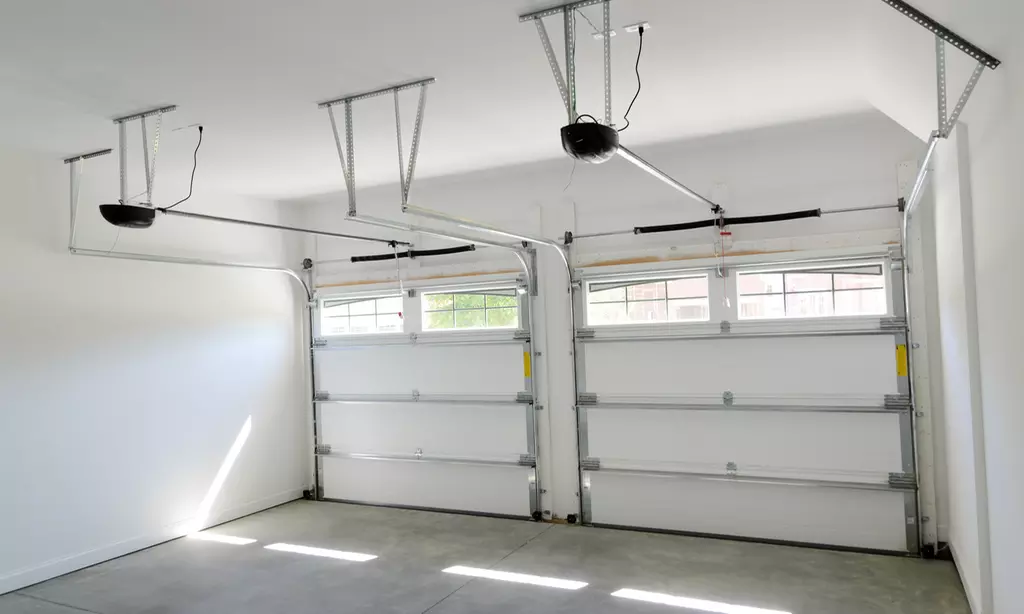
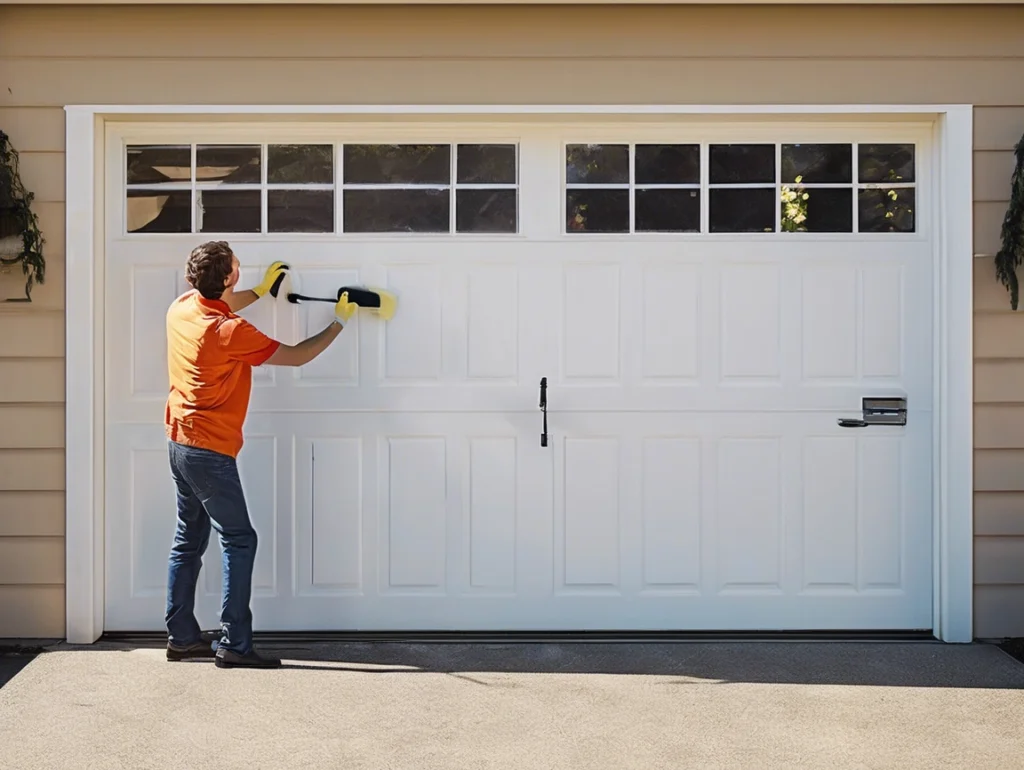
1. Lubricating Moving Parts: Over time, the moving parts of your garage door, such as the hinges, rollers, and tracks, can become dry and noisy. Regularly lubricating these components with a silicone-based lubricant can help keep your door operating smoothly and quietly.
2. Tightening Loose Hardware: The constant opening and closing of your garage door can cause the hardware, such as bolts and screws, to loosen over time. Periodically checking and tightening these fasteners can help maintain the structural integrity of your door.
3. Replacing Weatherstripping: The weatherstripping around the perimeter of your garage door is essential for keeping out drafts, moisture, and pests. If you notice any cracks or gaps in the weatherstripping, it’s a simple matter to remove the old material and replace it with new, self-adhesive weatherstripping.
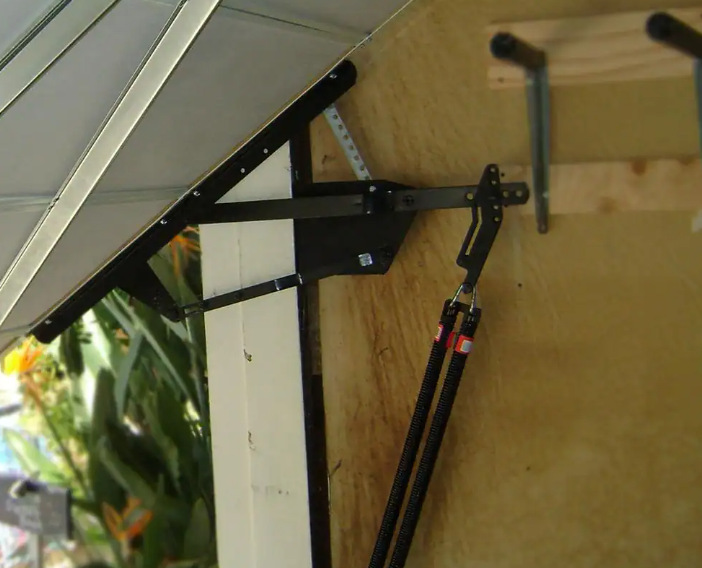
4. Adjusting the Door Balance: If your garage door is not opening or closing evenly, it may be out of balance. This can often be corrected by adjusting the tension on the door’s springs or cables. However, this is a delicate process that should only be attempted by experienced DIYers.
5. Clearing Debris from Tracks: If your garage door is not opening or closing smoothly, the tracks may be obstructed by dirt, debris, or even small objects. Carefully clearing these obstructions can often resolve the issue.
When to Call a Professional
While there are many garage door repairs that homeowners can handle on their own, there are also situations where it’s best to call in a professional. These include:
1. Spring Replacement: The springs that counterbalance the weight of your garage door are under a tremendous amount of tension. Attempting to replace these springs yourself can be extremely dangerous and should only be done by a trained technician.
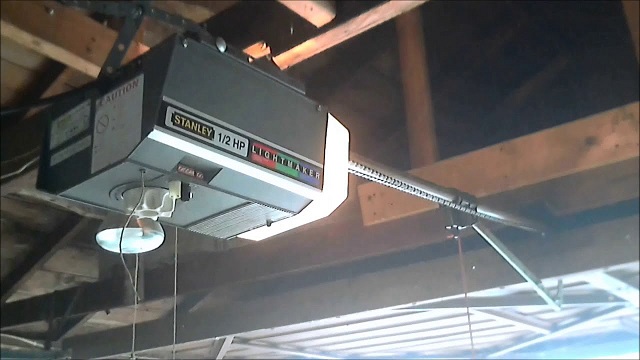
2. Electrical Issues: If your garage door opener is not functioning properly, the issue may be related to the electrical components. Diagnosing and repairing electrical problems should be left to a qualified electrician.
3. Structural Damage: If your garage door has been damaged in a collision or severe weather, the structural integrity of the door may be compromised. In these cases, it’s best to have a professional assess the damage and make the necessary repairs.
4. Complex Repairs: If the issue with your garage door is complex or requires specialized tools or expertise, it’s best to call in a professional. This includes problems with the door’s alignment, track system, or opener mechanism.
In conclusion, homeowners can often handle simple garage door maintenance and repairs on their own, while more complex or dangerous issues should be left to the professionals. By understanding the capabilities and limitations of your own skills, you can ensure that your garage door remains in top working condition for years to come.