Garage door springs are one of the most critical components of any garage door system, yet they are often overlooked until something goes wrong. These springs handle the heavy lifting when opening and closing the door, counterbalancing its weight and ensuring smooth operation. However, when garage door springs wear out or break, they can pose serious risks to property and personal safety. Ignoring garage door spring issues can lead to costly repairs, major inconveniences, and even dangerous accidents.
Why Garage Door Springs Matter
Garage doors typically use one of two types of springs:
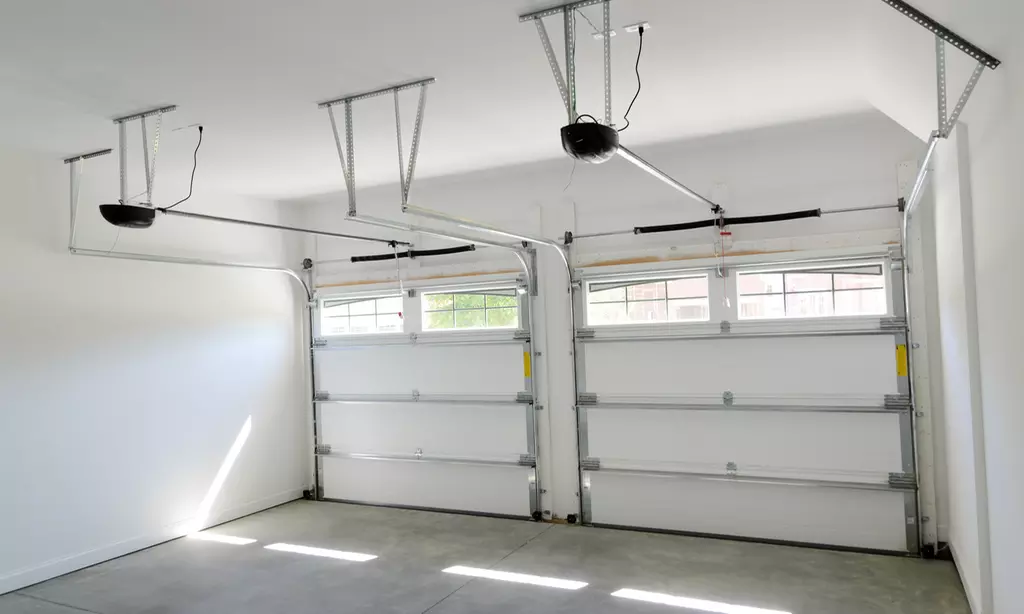
– Torsion Springs: These are mounted above the garage door and use torque to lift the door.
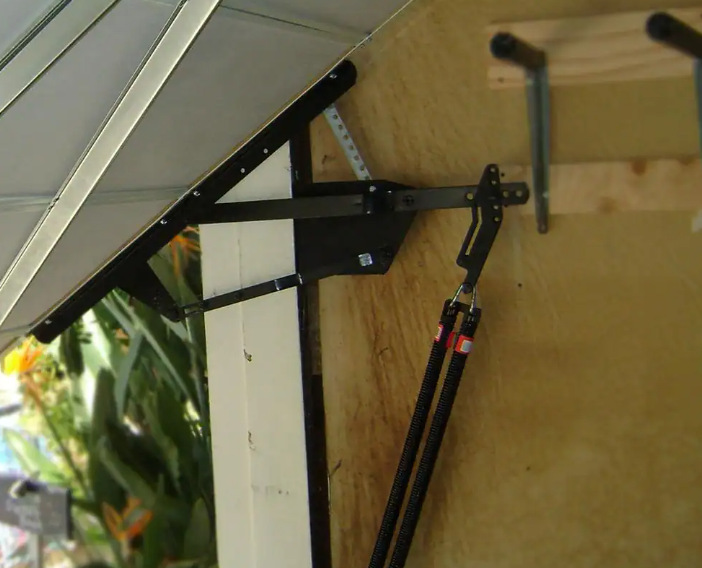
– Extension Springs: These are located on either side of the door and stretch to provide lifting power.
Both types of springs are under extreme tension and can wear out over time. When they fail, they can cause the door to slam shut unexpectedly or become too heavy to lift.
Signs That Your Garage Door Springs Are Failing
Recognizing early warning signs of spring failure can help prevent sudden breakdowns. Some key indicators include:
– The door is unusually heavy when lifting manually. Springs counterbalance the weight, so a door that feels too heavy may indicate worn-out springs.
– The garage door closes too quickly. A malfunctioning spring may not provide enough resistance, causing the door to slam shut.
– The door only opens halfway or gets stuck. A broken spring may not provide enough force to lift the door completely.
– Visible gaps in torsion springs. Over time, torsion springs can develop noticeable gaps when they break.
– Loud bangs from the garage. If you hear a loud snap or bang from the garage, a spring may have broken.
The Dangers of Ignoring Spring Issues
1. Risk of Injury or Property Damage
A failing garage door spring can cause the door to drop suddenly, leading to serious injuries or damage to anything in its path. In extreme cases, a broken spring can send sharp metal fragments flying.
2. Additional Strain on the Opener
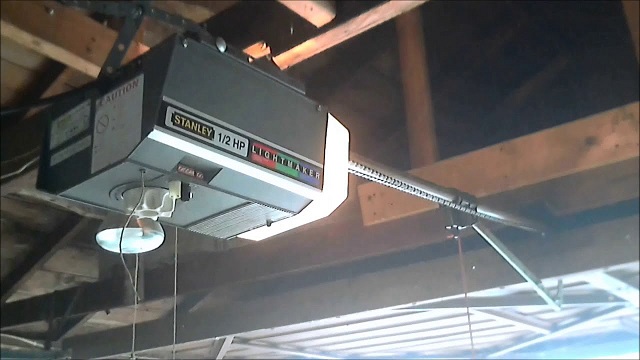
Garage door openers are designed to work in tandem with the springs. When springs weaken or break, the opener must work harder to lift the door, increasing wear and tear. This extra strain can cause motor failure, leading to costly repairs or replacement.
3. Unexpected Breakdowns and Inconvenience
A garage door with a broken spring may become stuck, preventing you from using your vehicle or accessing your garage. This can be a significant inconvenience, especially if it happens late at night or when you need to leave quickly.
4. Increased Repair Costs
Addressing spring issues early can prevent damage to other parts of the garage door system, such as the cables, pulleys, and tracks. Waiting too long to fix the problem may result in additional repair costs.
What to Do If Your Garage Door Spring Breaks
If you suspect a broken garage door spring, avoid using the door and take the following steps:
– Stop using the garage door opener immediately to prevent further damage.
– Do not attempt to lift the door manually, as it may be too heavy to control safely.
– Visually inspect the springs for signs of breakage, but do not touch them.
– Call a professional garage door technician to assess and replace the springs safely.
Why You Should Never Attempt DIY Spring Repairs
Garage door springs are under high tension and can cause serious injuries if handled incorrectly. Replacing them requires specialized tools and knowledge. A professional technician can safely replace the springs, adjust the tension properly, and ensure that the door operates smoothly.
How to Extend the Life of Your Garage Door Springs
To prevent premature spring failure, follow these maintenance tips:
– Lubricate the springs every few months with a high-quality garage door lubricant to reduce friction.
– Have a professional inspect and adjust the springs annually to ensure proper tension.
– Avoid unnecessary strain on the springs by not forcing the door open or closed.
– If you notice signs of wear, schedule repairs before the springs break completely.
Garage door springs play a crucial role in the safety and functionality of your garage door system. Ignoring signs of wear or failure can lead to costly repairs, inconvenience, and serious safety hazards.
If you suspect an issue with your springs, it’s essential to act quickly and hire a professional to handle repairs. Keeping up with regular maintenance can help extend the life of your springs and keep your garage door operating smoothly for years to come.