Advantages of Automated Door Solutions for Commercial Properties
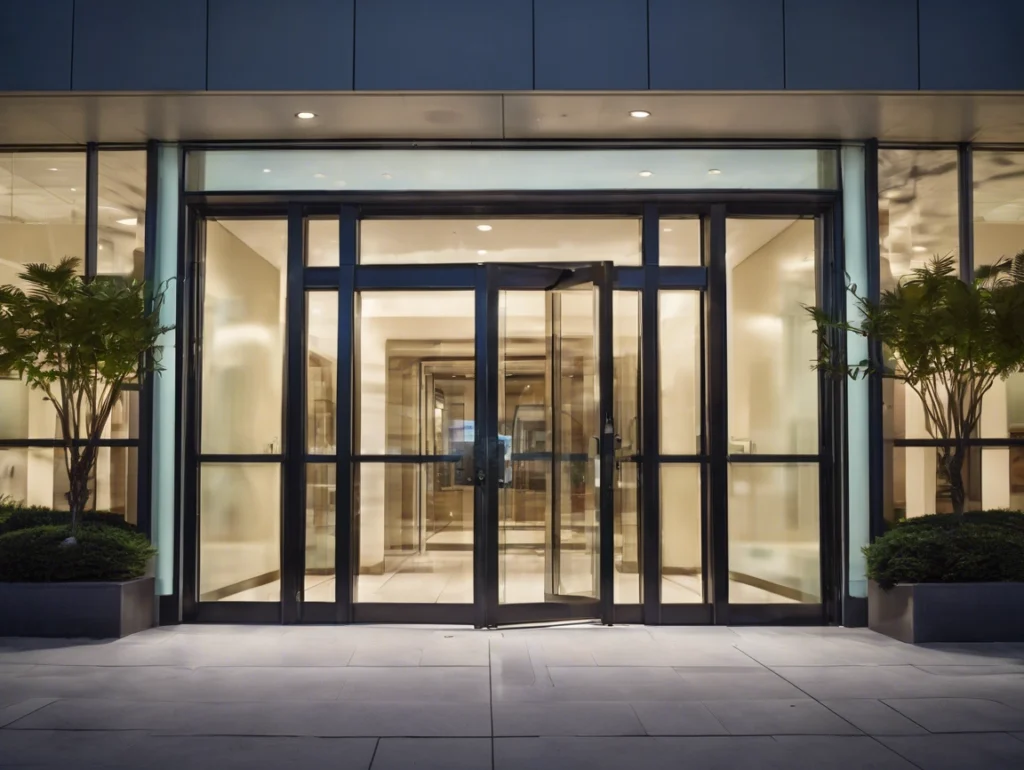
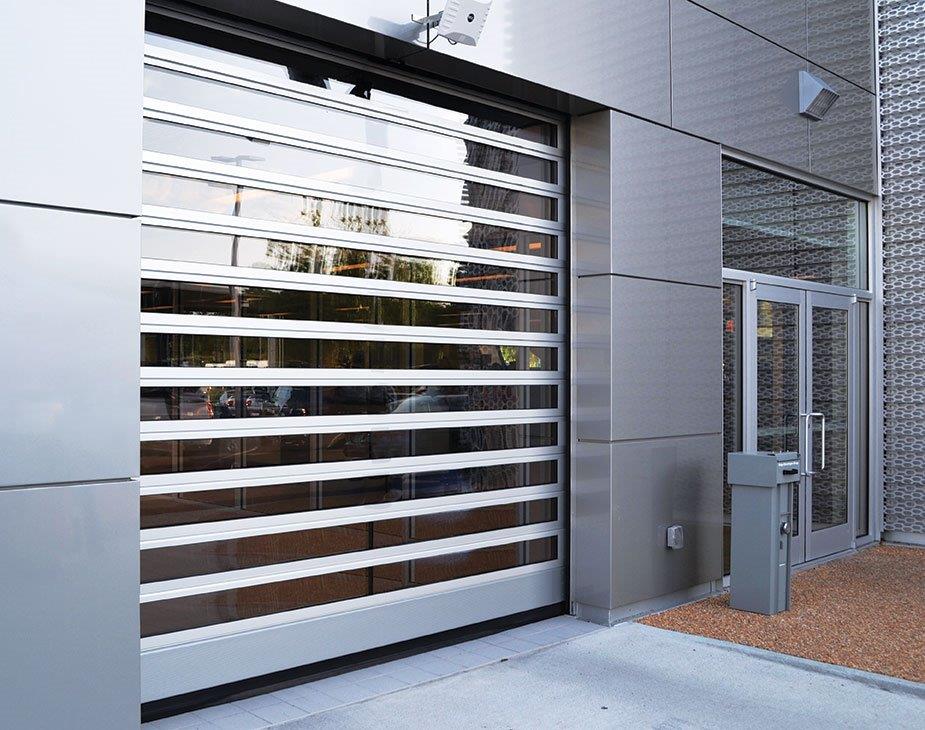
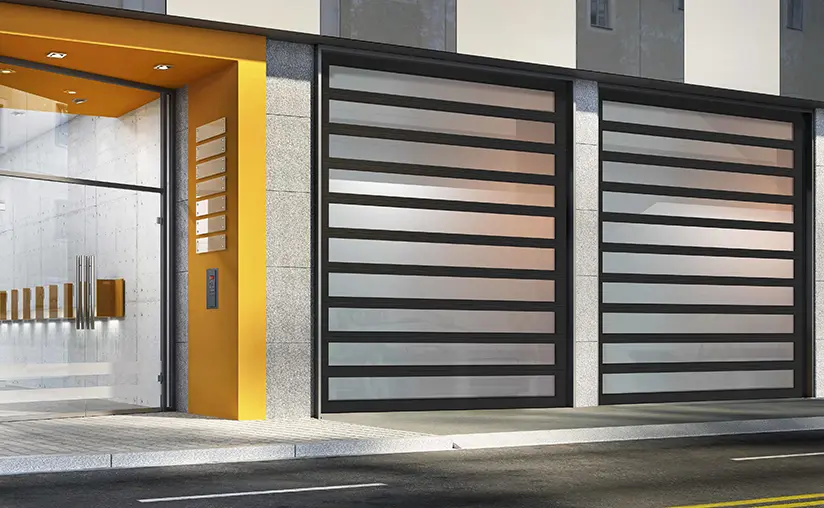
Automated door solutions, particularly those utilizing motor operators, offer numerous advantages for commercial properties. They enhance operational efficiency by allowing seamless entry and exit, which is crucial for businesses with high foot traffic. Additionally, these systems can be integrated with various security features, providing an added layer of protection for the premises.
For instance, businesses can benefit from features such as remote access control, which allows authorized personnel to operate doors from a distance. This not only improves convenience but also minimizes the risk of unauthorized access. Furthermore, automated doors can be programmed to comply with safety regulations, ensuring that they operate within required guidelines to protect both customers and staff.
How Motor Operators Contribute to Energy Efficiency
Motor operators play a significant role in improving the energy efficiency of commercial spaces. By controlling the speed and timing of door operations, these systems help maintain a stable indoor climate, reducing the need for excessive heating or cooling. This is particularly beneficial in environments where temperature control is critical, such as in retail or food service establishments.
Moreover, automated doors can be set to open only when necessary, minimizing heat loss during colder months and preventing excessive heat gain in warmer seasons. This functionality not only contributes to lower energy bills but also supports sustainability initiatives by reducing the building's overall carbon footprint.
Maintenance Tips for Motor Operators in Commercial Doors
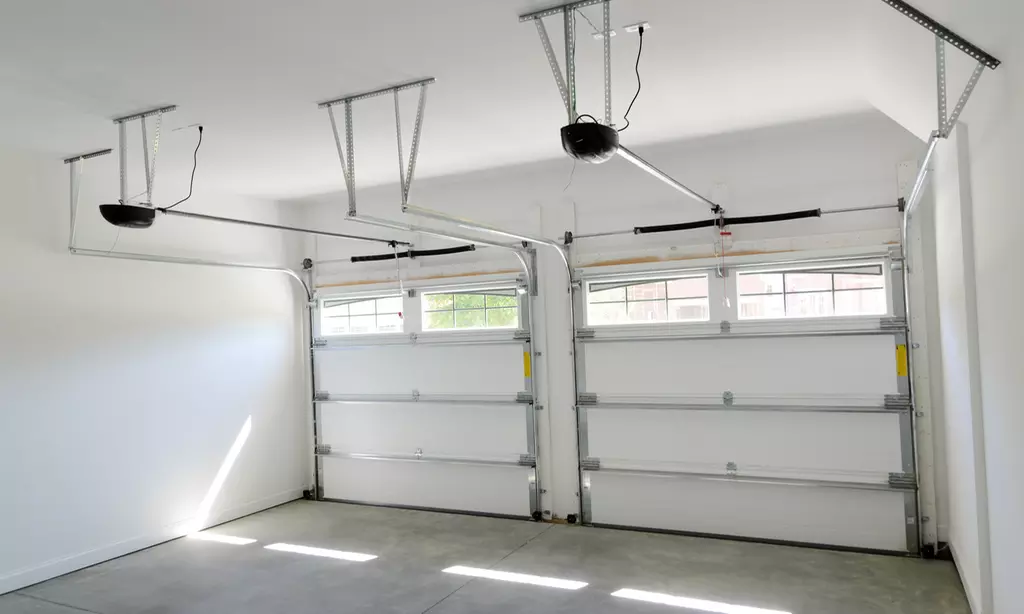
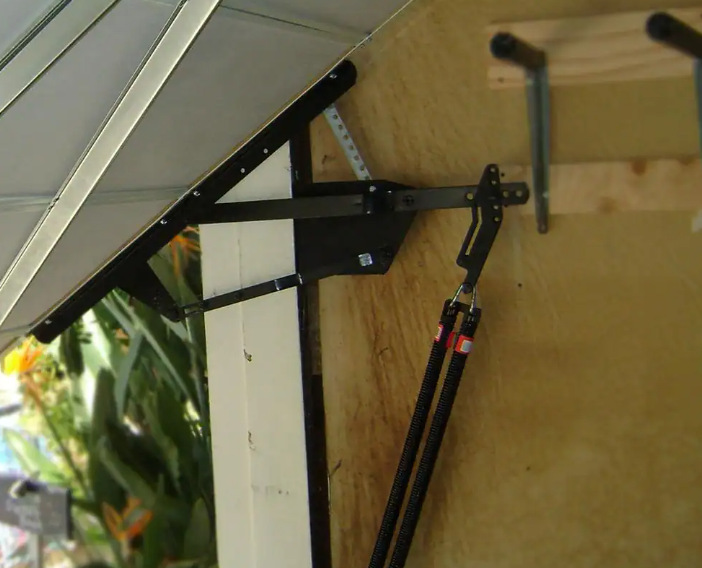
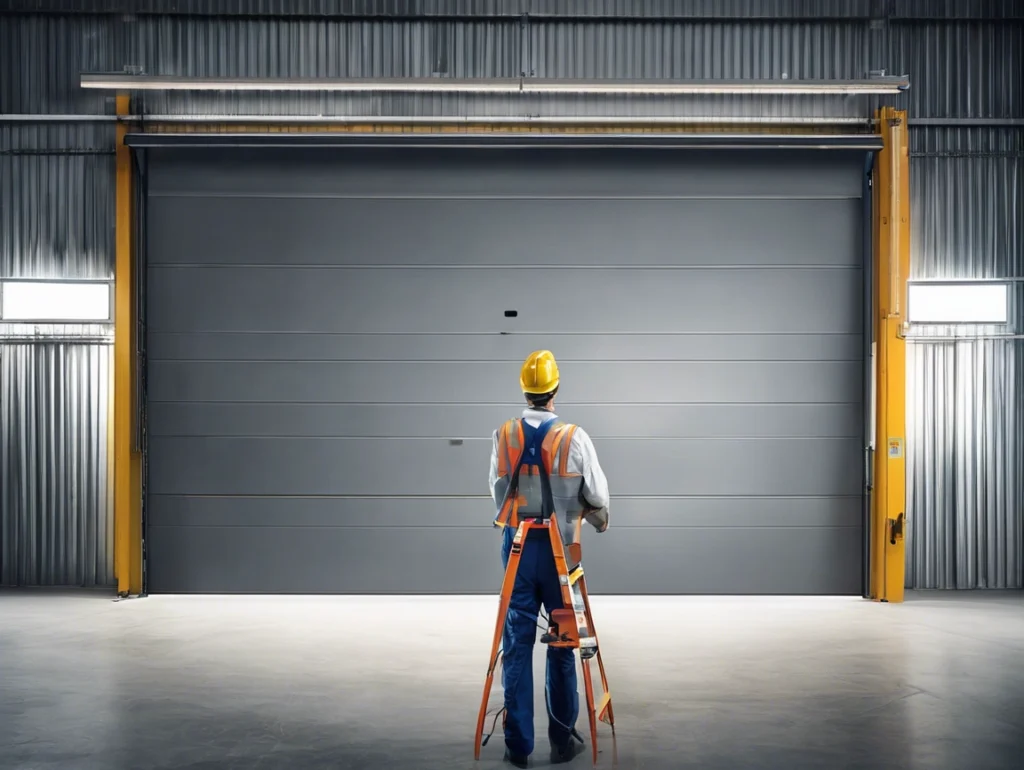
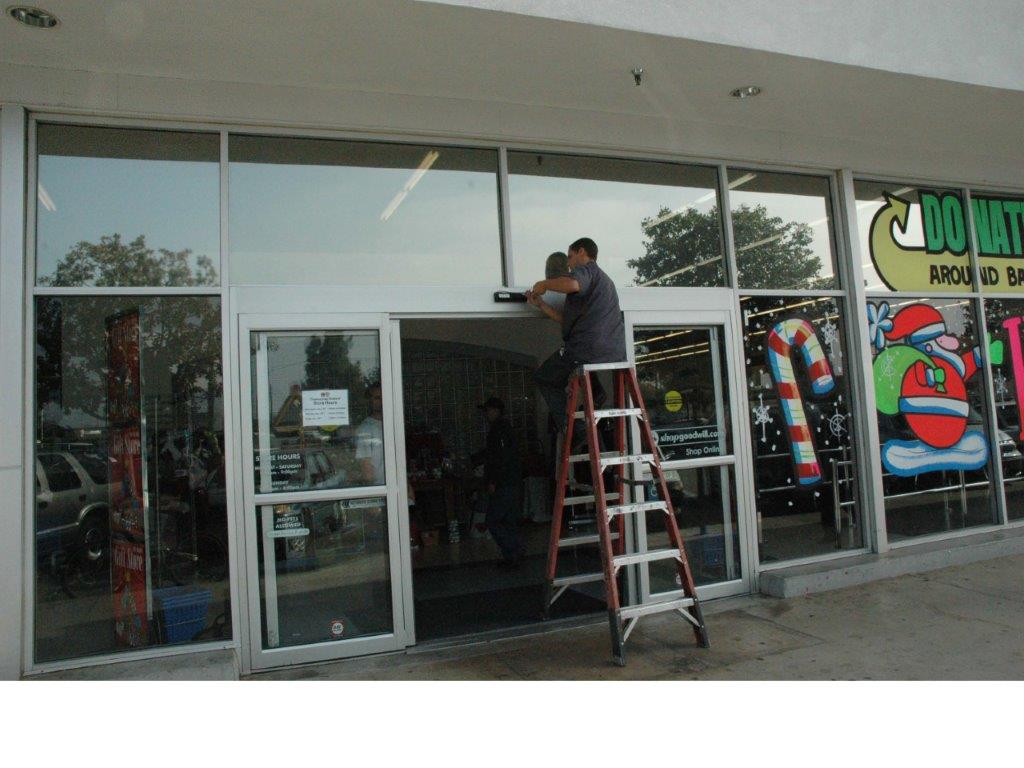
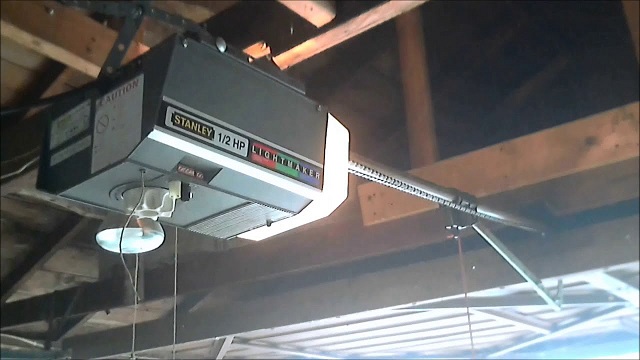
Regular maintenance of motor operators is essential to ensure their longevity and optimal performance. Property owners should schedule routine inspections to check for signs of wear and tear, such as frayed cables or misaligned tracks. Addressing these issues promptly can prevent costly repairs and extend the lifespan of the door system.
In addition to visual inspections, lubricating moving parts and checking electrical connections are vital maintenance tasks. Property managers should also keep an eye on the programming settings to ensure that the motor operator functions correctly and safely, adjusting them as necessary to accommodate changes in usage patterns or building occupancy.
Understanding the Cost Benefits of Installing Motor Operators
Investing in motor operators for commercial doors can lead to significant cost savings over time. While the initial installation may require a considerable upfront investment, the long-term benefits often outweigh these costs. Automated doors reduce labor costs associated with manual operation and can lower maintenance expenses by preventing damage caused by improper use.
Additionally, the energy savings achieved through improved insulation and climate control can further offset installation costs. Businesses may also see a return on investment through increased customer satisfaction, as automated doors provide a more convenient and accessible entry experience, potentially leading to higher foot traffic and sales.