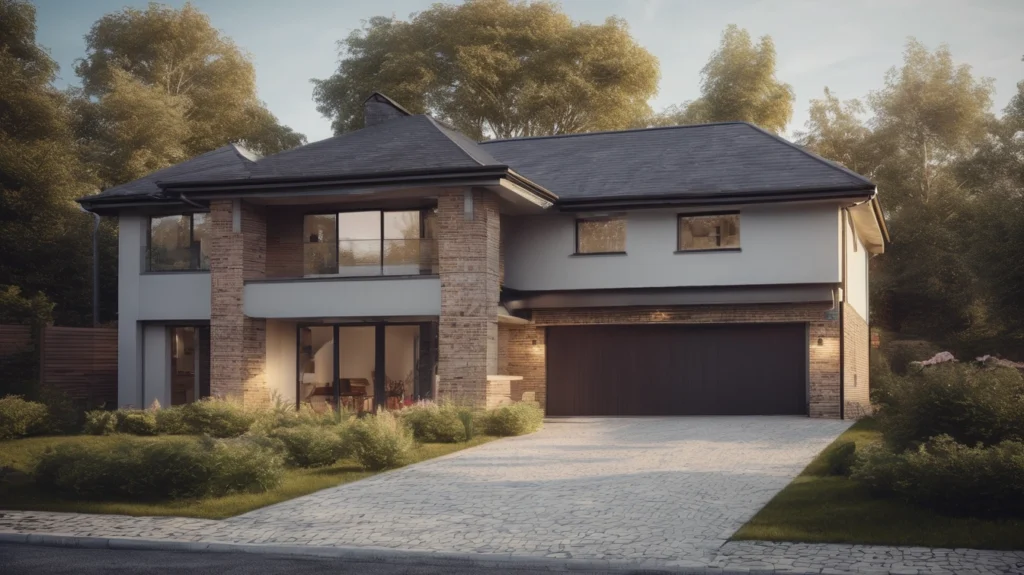
The garage door has evolved significantly over the past five decades, reflecting changes in design trends, materials, and functionality. From the classic raised panel doors of the 1970s to the sleek, modern styles of today, the evolution of garage doors has been a fascinating journey.
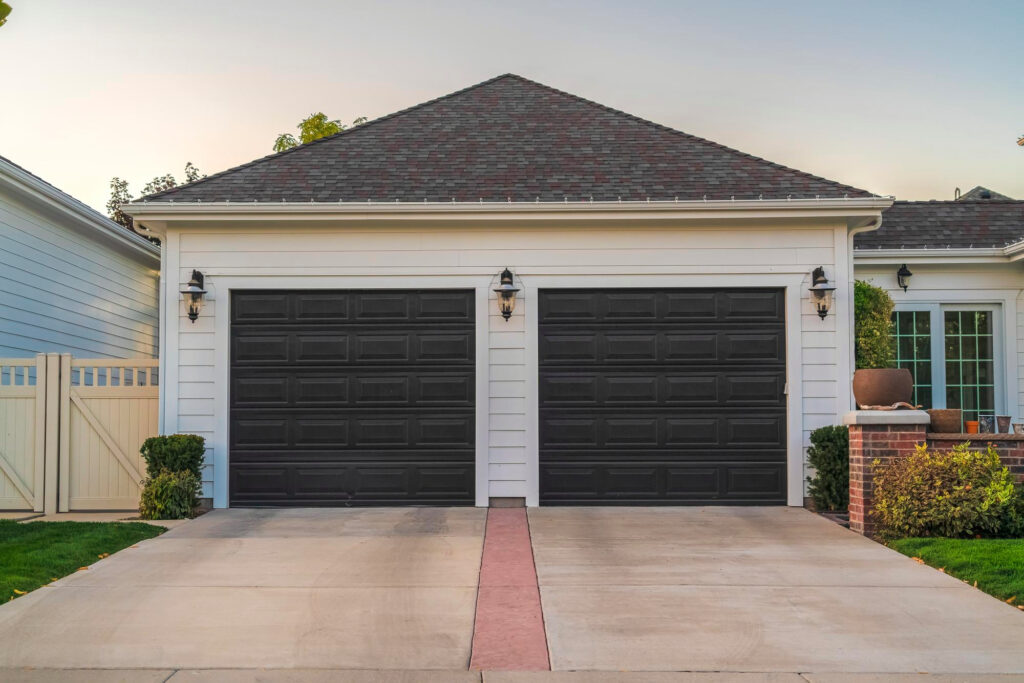
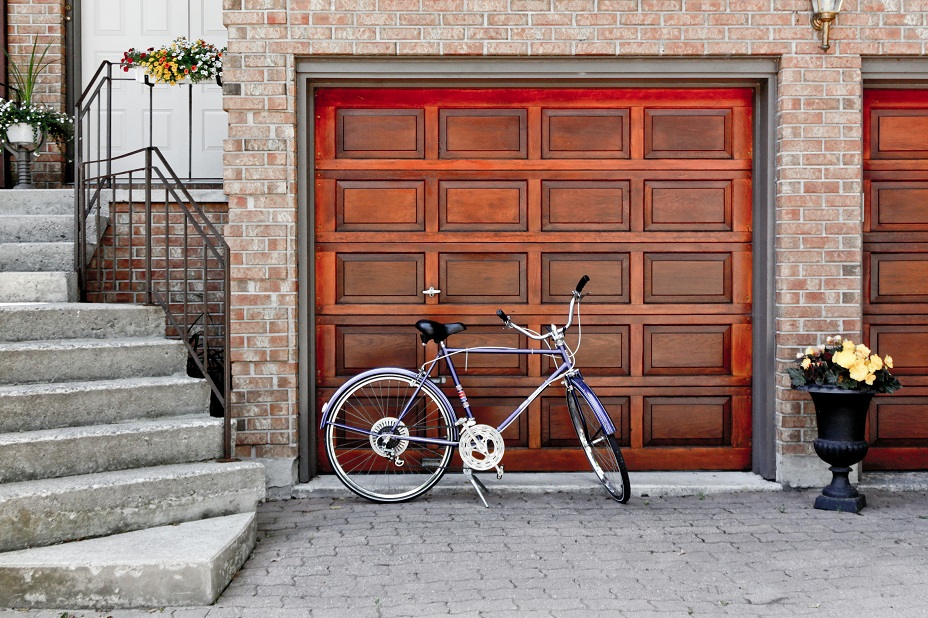
In the 1970s, the most popular garage door style was the raised panel design. These doors featured a series of vertical and horizontal panels that created a traditional, timeless look. Raised panel doors were typically made of wood, which was the dominant material at the time. These doors offered a classic, elegant appearance that complemented the architectural styles of the era.
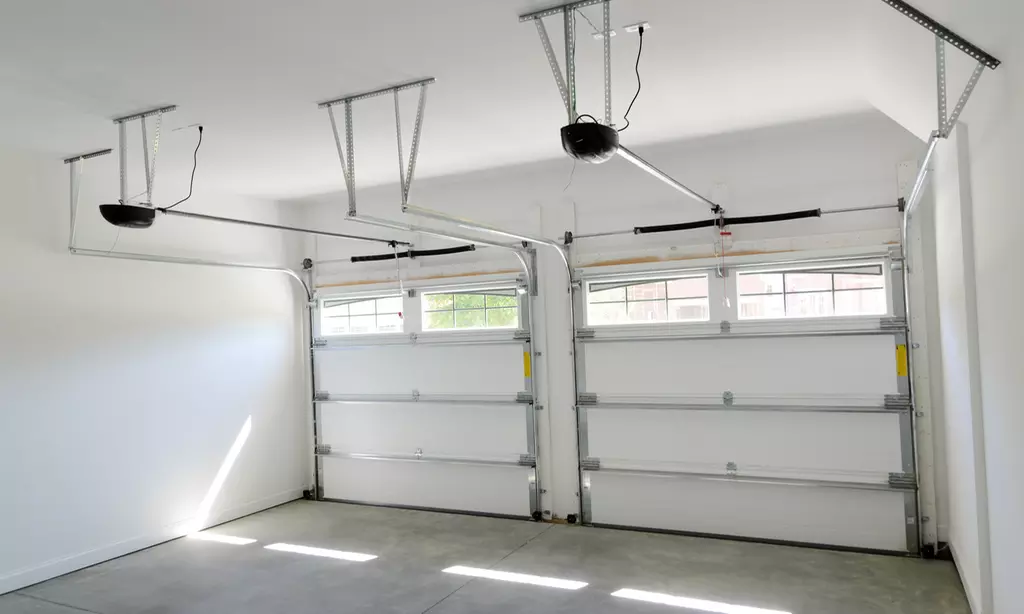
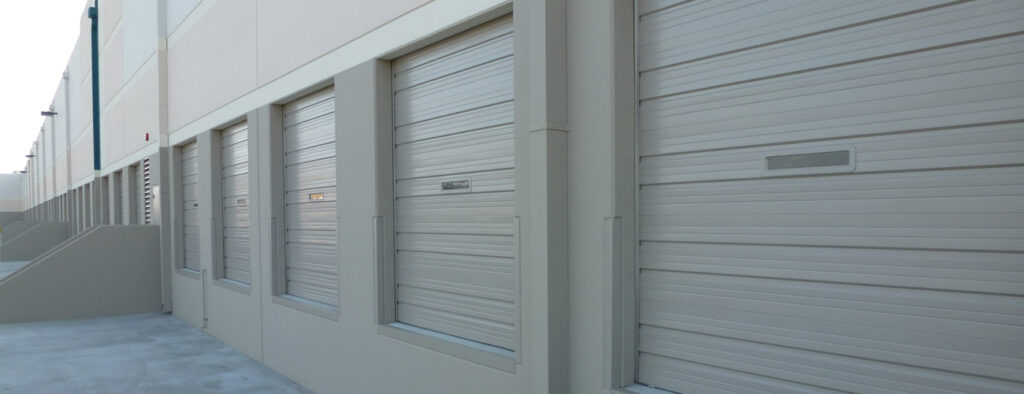
The 1980s saw the introduction of the sectional garage door, which quickly became the industry standard. Sectional doors are made up of several horizontal panels that slide up and down, providing a more efficient and space-saving design. This style of door allowed for greater insulation and energy efficiency, making it a popular choice for homeowners.
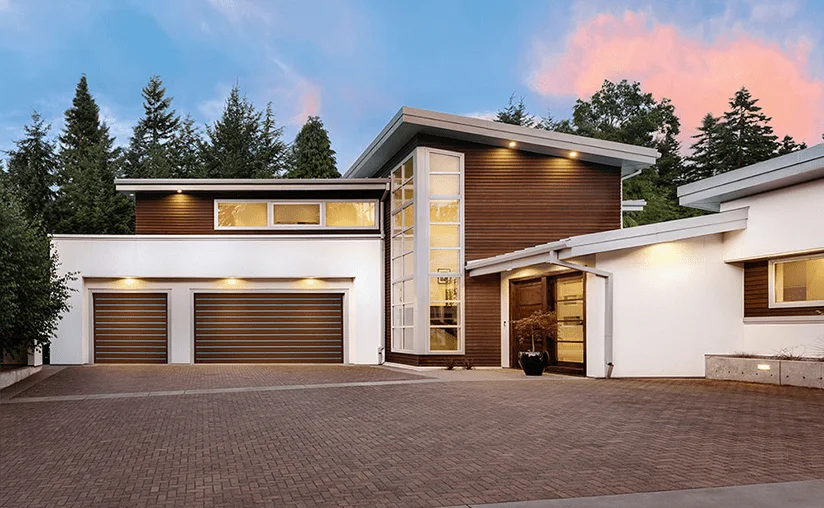
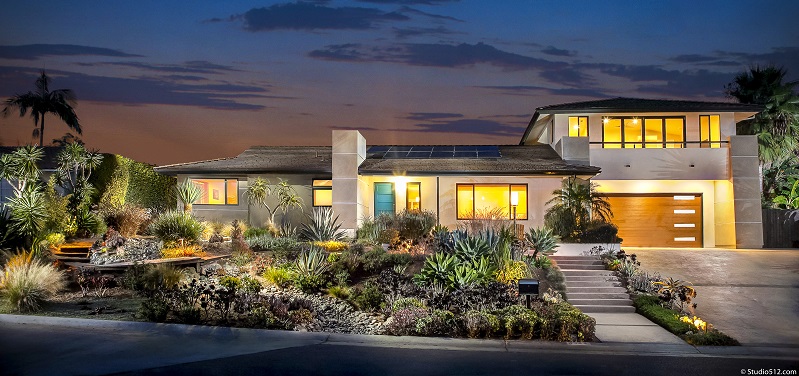
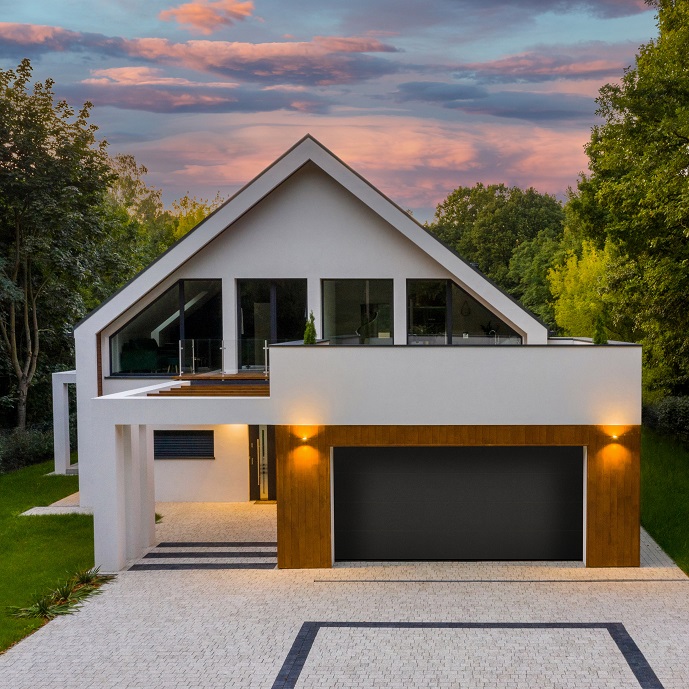
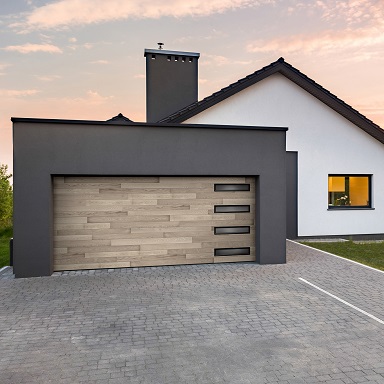
In the 1990s, the trend shifted towards more modern, minimalist designs. Flush panel doors, which feature a smooth, uninterrupted surface, became increasingly popular. These doors offered a sleek, contemporary look that appealed to homeowners seeking a more modern aesthetic. Steel and fiberglass materials also gained popularity during this decade, providing greater durability and low maintenance.
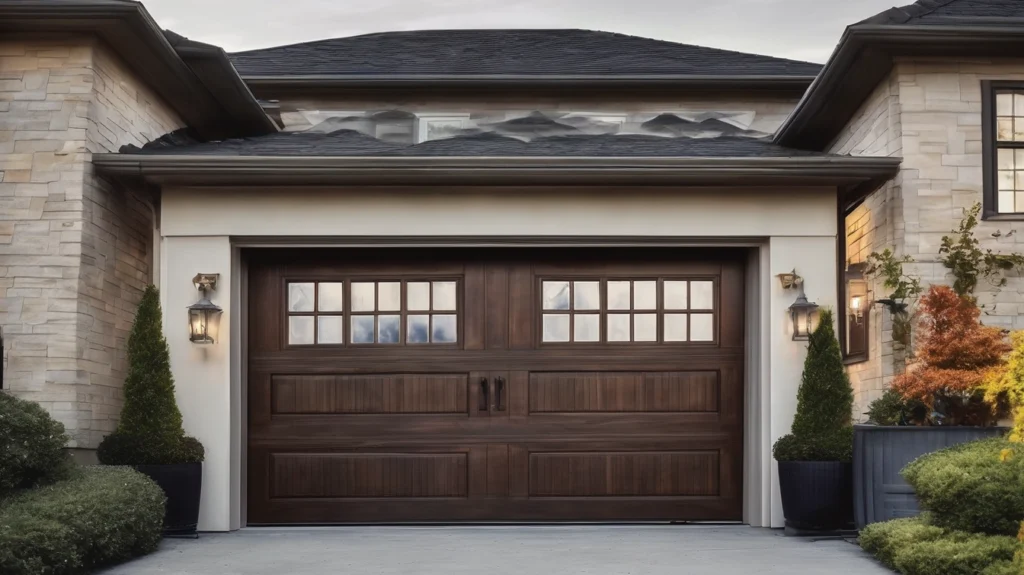
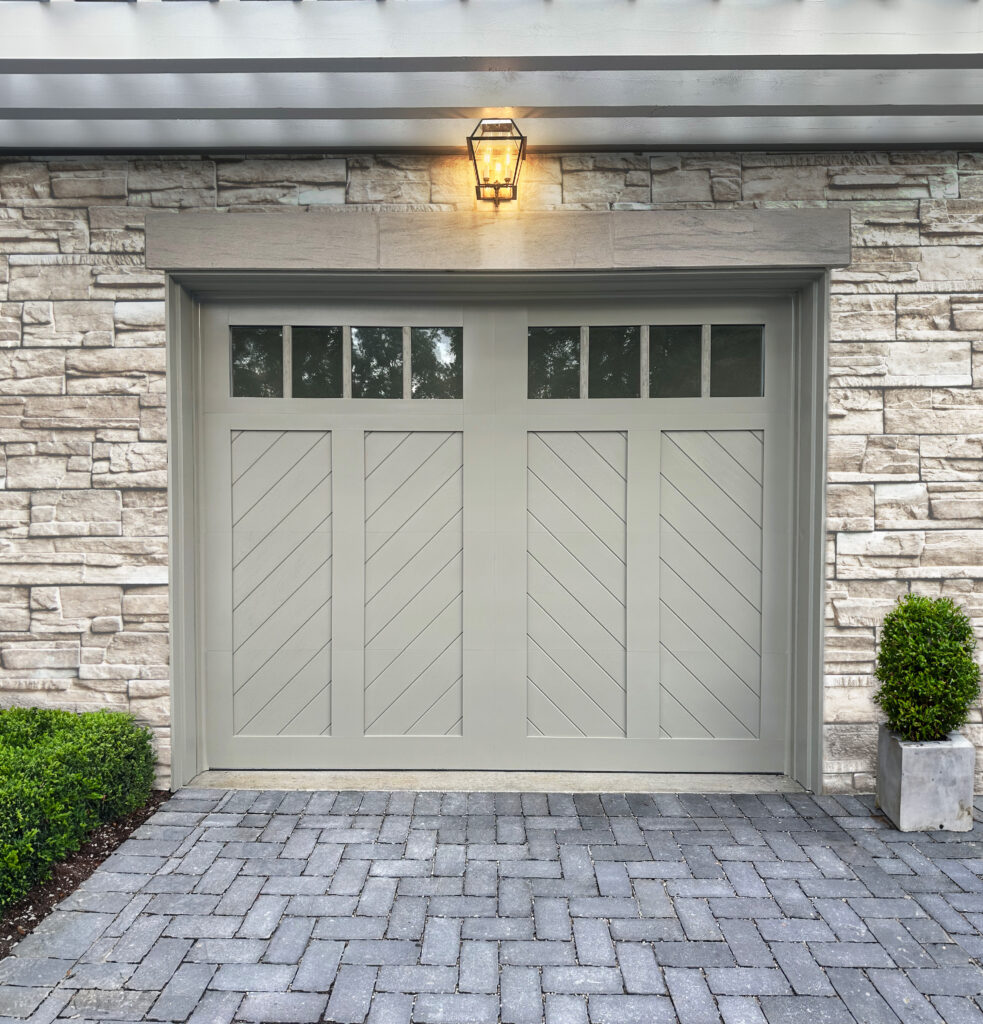
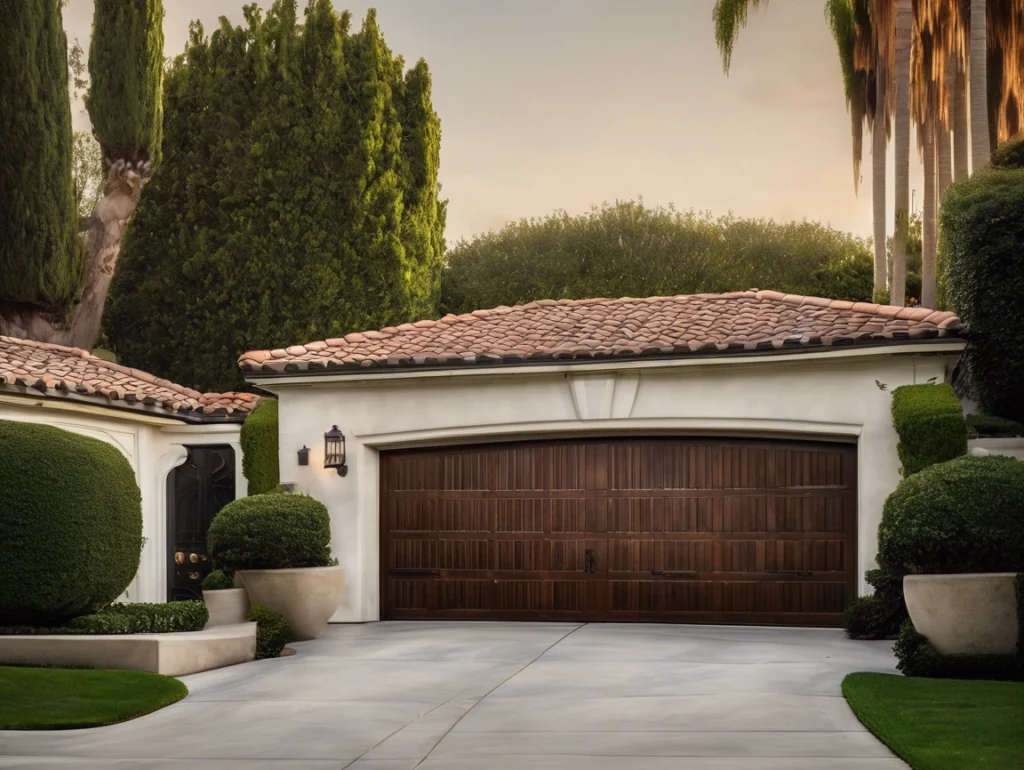
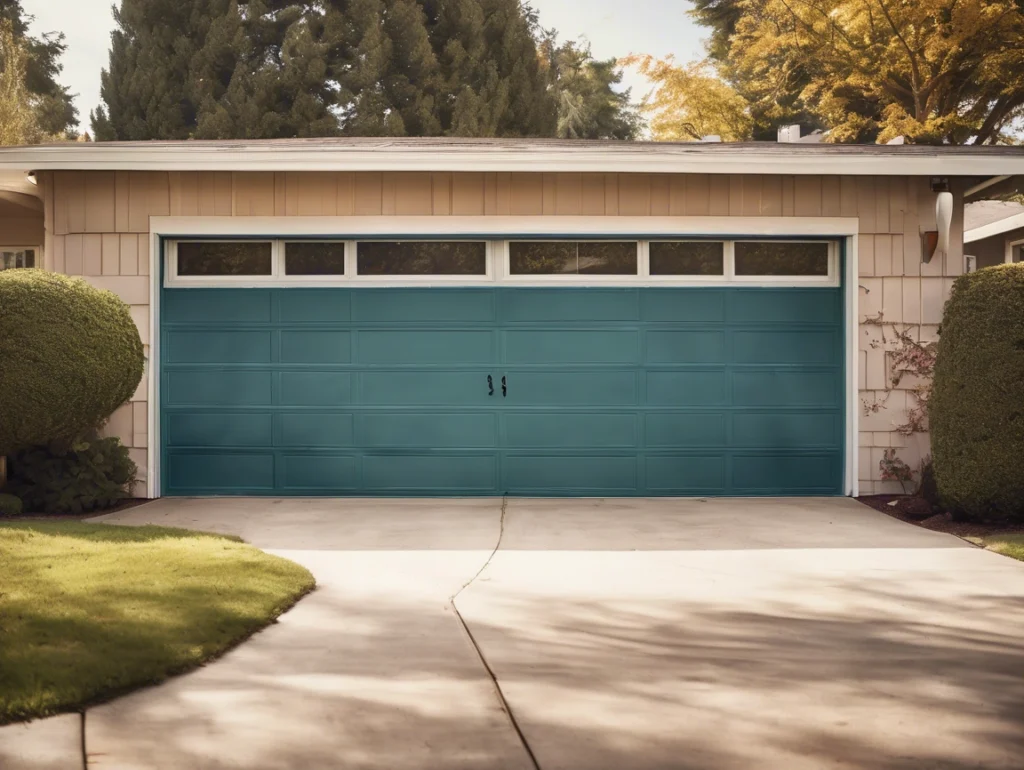
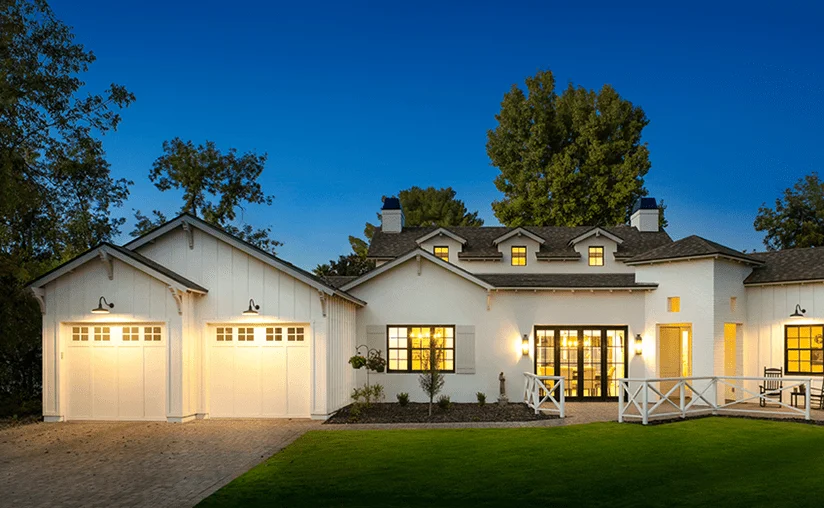
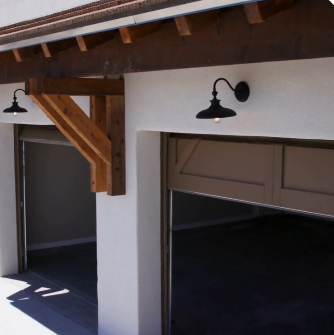
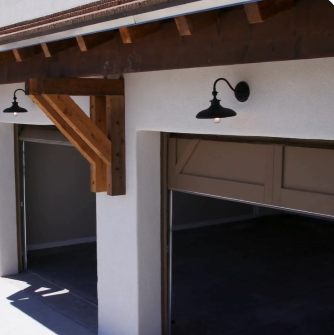
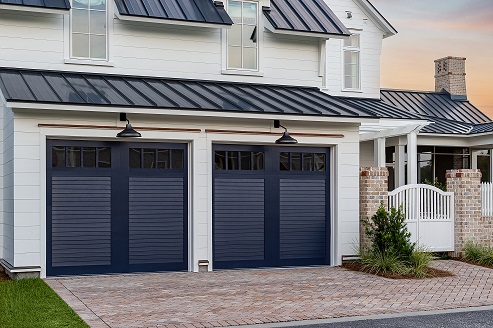
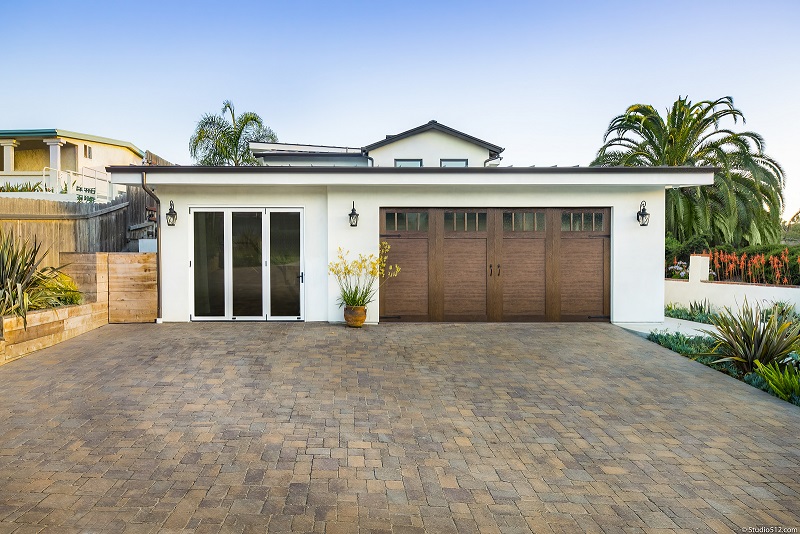
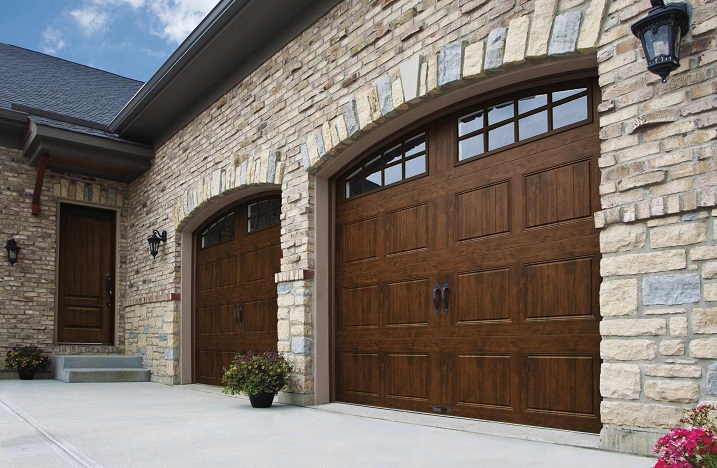
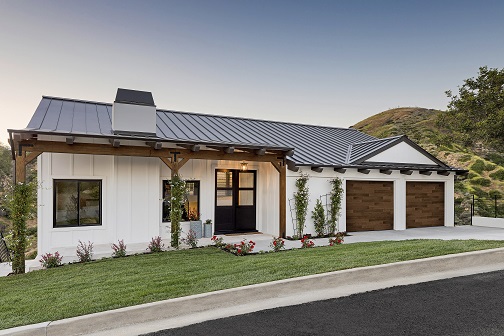
The 2000s saw the rise of the carriage house style garage door, which mimicked the appearance of traditional barn doors. These doors featured decorative hardware, such as hinges and handles, and were often made of wood or composite materials. Carriage house doors became a popular choice for homeowners looking to add a touch of rustic charm to their homes.
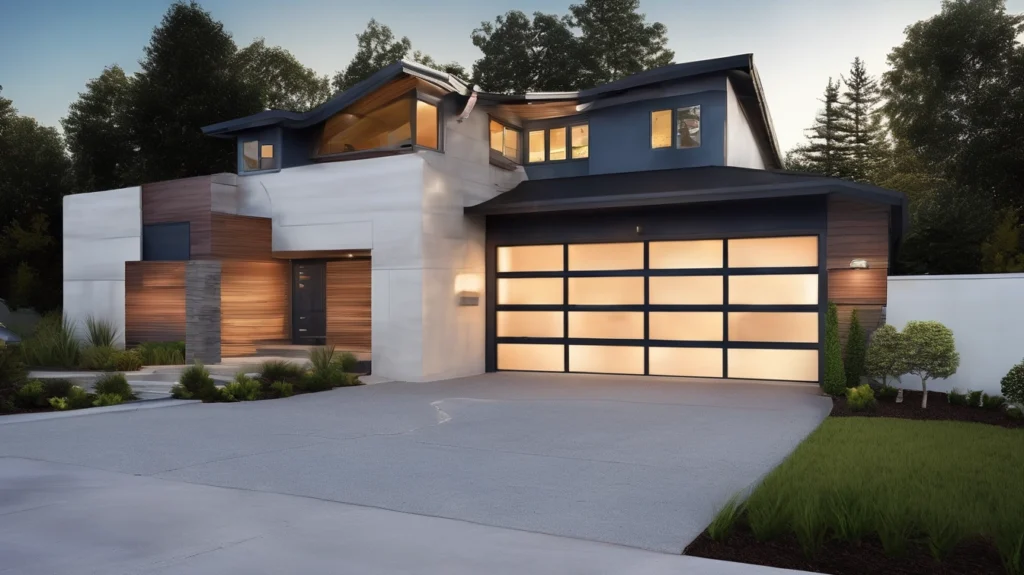
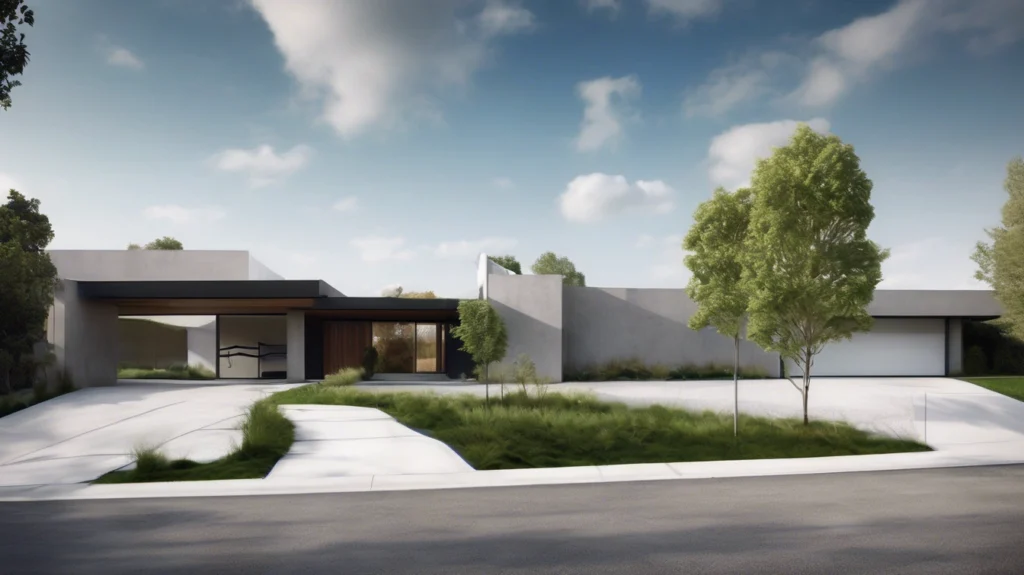
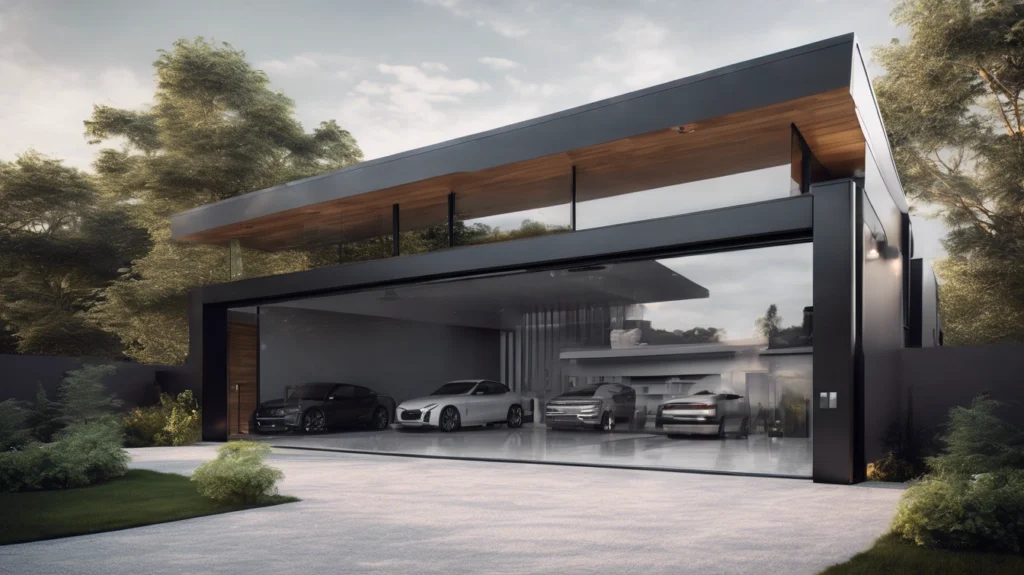
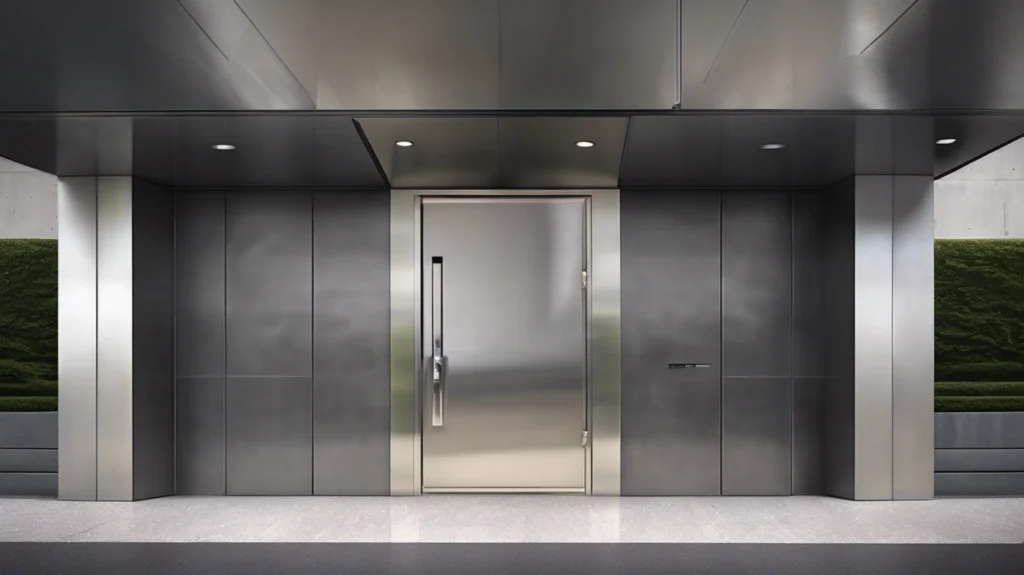
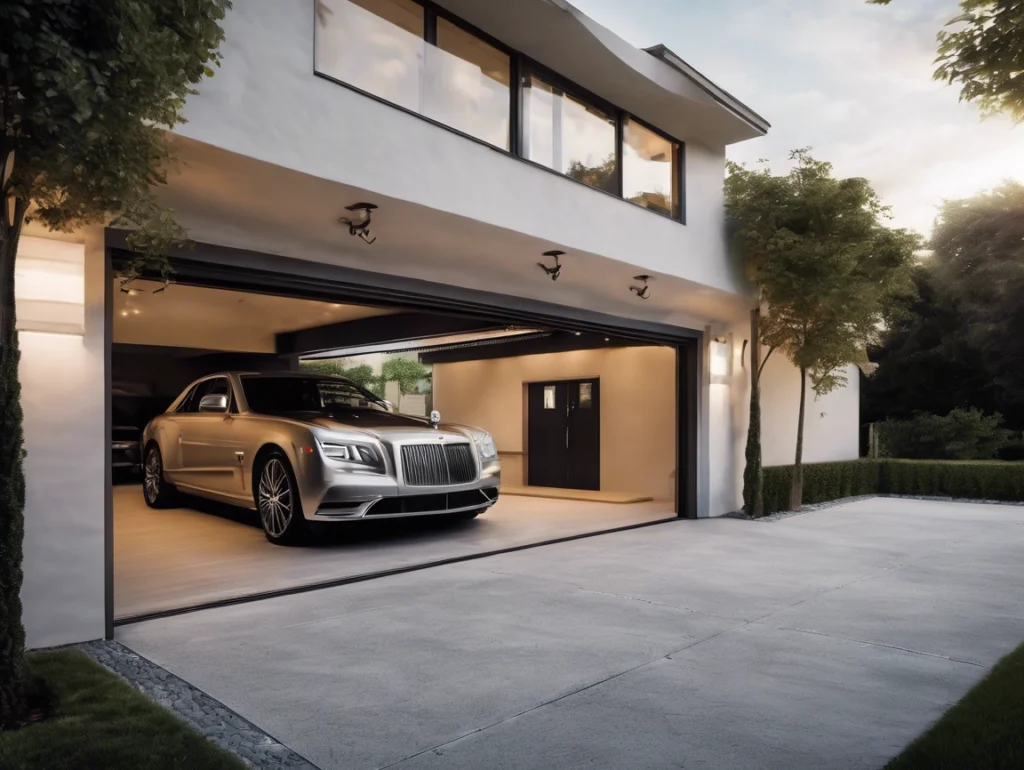
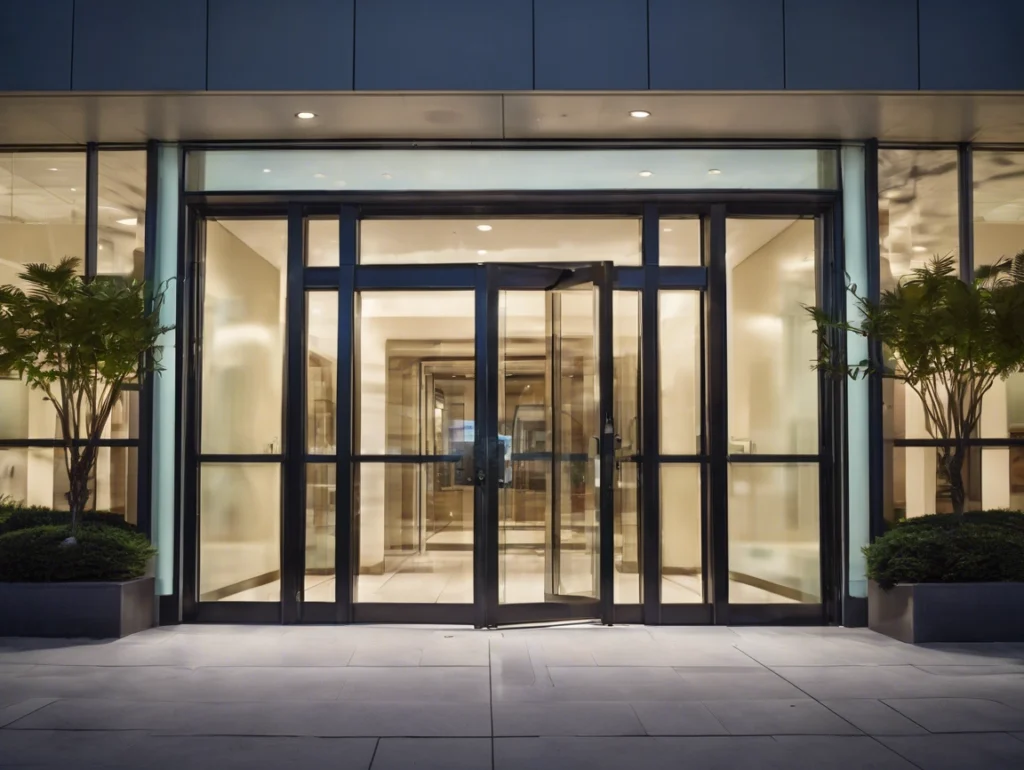
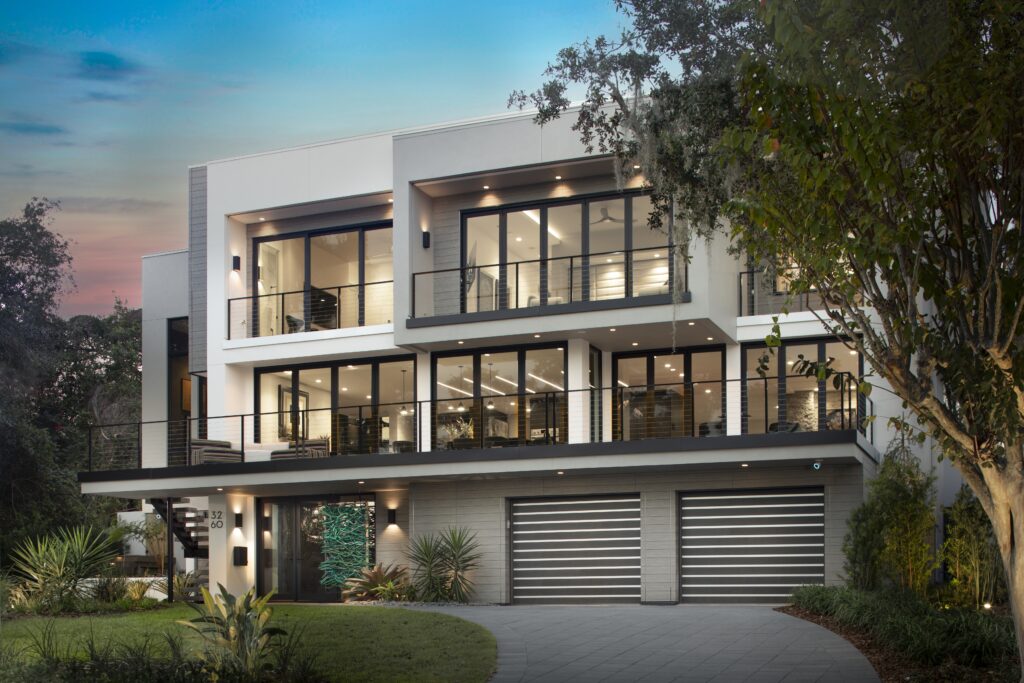
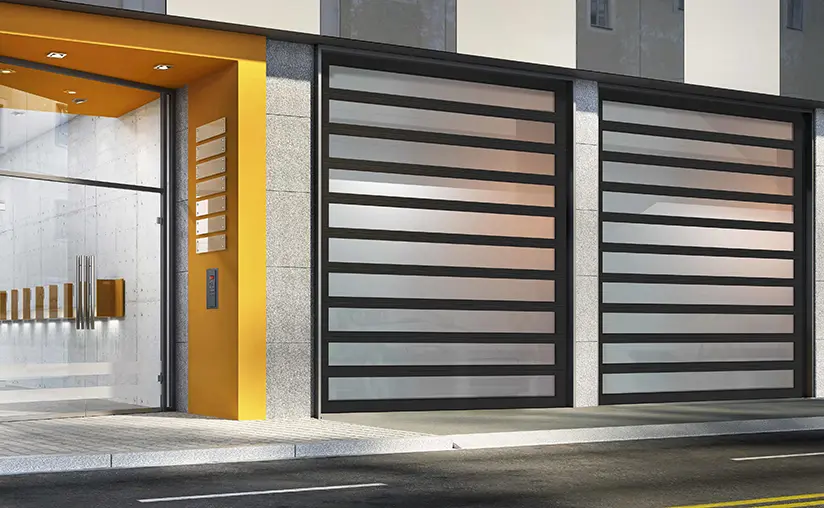
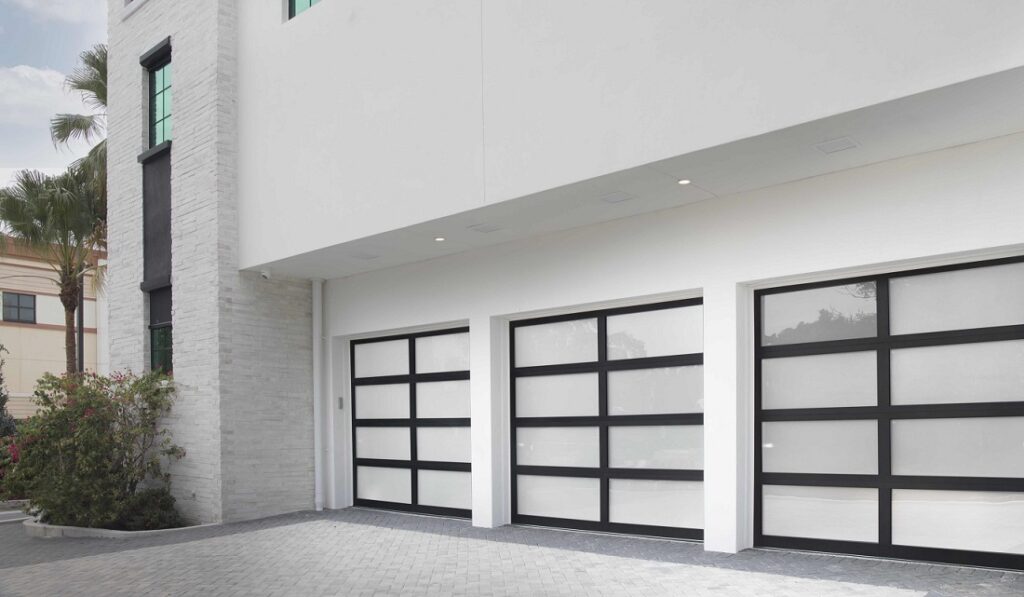
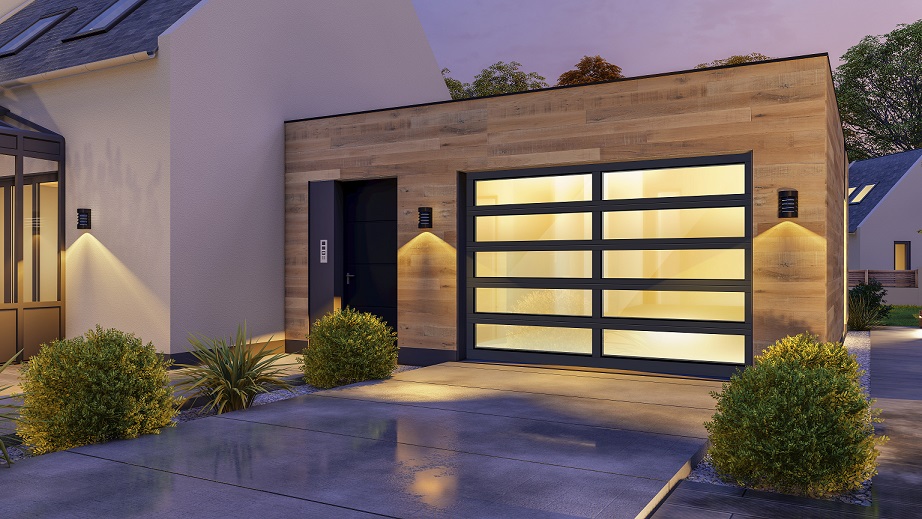
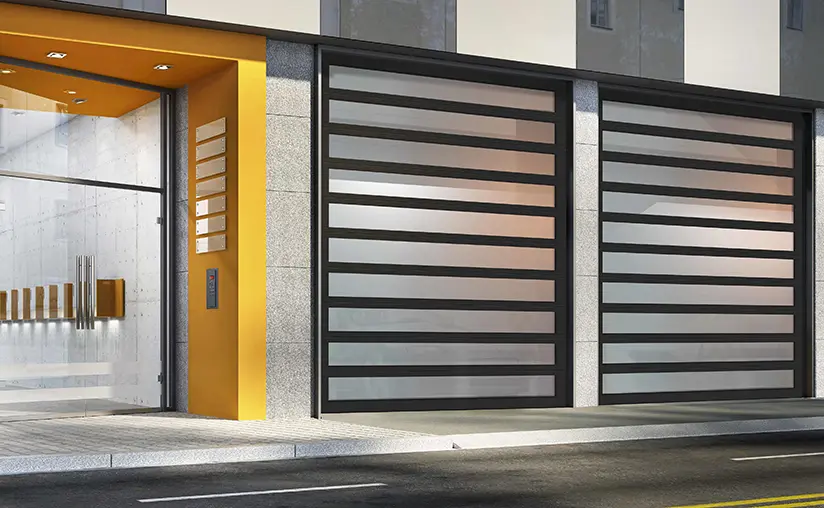
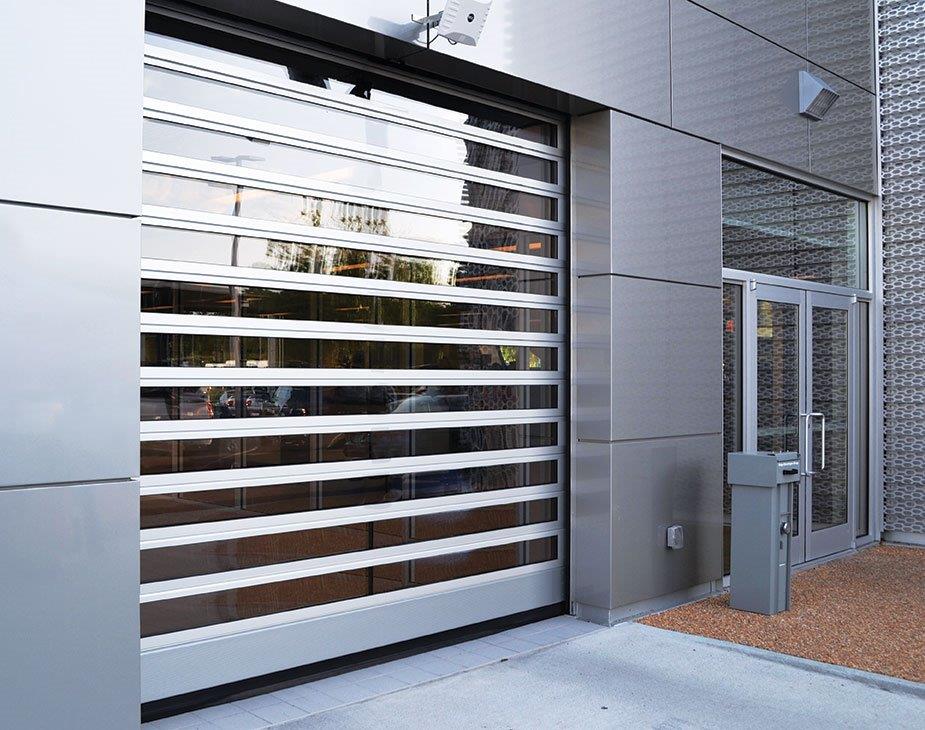
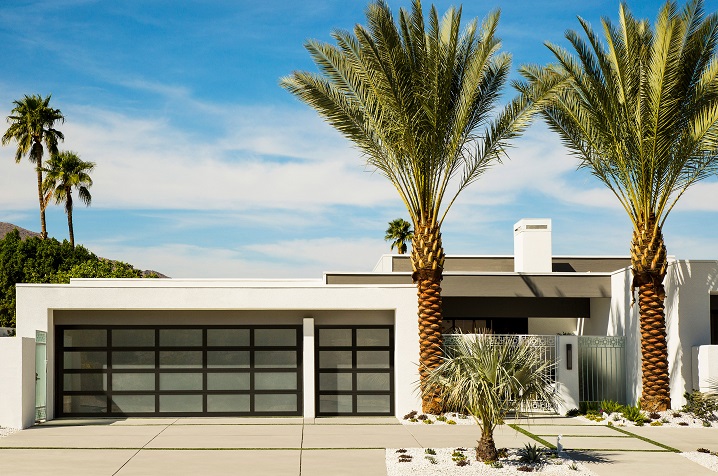
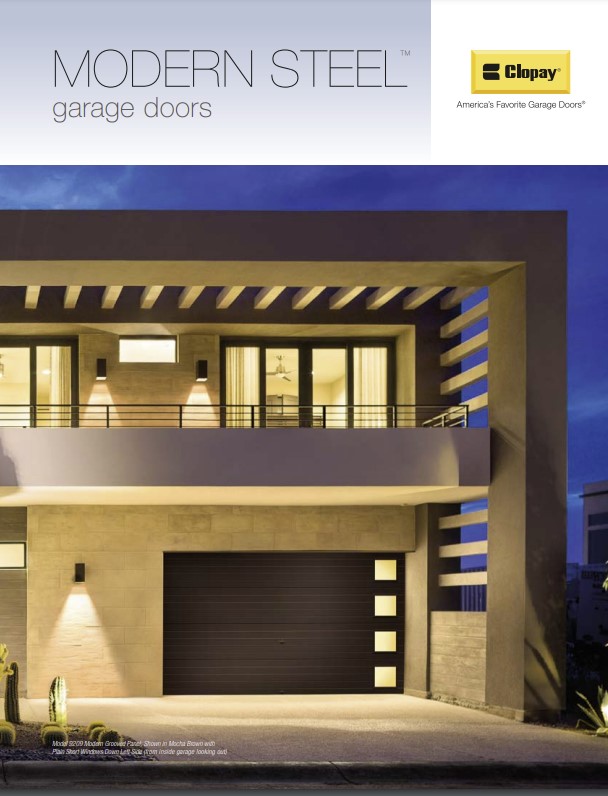
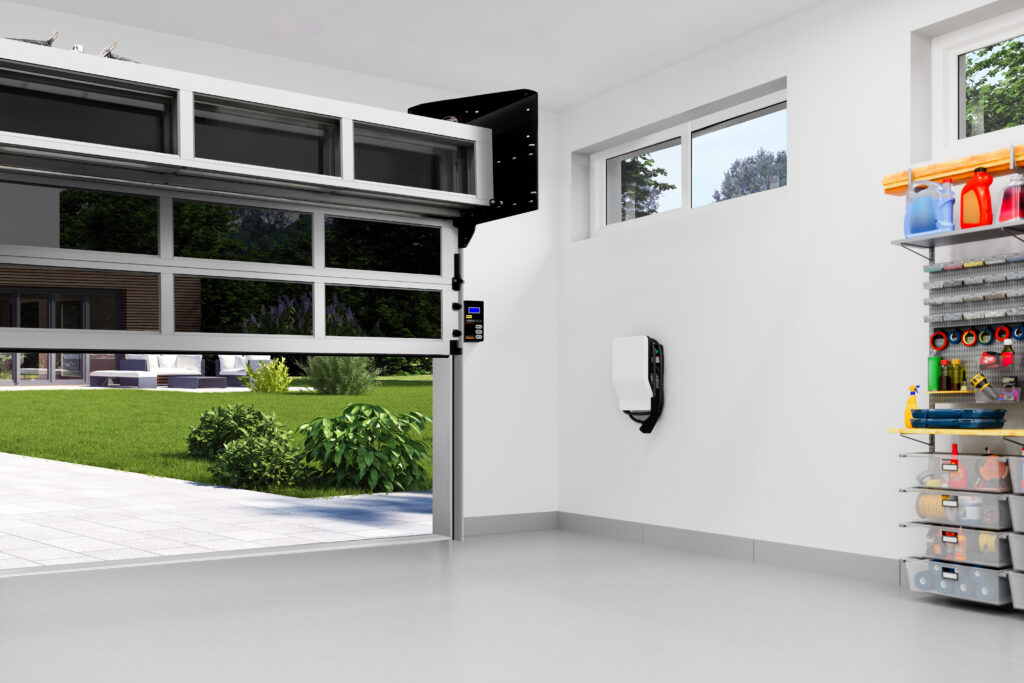
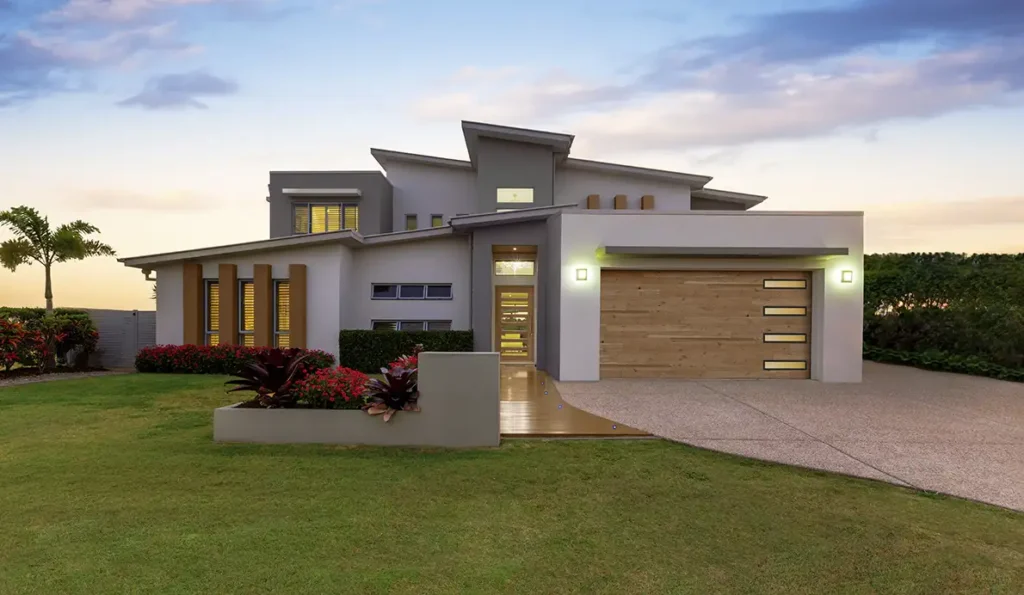
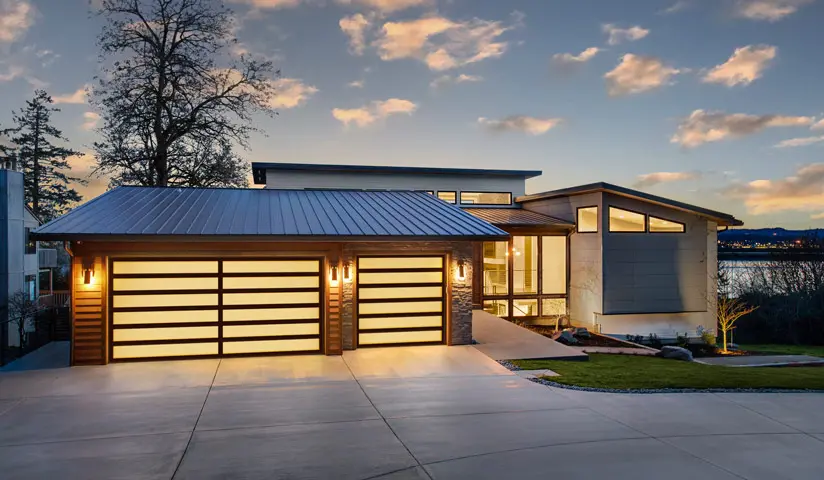
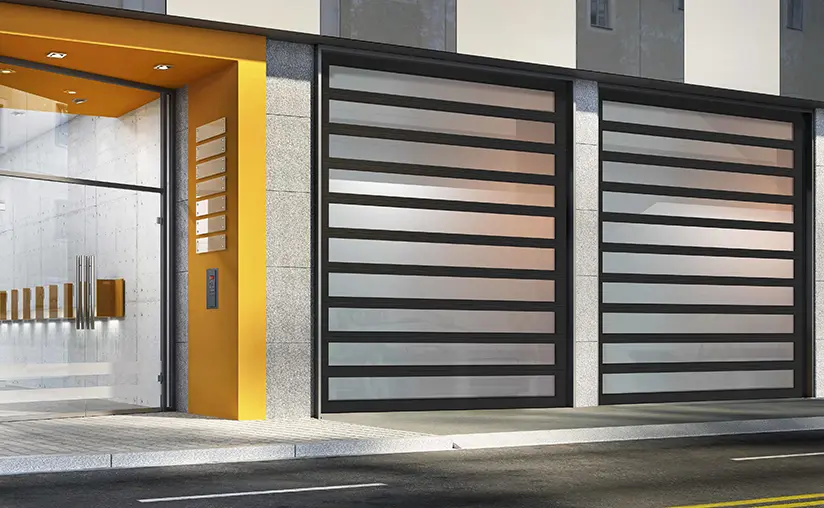
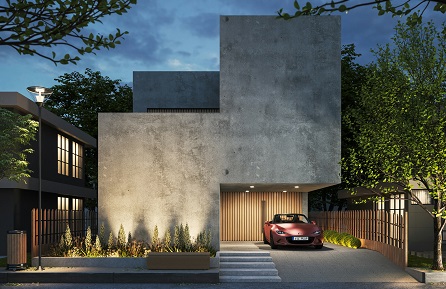
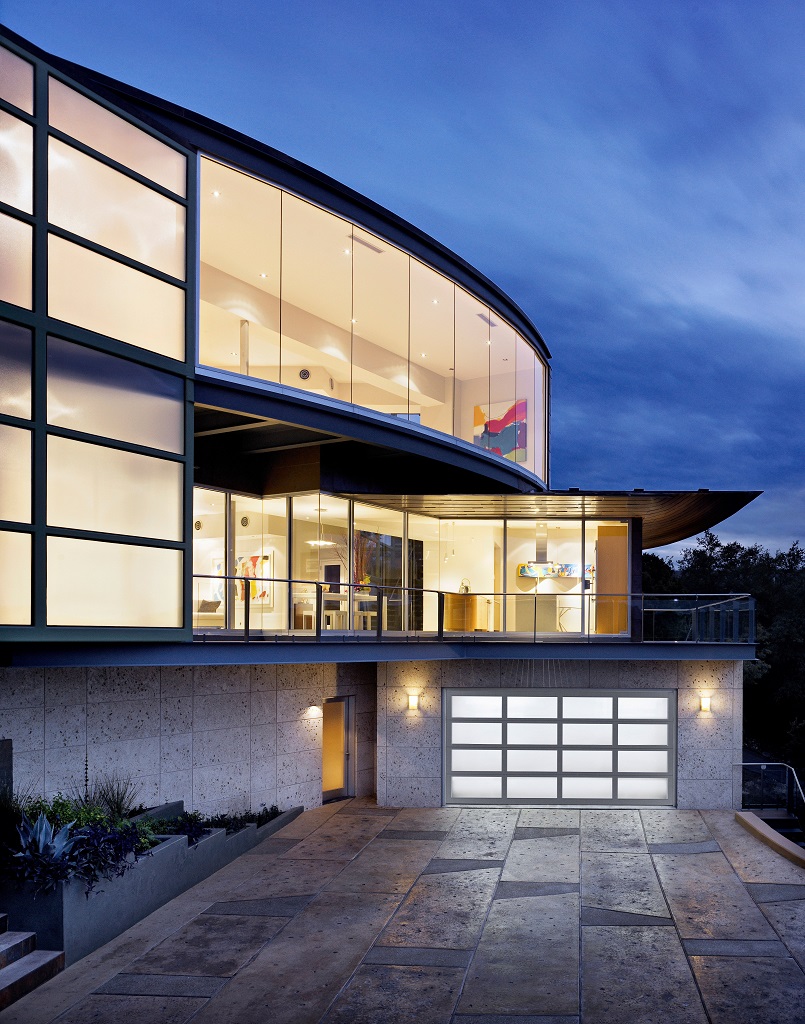
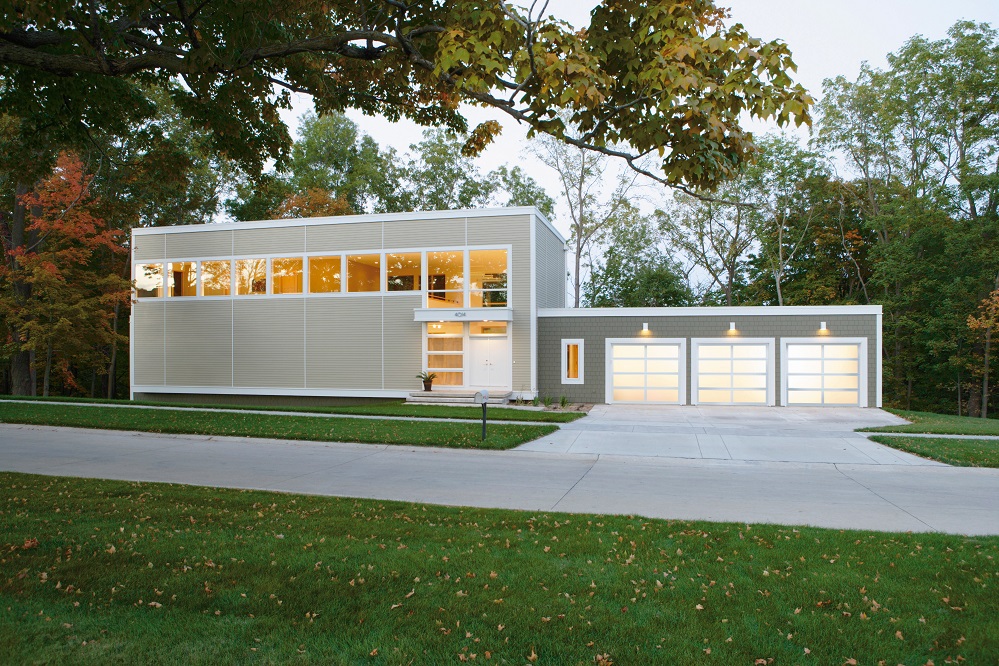
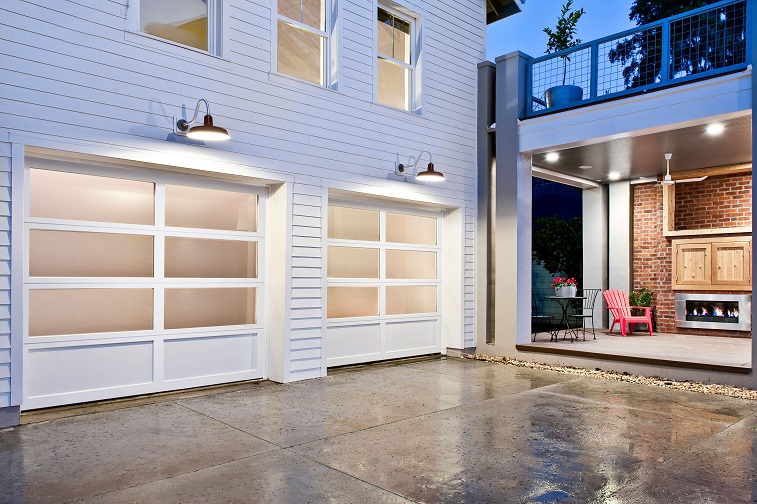
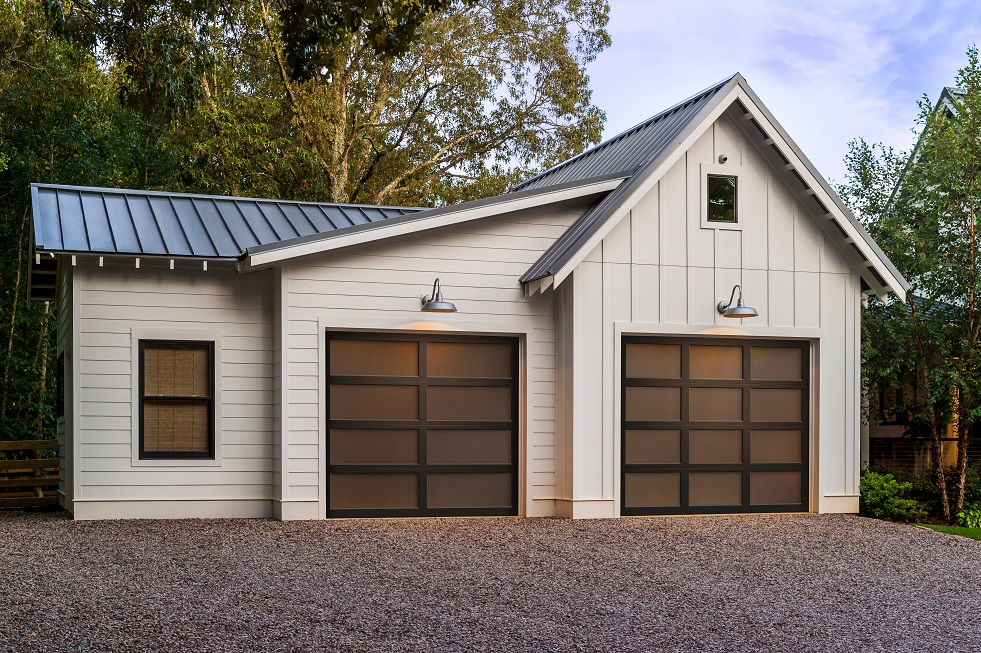
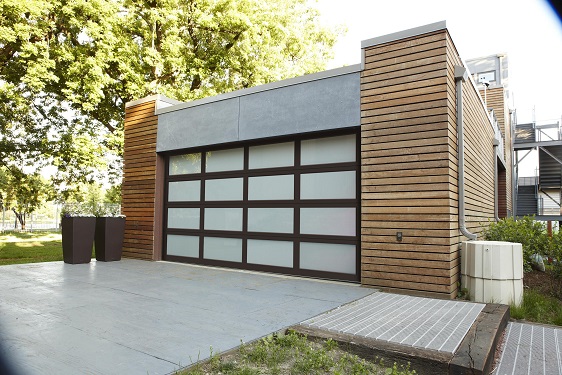
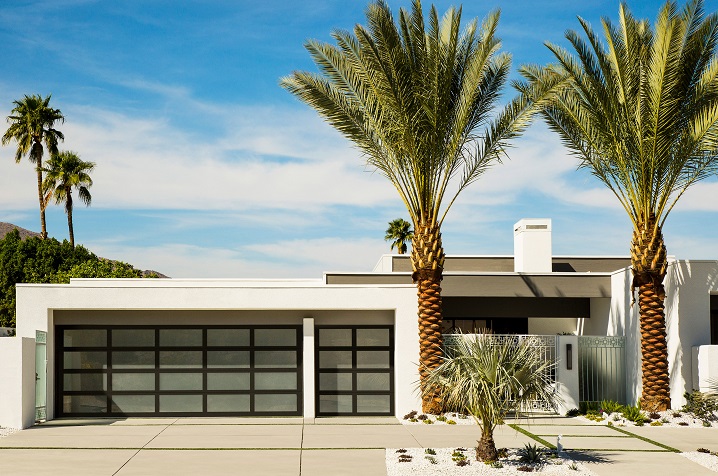
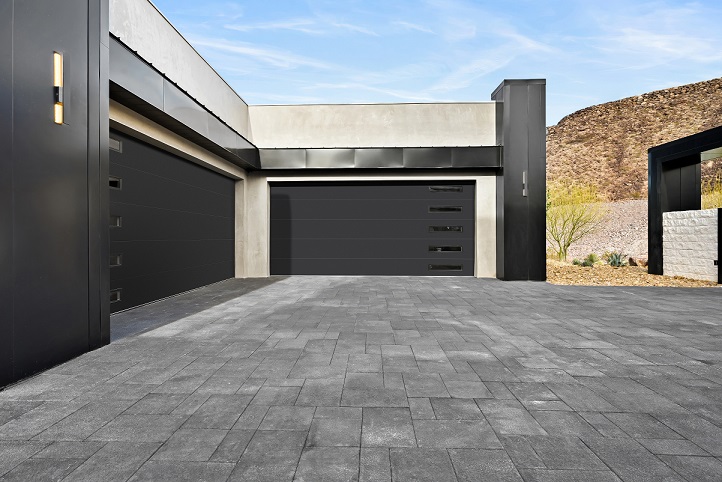
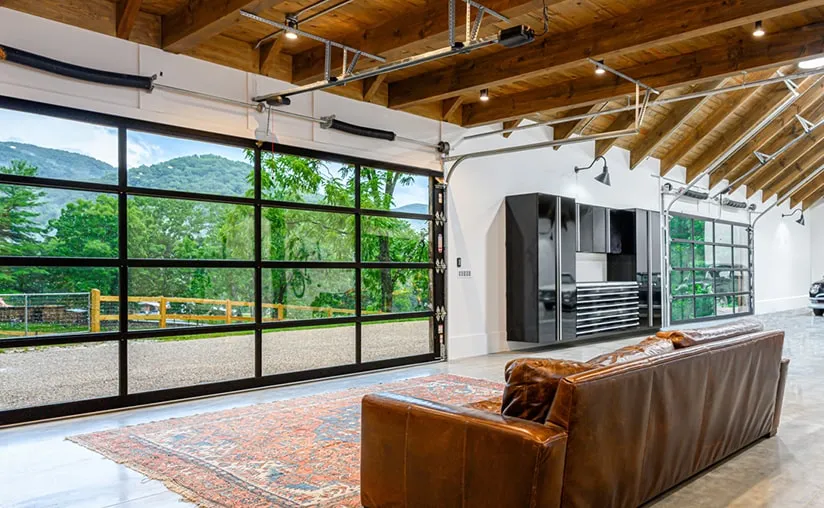
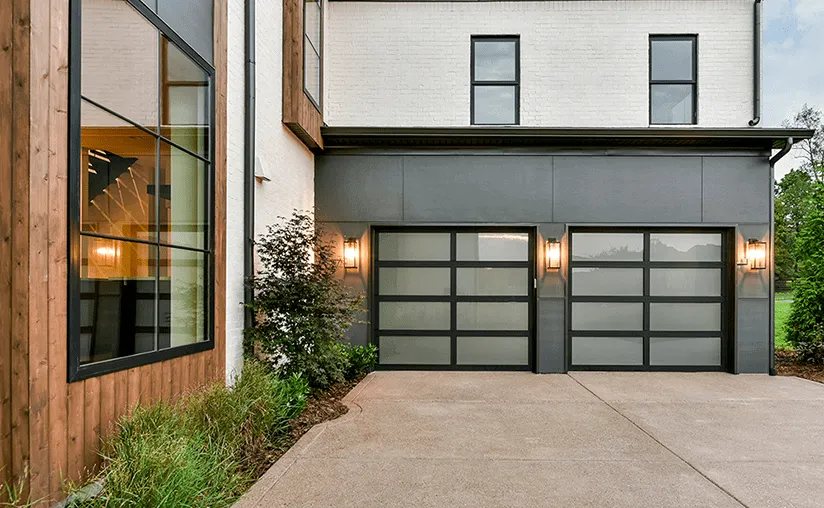
In recent years, the trend has shifted towards even more modern, industrial-inspired designs. Contemporary garage doors often feature large glass panels, sleek metal frames, and minimalist hardware. These doors offer a striking, modern look that complements the clean lines and open spaces of today’s architectural styles.
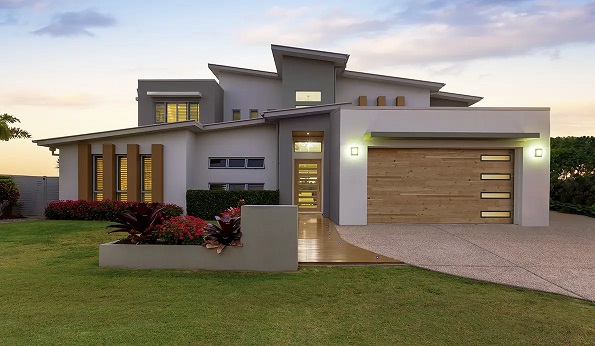
Overall, the evolution of garage door styles over the past 50 years has been a reflection of changing design trends and homeowner preferences. From the classic raised panel doors of the 1970s to the sleek, modern styles of today, the garage door has become an integral part of a home’s overall aesthetic, providing both functionality and visual appeal.