Factors Affecting Garage Door Wind Resistance
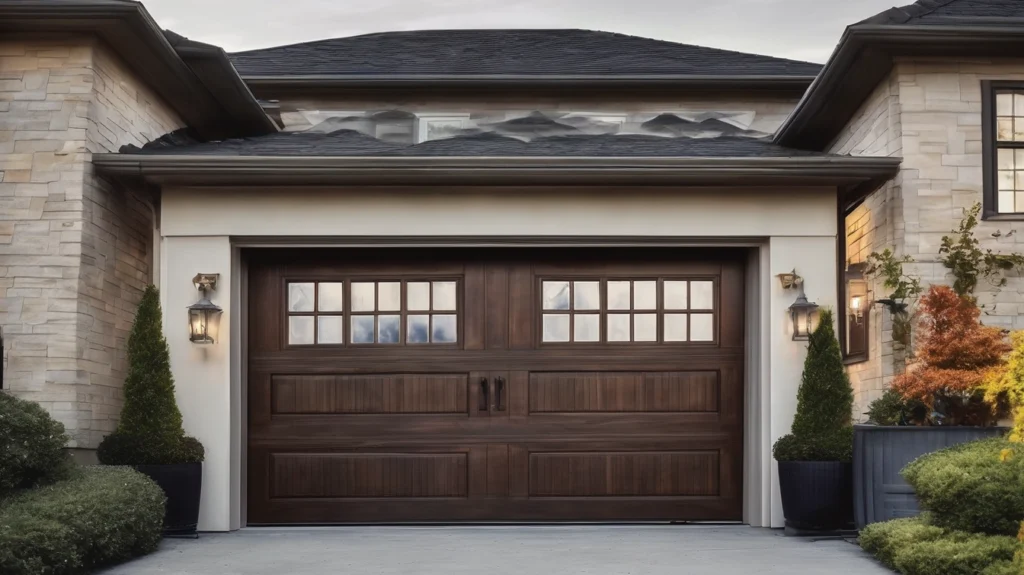
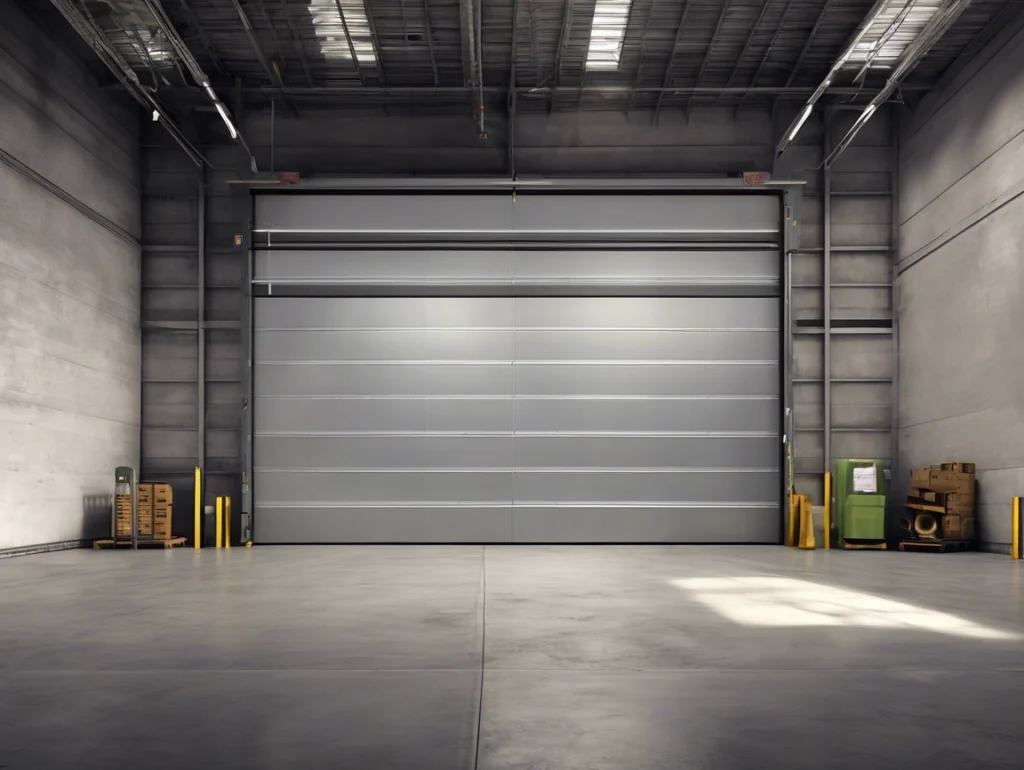
The wind resistance of garage doors is influenced by several critical factors, including material composition, design, and installation techniques. Homeowners should consider these elements when selecting a garage door, especially in regions prone to severe weather. For instance, doors made from high-quality steel or reinforced fiberglass typically offer superior durability against high winds compared to lighter materials like aluminum.
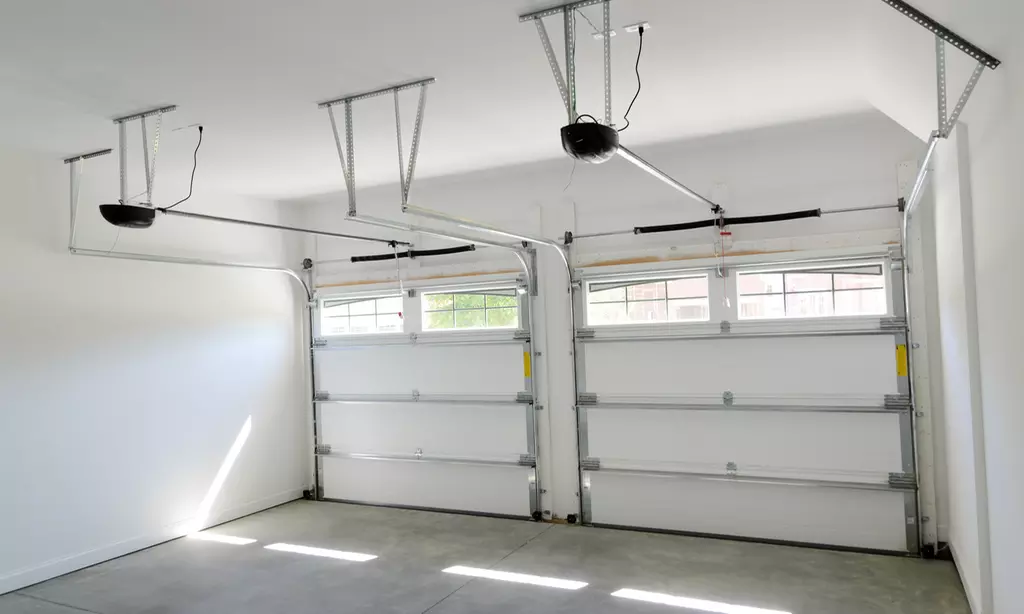
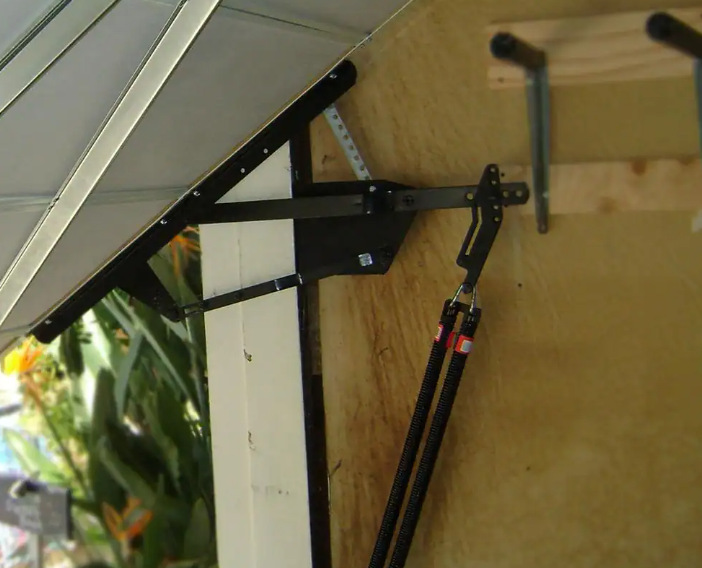
Moreover, the design of the garage door plays a significant role in its ability to withstand wind forces. Doors that feature aerodynamic profiles can effectively deflect wind, reducing the risk of damage. Proper installation is equally crucial; ensuring that all components, such as struts and brackets, are securely fastened can significantly enhance the door's overall resilience against windy conditions.
How to Choose the Right Garage Door for Windy Areas
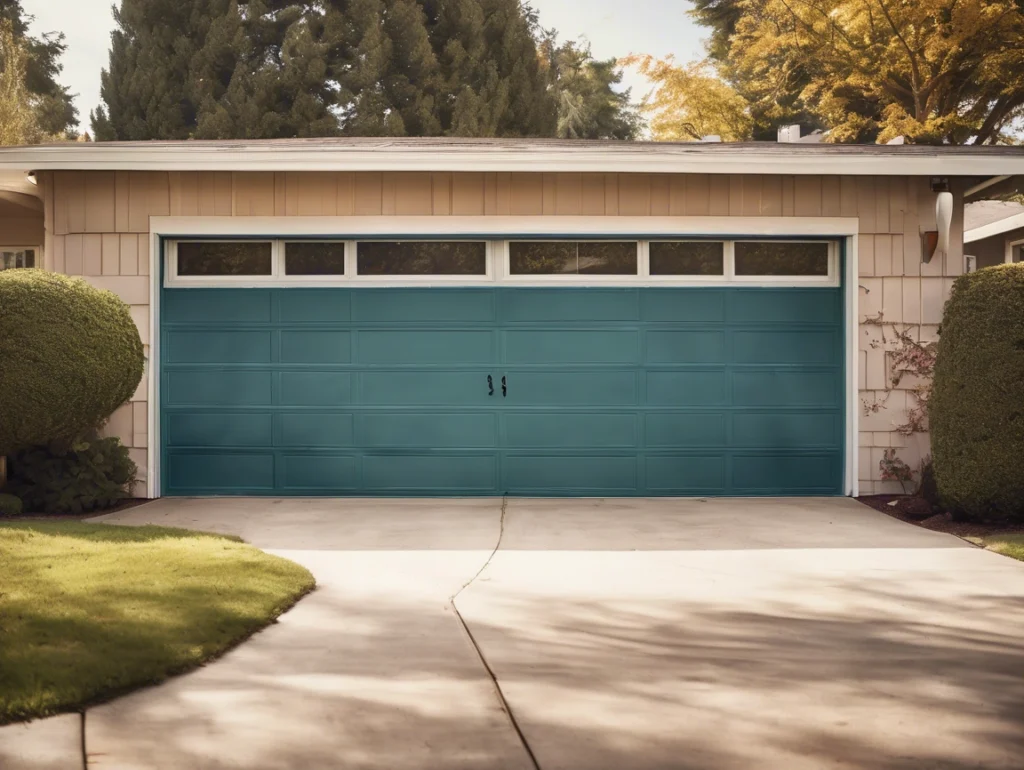
When selecting a garage door for areas with high wind exposure, homeowners should prioritize options that are specifically designed for such conditions. Look for doors that are labeled as 'wind-resistant' or 'hurricane-rated,' as these models undergo rigorous testing to ensure they can withstand strong gusts. It's also advisable to consult with professionals who can recommend specific brands and styles that meet local building codes.
In addition to material and design, consider the door's insulation properties. Insulated doors not only enhance energy efficiency but also provide added strength against wind pressure. Furthermore, features like reinforced tracks and impact-resistant windows can further improve the door's performance in harsh weather, ensuring long-term durability and protection for your home.
Common Misconceptions About Garage Door Wind Resistance
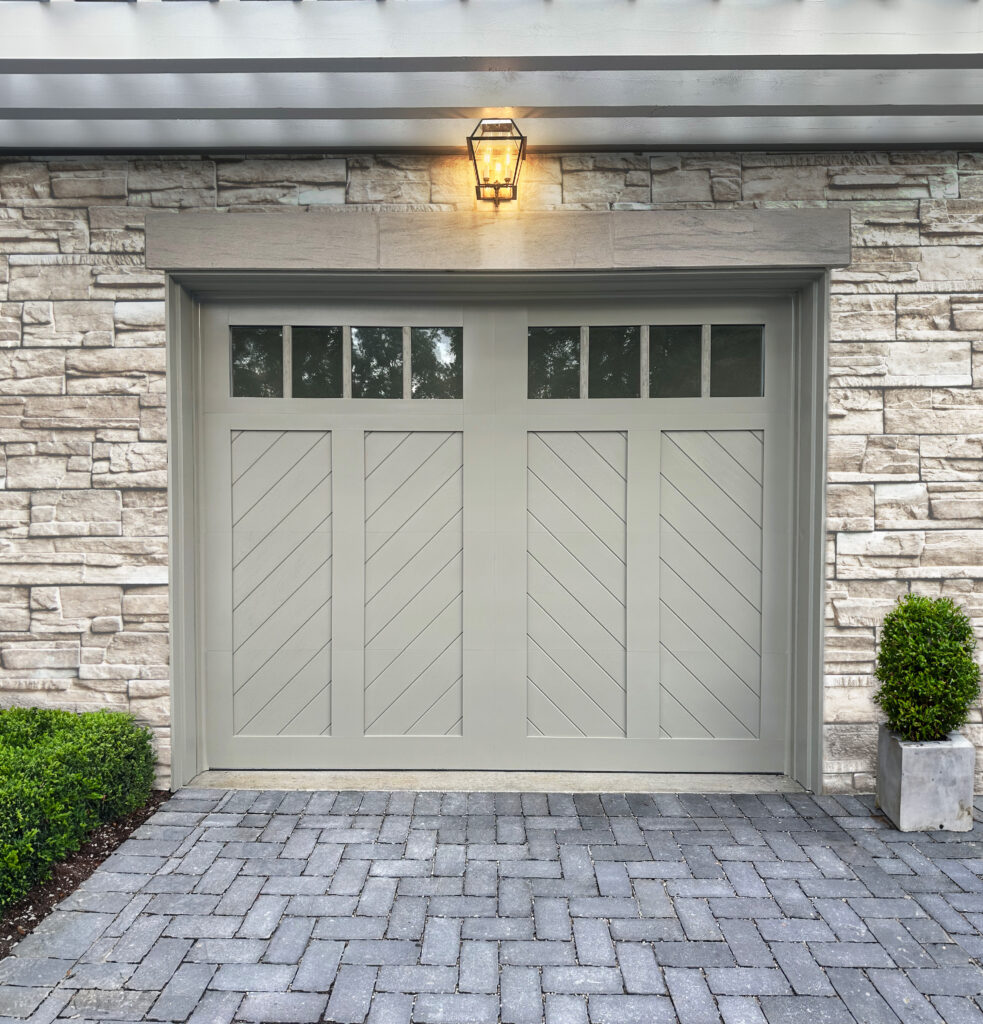
Many homeowners hold misconceptions about the wind resistance of garage doors, often believing that all doors are created equal. In reality, the effectiveness of a garage door against high winds varies significantly based on its construction and materials. For instance, while a solid wood door may appear sturdy, it may not perform as well as a steel door designed specifically for wind resistance.
Another common myth is that older garage doors can be easily retrofitted to improve their wind resistance. While some modifications can enhance performance, it is often more effective to invest in a new, wind-rated door that meets current safety standards. Understanding these misconceptions can help homeowners make informed decisions when it comes to protecting their property from severe weather conditions.
Maintenance Tips for Wind-Resistant Garage Doors
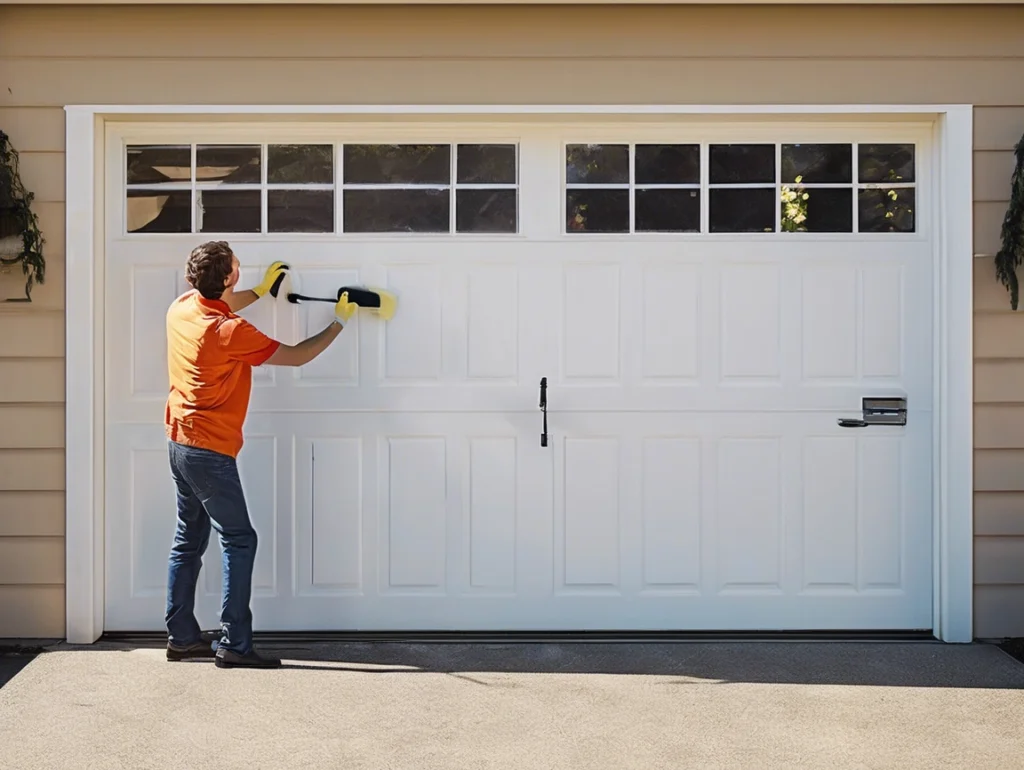
To ensure that wind-resistant garage doors maintain their integrity and performance, regular maintenance is essential. Homeowners should routinely inspect their doors for any signs of wear, including rust, dents, or loose hardware. Lubricating moving parts, such as hinges and rollers, can also prevent operational issues and extend the lifespan of the door.
Additionally, it's crucial to check the seals and weather stripping around the door to prevent wind and moisture infiltration. Replacing worn-out seals can significantly enhance the door's wind resistance. Scheduling professional maintenance at least once a year can help identify potential issues early and ensure that the door remains in optimal condition to withstand harsh weather conditions.