Fire can be one of the most devastating events that a building can face. Flames, smoke, and heat can quickly spread, causing immense damage and putting lives at risk. That’s why fire-rated doors are such a critical component of any building’s fire safety system. These specialized doors are designed to resist the spread of fire, providing a crucial barrier that can mean the difference between life and death.
At their core, fire-rated doors are constructed with materials that can withstand high temperatures and prevent the passage of flames and smoke for a specified period of time. This time period, known as the fire rating, is typically measured in hours and can range from 20 minutes up to 3 hours or more, depending on the door’s intended use and the building’s fire safety requirements.
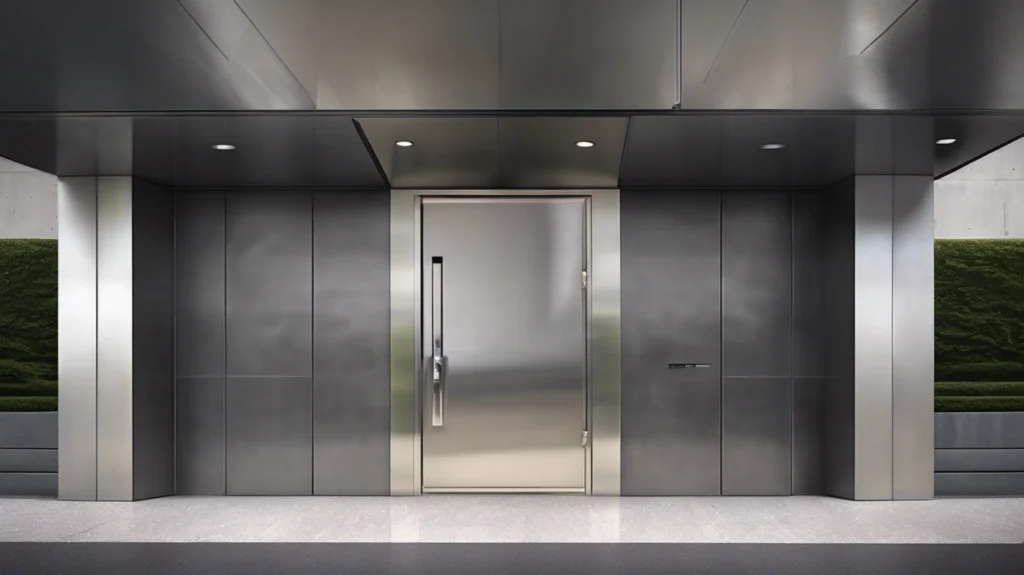
The materials used in fire-rated doors are carefully selected to provide maximum protection. The door itself is often made of heavy-duty steel or wood, with a core that may consist of fire-resistant materials like gypsum, mineral wool, or specialized insulation. The door frame is also designed to be fire-resistant, with seals and gaskets that create a tight seal when the door is closed, preventing the spread of smoke and flames.
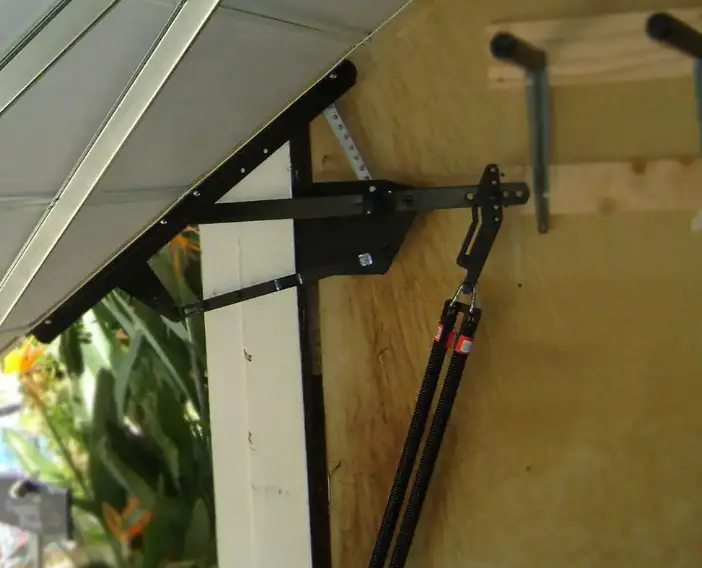
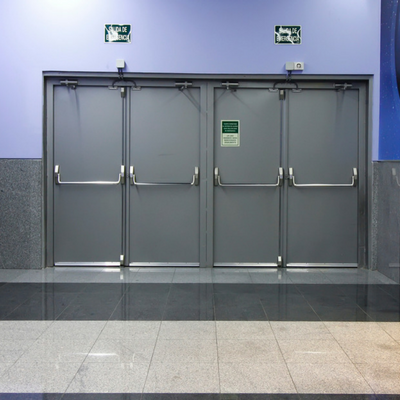
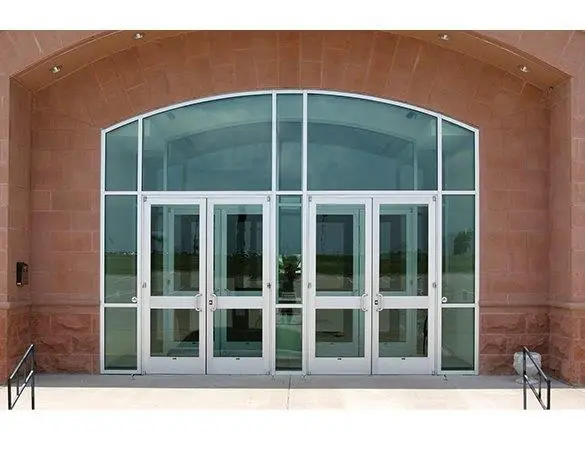
In addition to the door and frame, fire-rated doors also feature specialized hardware that is essential to their function. This includes hinges, latches, and closers that are rated for fire resistance, ensuring that the door can withstand the intense heat and pressure of a fire without failing. Some fire-rated doors may also incorporate features like vision panels, which allow for visibility while still maintaining the door’s fire-resistant properties.
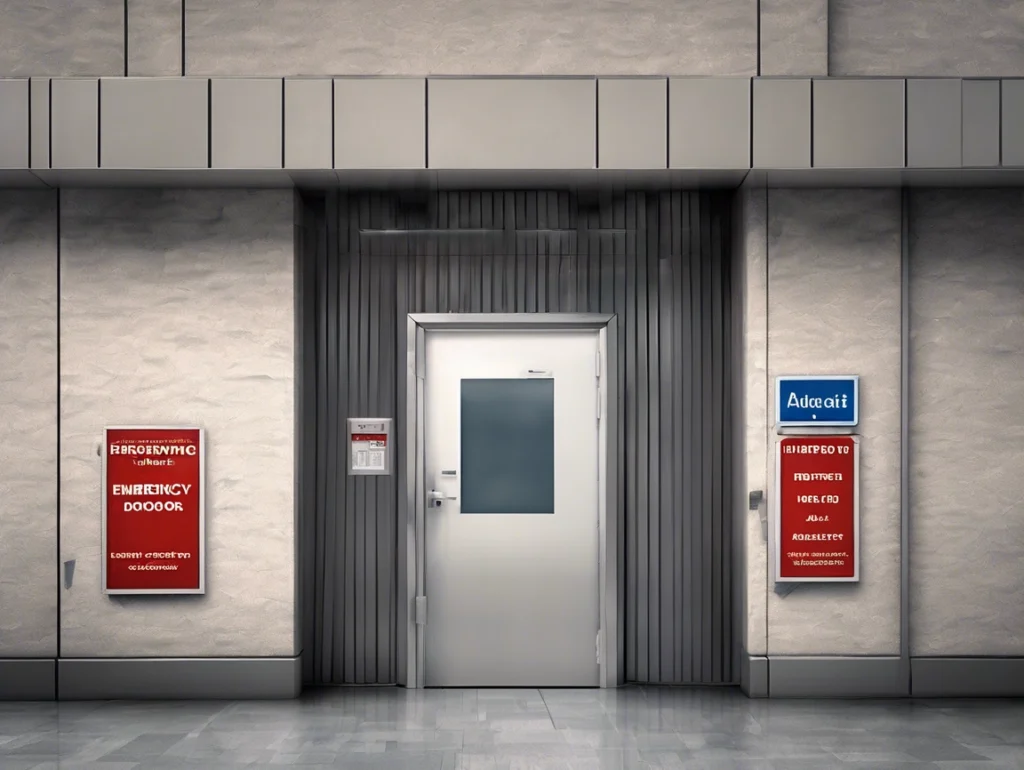
One of the key benefits of fire-rated doors is their ability to compartmentalize a building, creating a series of fire-resistant barriers that can slow the spread of a fire and give occupants more time to evacuate. By containing the fire to a specific area, these doors can also protect critical infrastructure, such as stairwells, elevators, and emergency exits, ensuring that they remain accessible and functional during a fire emergency.
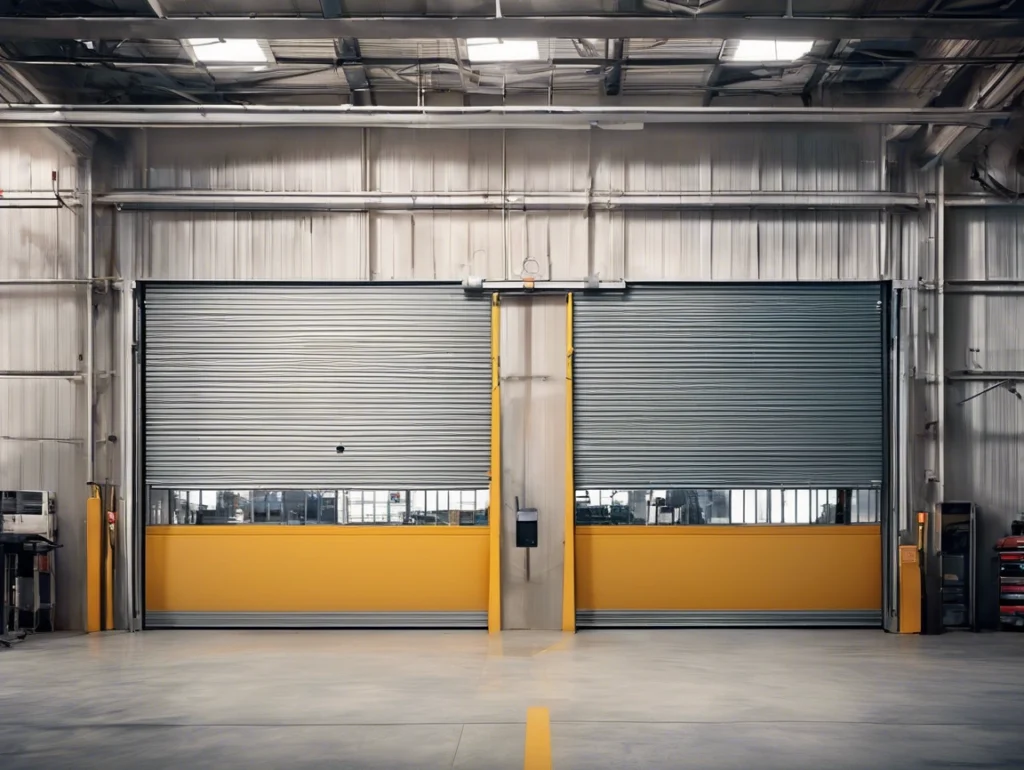
Fire-rated doors are required by building codes and fire safety regulations in a wide range of commercial and institutional settings, including office buildings, schools, hospitals, hotels, and industrial facilities. In many cases, the specific fire rating required for a door will depend on the building’s size, occupancy, and the overall fire risk assessment.
Proper installation and maintenance of fire-rated doors are also crucial to their effectiveness. These doors must be installed according to the manufacturer’s instructions and local building codes, and they should be regularly inspected and tested to ensure that they are functioning correctly. Failure to maintain fire-rated doors can compromise their fire-resistant properties and put building occupants at risk.
In conclusion, fire-rated doors are an essential component of any comprehensive fire safety strategy. By providing a reliable barrier against the spread of flames and smoke, these specialized doors can save lives, protect property, and help ensure the continued operation of critical building systems during a fire emergency. As building owners and managers work to enhance the fire safety of their facilities, the importance of fire-rated doors cannot be overstated.