As the summer heat intensifies and temperatures soar, homeowners are increasingly seeking effective ways to maintain a comfortable and cool environment in their garages. The type of garage door you choose can have a significant impact on your ability to keep the heat at bay and ensure a pleasant temperature inside. In this comprehensive blog, we’ll explore the various garage door options that excel at insulating against the sun’s scorching rays, helping you make an informed decision for your home and enhancing your overall comfort.
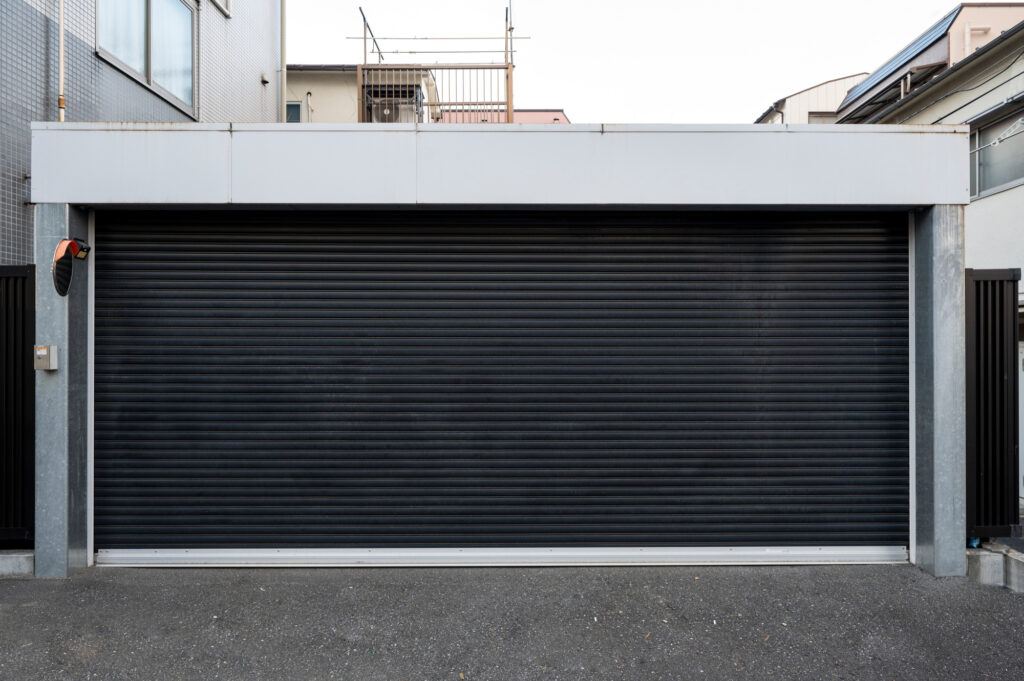
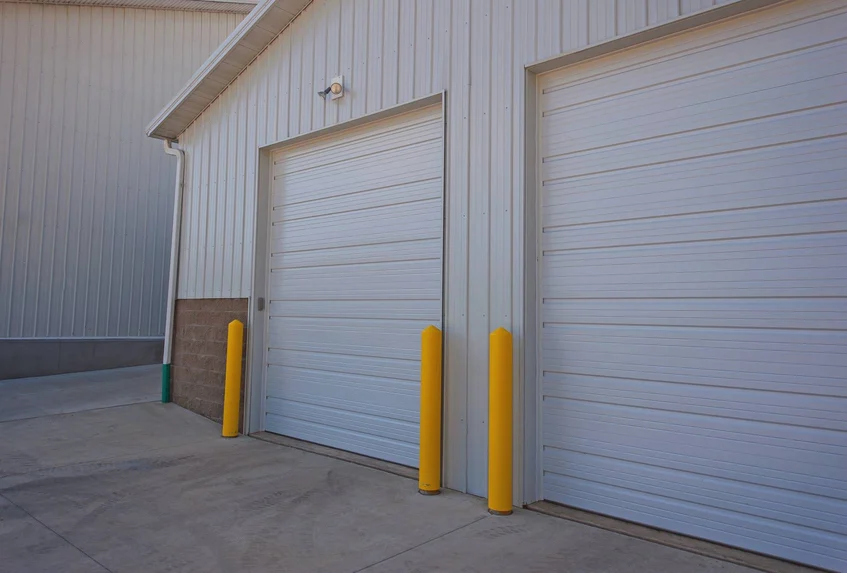
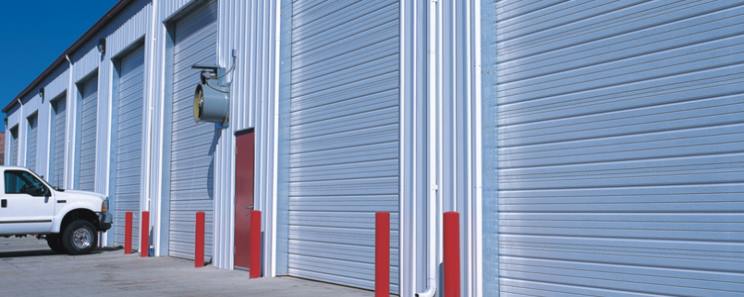
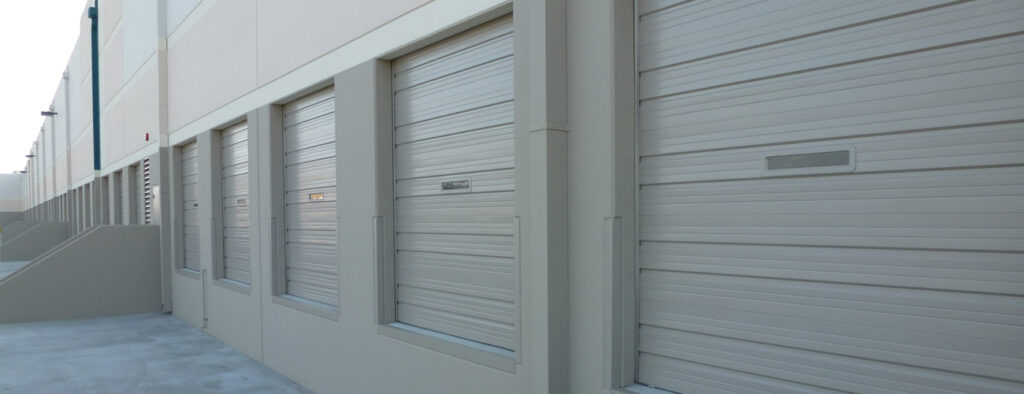
One of the most effective options for heat insulation is the insulated steel garage door. These doors are constructed with layers of steel and filled with insulating materials such as polyurethane or polystyrene. This combination not only provides excellent thermal resistance but also adds durability and strength to the door. Insulated steel doors are particularly effective at reflecting heat away from the garage, keeping the interior significantly cooler during the hottest months.
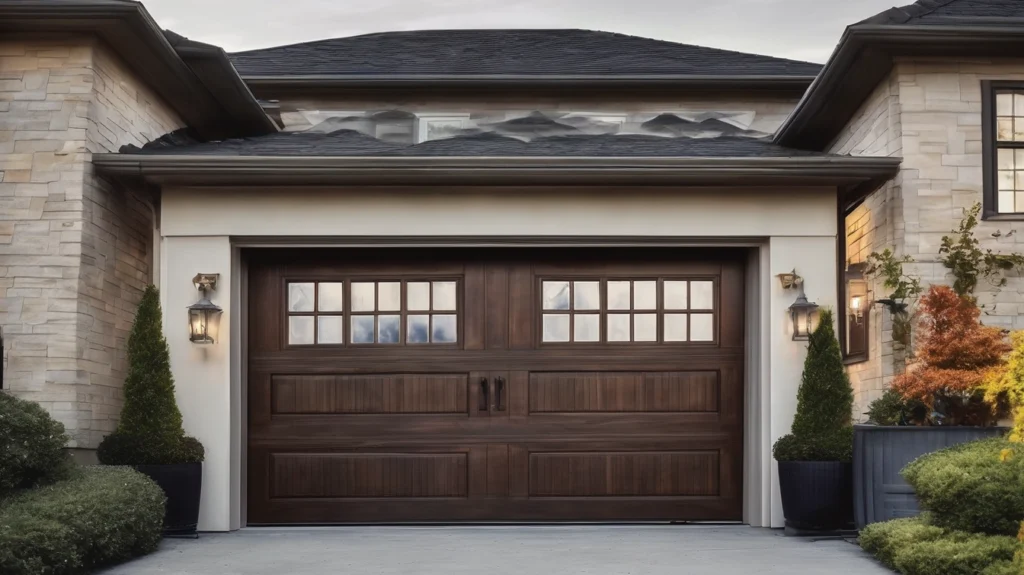
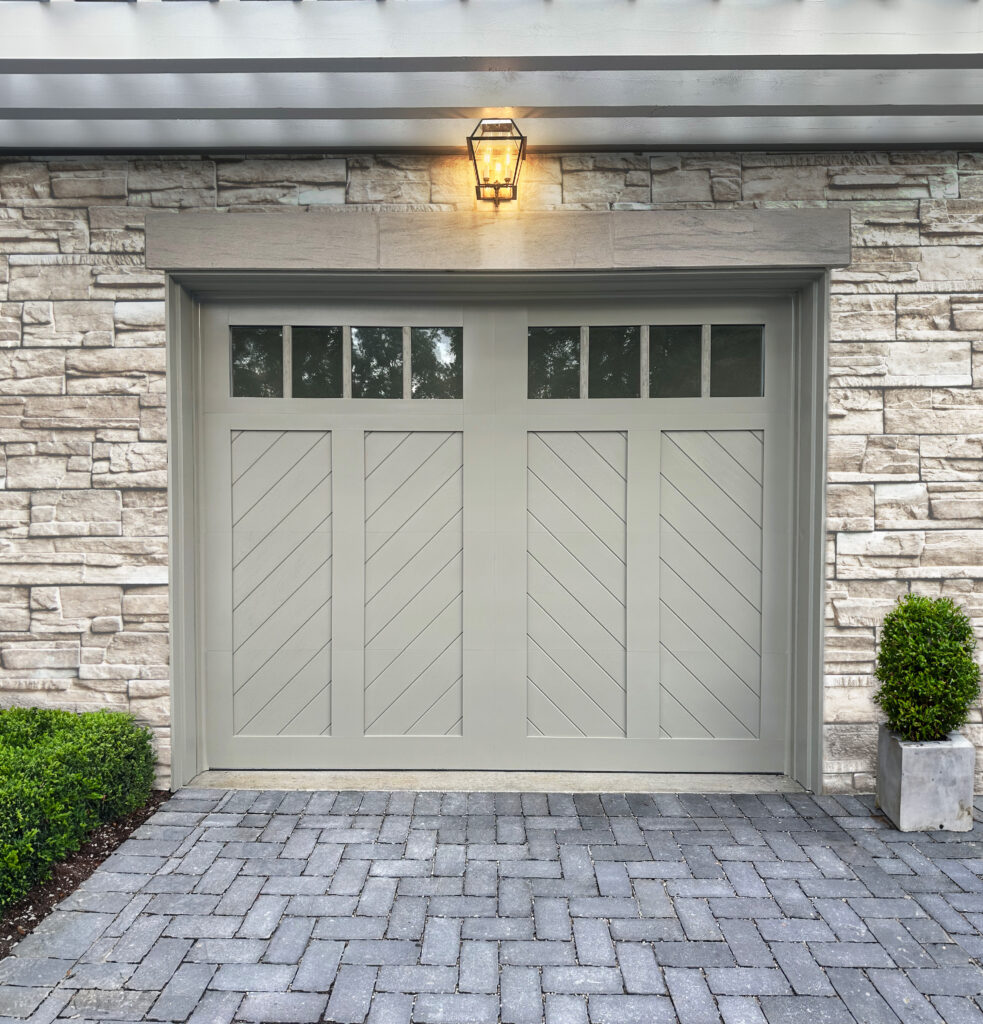
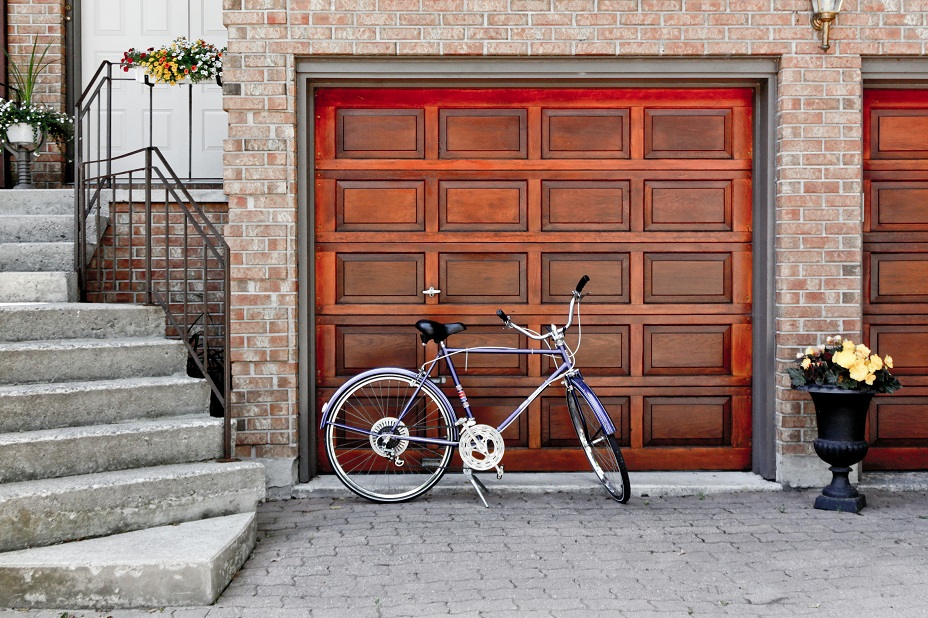
Another popular choice is the wooden garage door, which offers natural insulating properties. Wood is a poor conductor of heat, meaning it does not easily transfer heat from the outside to the inside. Additionally, wooden doors can be customized with added insulation materials to further enhance their thermal performance. While wooden doors require more maintenance to protect against weathering, their aesthetic appeal and insulating capabilities make them a worthwhile consideration.
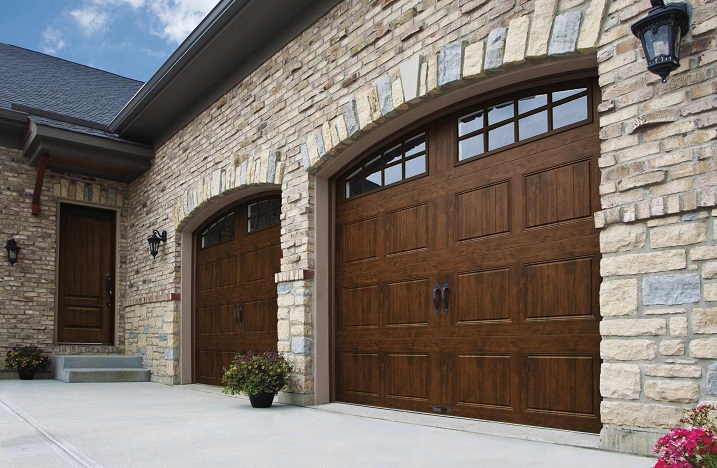
For those seeking a modern and energy-efficient solution, fiberglass garage doors are an excellent option. Fiberglass is known for its lightweight and durable properties, and when combined with insulation, it provides superior thermal resistance. These doors are also resistant to warping and cracking, making them a low-maintenance choice for homeowners. Fiberglass doors can be designed to mimic the appearance of wood, offering both style and functionality.
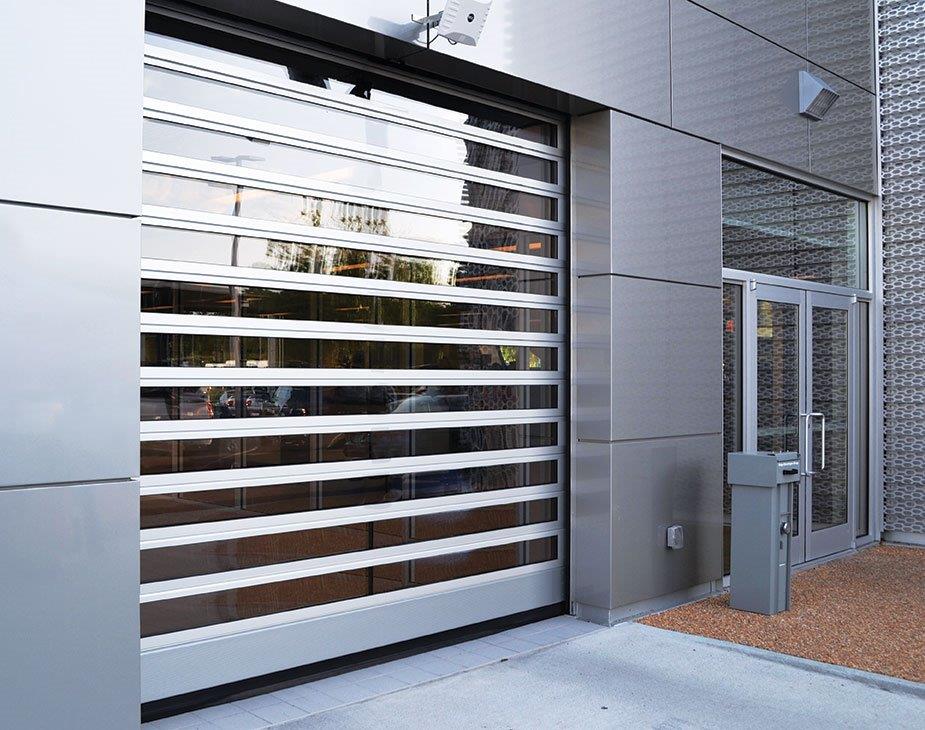
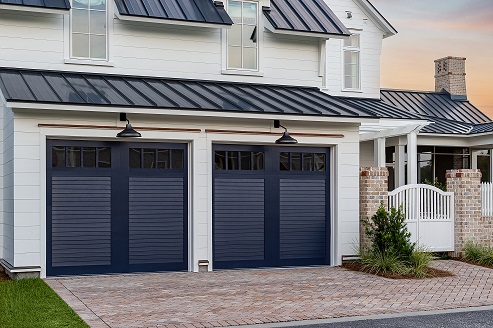
Aluminum garage doors with insulation are another viable option for heat insulation. Aluminum is a lightweight and corrosion-resistant material, and when paired with insulating materials, it can effectively reduce heat transfer. These doors are available in various styles and finishes, allowing homeowners to choose a design that complements their home’s exterior while providing the necessary thermal protection.
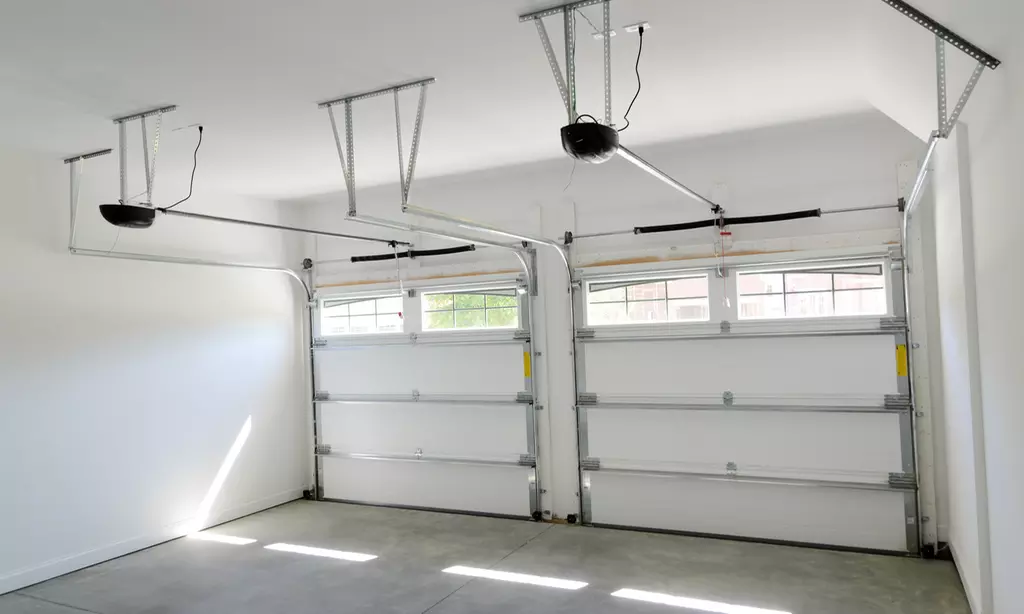
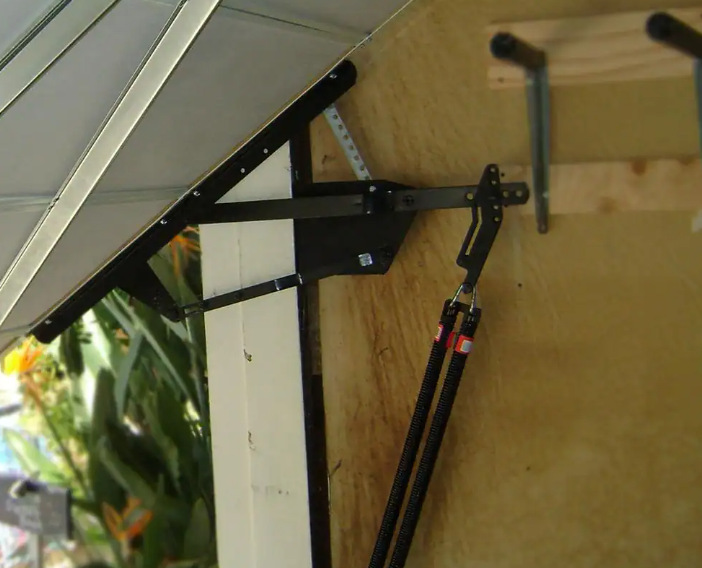
In addition to selecting the right material, it’s important to consider the overall construction and design of the garage door. Look for doors with weatherstripping and seals that prevent hot air from entering and cool air from escaping. Proper installation is also crucial to ensure that there are no gaps or leaks that could compromise the door’s insulating capabilities.
In conclusion, keeping your garage cool during the summer months requires careful consideration of the type of garage door you choose. Insulated steel, wooden, fiberglass, and aluminum doors all offer unique benefits in terms of heat insulation. By selecting a door with the right materials and construction, you can effectively reduce heat transfer and maintain a comfortable temperature in your garage. Investing in a high-quality, insulated garage door not only enhances your comfort but also contributes to energy efficiency and the overall value of your home.