Navigating the Chill: Choosing the Ideal Garage Door for Cold Weather Living
As the temperatures drop and the winter winds start to howl, the importance of having the right garage door becomes increasingly apparent for those living in cold climates. The garage door plays a crucial role in maintaining the warmth and energy efficiency of your home, acting as a barrier against the harsh outdoor elements. When selecting a garage door for cold weather, there are several key factors to consider to ensure your home stays cozy and comfortable all season long.
Insulation is the name of the game when it comes to garage doors built for cold weather. Traditional single-layer garage doors simply don’t provide enough thermal protection, allowing cold air to seep in and warm air to escape. This can lead to a significant increase in heating costs as your HVAC system struggles to compensate. Opt instead for a garage door with a multi-layered, insulated design. These doors typically feature a sturdy outer shell, a thick layer of insulation, and an inner lining that helps trap heat and block the cold.
The R-value, which measures a material’s resistance to heat flow, is a key specification to look for when comparing insulated garage door options. The higher the R-value, the better the door’s insulating properties. For cold weather climates, experts recommend a minimum R-value of 12, with 16 or higher being ideal. This level of insulation can make a noticeable difference in your home’s temperature regulation and energy efficiency.
In addition to superior insulation, cold weather garage doors should also be designed to minimize air leaks. Look for doors with weather-stripping around the perimeter and along the bottom edge, creating a tight seal that prevents drafts from seeping in. Some models even feature built-in thermal breaks, which further enhance the door’s ability to block the transfer of cold from the outside to the inside.
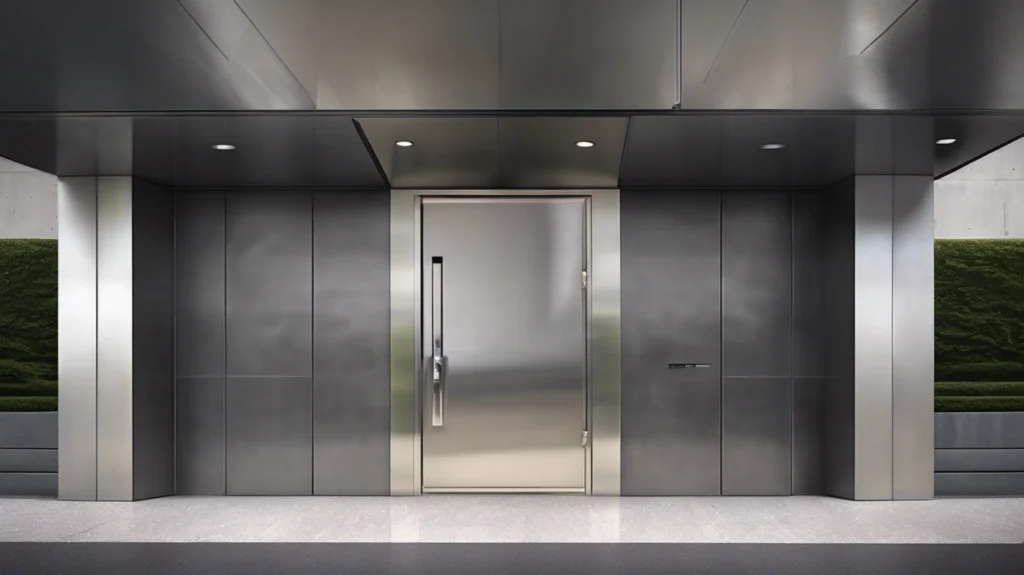
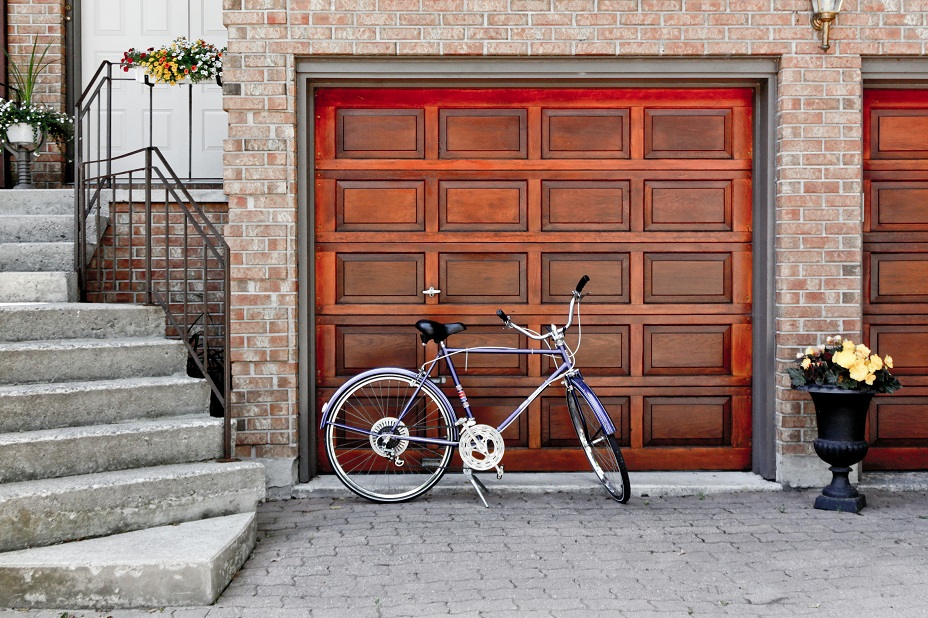
The material composition of the garage door itself is another important consideration. Steel and aluminum are popular choices for their durability and low maintenance requirements, but they can be susceptible to contracting and expanding in extreme temperature fluctuations. Wooden garage doors, on the other hand, tend to be more resistant to the effects of cold weather, though they do require more upkeep. Fiberglass is another material worth exploring, as it offers a balance of insulating properties, weather resistance, and design flexibility.
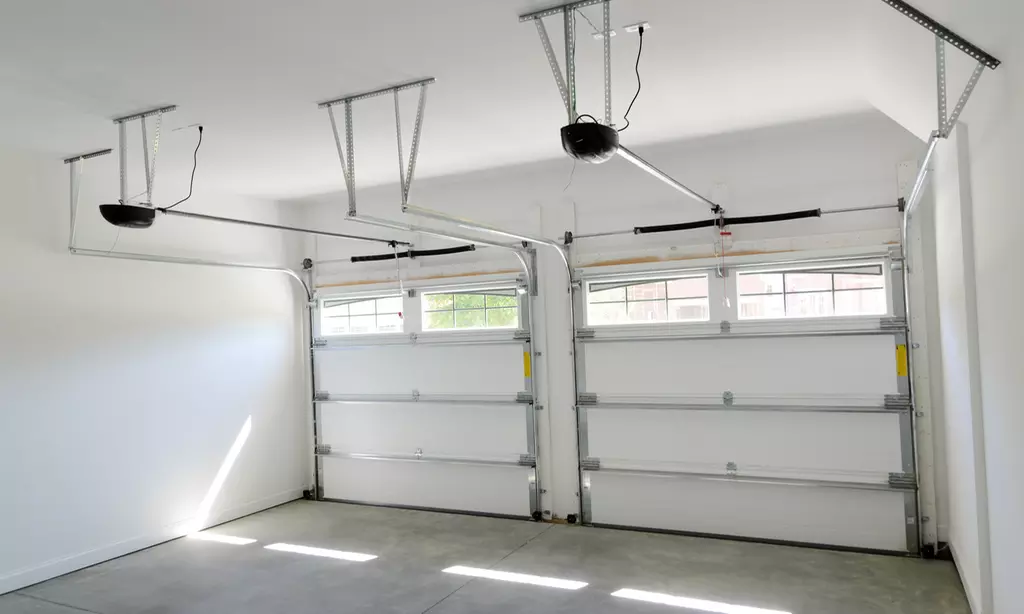
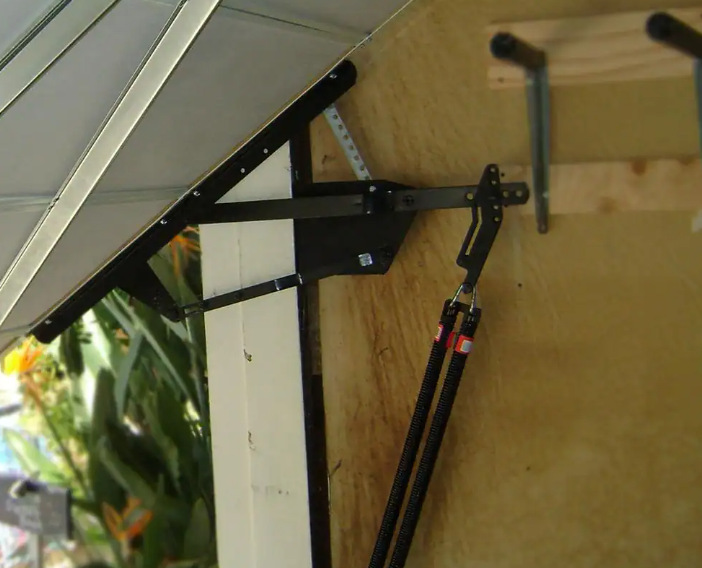
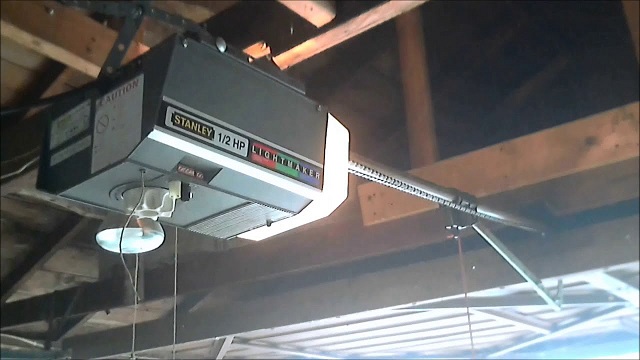
When it comes to the door’s construction, look for features that can withstand the rigors of cold weather. Reinforced hinges, heavy-duty springs, and sturdy track systems are all important elements that can help prevent issues like binding, sticking, or even complete failure during the winter months. Some manufacturers even offer specialized cold weather kits that include additional hardware and lubricants to keep the door operating smoothly in freezing temperatures.
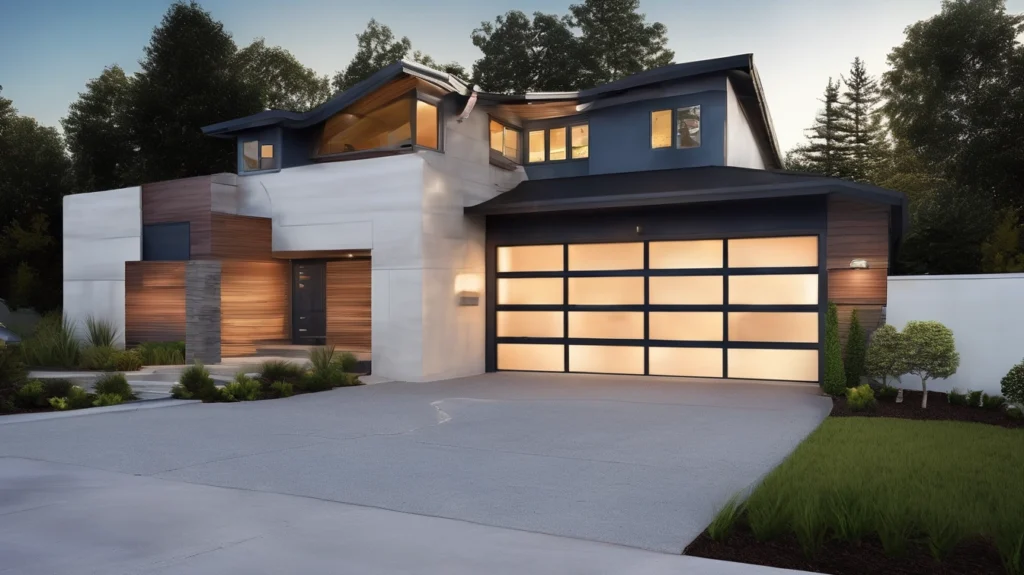
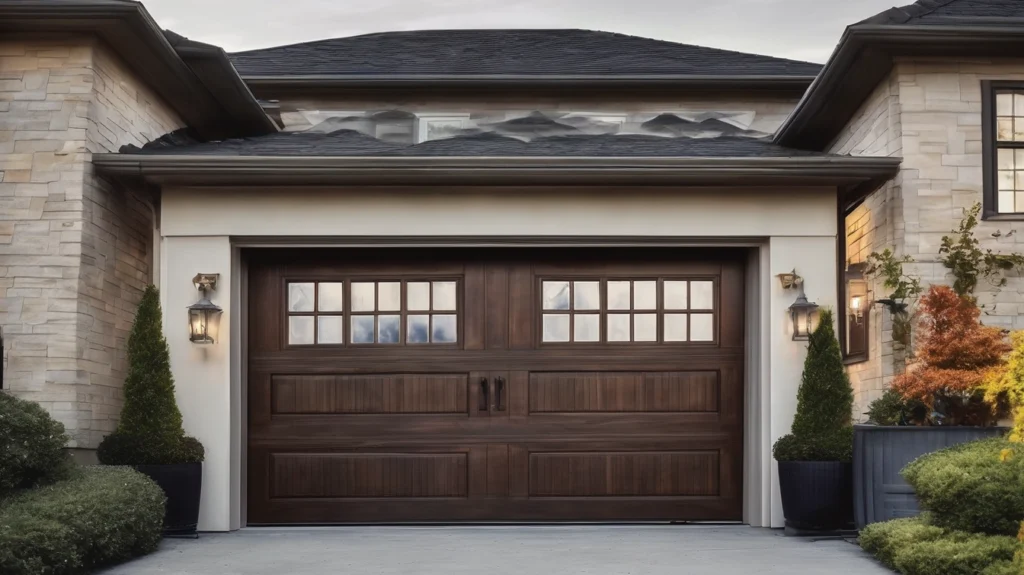
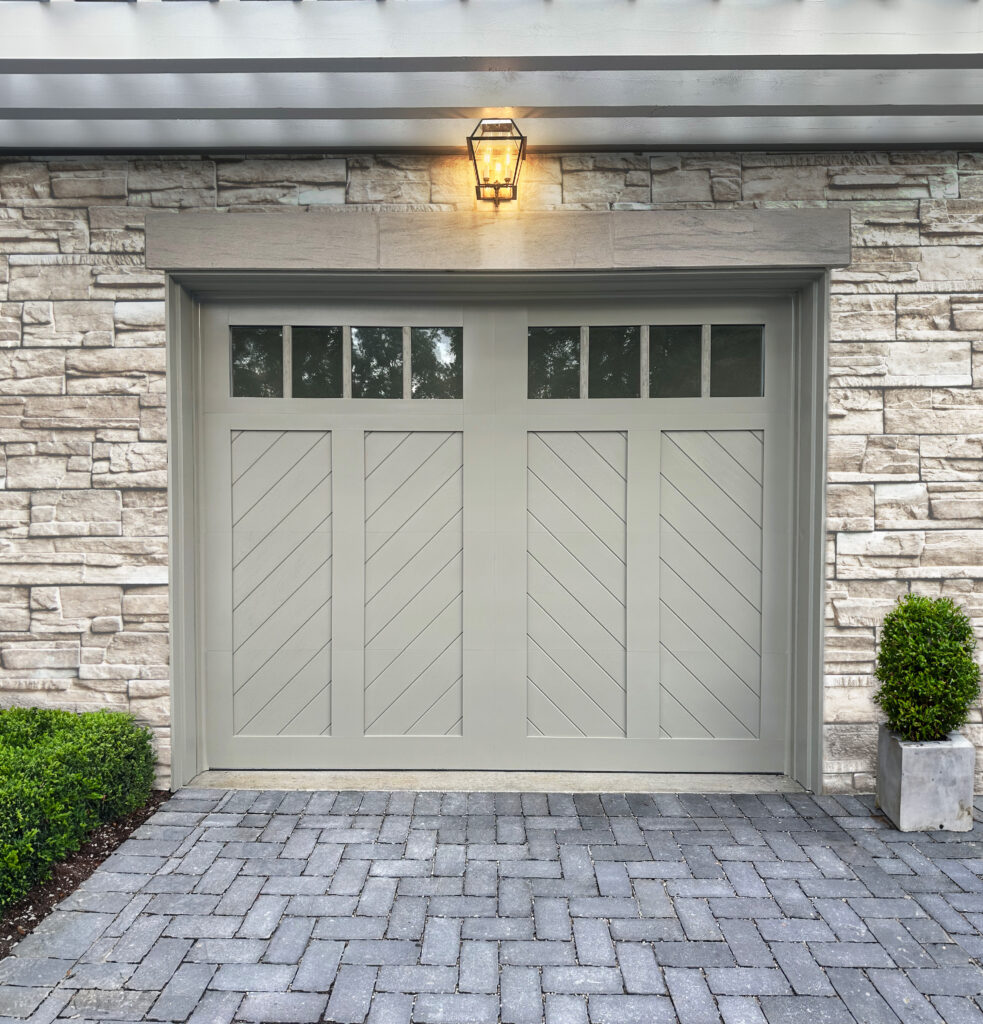
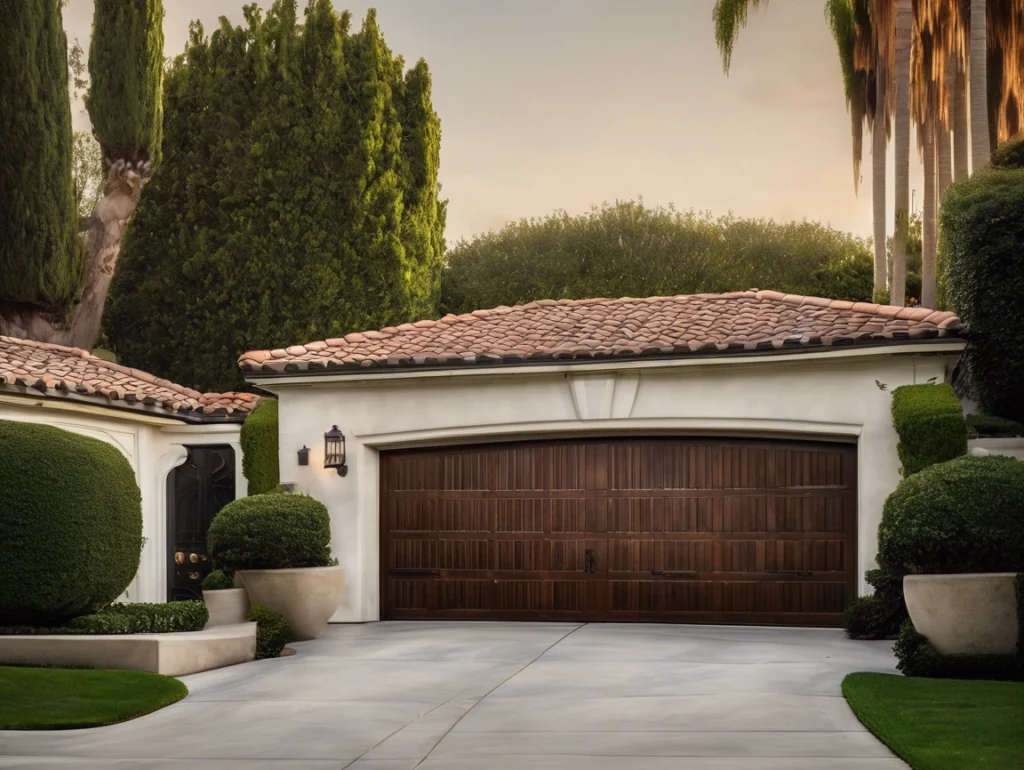
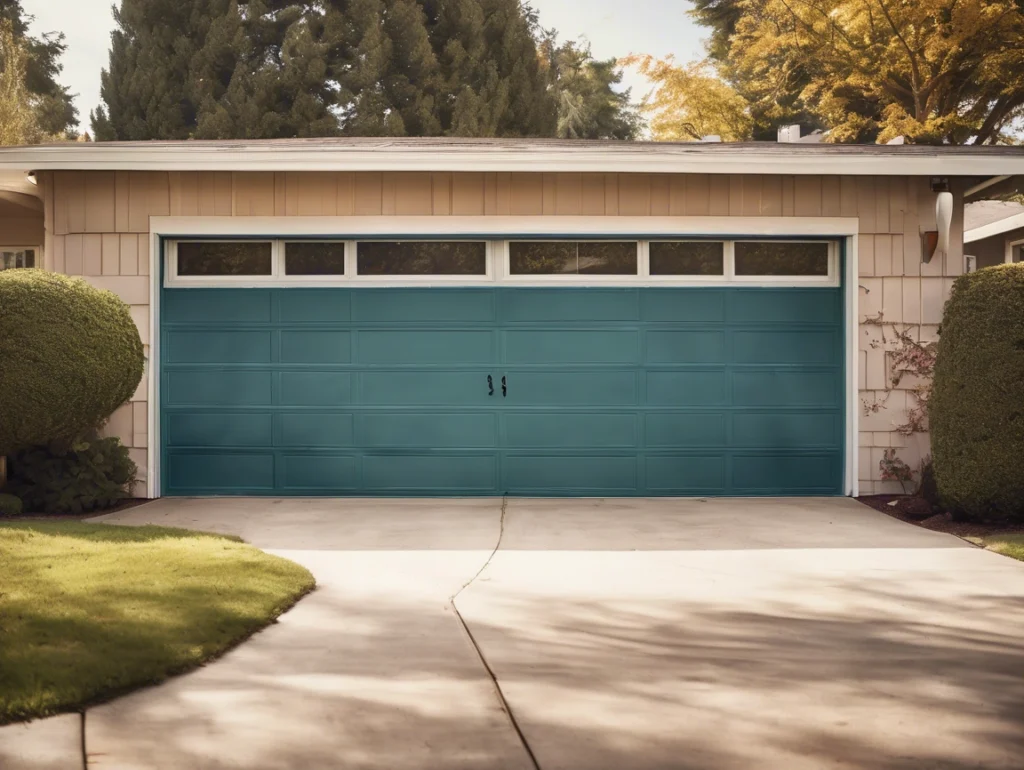
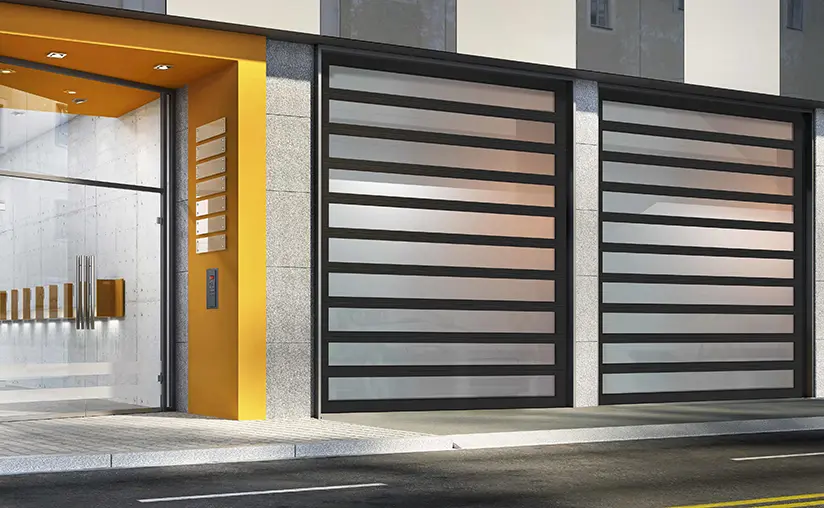
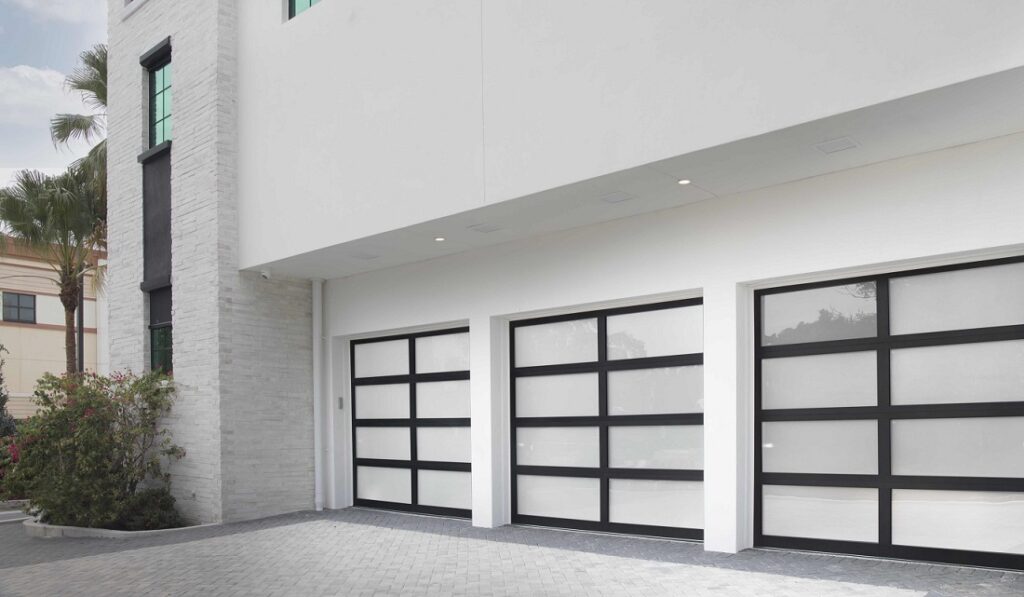
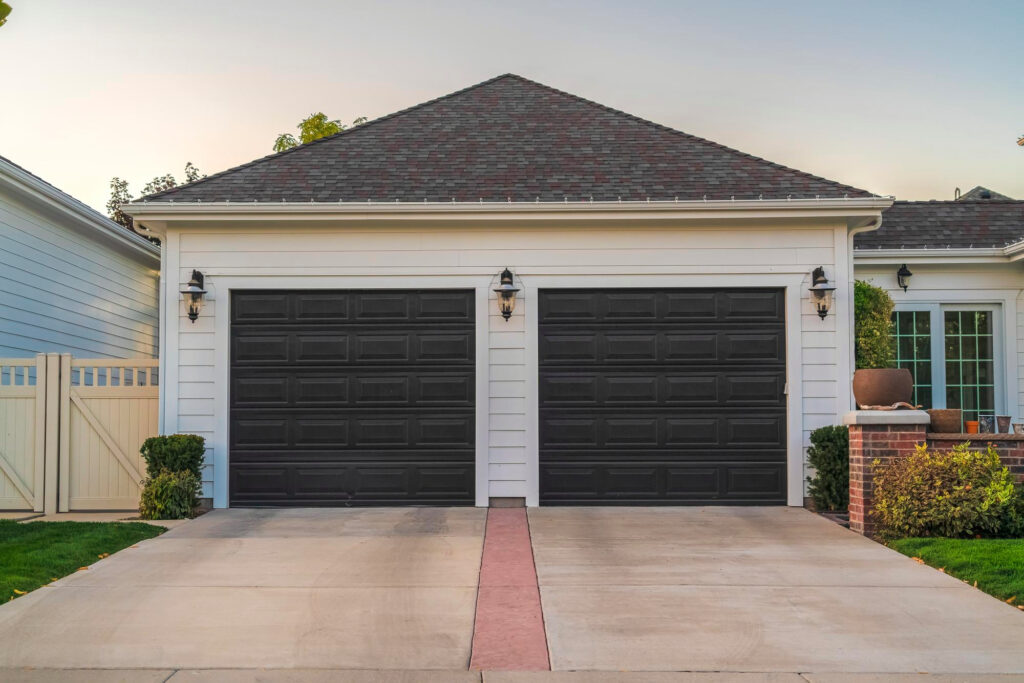
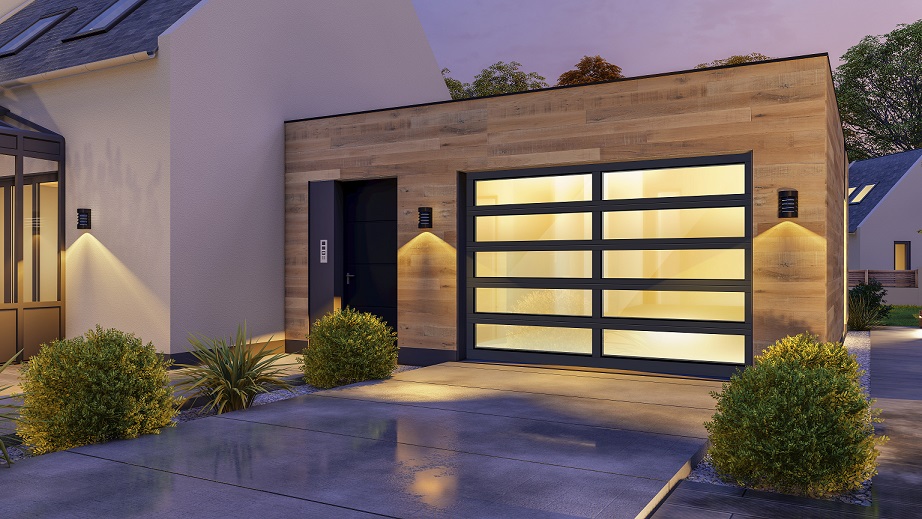
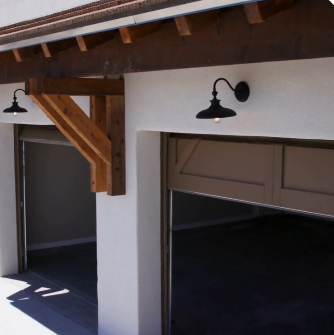
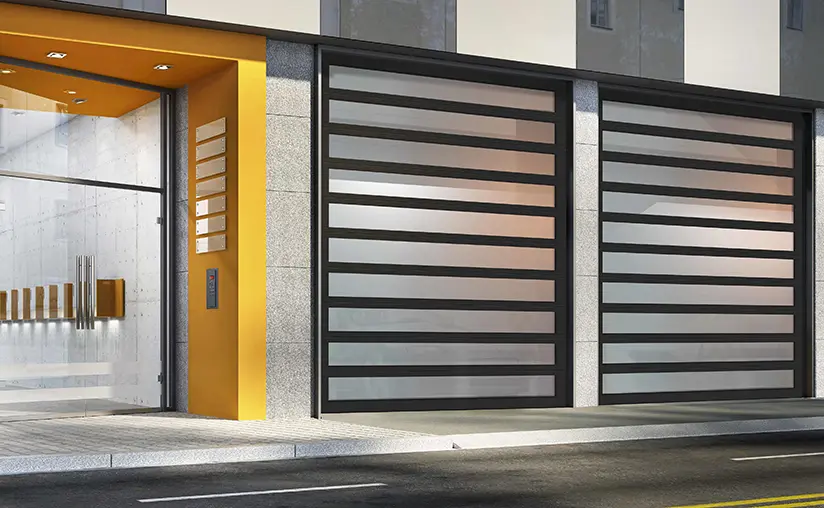
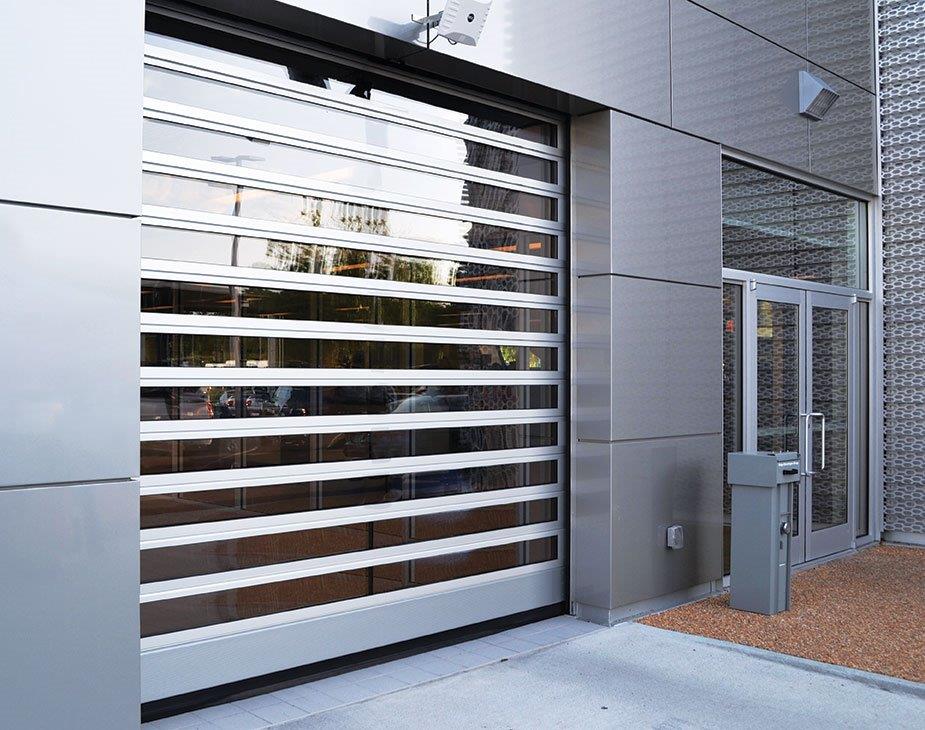
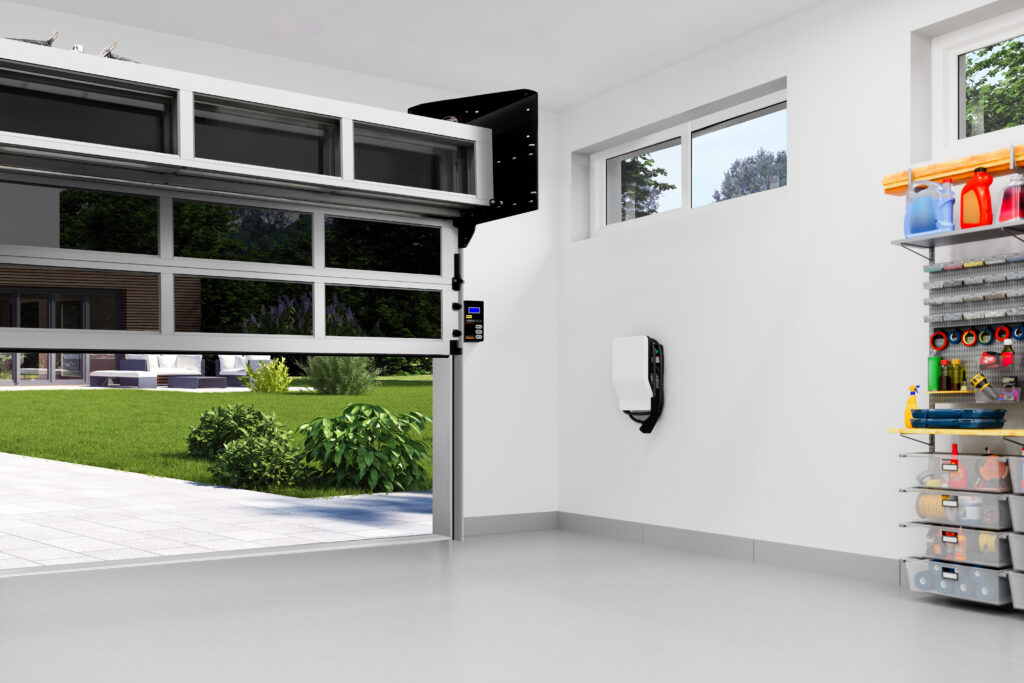
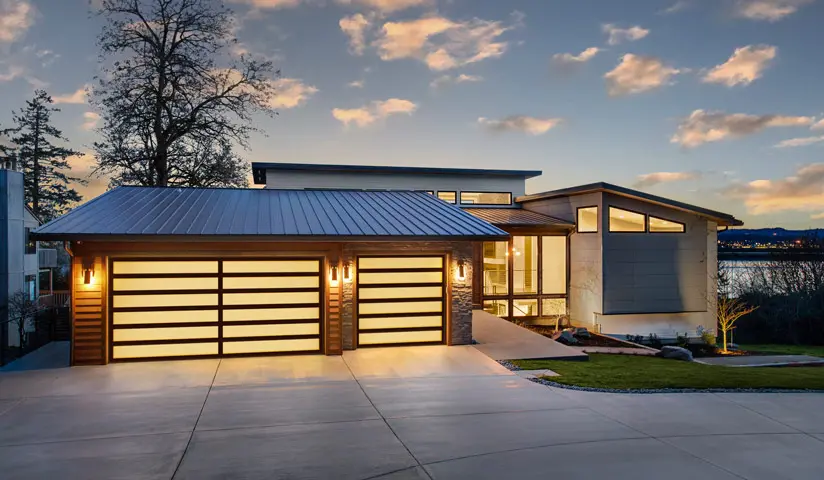
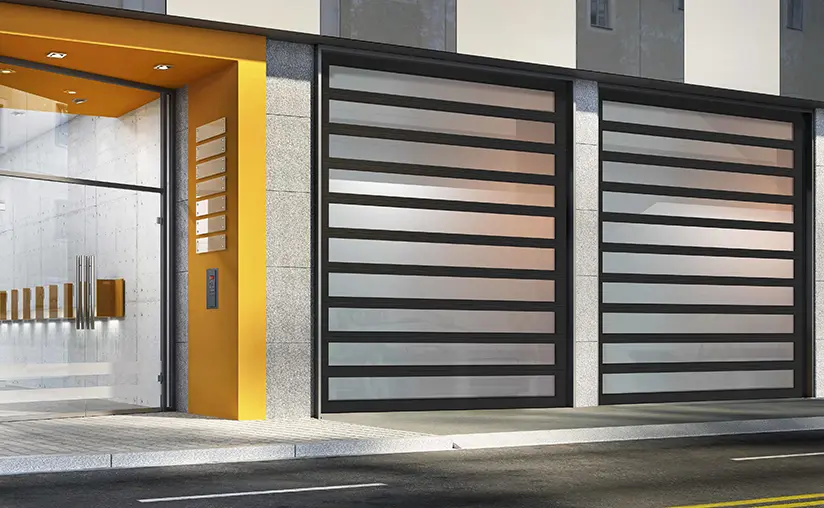
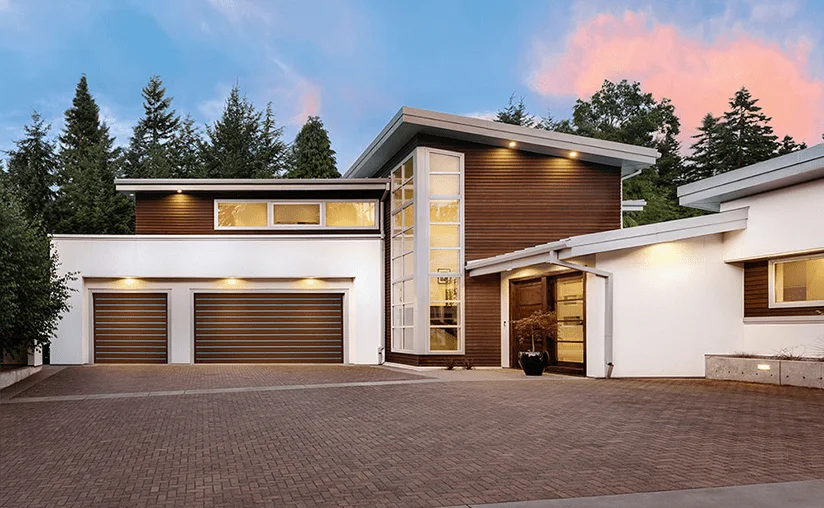
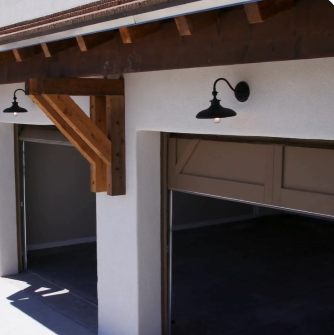
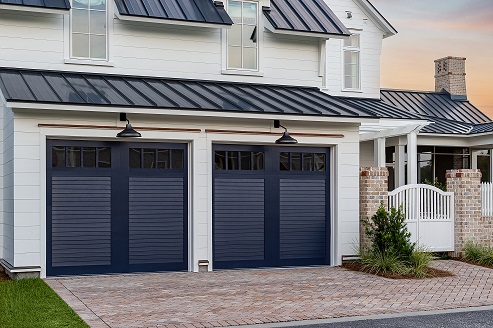
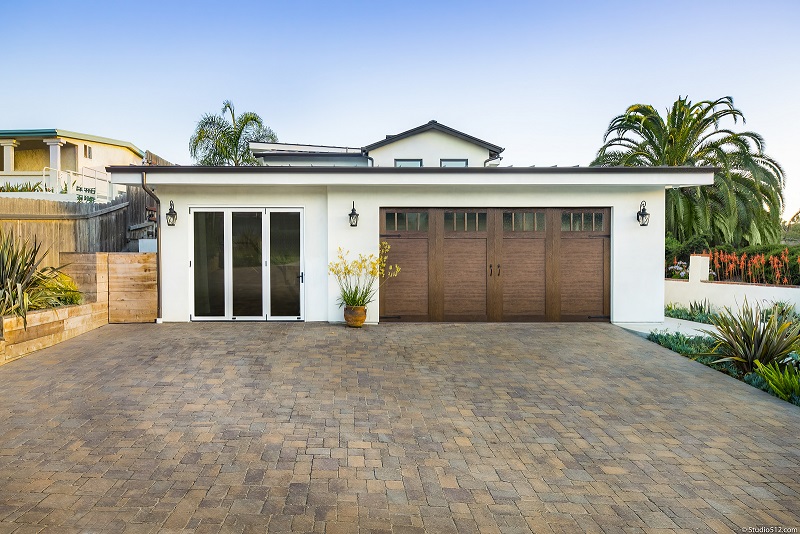
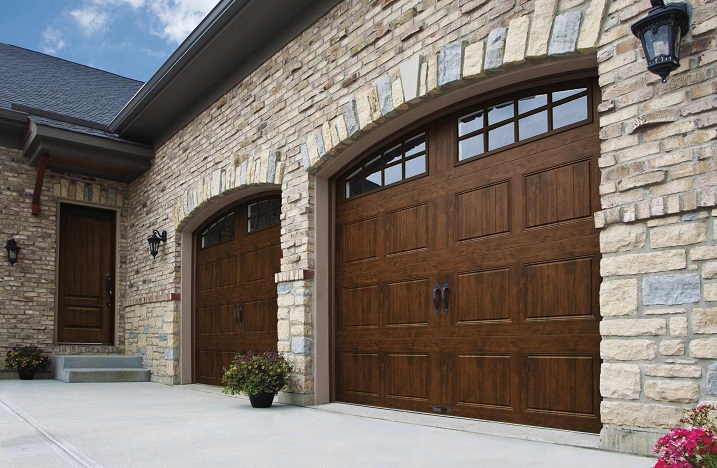
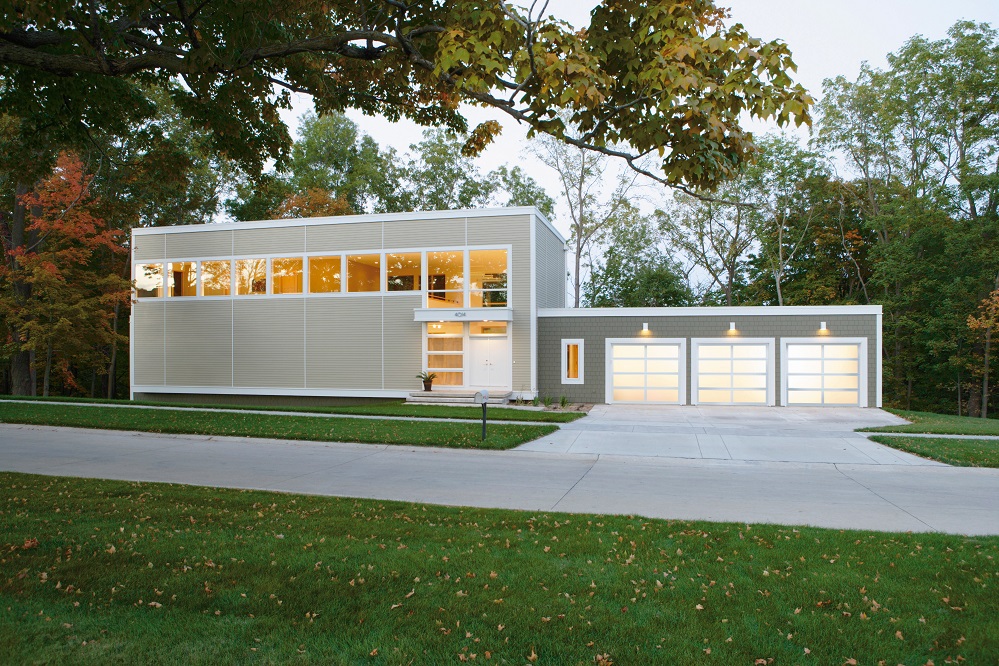
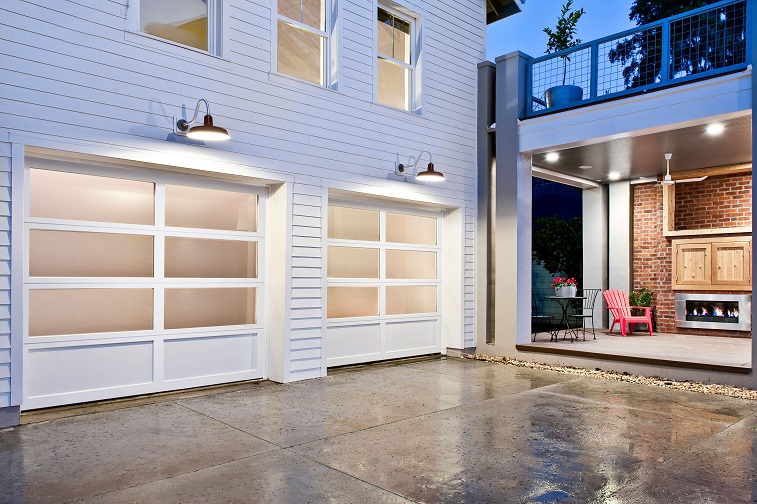
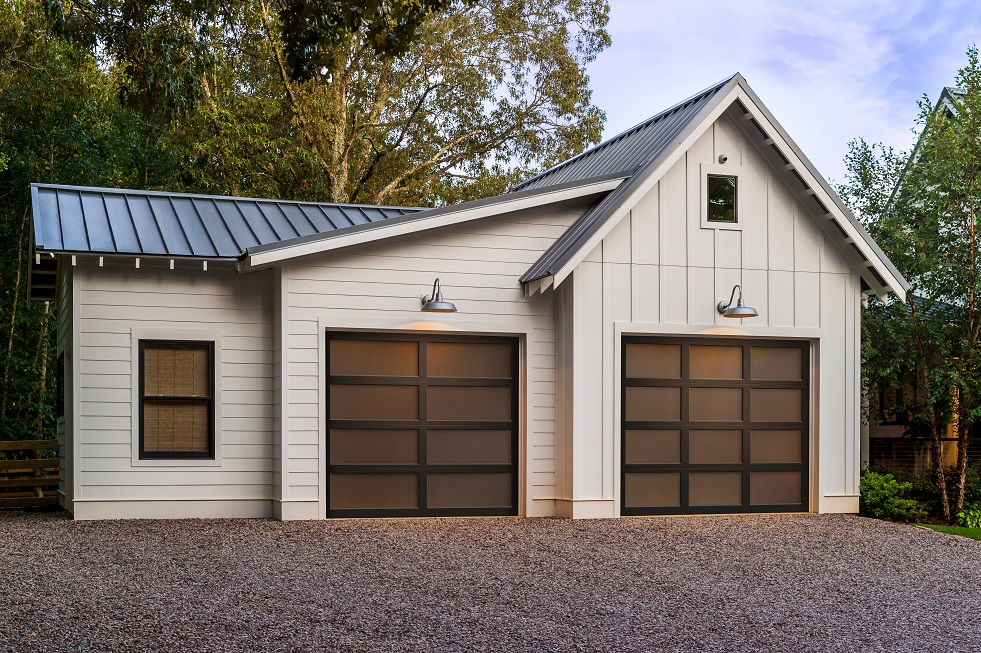
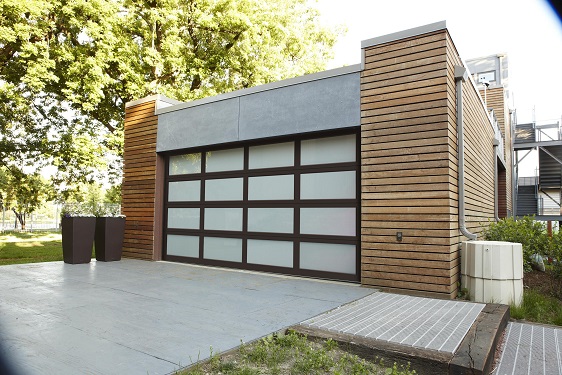
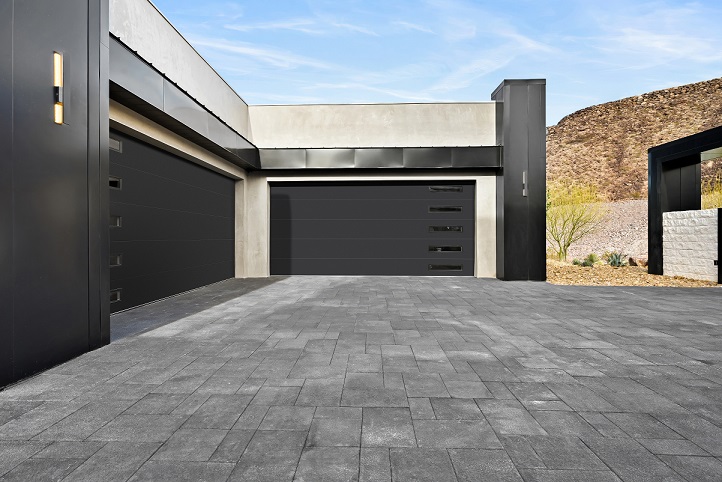
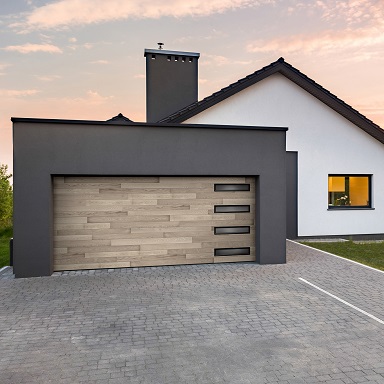
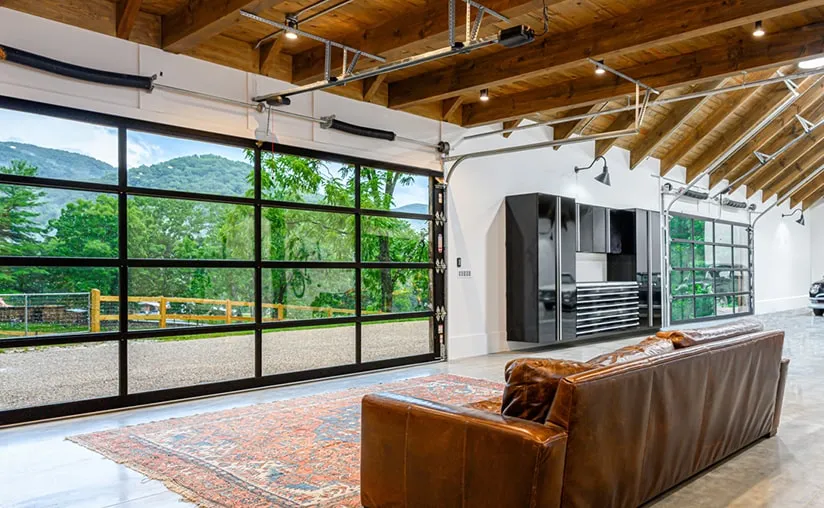
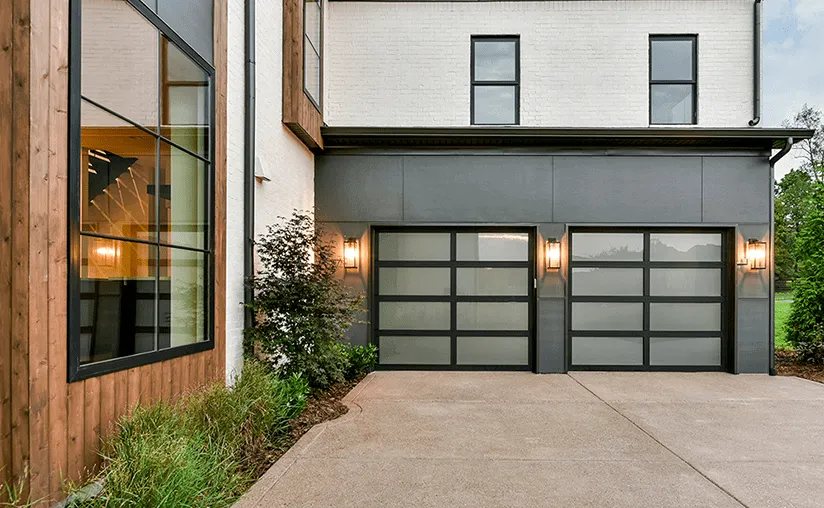
The aesthetic appeal of the garage door should not be overlooked, either. While functionality is the primary concern, homeowners can still find insulated garage door options that complement the architectural style of their home. From classic carriage house designs to contemporary minimalist styles, there are plenty of visually appealing choices that also excel at keeping the cold at bay.
Ultimately, the best garage door for cold weather living is one that strikes the perfect balance between insulation, air-tightness, durability, and visual appeal. By carefully evaluating these key factors, you can ensure your garage door becomes a reliable ally in your battle against the winter chill, helping to maintain a comfortable, energy-efficient home all season long.