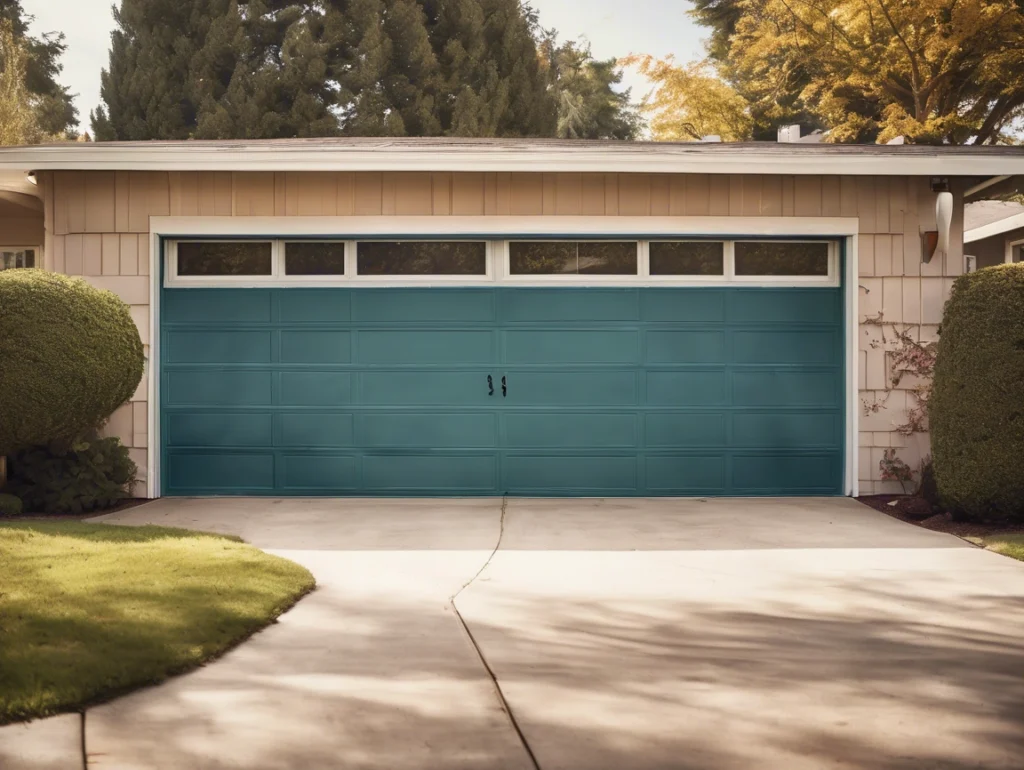
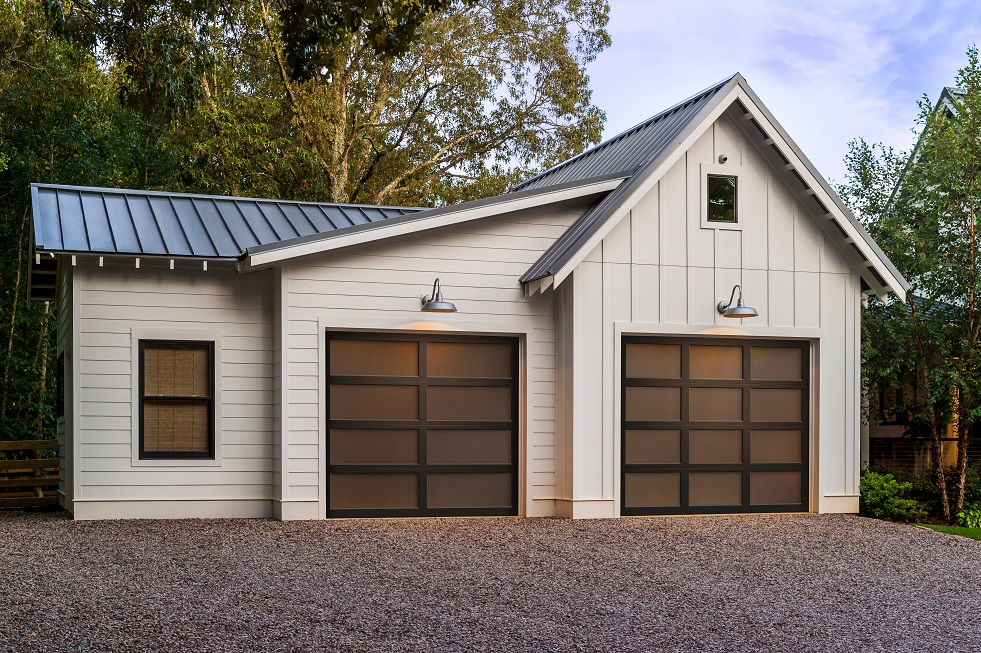
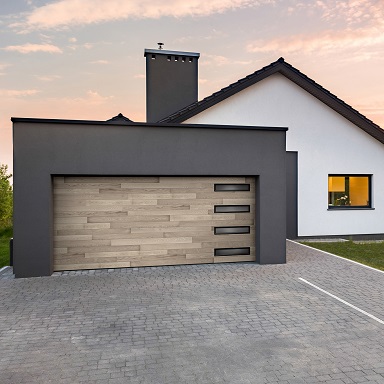
When it comes to purchasing a new garage door, homeowners often face the dilemma of choosing between a big box chain or an independent local company. Both options have their own set of pros and cons, and it’s important to weigh them carefully to make the best decision for your home and budget.
One of the primary advantages of buying from a big box chain is the convenience factor. These stores typically have a wide selection of garage door styles and materials, making it easier to find the perfect fit for your home. Additionally, they often have the resources to offer competitive pricing and financing options, which can be appealing for homeowners on a tight budget.
Another pro of going with a big box chain is the potential for a more streamlined installation process. These companies usually have a network of trained technicians who can handle the installation quickly and efficiently. This can be especially beneficial for homeowners who are pressed for time or don’t have the DIY skills to tackle the installation themselves.
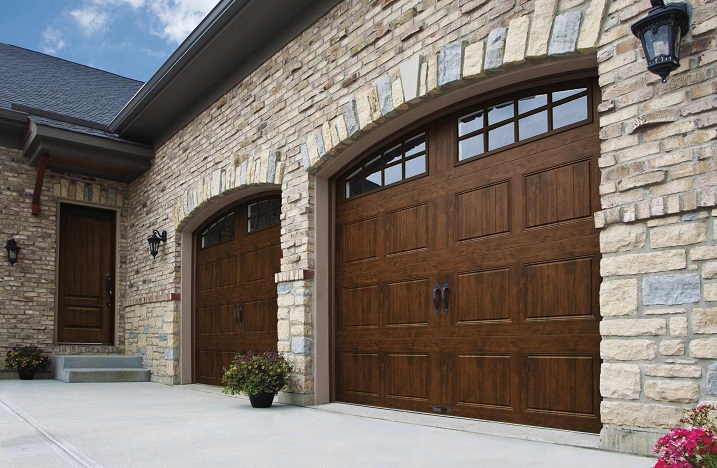
However, the convenience and pricing of big box chains come with some drawbacks. One of the main cons is the lack of personalized service and attention to detail. When you work with an independent local company, you often get a more personalized experience, with the owner or a dedicated sales representative taking the time to understand your specific needs and preferences. This can be particularly important when it comes to customizing the garage door to match the architectural style of your home.
Another potential downside of big box chains is the quality of the products and installation. While they may offer lower prices, the materials and workmanship may not be as high-quality as what you would get from an independent local company. This can lead to issues down the line, such as premature wear and tear or even safety concerns.
On the other hand, working with an independent local company can provide a more tailored and attentive experience. These businesses often have a deep understanding of the local market and can offer more specialized expertise when it comes to selecting the right garage door for your home. They may also be more flexible in terms of customization and can provide a higher level of customer service throughout the entire process.
Additionally, independent local companies tend to have a vested interest in the community and may be more invested in ensuring customer satisfaction. This can translate to a more personalized and responsive approach to any issues or concerns that may arise during or after the installation.
Ultimately, the decision to buy a garage door from a big box chain or an independent local company will depend on your specific needs and priorities. If convenience and budget are your top concerns, a big box chain may be the way to go. But if you value personalized service, quality craftsmanship, and a tailored solution, an independent local company may be the better choice.