Automating Commercial Garage Doors: Convenience, Security, and Efficiency
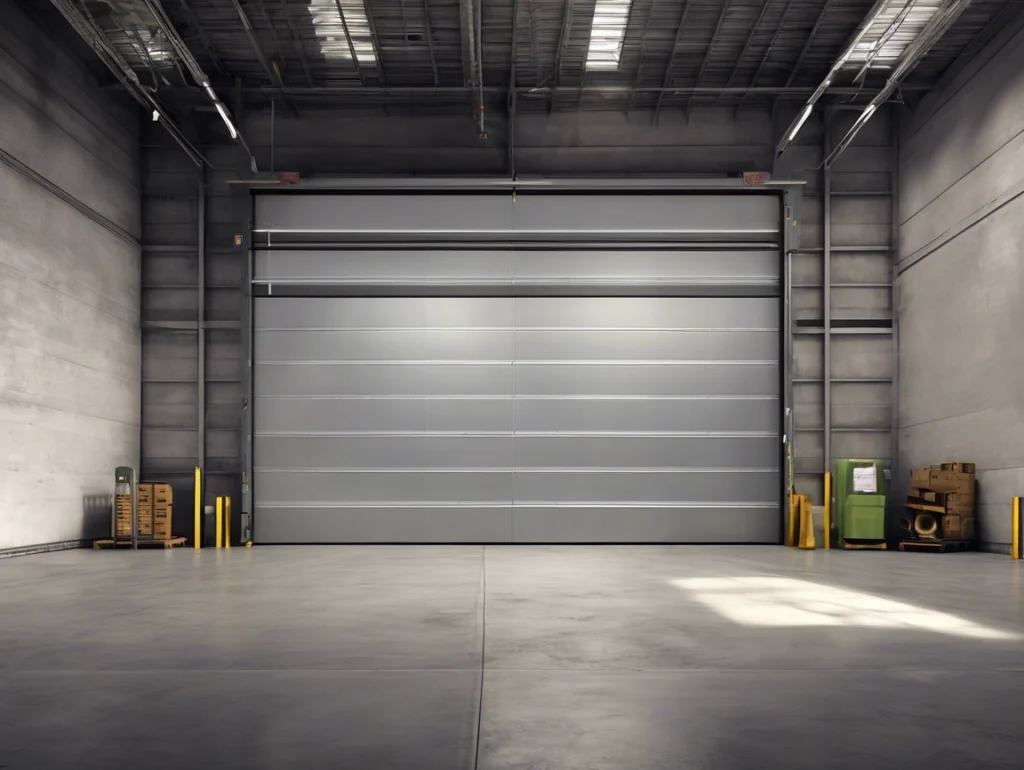
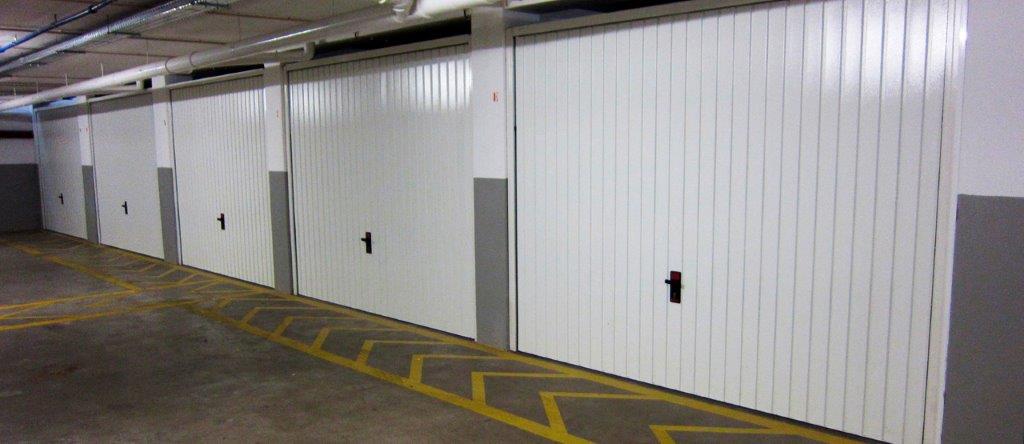
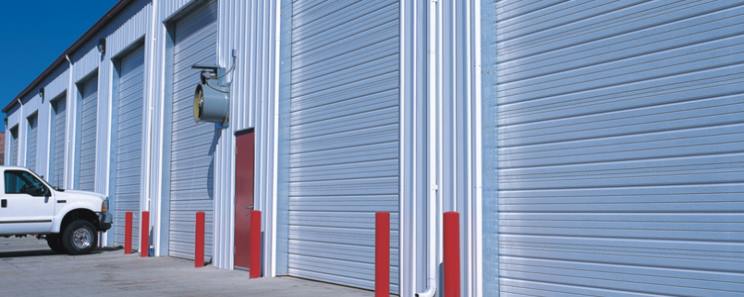
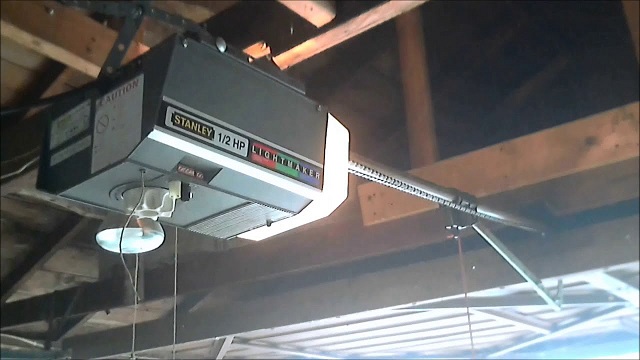
As the world of commercial real estate continues to evolve, business owners are constantly seeking ways to optimize their operations and provide a seamless experience for their customers. One often overlooked, yet highly impactful, upgrade that can significantly enhance a commercial property is the installation of an automatic garage door opener. This seemingly simple addition can bring a host of benefits that can positively impact your business in ways you may not have considered.
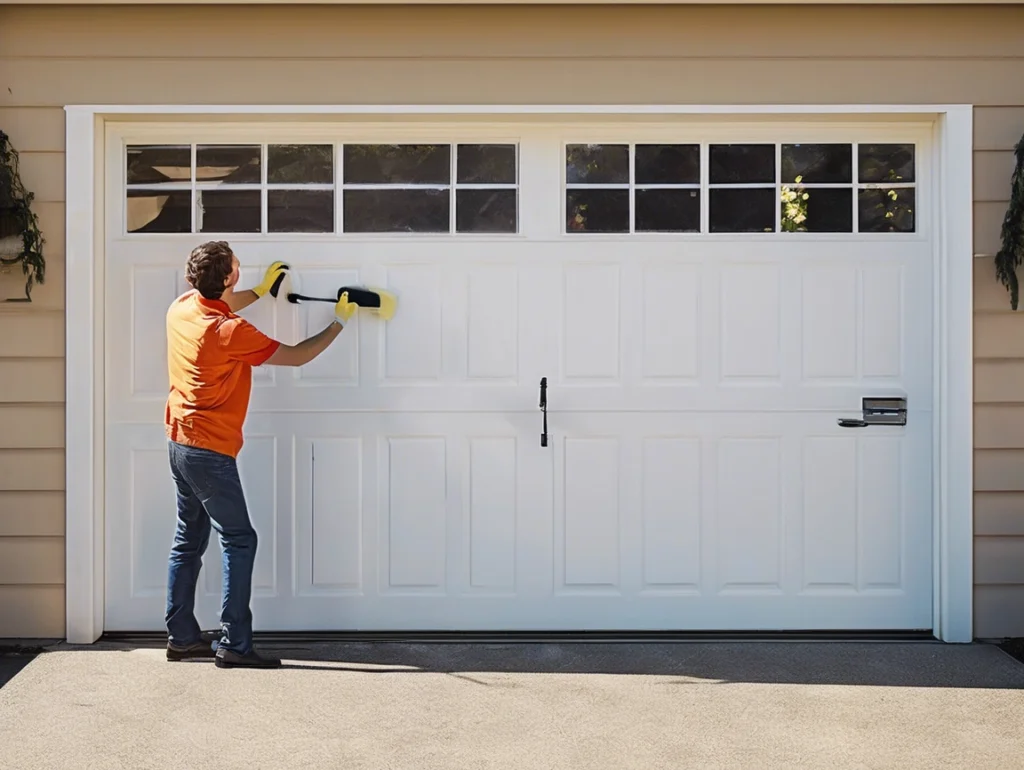
Convenience is perhaps the most obvious advantage of an automatic garage door opener for a commercial property. Gone are the days of manually opening and closing heavy, cumbersome doors multiple times a day. With the touch of a button or the wave of a key fob, your garage doors can be operated effortlessly, saving your employees valuable time and energy. This convenience extends to your customers as well, creating a more welcoming and accessible entry point to your business.
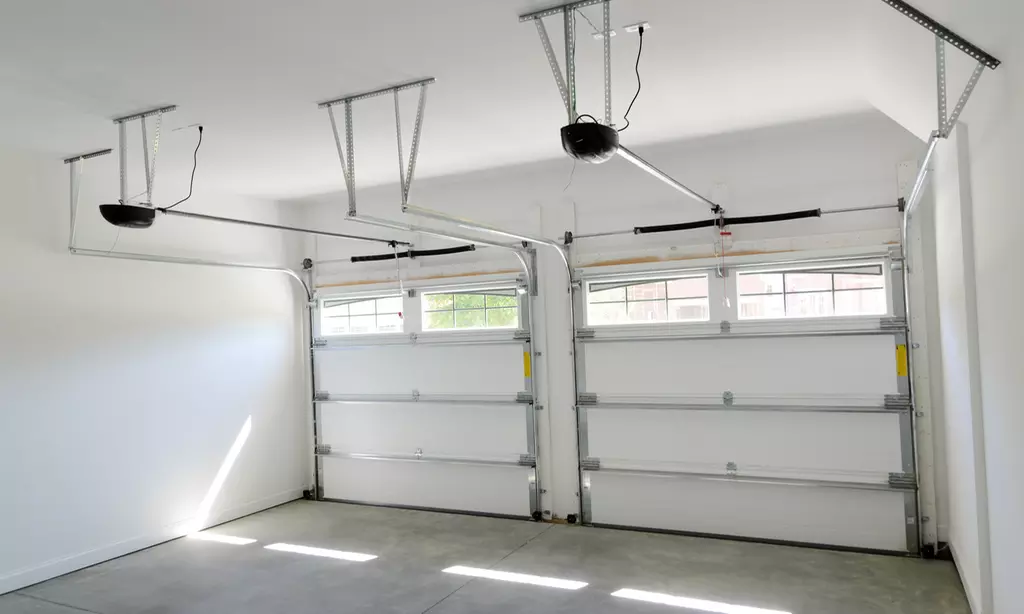
In addition to the time-saving benefits, automatic garage door openers also contribute to enhanced security for your commercial property. Many modern systems come equipped with advanced safety features, such as photo-eye sensors and auto-reverse mechanisms, that prevent the door from closing on people or objects. This not only protects your employees and customers but also helps to safeguard your valuable assets and inventory stored within the garage. Furthermore, the ability to remotely control and monitor the doors from a smartphone or tablet allows you to maintain a watchful eye over your property, even when you’re not physically present.
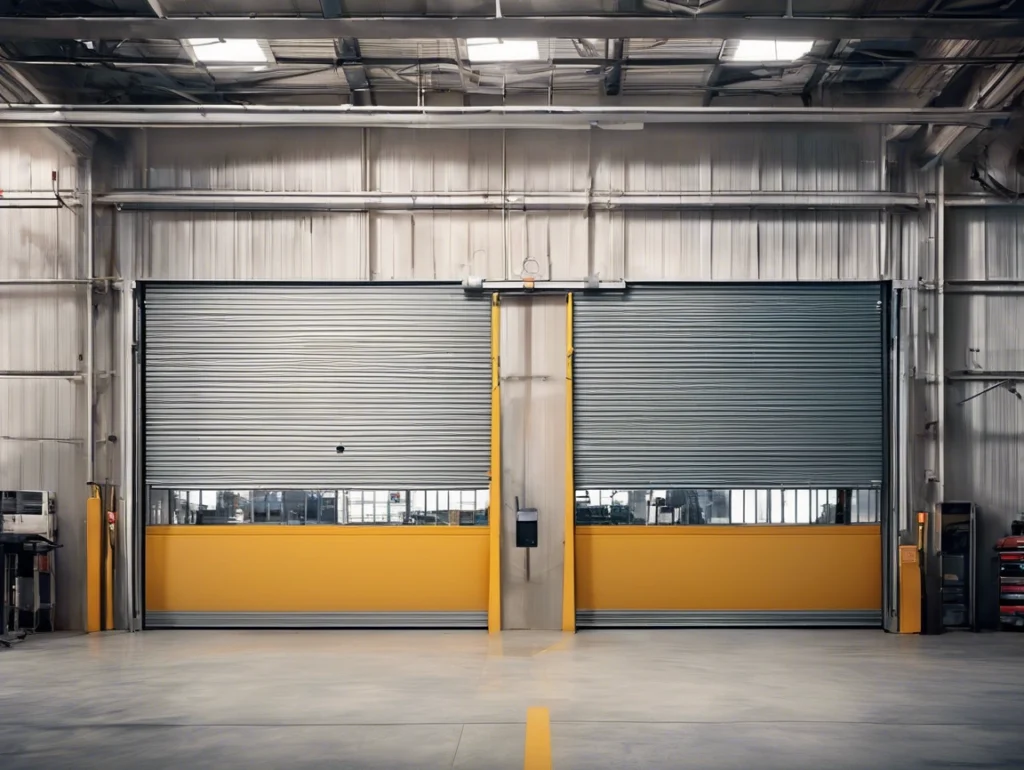
Efficiency is another key advantage of incorporating an automatic garage door opener into your commercial space. Traditional manual doors can be slow and cumbersome, leading to bottlenecks and delays as vehicles enter and exit the premises. Automatic doors, on the other hand, can open and close quickly, allowing for a smooth and seamless flow of traffic. This improved efficiency can translate to reduced wait times for your customers, as well as improved productivity for your employees who no longer have to wrestle with heavy doors throughout the day.
Moreover, the integration of smart technology into modern automatic garage door openers can further enhance the efficiency of your commercial property. Many systems now offer features like scheduling, which allows you to program the doors to open and close at specific times, ensuring that they are always ready for business. Some even come equipped with sensors that can detect approaching vehicles and automatically open the doors in anticipation, minimizing the need for manual intervention.
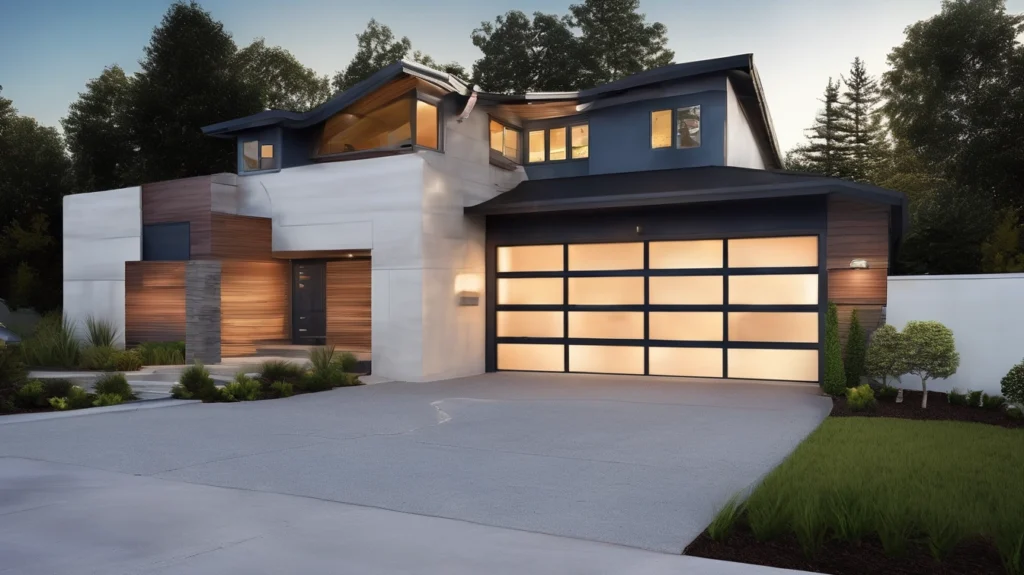
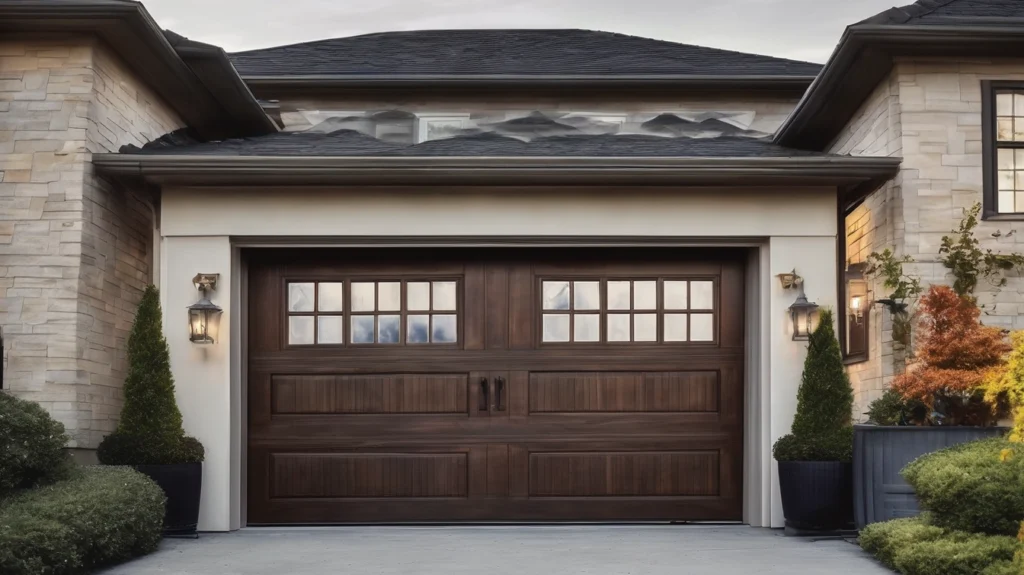
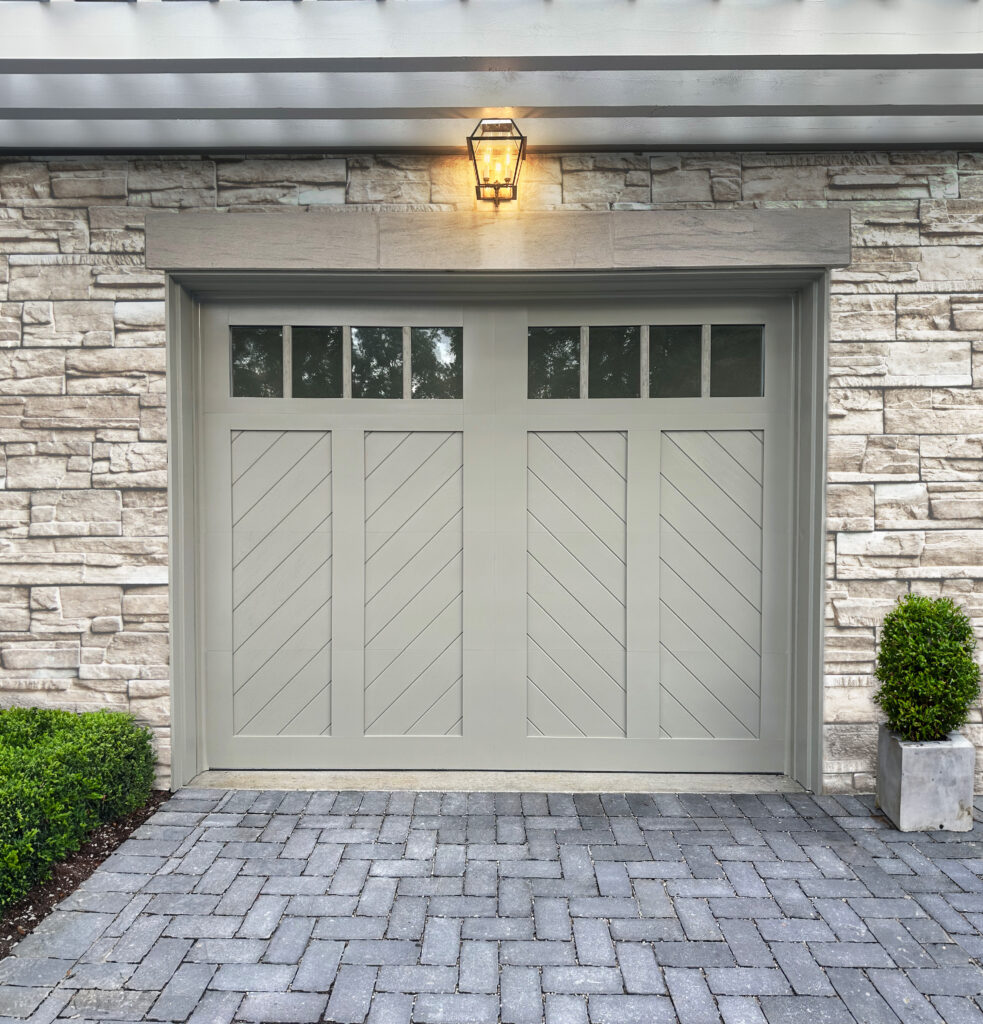
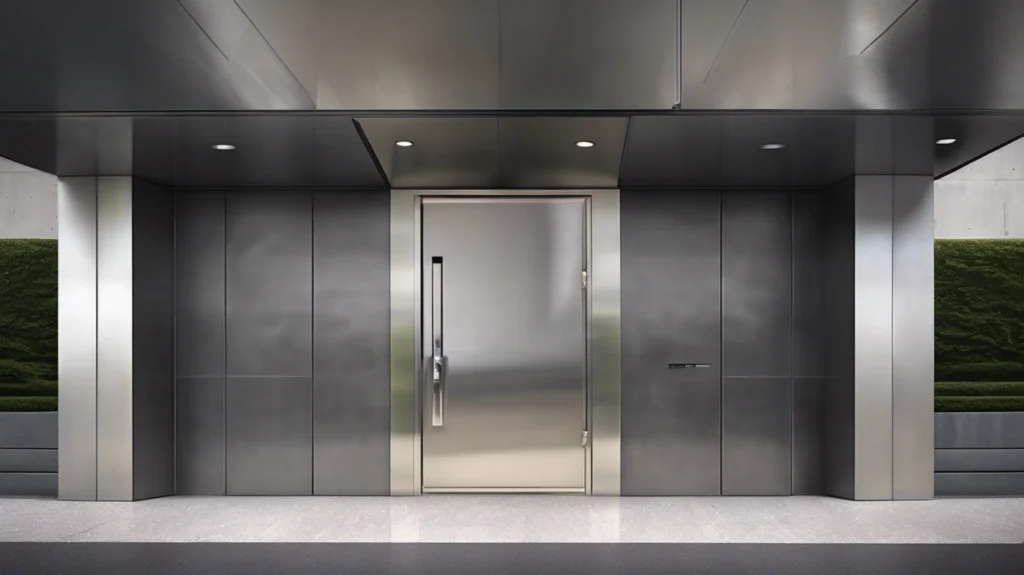
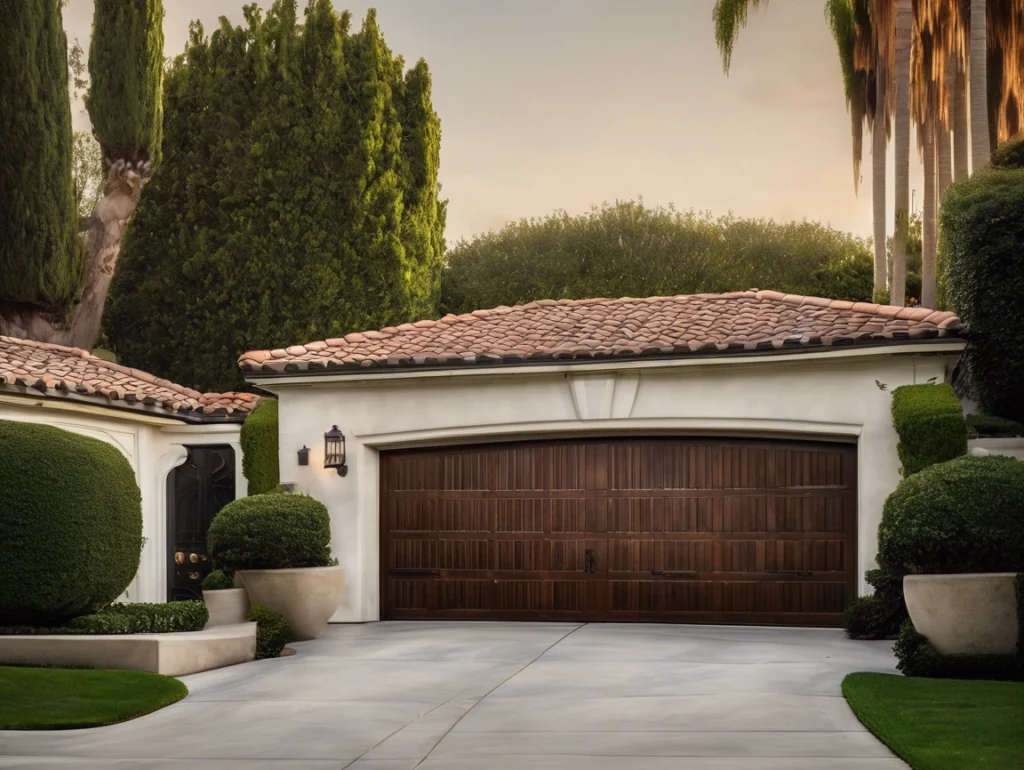
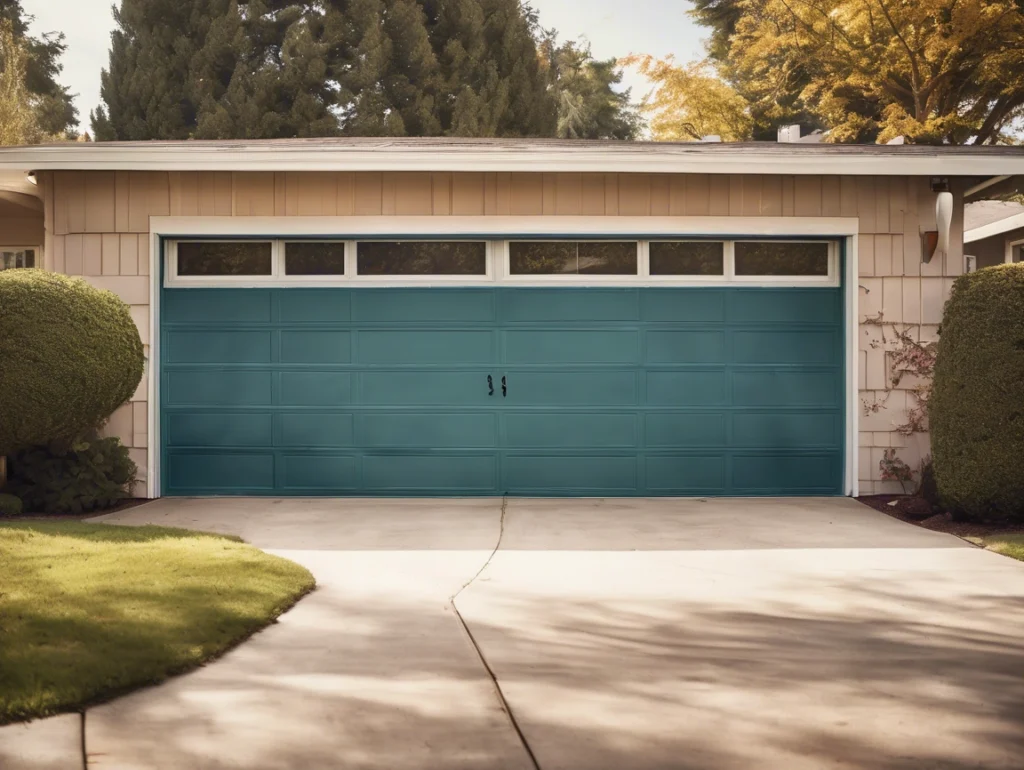
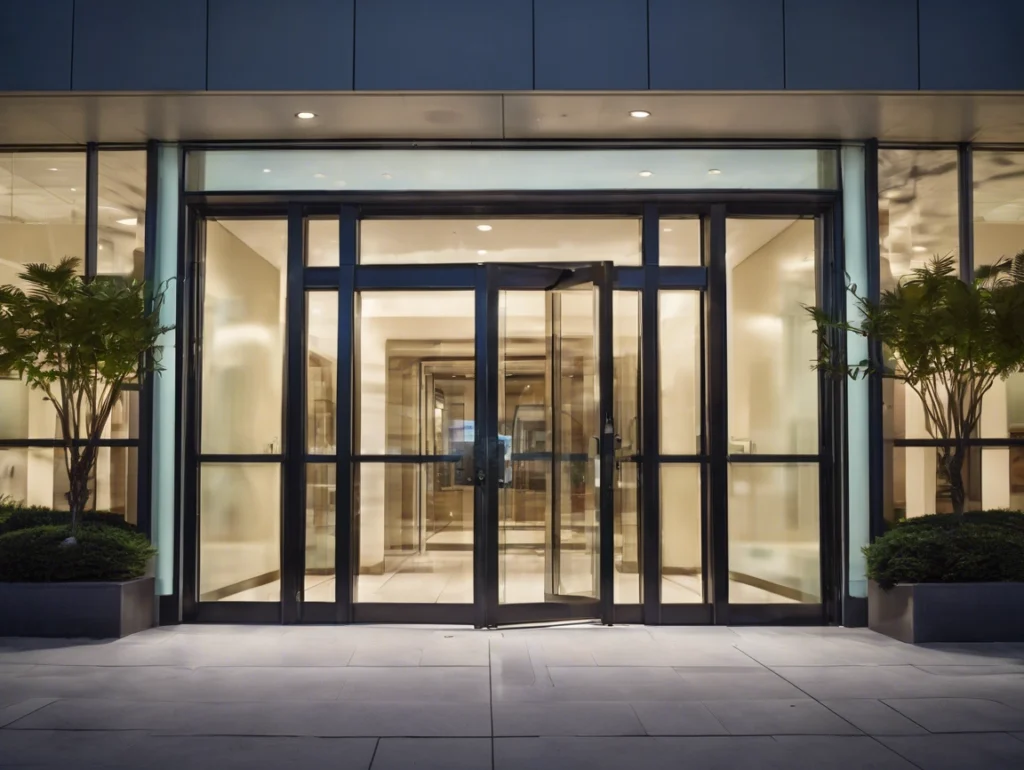
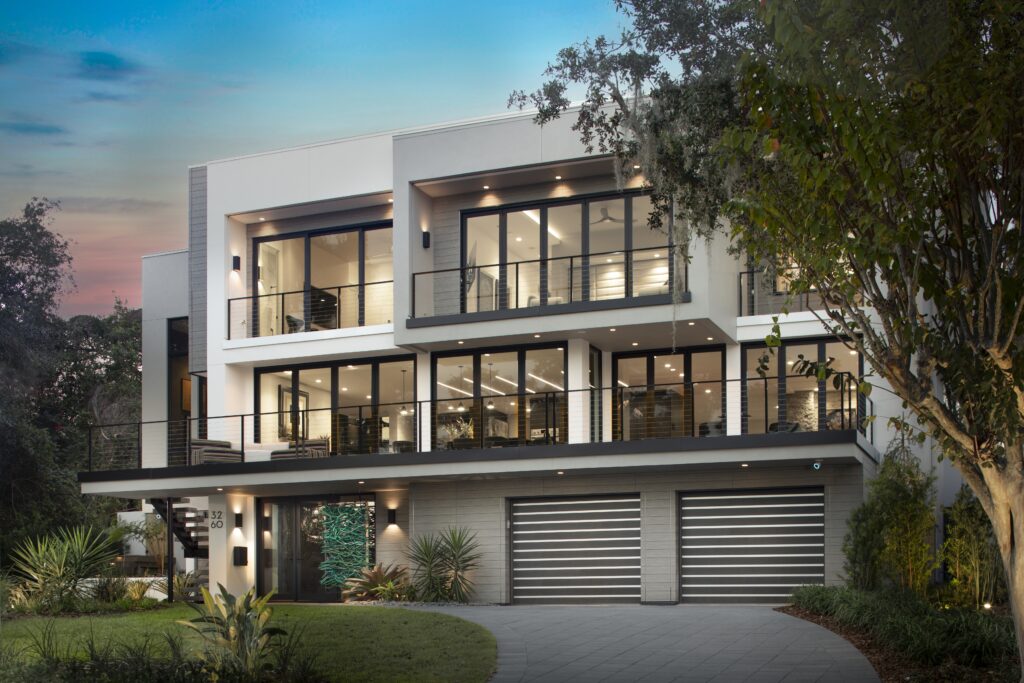
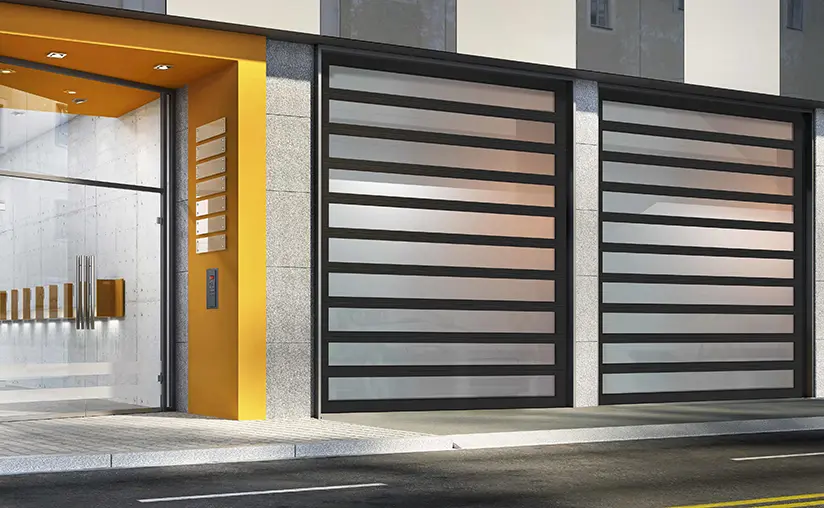
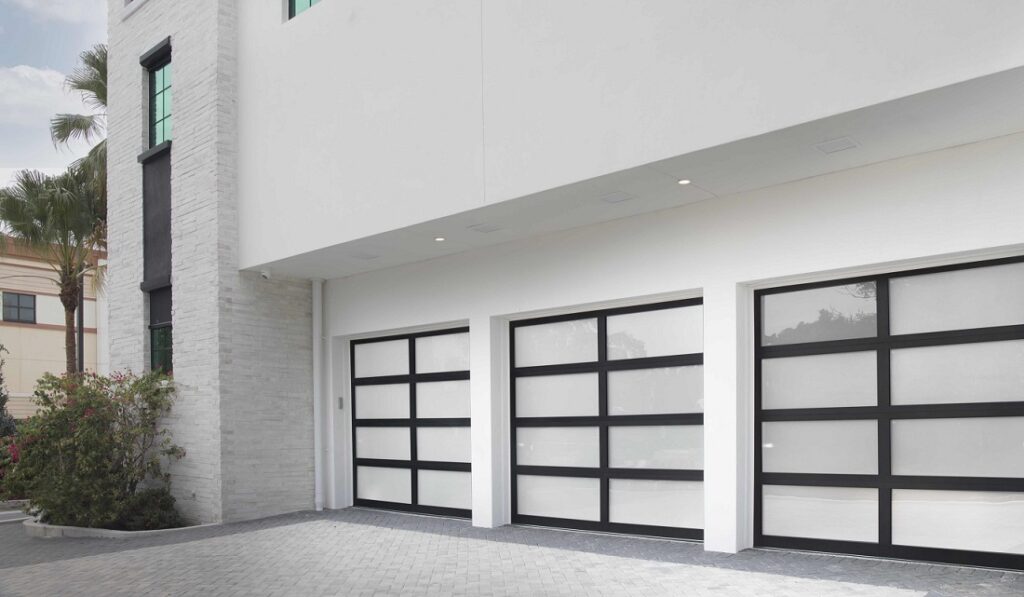
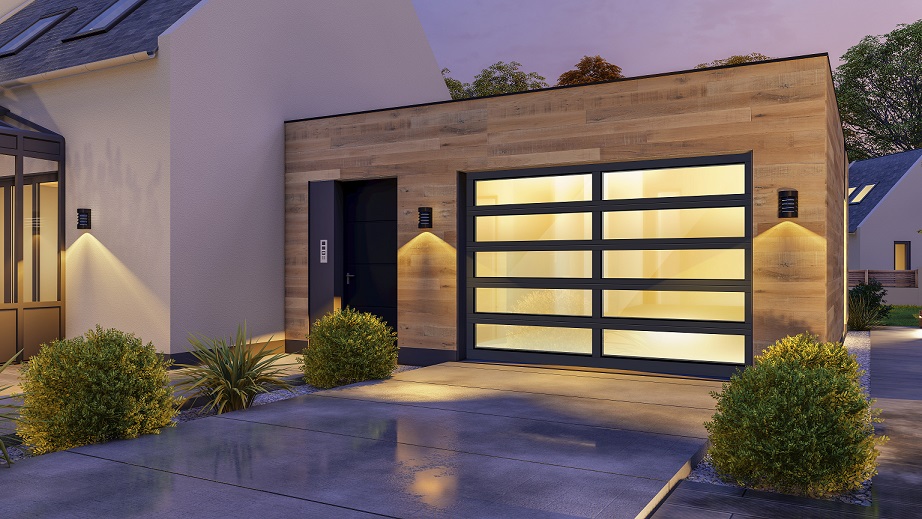
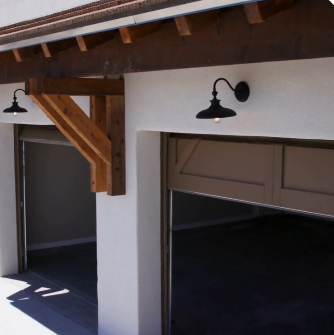
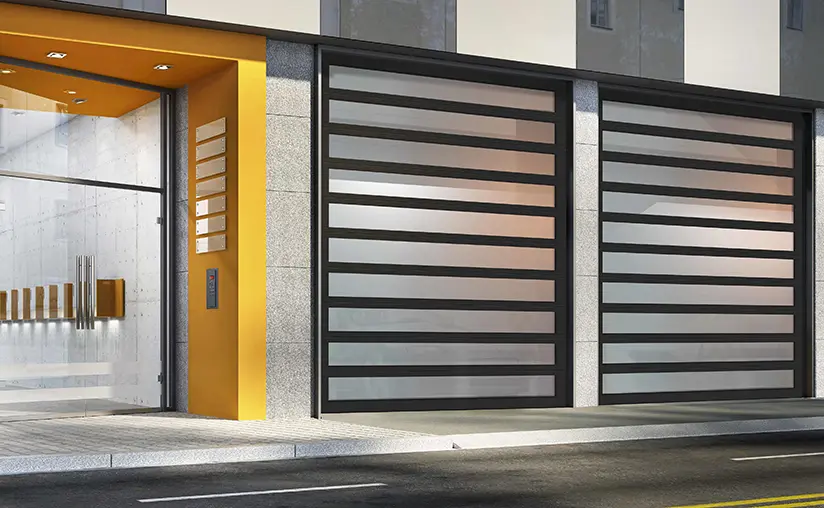
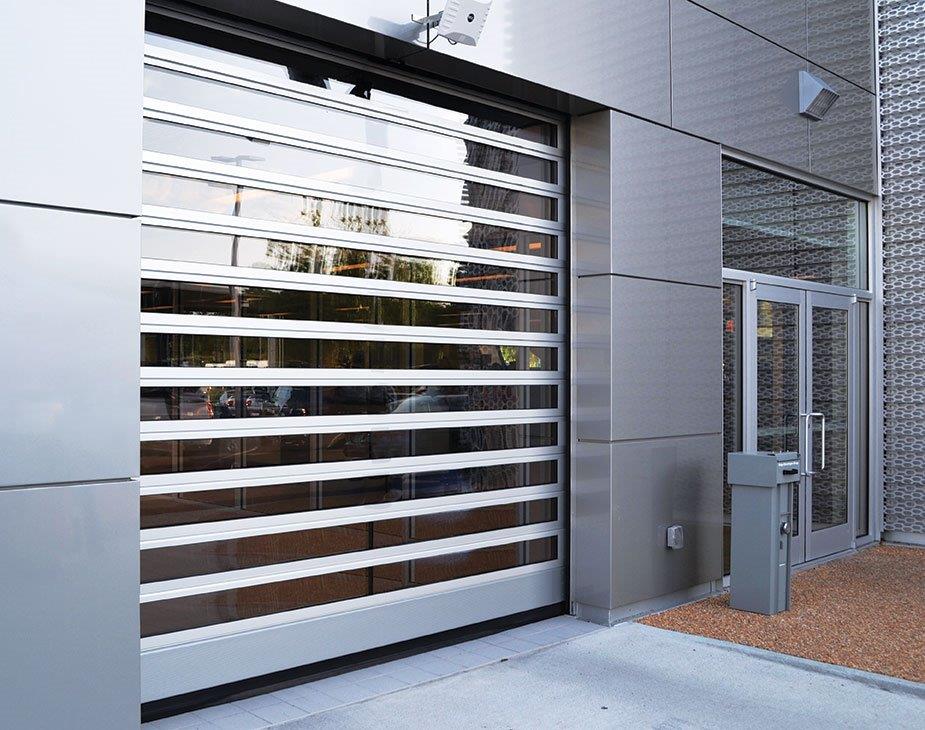
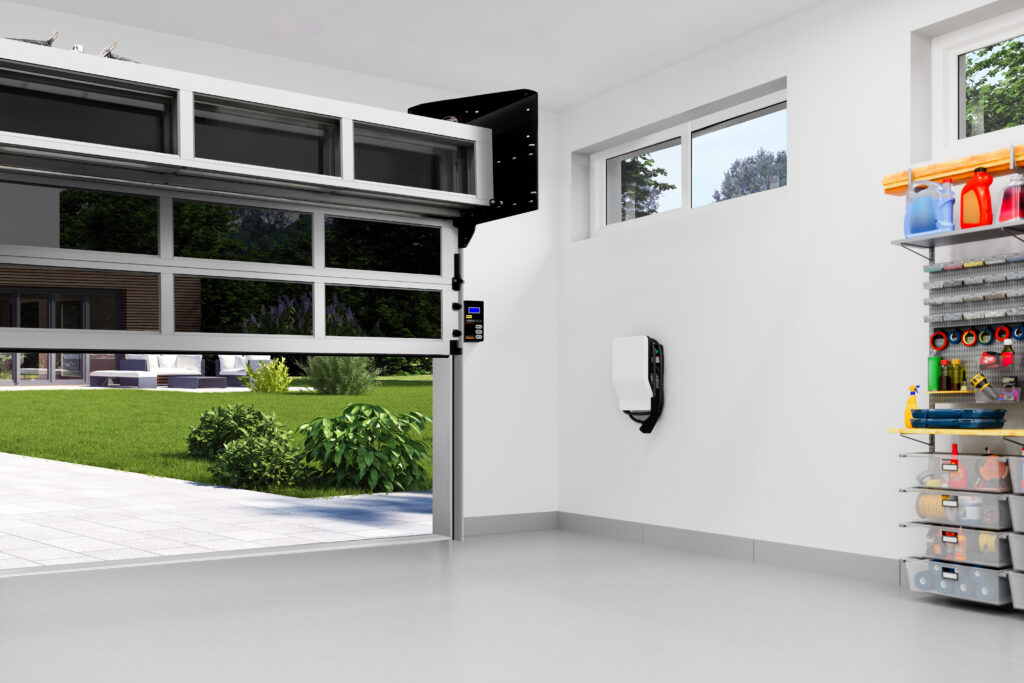
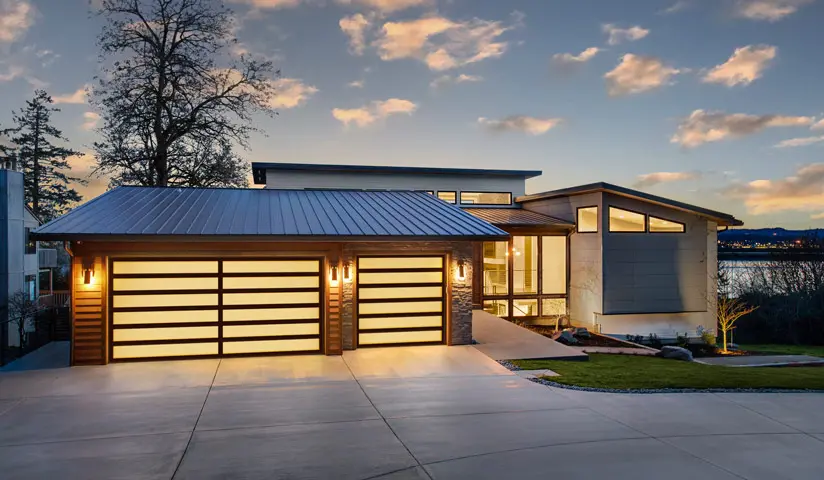
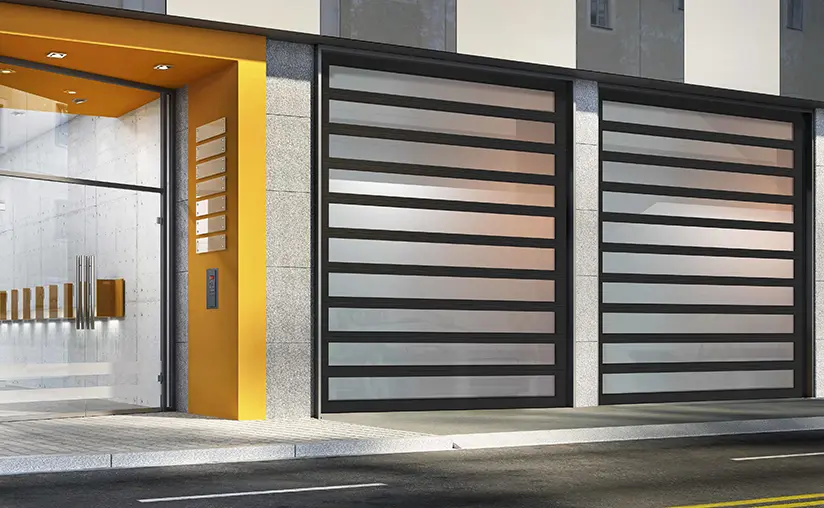
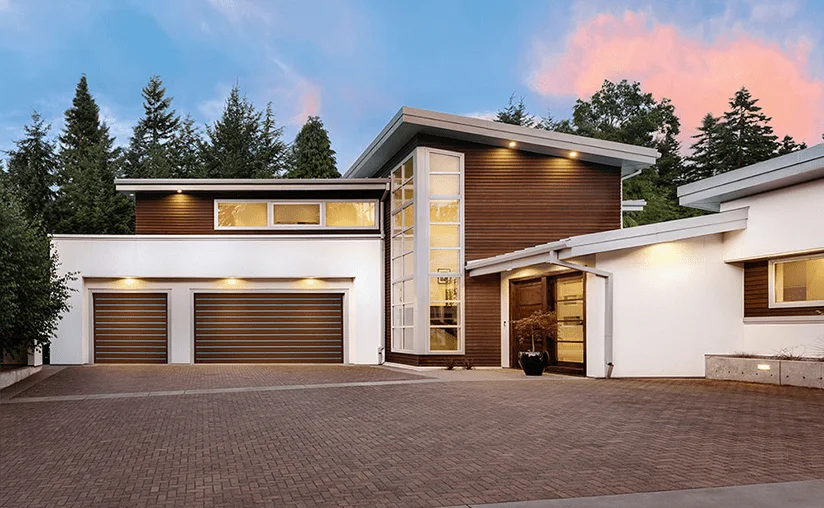
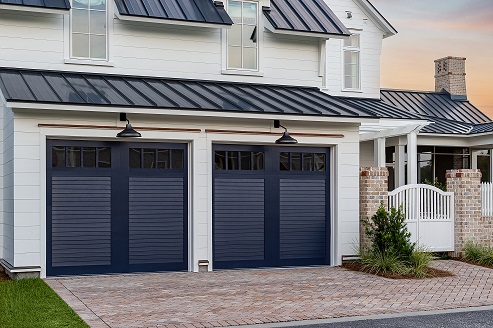
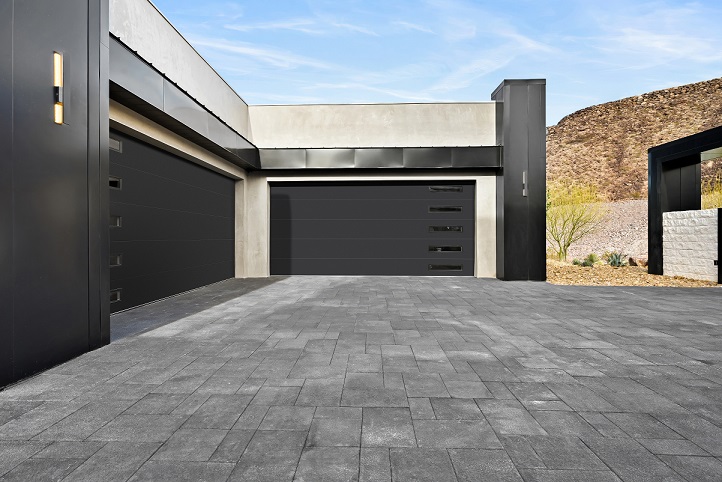
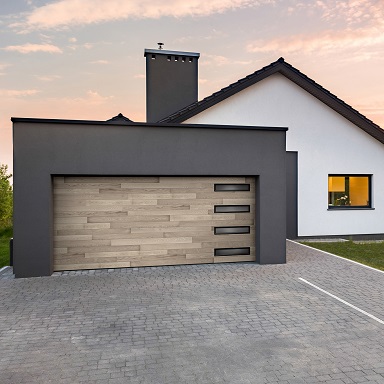
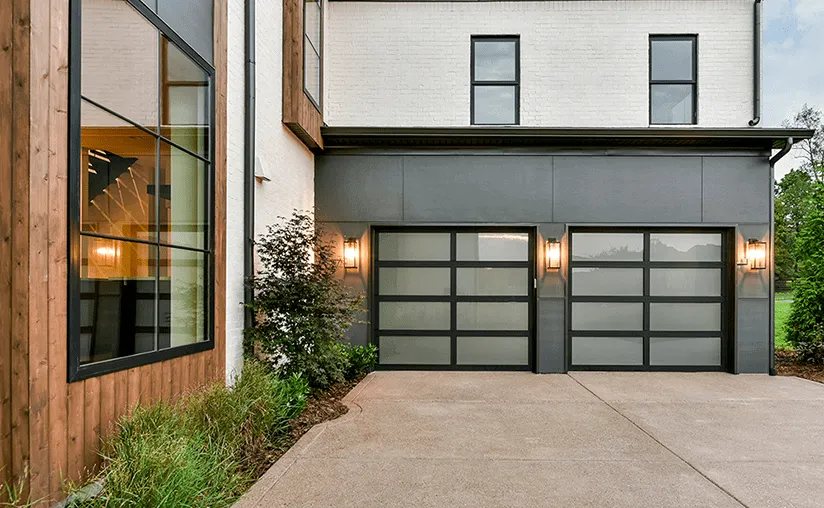
Beyond the practical benefits, the installation of an automatic garage door opener can also contribute to the overall aesthetic appeal of your commercial property. Gone are the days of unsightly, manually operated doors that can detract from the professional image you aim to project. Automatic doors, with their sleek designs and seamless integration, can enhance the curb appeal of your business, leaving a lasting positive impression on both your customers and potential clients.
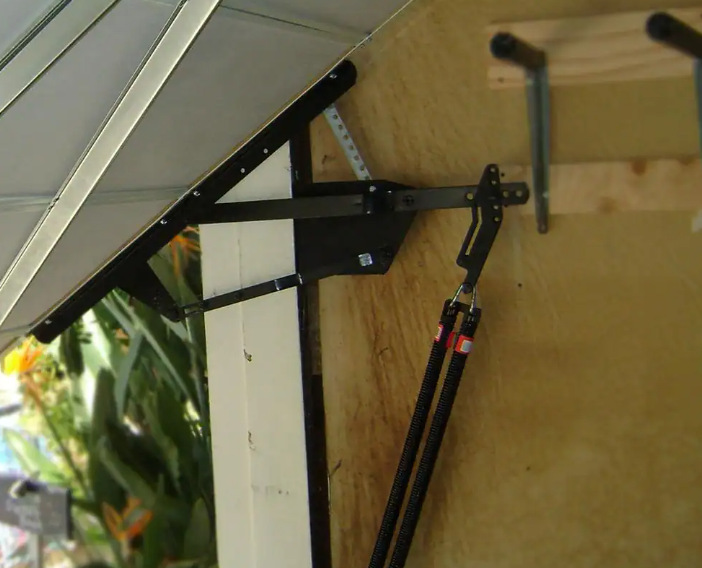
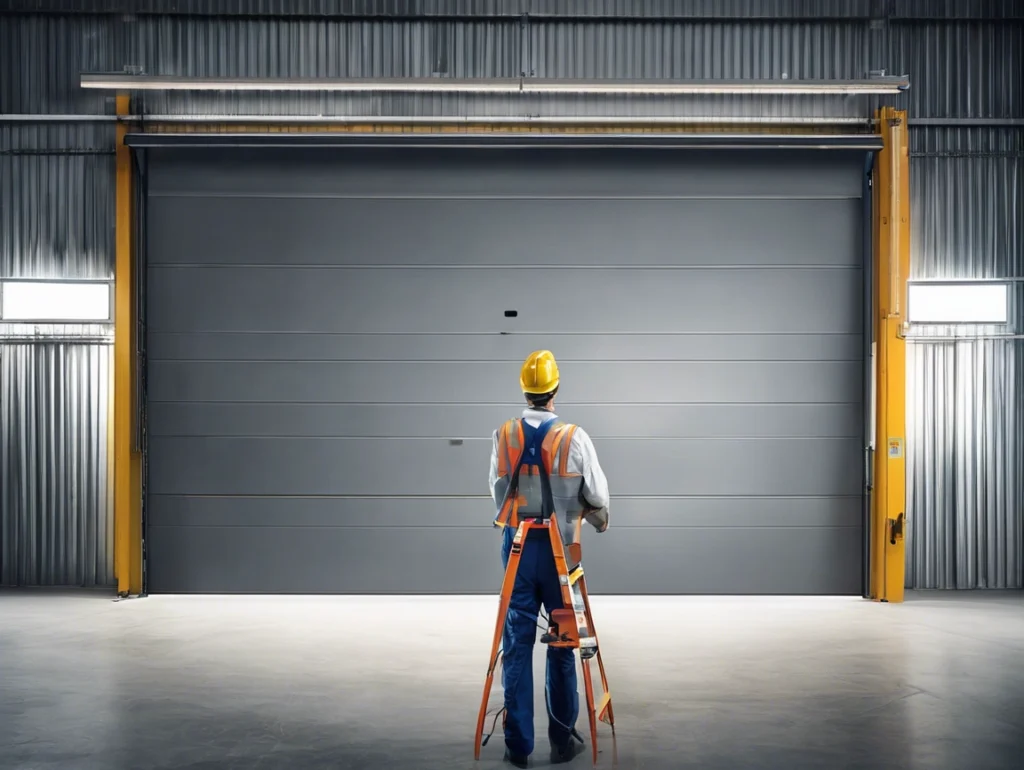
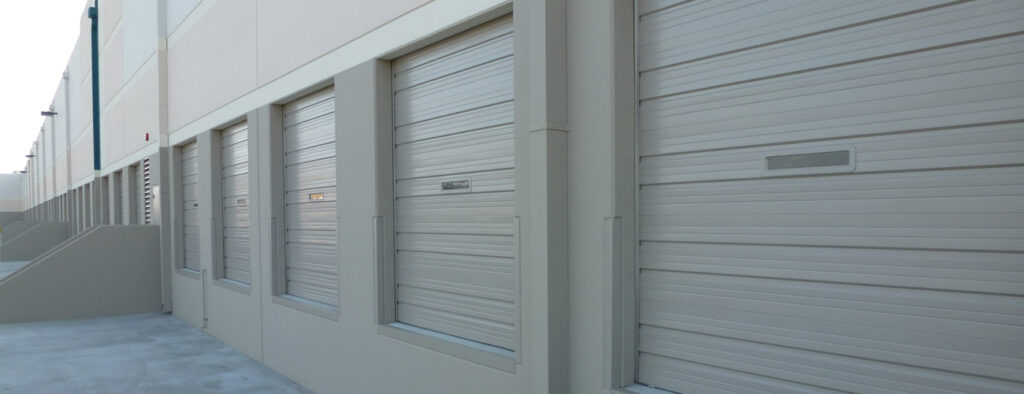
It’s important to note that the process of upgrading to an automatic garage door opener for a commercial property is not without its considerations. Factors such as the size and weight of the doors, the available power sources, and the specific needs of your business will all play a role in determining the most suitable system. Working with a reputable and experienced garage door installation and maintenance provider can help ensure a smooth and successful transition.
In conclusion, the ability to add an automatic garage door opener to a commercial property can be a game-changer for business owners. From enhanced convenience and security to improved efficiency and aesthetic appeal, the benefits of this upgrade are numerous and far-reaching. As you strive to optimize your commercial operations and provide an exceptional experience for your customers, the installation of an automatic garage door opener should be a top consideration.