Do I Need a Panic Device on My Commercial Emergency Exit Door?
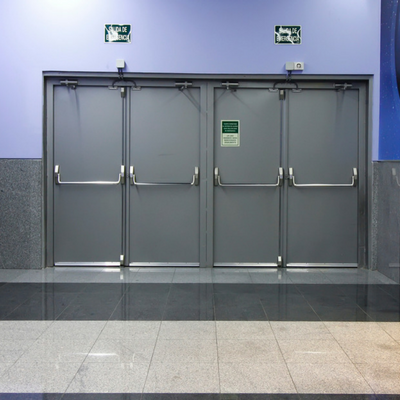
When it comes to commercial emergency exit doors, one of the most important considerations is whether or not to install a panic device. A panic device, also known as a panic bar or crash bar, is a hardware mechanism that allows for quick and easy egress in the event of an emergency. But do you really need one on your commercial emergency exit door? The answer is a resounding yes.
First and foremost, a panic device is essential for ensuring the safety and security of your building’s occupants. In the event of a fire, active shooter situation, or other emergency, every second counts. A panic device allows for rapid and unobstructed exit, ensuring that everyone can evacuate the building quickly and safely. This is especially important in high-traffic areas, where large crowds may need to exit the building in a hurry.
Additionally, a panic device can help prevent unauthorized access to your building. Many commercial properties are required to have secure entry points to protect against theft, vandalism, and other criminal activity. A panic device allows for easy egress while still maintaining a secure entry point, as it can only be opened from the inside.
Another important consideration is compliance with building codes and regulations. Many local and state building codes require the installation of panic devices on commercial emergency exit doors. Failing to comply with these regulations can result in costly fines, legal liability, and even the closure of your business.
Furthermore, a panic device can provide peace of mind for both employees and customers. Knowing that there is a reliable and efficient means of egress in the event of an emergency can help alleviate anxiety and stress, allowing everyone to feel more secure and comfortable within the building.
In conclusion, the installation of a panic device on your commercial emergency exit door is not just a good idea – it is a necessity. From ensuring the safety and security of your building’s occupants to complying with building codes and providing peace of mind, the benefits of a panic device far outweigh any potential drawbacks. If you haven’t already, it’s time to invest in this critical piece of hardware and ensure the safety and security of your commercial property.