From Humble Beginnings: 5 Iconic Bands That Got Their Start in the Garage
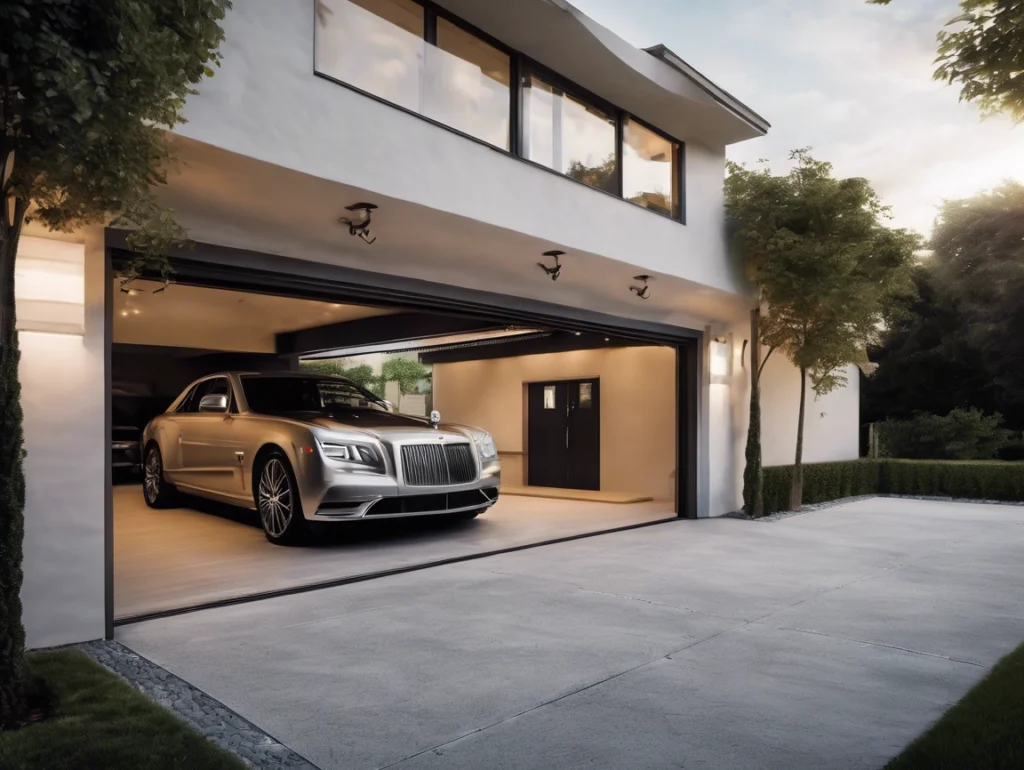
The garage – that humble, unassuming space tucked away in the backyard or down the driveway. It’s where old bikes go to rust, where half-finished projects languish, and where the occasional handyman seeks refuge. But for some of the most legendary musical acts of all time, the garage was where it all began.
These five iconic bands prove that you don’t need a lavish recording studio or a big-name producer to create music that will stand the test of time. All you need is passion, determination, and a little bit of space to plug in your instruments.
The Ramones
It’s only fitting to start with one of the most influential punk rock bands of all time. In 1974, a group of four friends from Queens, New York – Jeffrey Hyman, John Cummings, Thomas Erdelyi, and Douglas Colvin – came together in the cramped confines of guitarist John Cummings’ childhood home. With a stripped-down sound, buzzsaw guitar riffs, and lyrics that celebrated the angst of growing up in the big city, the Ramones helped ignite the punk revolution.
Though they never achieved massive commercial success, the Ramones’ impact on music is incalculable. Their speed, simplicity, and raw energy inspired countless bands that followed in their footsteps, from the Sex Pistols to Green Day. And it all started in that humble Queens garage, where the band honed their sound and built a loyal following before taking their show on the road.
Nirvana
The grunge gods of the 1990s, Nirvana, also got their start in a decidedly unglamorous setting – the Seattle home of drummer Dave Grohl’s aunt. In the late 1980s, Kurt Cobain and Krist Novoselic were struggling to find their footing, moving from one dingy practice space to another as they worked to perfect their fuzzy, angst-ridden sound.
It was in Grohl’s aunt’s garage that the trio finally found a space they could call their own, free from prying eyes and able to experiment to their heart’s content. This is where they wrote and rehearsed many of the songs that would eventually appear on their landmark album, Nevermind, including the era-defining anthem “Smells Like Teen Spirit.”
Of course, Nirvana’s rise to fame was anything but typical. Within a few short years, they went from unknown upstarts to one of the biggest bands in the world, helping to usher in the grunge revolution and speaking to the disaffected youth of the 1990s. But no matter how big they got, they never forgot their humble garage roots.
The Black Keys
The Black Keys’ origin story is a classic tale of two friends who just wanted to jam. In 2001, Dan Auerbach and Patrick Carney were just a couple of college kids living in Akron, Ohio, with a shared love of blues and classic rock. They started getting together in Carney’s basement to play around with riffs and melodies, honing a sound that was raw, gritty, and all their own.
As the duo continued to refine their craft in that unassuming basement, word of their talent started to spread. Soon, they were playing small shows around Akron, building a loyal local following that would eventually help propel them to international stardom. Though they’ve long since graduated from the basement, the Black Keys have never forgotten their humble beginnings – and they continue to channel that same raw energy and DIY spirit into their music.
Paramore
For the members of Paramore, the garage was more than just a practice space – it was a sanctuary. In the early 2000s, high school friends Hayley Williams, Jeremy Davis, and brothers Josh and Zac Farro were navigating the ups and downs of adolescence, and they found solace in their music.
It was in the Farro family’s garage in Franklin, Tennessee that Paramore first came together, hashing out songs and dreaming of the day when they could take their show on the road. Despite their youth and inexperience, the band’s passion and talent were undeniable, and it wasn’t long before they started building a devoted fanbase in their local scene.
Of course, Paramore’s journey hasn’t always been easy – they’ve weathered lineup changes, personal conflicts, and the pressures of sudden fame. But through it all, they’ve remained true to their garage band roots, never forgetting the humble beginnings that laid the foundation for their success.
Guns N’ Roses
When it comes to the ultimate garage band success story, it’s hard to top Guns N’ Roses. In the early 1980s, a group of young misfits from Los Angeles – Axl Rose, Slash, Duff McKagan, Izzy Stradlin, and Steven Adler – came together in a cramped rehearsal space in the San Fernando Valley, determined to create music that would shake the world.
And shake the world they did. With their raw, uncompromising sound and Axl Rose’s electrifying stage presence, Guns N’ Roses quickly became the talk of the Sunset Strip, drawing crowds to their gritty, high-energy performances. It was in that garage that they honed their craft, experimenting with different styles and sounds until they landed on the perfect blend of hard rock, blues, and punk that would make them one of the biggest bands of the 1980s and 1990s.
Of course, the road to stardom wasn’t always smooth for Guns N’ Roses. Personality clashes, drug and alcohol issues, and constant lineup changes threatened to derail the band at every turn. But through it all, they never lost sight of their garage band roots – the raw, unbridled energy that made them so captivating in the first place.