The Sudden Slamming of Your Glass Aluminum Storefront Door: Troubleshooting the Issue
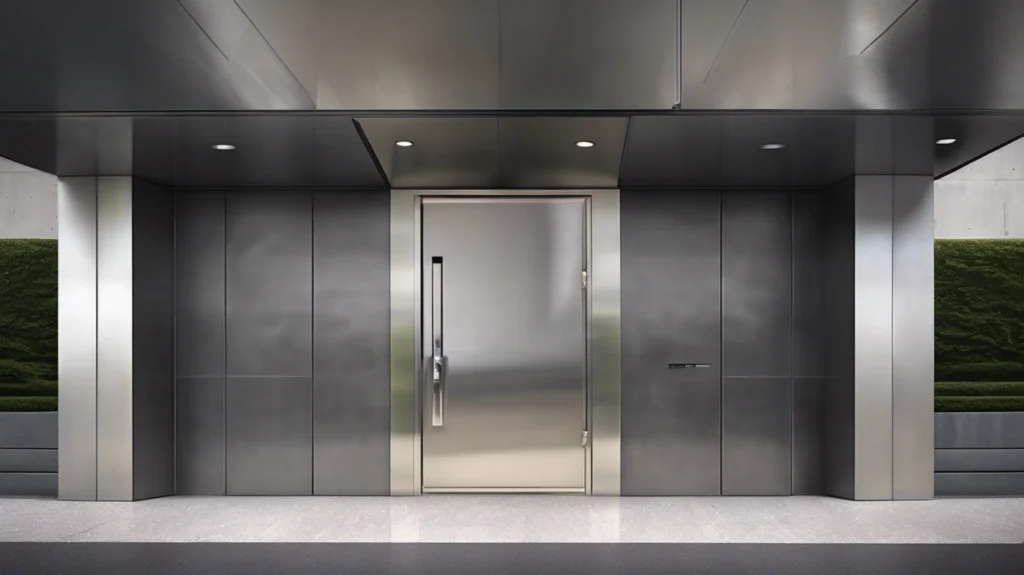
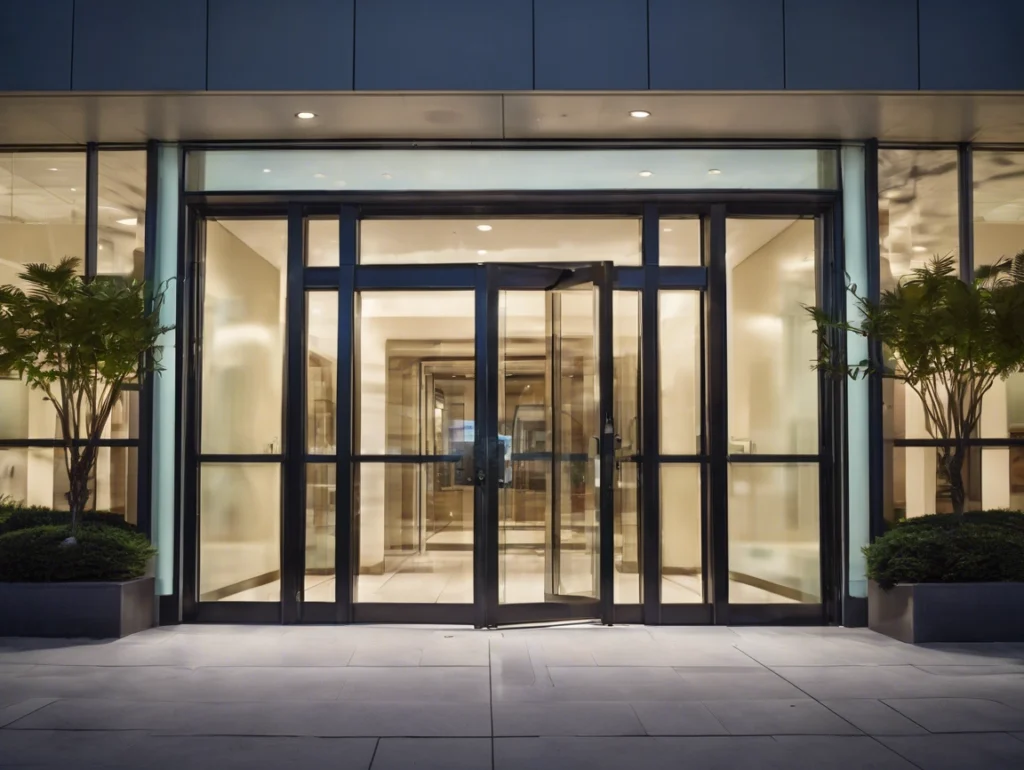
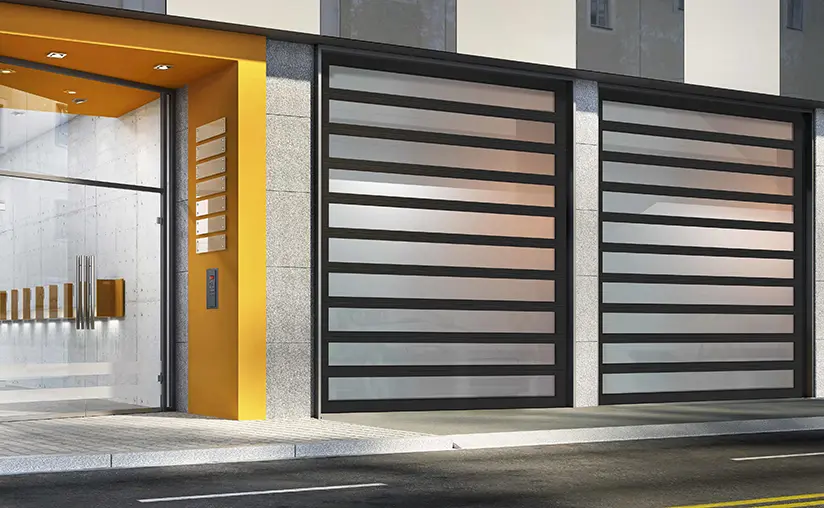
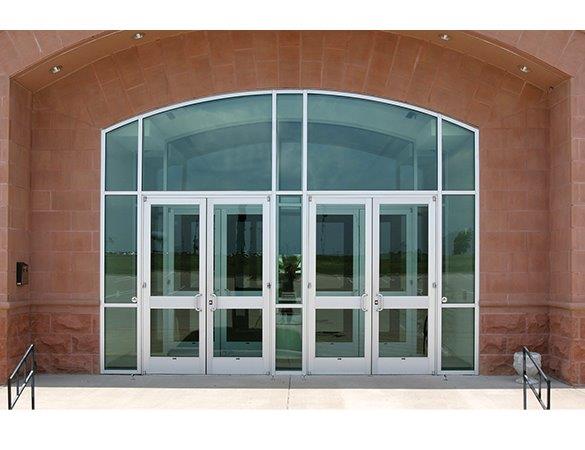
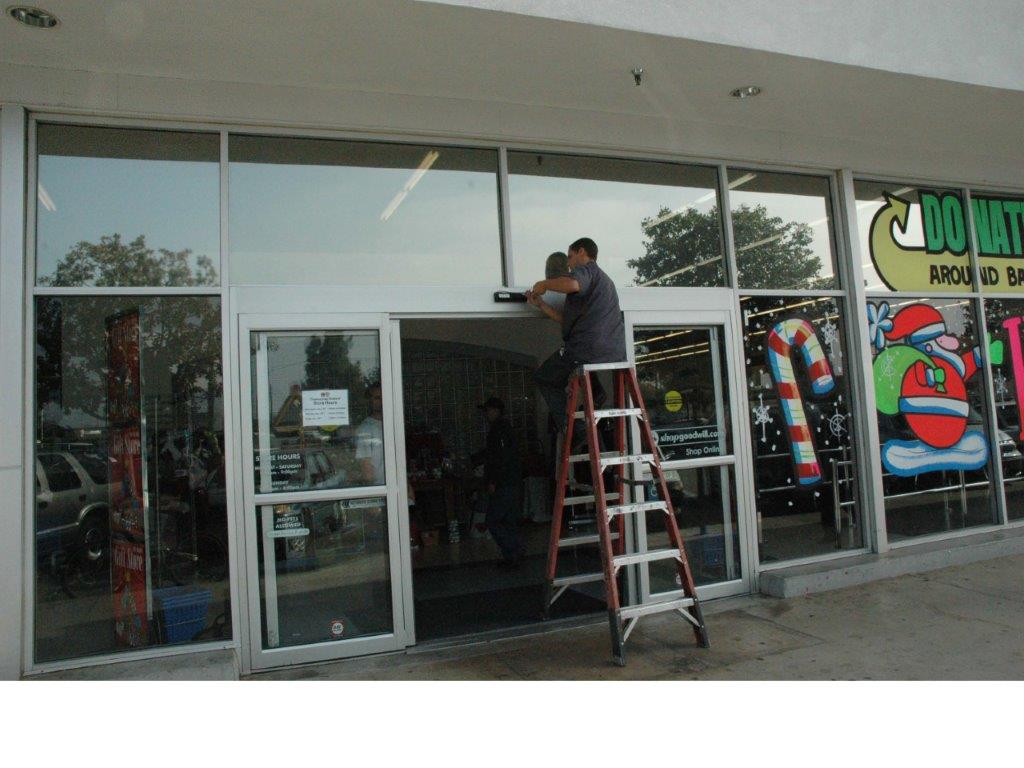
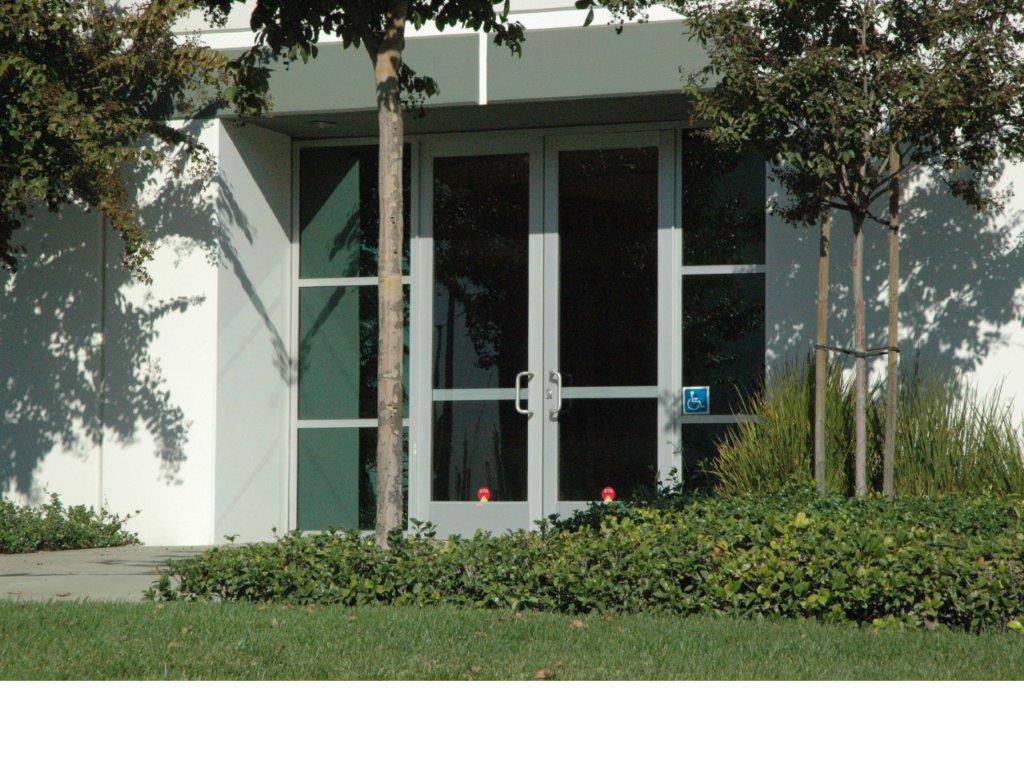
As the owner of a glass aluminum storefront, you take pride in the sleek, modern appearance it brings to your business. However, when that once smooth-operating door starts slamming shut unexpectedly, it can be both frustrating and concerning. Fear not – this is a common issue that often has a straightforward solution. In this blog post, we’ll explore the potential causes behind your door’s sudden slamming behavior and provide guidance on how to address the problem.
One of the most common culprits behind a slamming storefront door is a problem with the door’s closure mechanism. Over time, the hydraulic closer or spring-loaded hinge that controls the door’s closing speed and force can become worn or misadjusted. This can result in the door slamming shut with excessive force, rather than closing gently as it should. Fortunately, this is an easy fix – simply adjusting the closer or hinge tension can often resolve the issue.
Another potential cause of a slamming storefront door is changes in the building’s air pressure. If your business is located in a high-traffic area or has a large open floor plan, the movement of people in and out of the store can create fluctuations in air pressure. These pressure changes can essentially “pull” the door closed with greater force, leading to the unwanted slamming. To address this, you may need to install weather stripping or door sweeps to help regulate the airflow and stabilize the pressure within your storefront.
Warping or misalignment of the door frame itself can also contribute to a slamming door. Over time, the aluminum frame can become slightly distorted, causing the door to bind or rub against the jamb as it closes. This increased friction can then translate into the door slamming shut. Carefully inspecting the frame for any signs of warping or misalignment, and making adjustments as needed, can often resolve this problem.
In some cases, the issue may be related to the door’s hardware, such as the hinges or pivot points. If these components become worn or damaged, it can affect the door’s smooth operation and lead to the slamming behavior. Replacing any faulty hardware or lubricating the moving parts can help restore the door’s proper function.
It’s also worth considering the possibility of changes in the door’s weight distribution. If you’ve recently made modifications to the door, such as adding or removing signage or decorative elements, the altered weight balance could be causing the door to close with more force than it’s designed to handle. Restoring the door to its original configuration may be the solution in this scenario.
Finally, environmental factors such as temperature and humidity can play a role in a slamming storefront door. Extreme heat or cold can cause the door’s materials to expand or contract, leading to binding or misalignment. Sudden changes in humidity can also affect the door’s operation. Monitoring the door’s performance in relation to the weather conditions and making adjustments as needed can help mitigate these environmental influences.
In conclusion, the sudden slamming of your glass aluminum storefront door is a common issue that can be addressed through a systematic troubleshooting process. By examining the door’s closure mechanism, air pressure, frame alignment, hardware, weight distribution, and environmental factors, you can identify the root cause of the problem and implement the appropriate solution. With a little investigation and some minor adjustments, you can restore the smooth, quiet operation of your storefront door and maintain the professional appearance of your business.