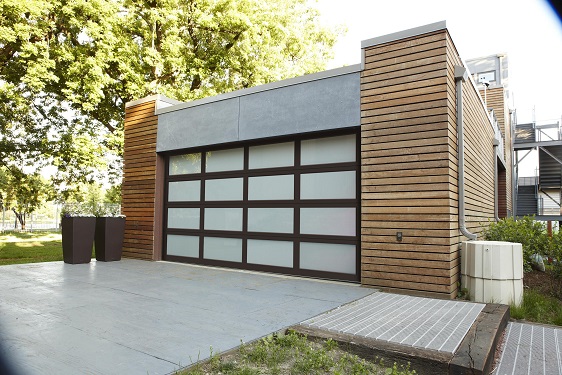
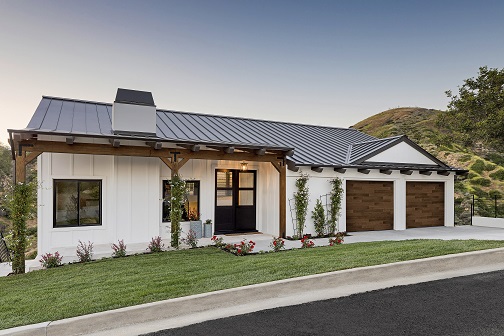
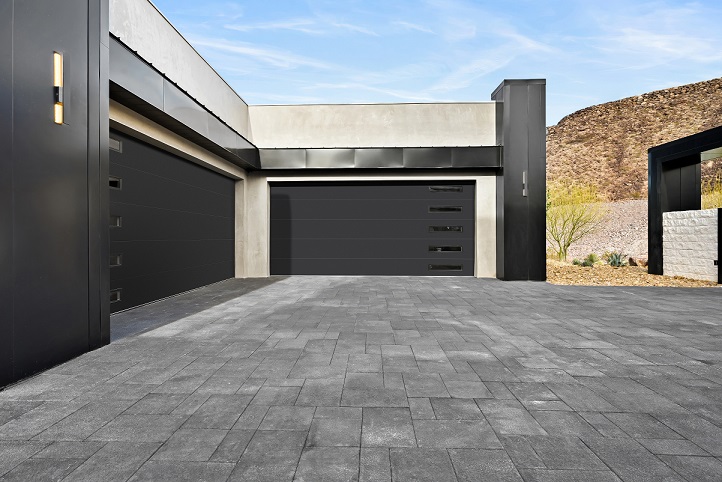
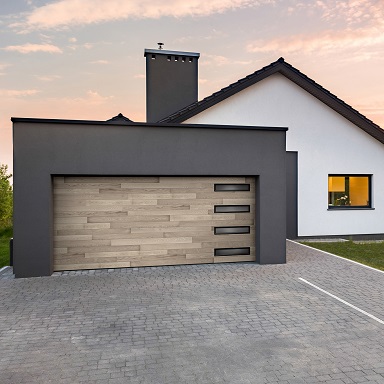
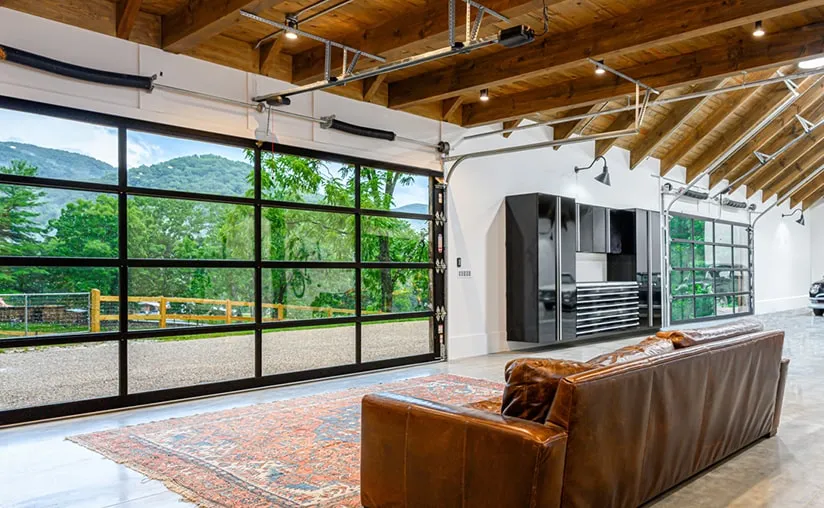
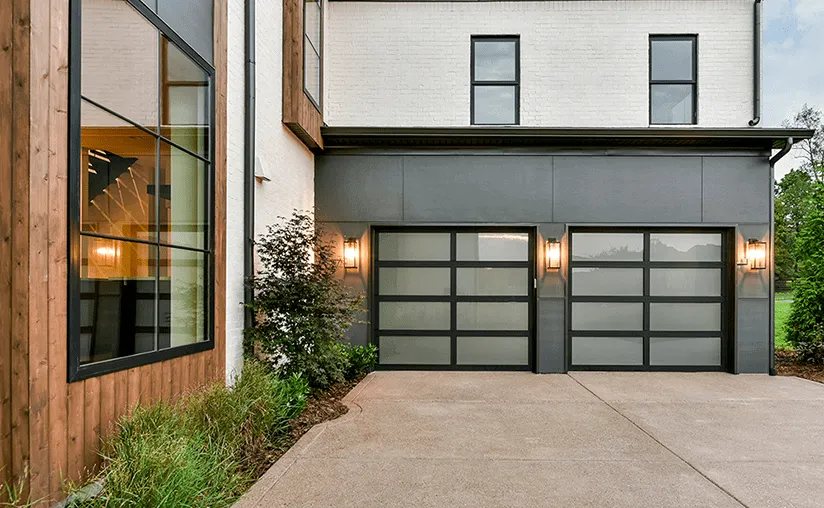
The humble garage door is a ubiquitous feature of modern homes, allowing us to conveniently park our cars and access our storage spaces with the simple push of a button. But have you ever wondered how this everyday household item got its name? The story behind the garage door’s moniker is a fascinating glimpse into the evolution of architecture and technology.
The term “garage” itself has its roots in the French word “garer,” meaning “to shelter.” In the late 19th century, as the automobile began to replace the horse-drawn carriage, the need for dedicated spaces to house these new-fangled machines gave rise to the garage. These early garages were simple structures, often little more than sheds or outbuildings attached to the main house.
As cars became more widespread in the early 20th century, the design of garages evolved to accommodate them. Garage doors, initially made of wood and operated manually, allowed easy access for drivers to park their vehicles inside. The term “garage door” was a natural extension of the space it was designed to enclose.
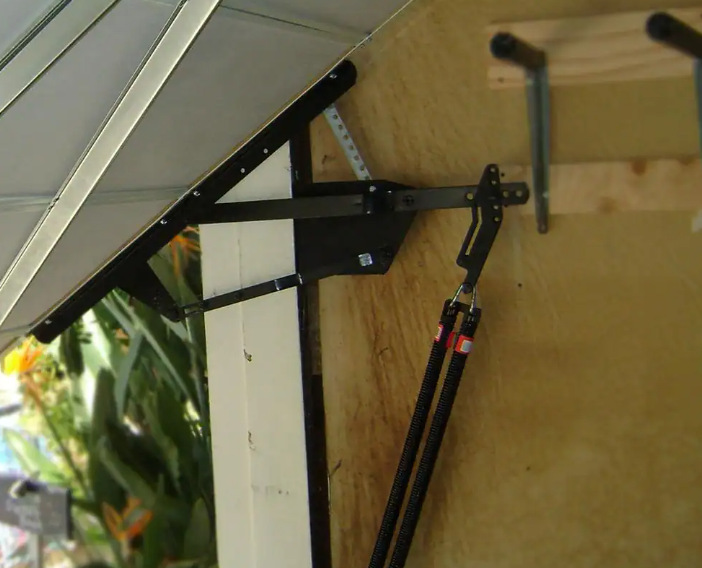
Interestingly, the very first garage doors were not the overhead, sectional variety we’re familiar with today. Instead, they were typically hinged, swinging outward like a regular door. This design had its limitations, however, as it required a significant amount of clearance in front of the garage to allow the door to open fully.
It wasn’t until the 1920s that the overhead garage door, with its space-saving sliding mechanism, began to gain popularity. This innovation was largely driven by the growing popularity of the automobile and the need for more efficient use of garage space. Manufacturers like Overhead Door Corporation and Stanley Works (now Stanley Black & Decker) began mass-producing these new-fangled overhead garage doors, making them more accessible to the average homeowner.
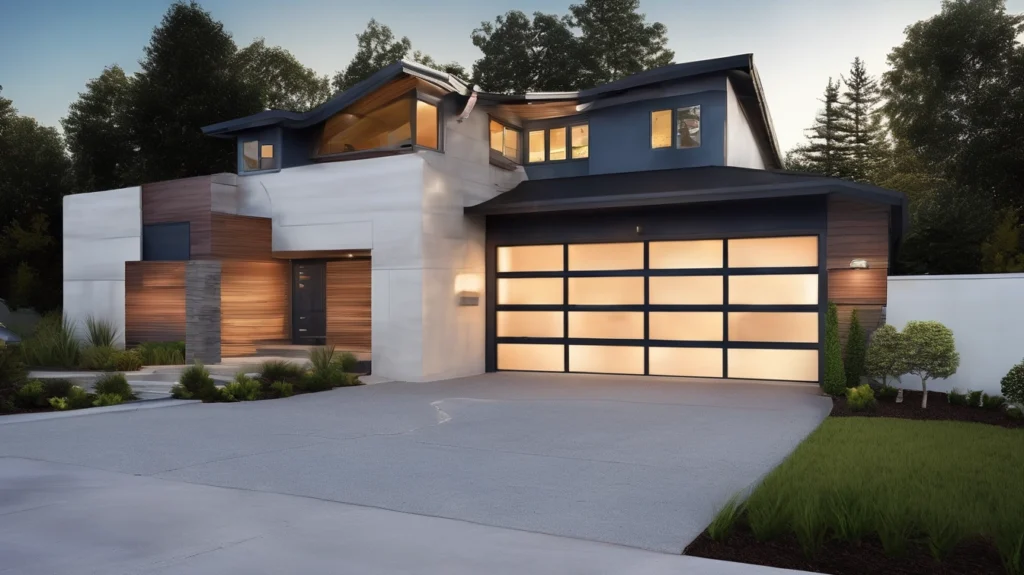
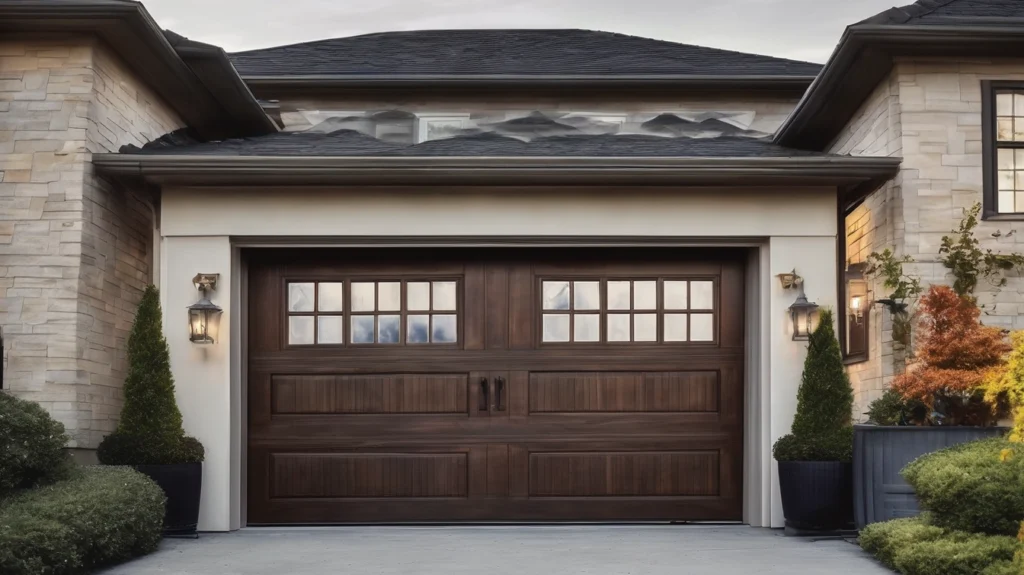
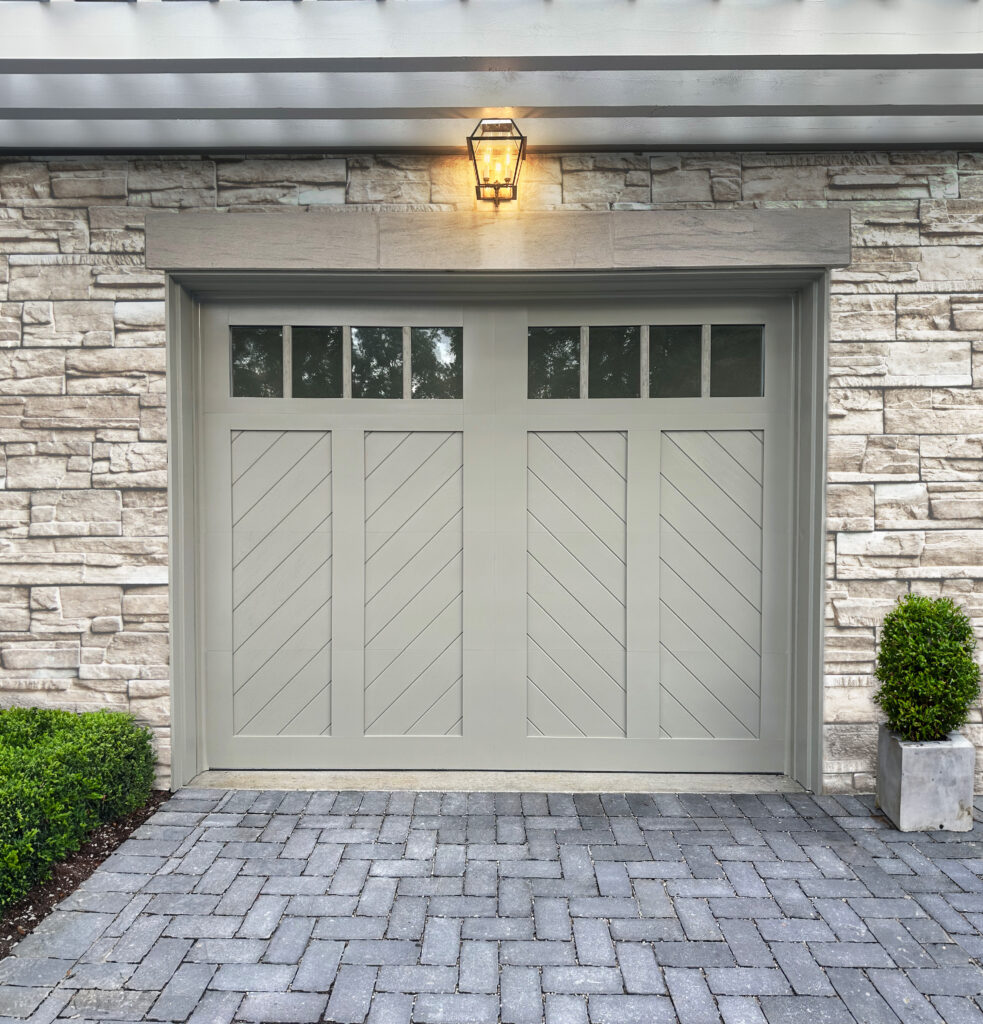
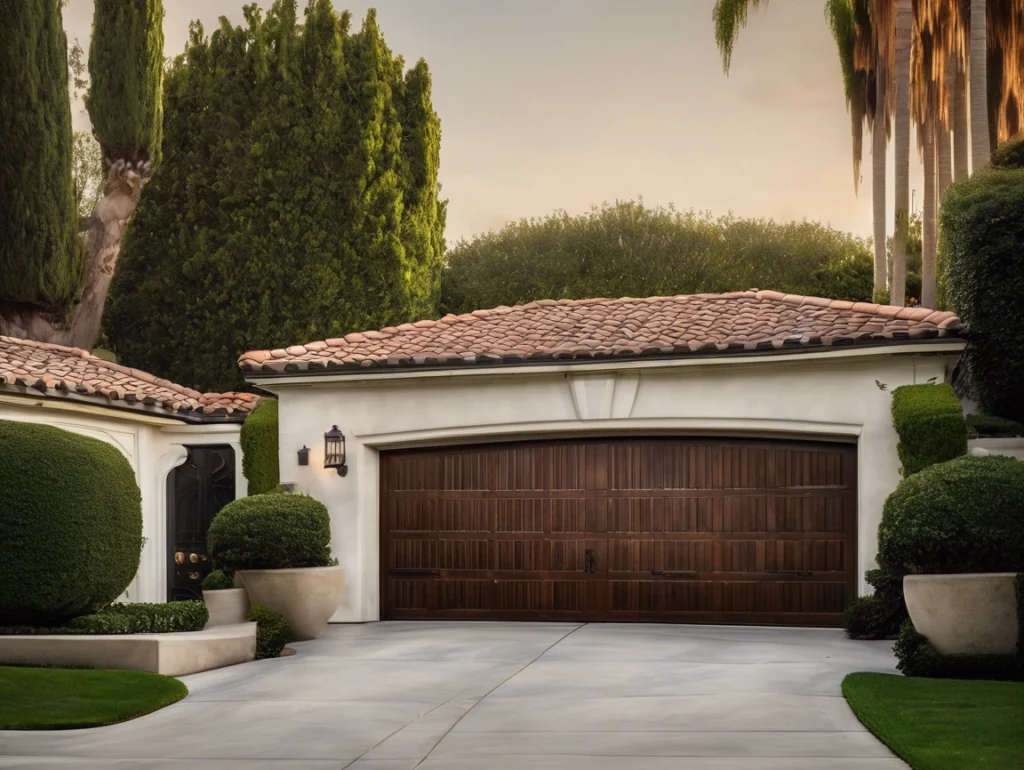
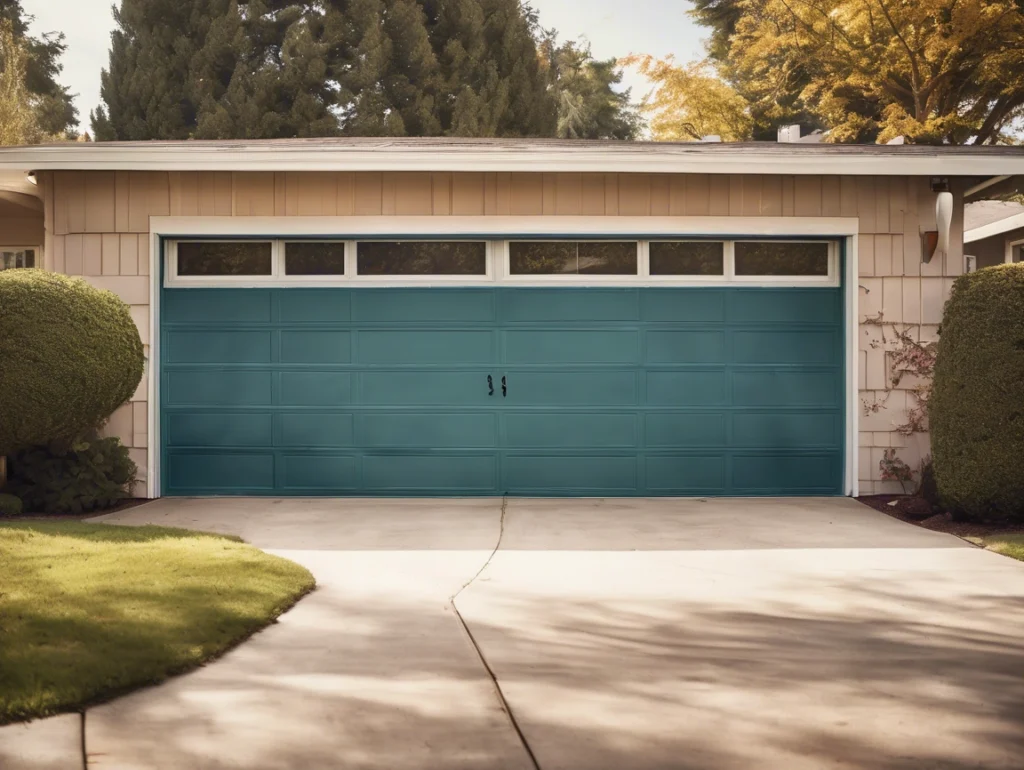
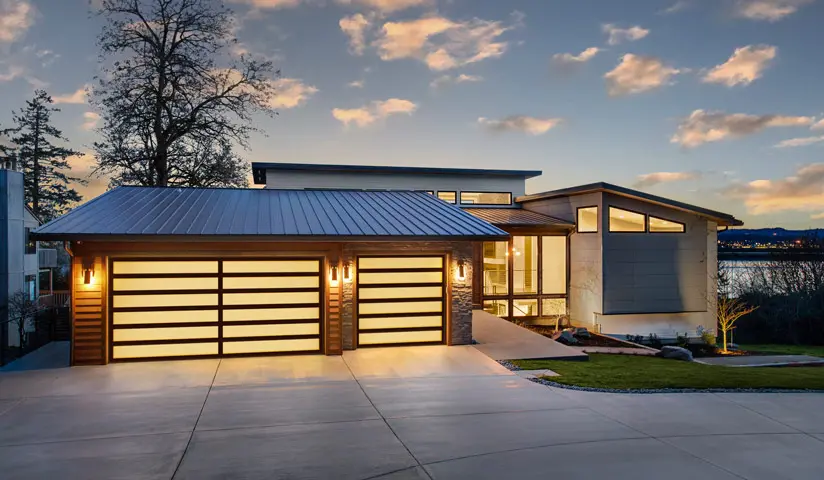
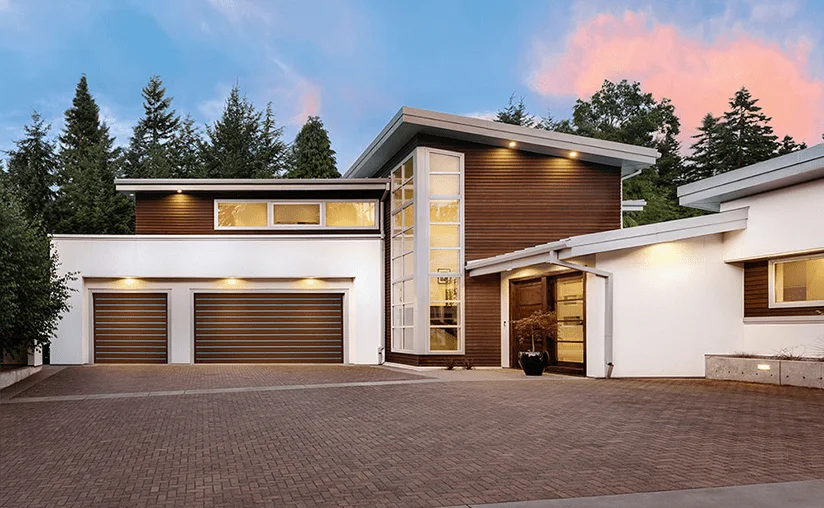
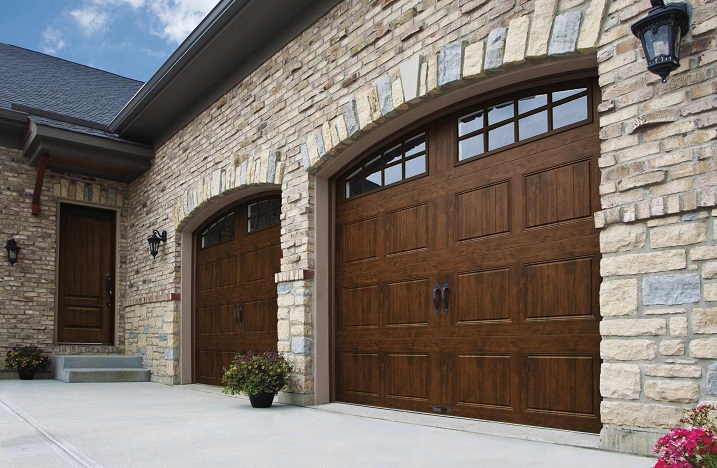
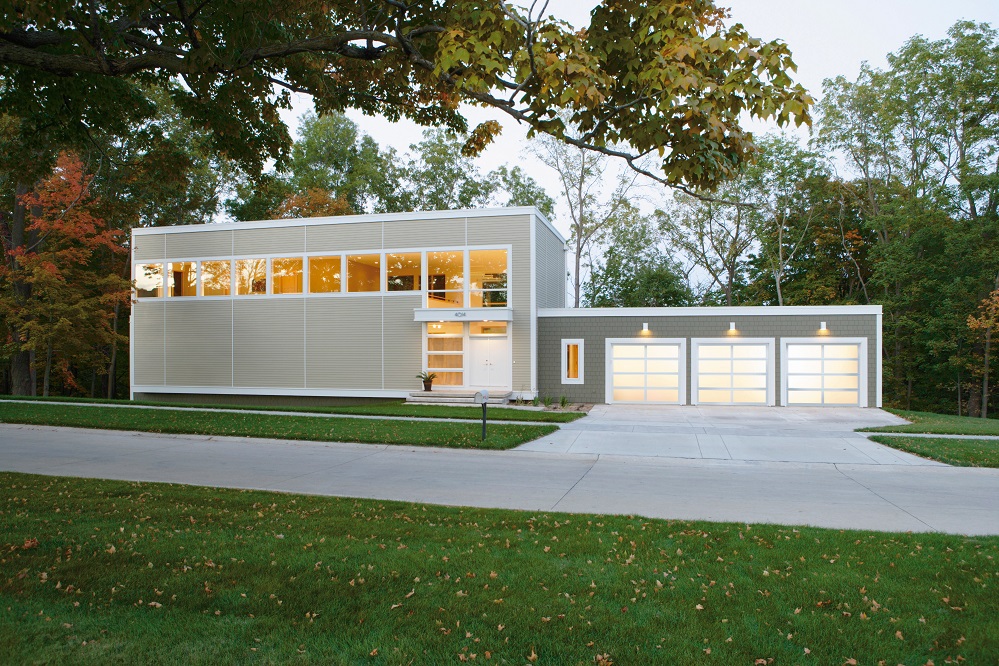
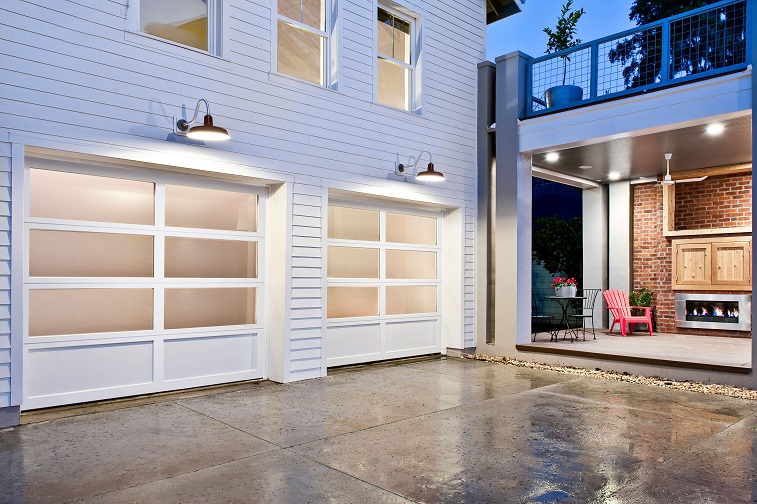
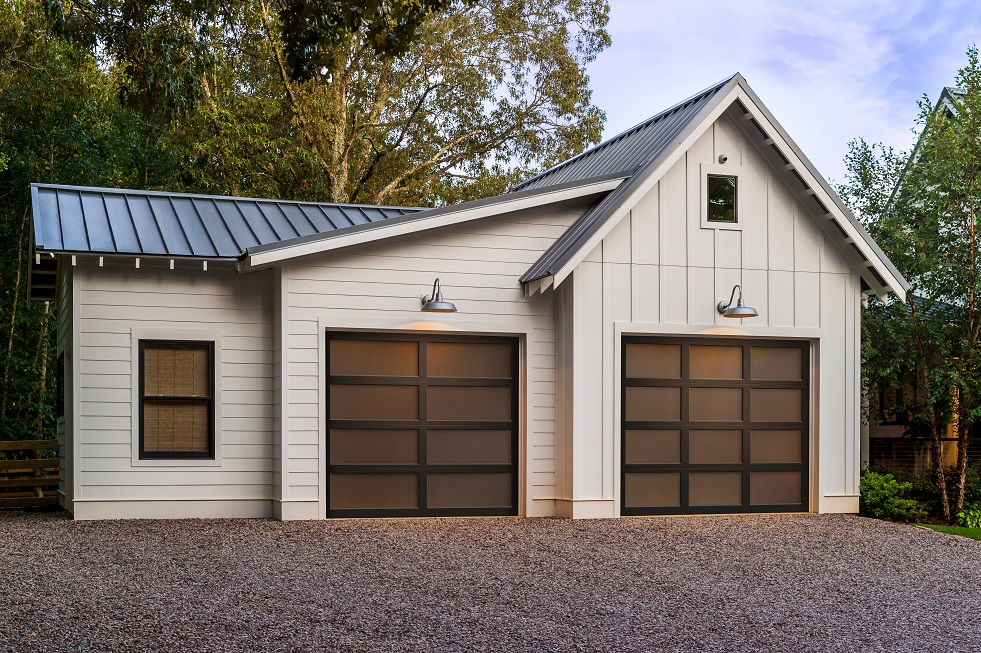
The rise of the suburban lifestyle in the post-World War II era further cemented the garage door’s place in the modern home. As houses grew larger and more families owned multiple cars, the garage became an integral part of the residential landscape. Garage doors evolved to become more than just functional – they became a statement of style, with a wide range of materials, colors, and designs to choose from.
Today, the garage door is a ubiquitous feature of homes around the world, serving as both a practical and aesthetic element. From the humble wooden doors of the early 20th century to the high-tech, automated systems of today, the garage door has come a long way. And its name, a simple yet effective descriptor of its purpose, has endured throughout its evolution.
So the next time you press the button to open your garage door, take a moment to appreciate the rich history behind this everyday household item. The garage door may be a common sight, but its story is anything but ordinary.