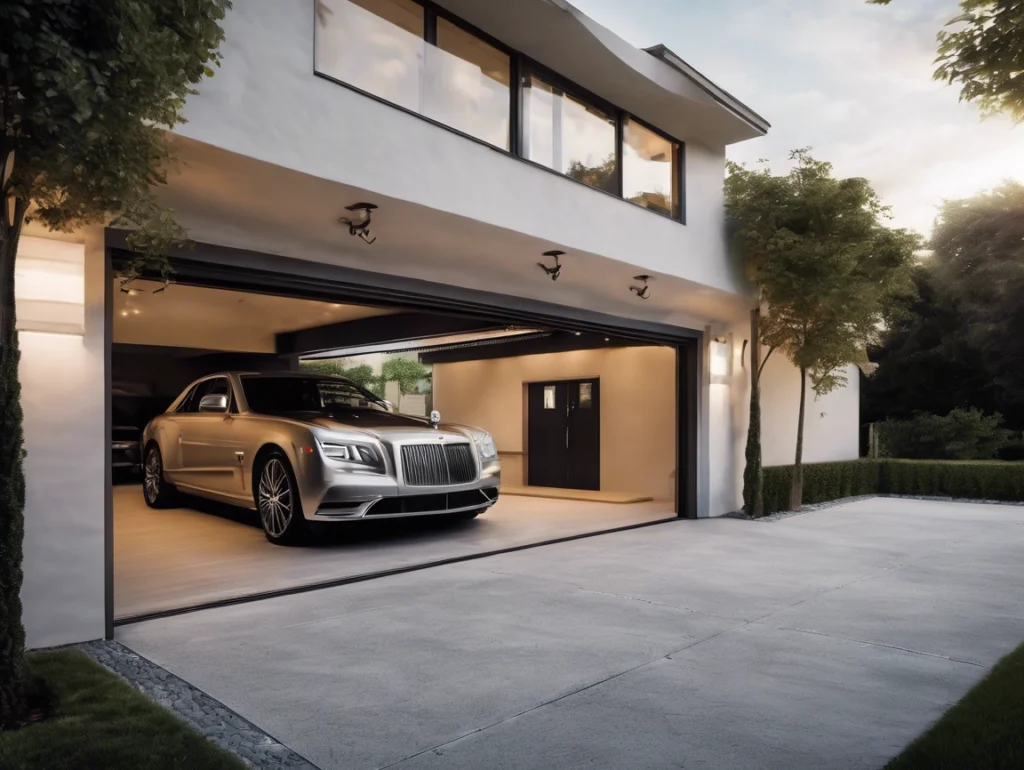
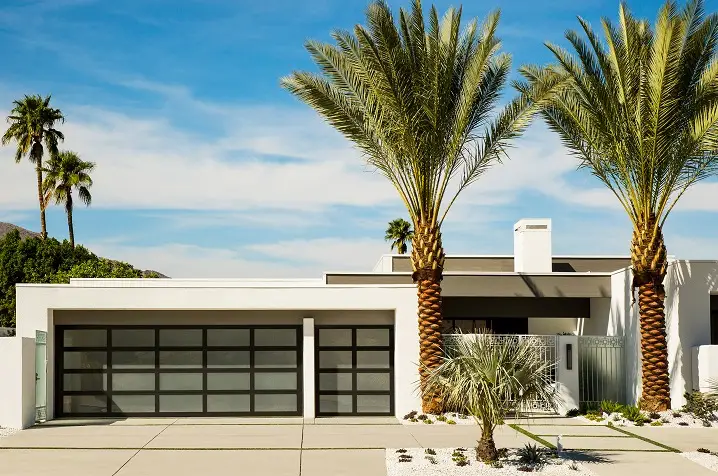
Your garage door and opener are essential components of your home, providing security, convenience, and curb appeal. But how long can you expect these hardworking systems to last? The answer depends on several factors, but with proper maintenance and care, you can maximize the lifespan of your garage door and opener.
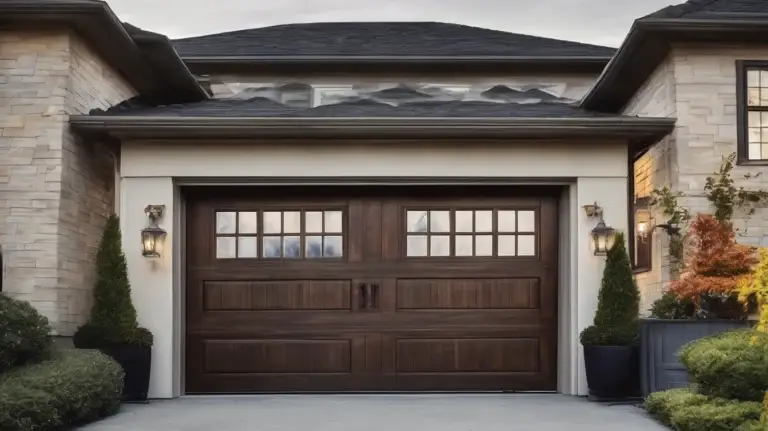
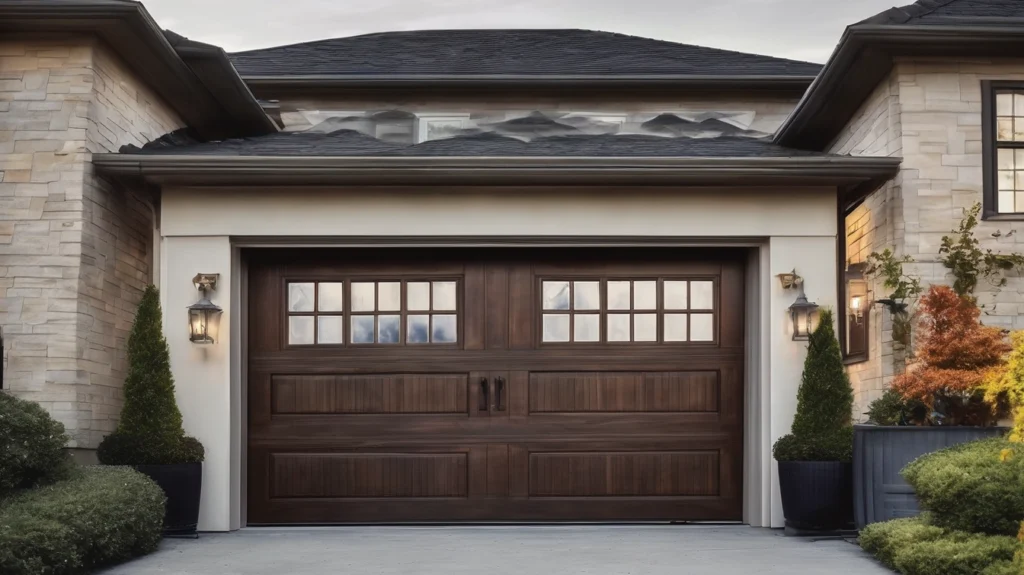
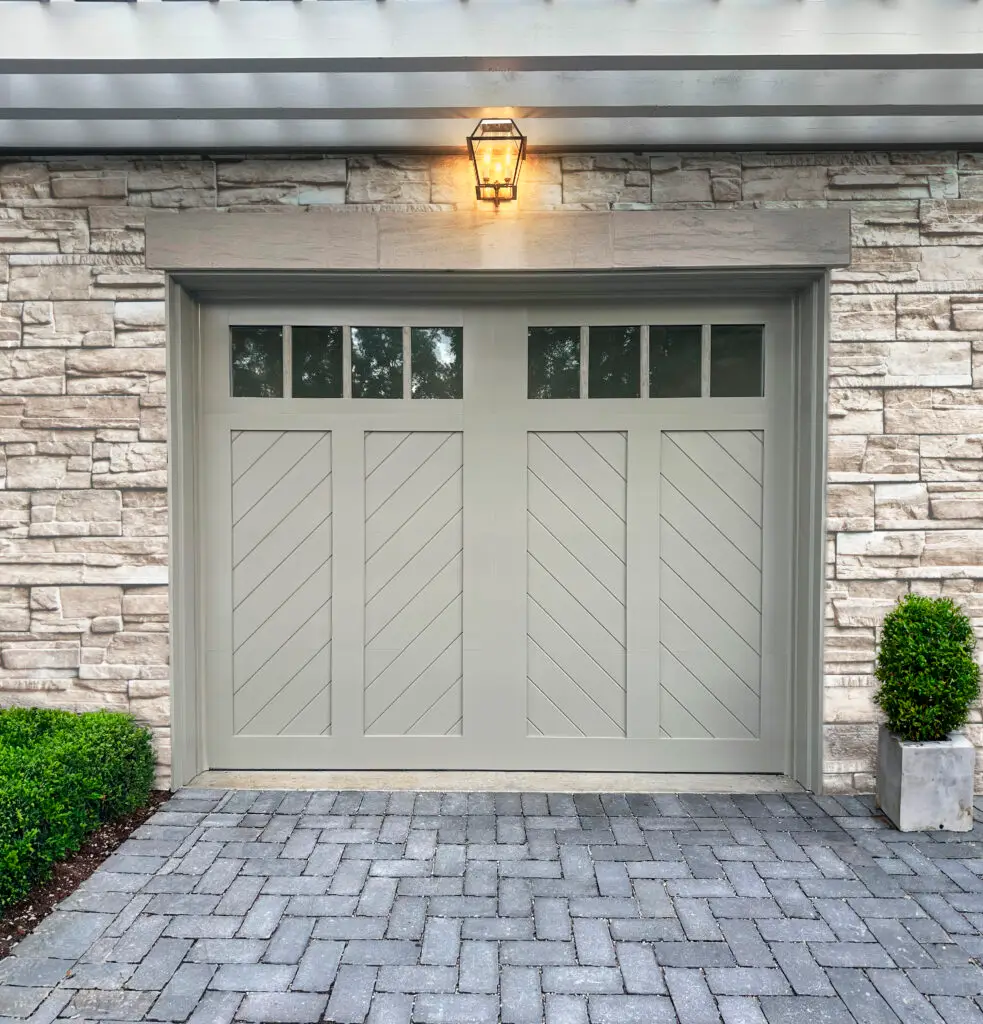
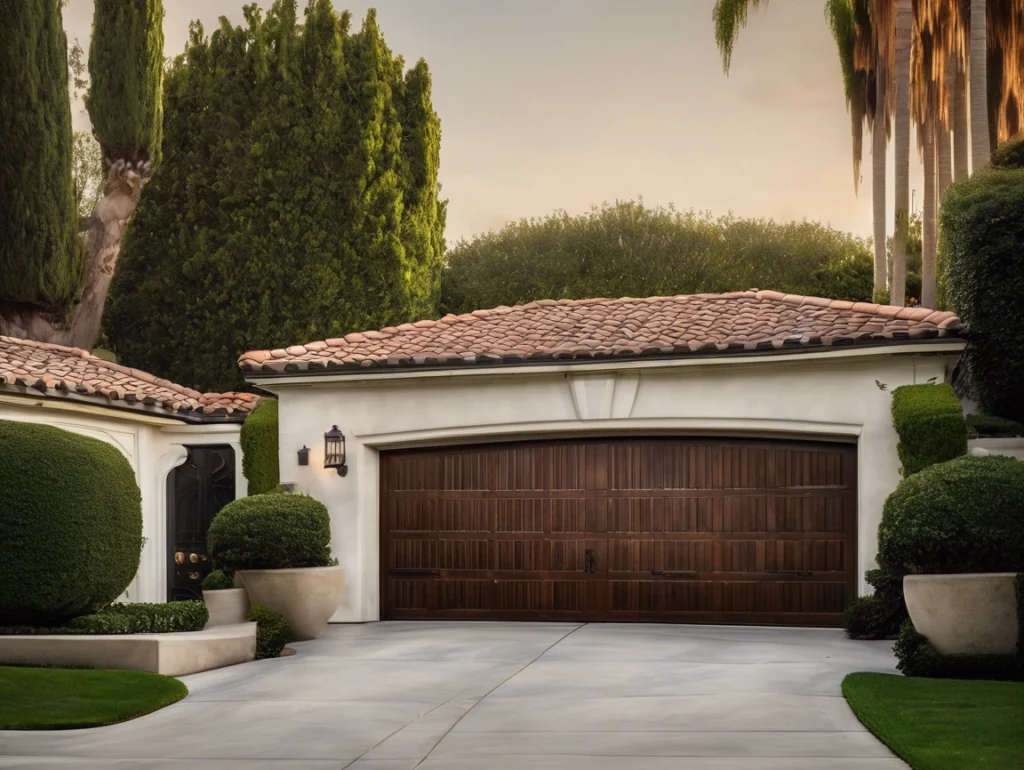
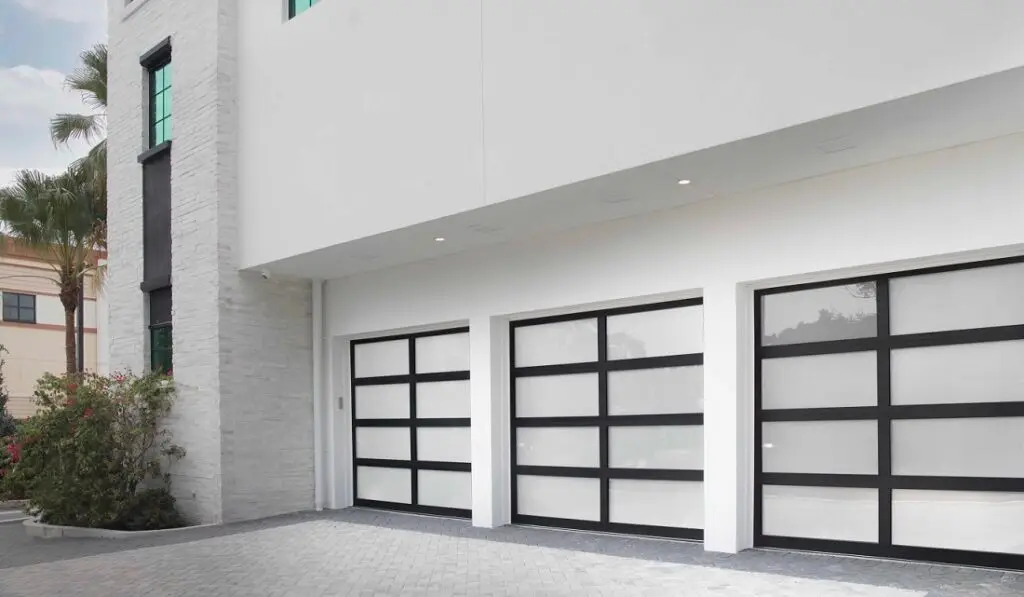
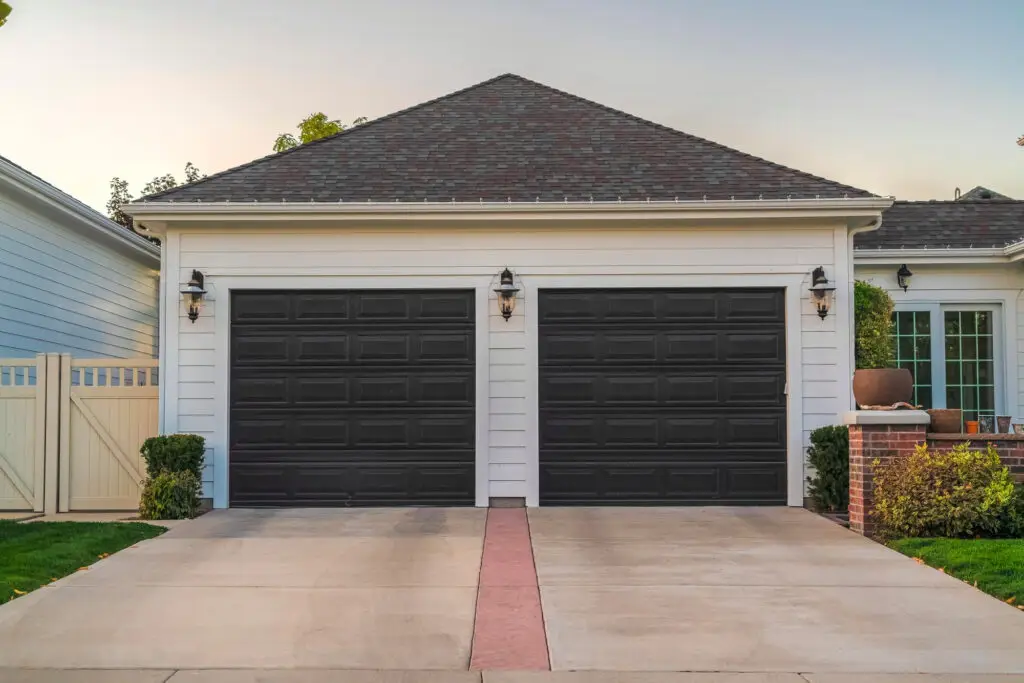
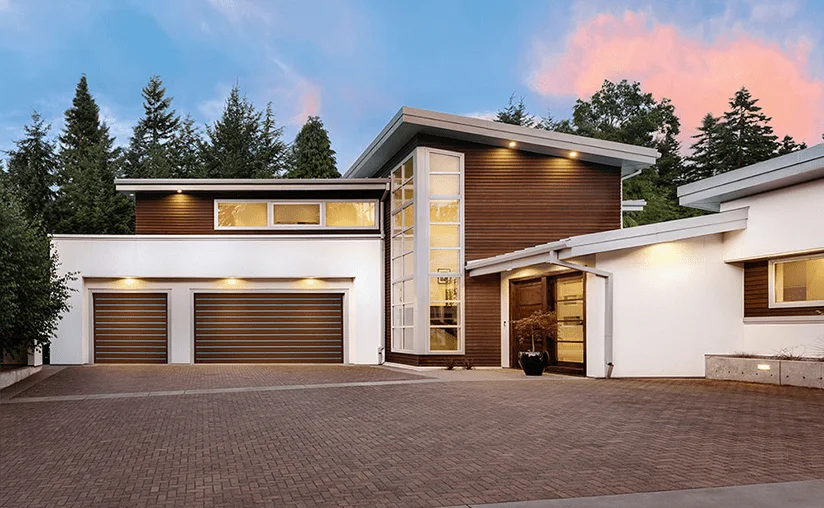
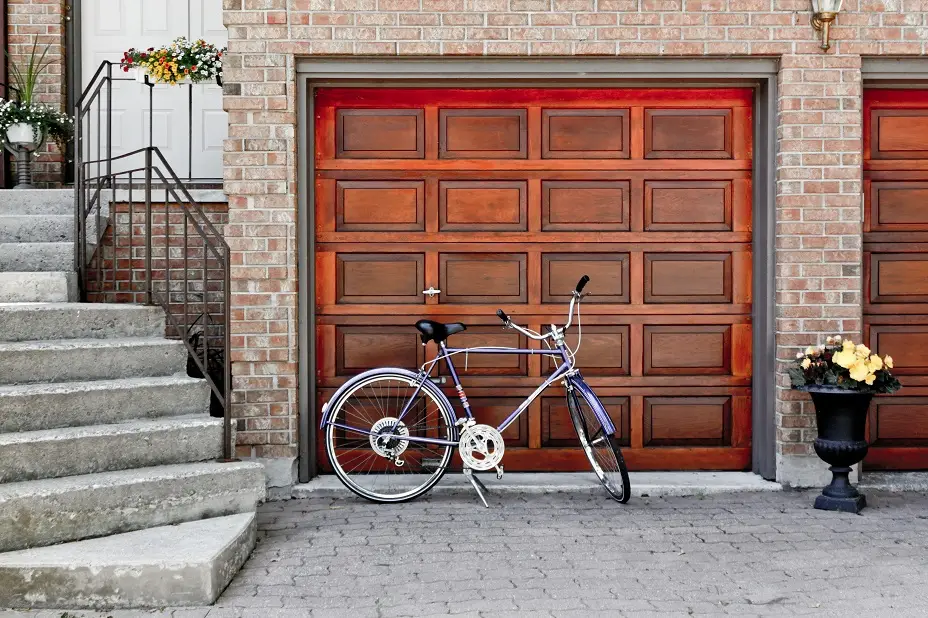
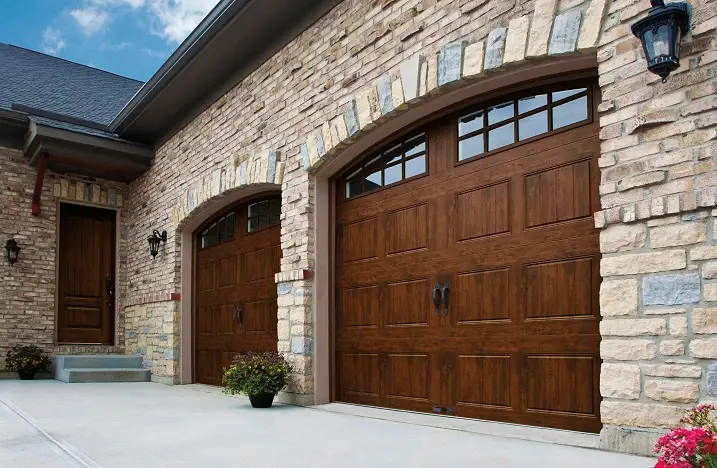
Garage Door Lifespan On average, a well-made, properly installed garage door can last 15 to 30 years. However, this lifespan can vary depending on the materials used and the level of usage. Steel and aluminum doors tend to have the longest lifespans, often lasting 20 to 30 years. Wooden doors may only last 15 to 20 years, as they are more susceptible to weathering and wear. Fiberglass doors fall somewhere in the middle, with a typical lifespan of 20 to 25 years.
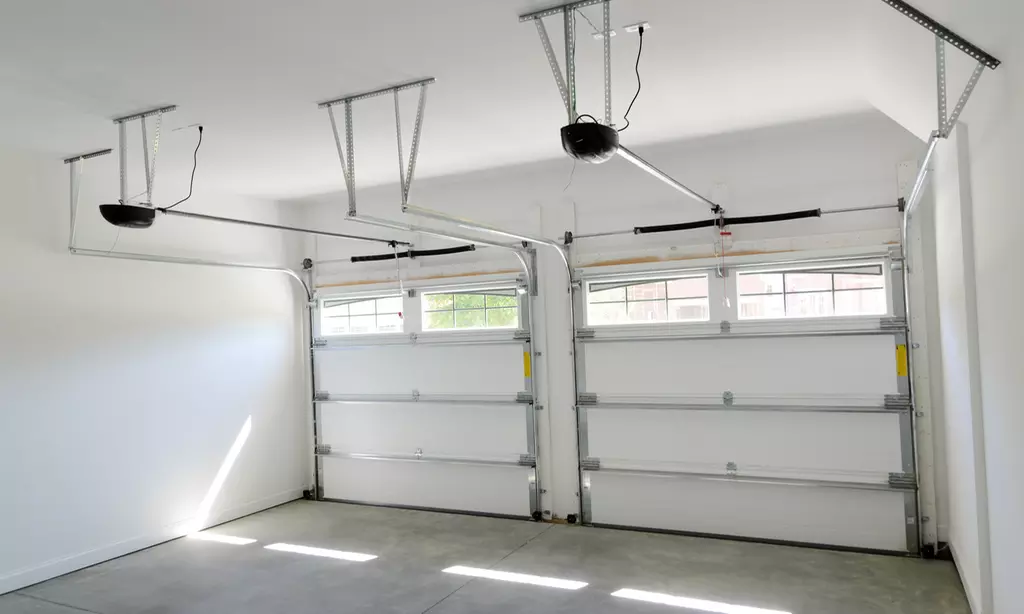
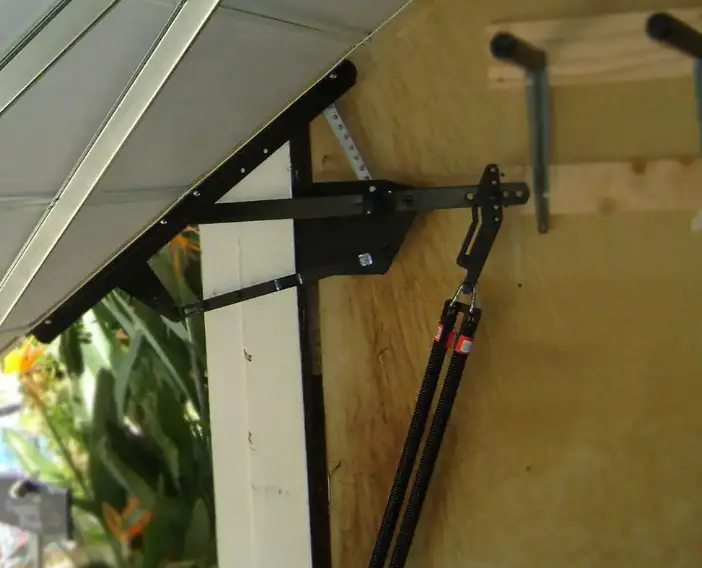
It’s important to note that the door’s moving parts, such as the springs, rollers, and hinges, may need to be replaced more frequently, even if the door itself is still in good condition. These components are subject to more wear and tear and may need to be serviced or replaced every 7 to 15 years, depending on usage.
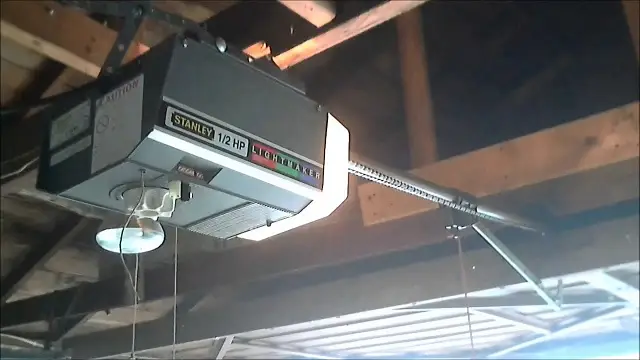
Garage Door Opener Lifespan Garage door openers are designed to last 10 to 15 years on average, though some high-quality models may last up to 20 years with proper maintenance. The lifespan of your opener depends on several factors, including the quality of the unit, the frequency of use, and the environment in which it operates.
Factors that can affect the lifespan of your garage door opener include:
1. Usage frequency: Openers that are used multiple times per day will generally have a shorter lifespan than those used less frequently. 2. Motor power: Heavier-duty motors designed for larger, heavier doors tend to last longer than lighter-duty motors. 3. Environmental conditions: Openers installed in humid, dusty, or extreme temperature environments may wear out more quickly. 4. Maintenance: Regular maintenance, such as lubricating moving parts and checking for wear and tear, can extend the life of your opener.
Signs It’s Time to Replace As your garage door and opener age, you may start to notice signs that it’s time for replacement. Some common indicators include:
– Increased noise or vibration during operation – Difficulty opening or closing the door – Frequent breakdowns or malfunctions – Visible wear and tear on the door or opener components – Decreased energy efficiency
If you’re experiencing any of these issues, it’s a good idea to have a professional inspect your system and provide recommendations for repair or replacement.
Investing in a High-Quality System When it’s time to replace your garage door and opener, it’s worth investing in a high-quality system that will provide long-lasting performance and value. Look for doors and openers from reputable manufacturers with a track record of durability and reliability. While the initial cost may be higher, a well-made system can save you money in the long run by reducing the need for frequent repairs and replacements.
By understanding the typical lifespan of your garage door and opener, and taking steps to maintain and care for these essential components, you can ensure your home’s security and convenience for years to come.