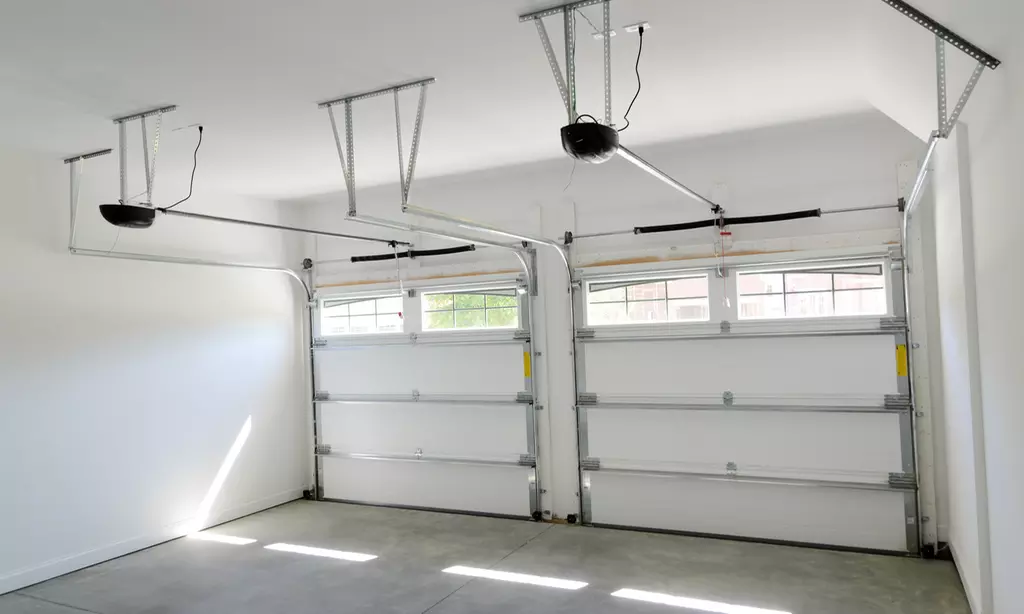
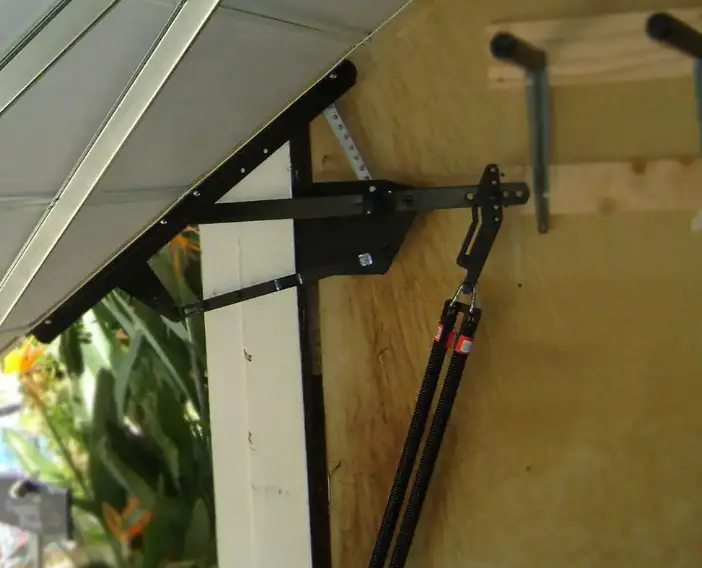
Garage door springs are an essential component of your garage door system, responsible for providing the necessary tension to lift and lower the door with ease. These springs play a crucial role in the smooth and safe operation of your garage door, and understanding their lifespan is essential for maintaining the functionality and safety of your home.
On average, garage door springs are designed to last between 7 to 12 years, depending on the frequency of use and the quality of the springs. However, it’s important to note that this is a general guideline, and the actual lifespan of your garage door springs can vary based on several factors.
One of the primary factors that can affect the lifespan of your garage door springs is the frequency of use. Homeowners who use their garage door multiple times a day will likely see their springs wear out faster than those who use their garage door less frequently. Additionally, the weight of the garage door can also impact the lifespan of the springs, as heavier doors will put more strain on the springs, causing them to wear out more quickly.
Another factor that can influence the lifespan of your garage door springs is the quality of the springs themselves. Higher-quality springs, made from durable materials and designed to withstand the rigors of regular use, will typically last longer than lower-quality springs. It’s important to invest in high-quality springs when replacing or upgrading your garage door system to ensure that you get the most value for your money.
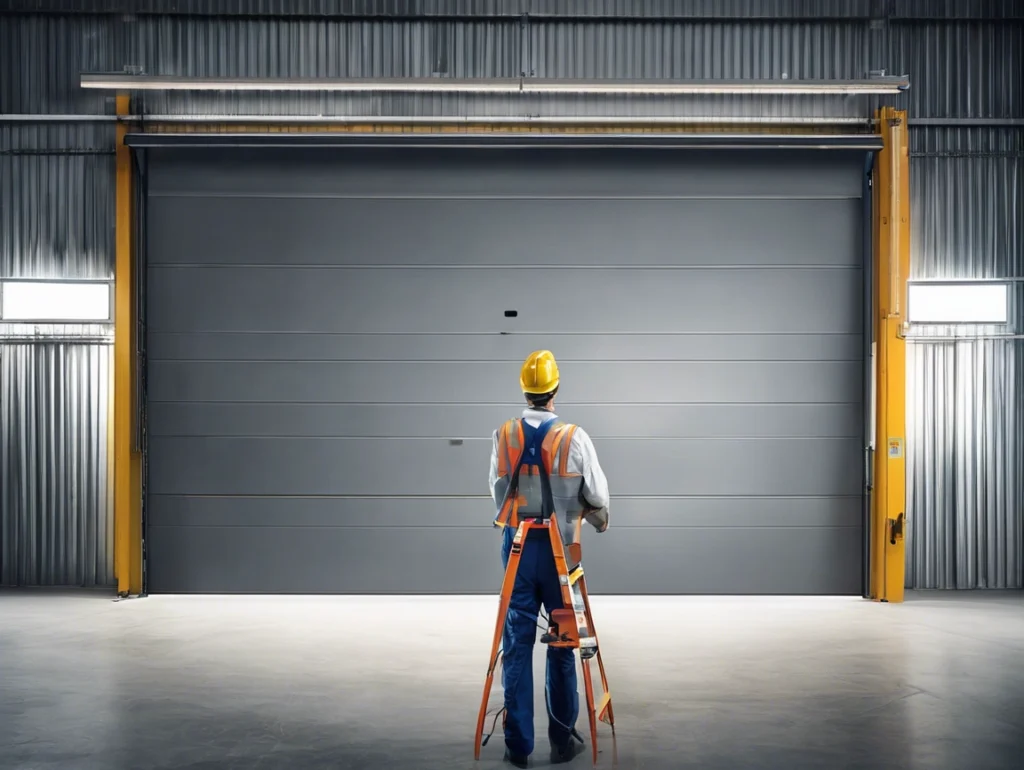
Regular maintenance and inspection of your garage door springs can also help extend their lifespan. It’s recommended to have a professional garage door technician inspect your springs at least once a year to check for any signs of wear or damage. This can help you identify potential issues before they become more serious, allowing you to address them proactively and prevent the need for a more costly repair or replacement.
In addition to regular maintenance, it’s also important to be aware of the warning signs that your garage door springs may be nearing the end of their lifespan. These signs can include increased difficulty in opening or closing the door, unusual noises or vibrations, and visible signs of wear or damage on the springs themselves. If you notice any of these issues, it’s important to have your garage door springs inspected and replaced as soon as possible to ensure the continued safe and reliable operation of your garage door.
In conclusion, the lifespan of your garage door springs can vary depending on a variety of factors, but on average, they are designed to last between 7 to 12 years. By investing in high-quality springs, maintaining your garage door system regularly, and being aware of the warning signs of wear and tear, you can help extend the lifespan of your garage door springs and ensure the continued safety and functionality of your home.