The Cost of Building a Garage: What to Expect
Building a garage is a common home improvement project that can provide valuable extra storage space, shelter for your vehicle, and potentially increase the value of your home. However, the cost of constructing a garage can vary widely depending on a number of factors. In this blog, we’ll explore the typical costs associated with building a garage to help you plan and budget for your project.
The national average cost to build a garage ranges from $20,000 to $60,000, with most homeowners spending around $40,000. This wide range is due to the many variables that impact the final price tag. The size of the garage, the type of foundation, the building materials used, and whether you need to add electricity, plumbing, or climate control can all influence the overall cost.
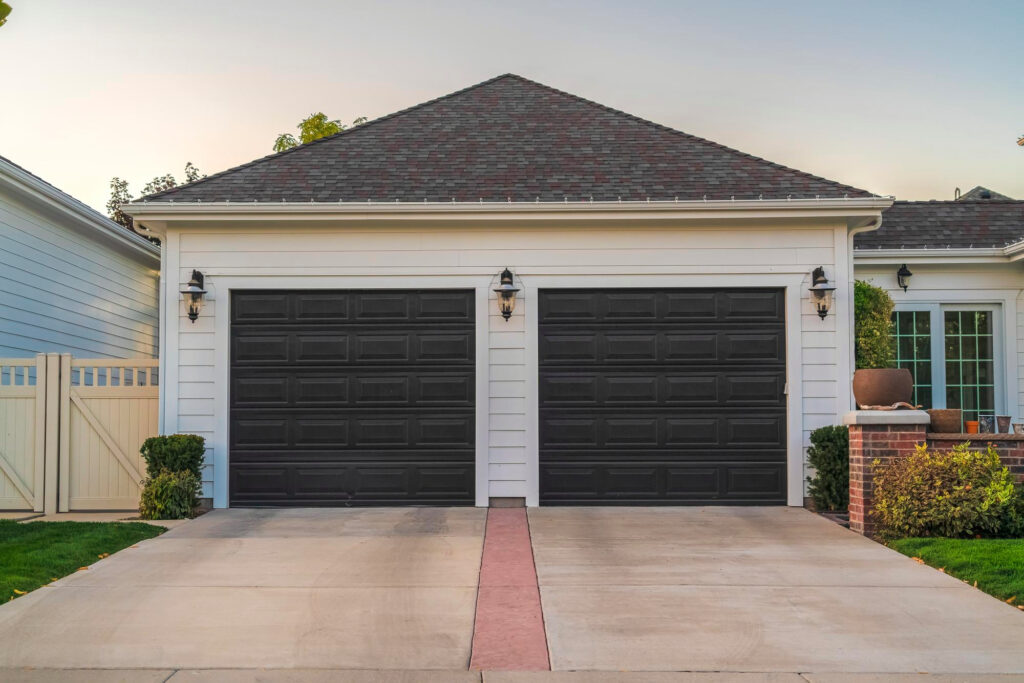
One of the biggest cost factors is the size of the garage. A basic, single-car garage that’s around 12×20 feet in size will generally cost between $18,000 and $40,000 to build. In contrast, a larger two-car garage measuring 24×24 feet can range from $35,000 to $60,000 or more. The added square footage, as well as the need for more building materials and labor, drives up the price for a two-car garage.
The type of foundation you choose is another major consideration. A basic concrete slab foundation will typically cost $4,000 to $15,000, while a more complex raised foundation with a stem wall can run $10,000 to $30,000. If you need to excavate and prepare the site before pouring the foundation, you can expect to pay an additional $1,000 to $5,000.
The building materials you select will also have a big impact on the final cost. Garages can be constructed with a variety of materials, including wood framing, steel, or even masonry. Wood frame garages tend to be the most affordable, costing $20 to $50 per square foot. Steel garages are a bit more expensive at $30 to $60 per square foot, while masonry construction like brick or concrete block can cost $40 to $100 per square foot.
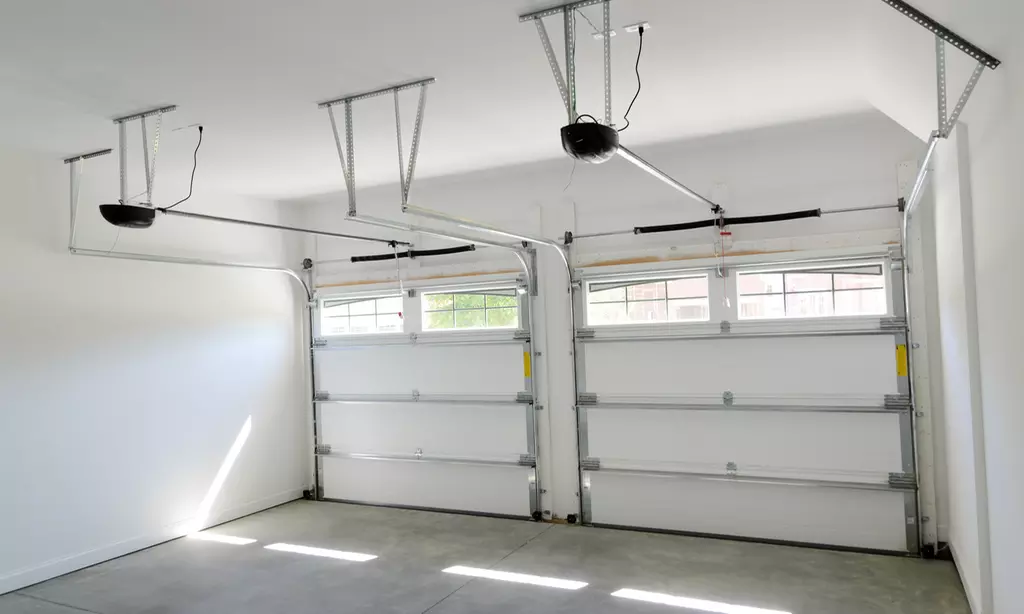
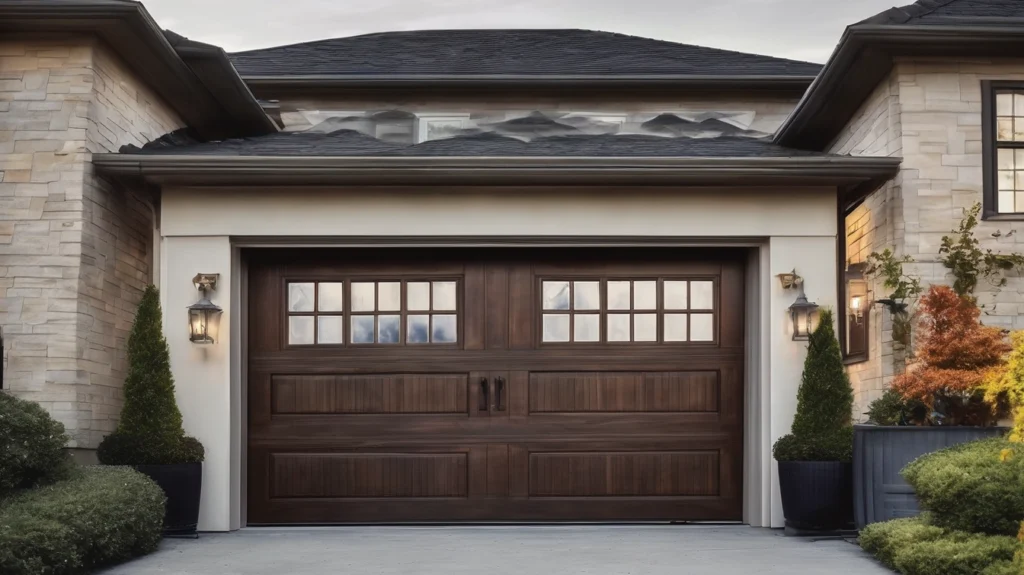
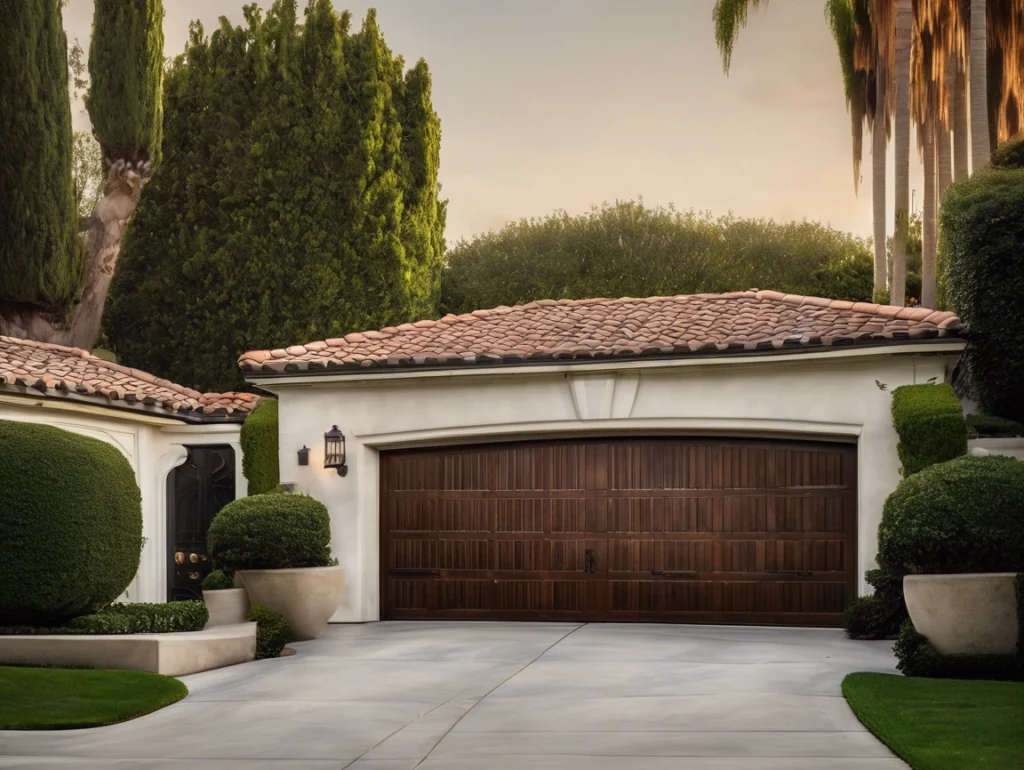
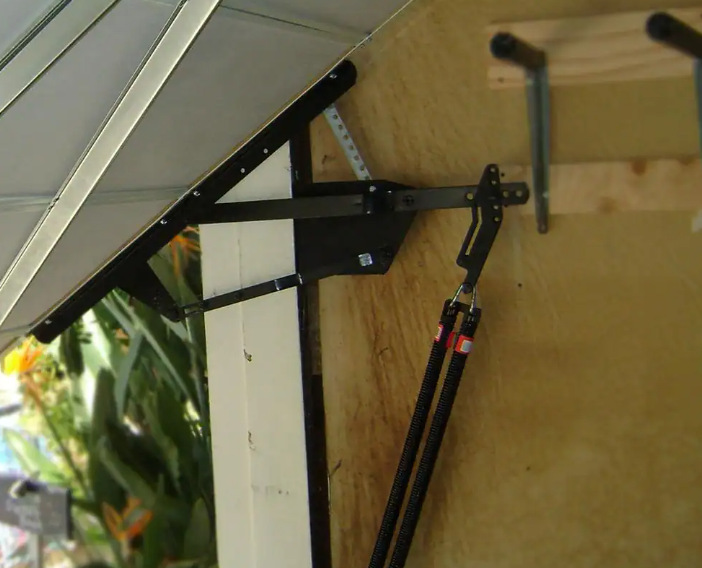
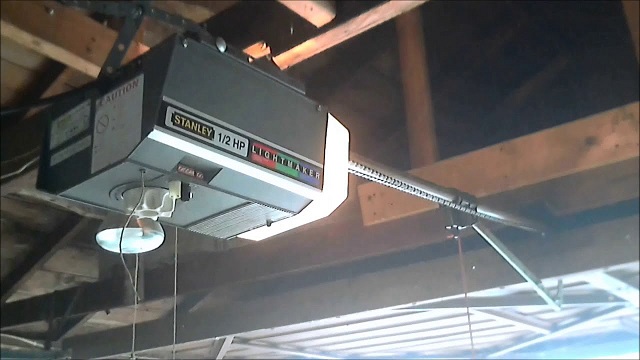
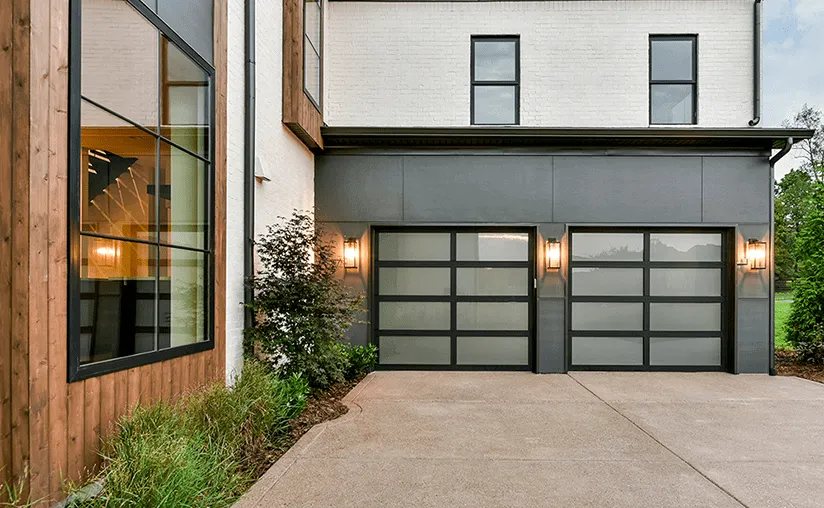
In addition to the basic structure, you may also need to factor in the cost of adding features like electricity, plumbing, insulation, climate control, and garage doors. Electrical wiring can add $500 to $2,000, while plumbing for a workshop sink or bathroom can cost $1,000 to $5,000. Insulation typically runs $500 to $2,000, and a quality garage door with an opener can be $800 to $2,500.
It’s important to note that the cost of building a garage can also vary significantly by location. Prices tend to be higher in urban and coastal areas, as well as regions with a high cost of living. Labor and material costs can also fluctuate based on local market conditions and the time of year you’re building.
When budgeting for a garage project, it’s wise to get quotes from multiple contractors and factor in a 10-20% contingency budget to account for unexpected expenses. With careful planning and a realistic understanding of the costs involved, you can ensure your garage project stays within your budget and meets your needs.