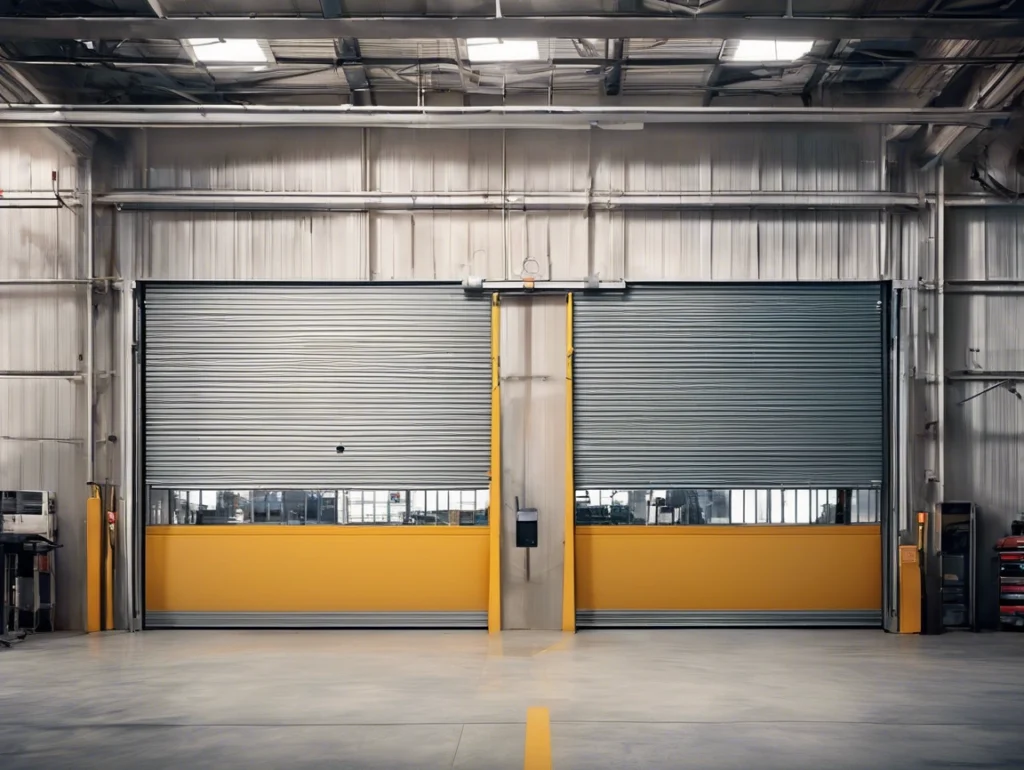
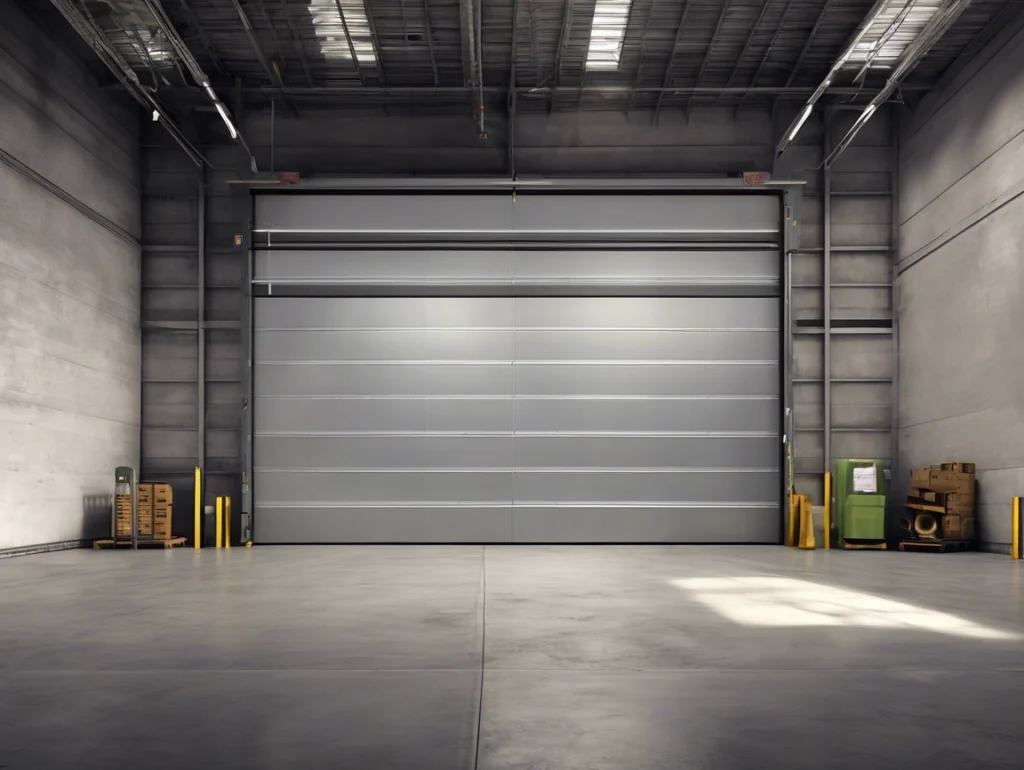
Commercial overhead doors are a vital component of many businesses, providing security, accessibility, and convenience. However, like any mechanical system, they require regular maintenance to ensure optimal performance and longevity. So, how often should a commercial overhead door be serviced?
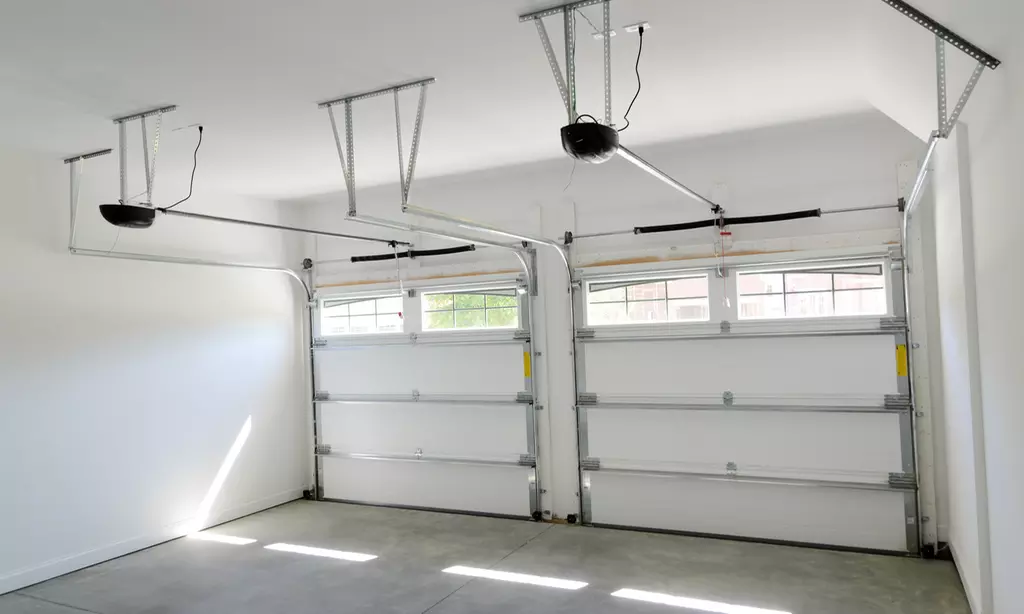
The general consensus among industry experts is that commercial overhead doors should be serviced at least once a year. This annual maintenance check allows trained technicians to inspect and address any potential issues before they become major problems. During this service, the technician will typically perform the following tasks:
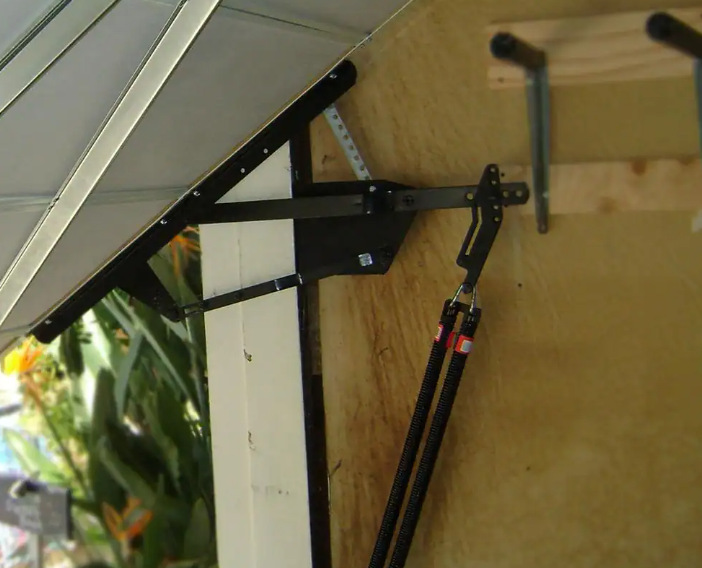
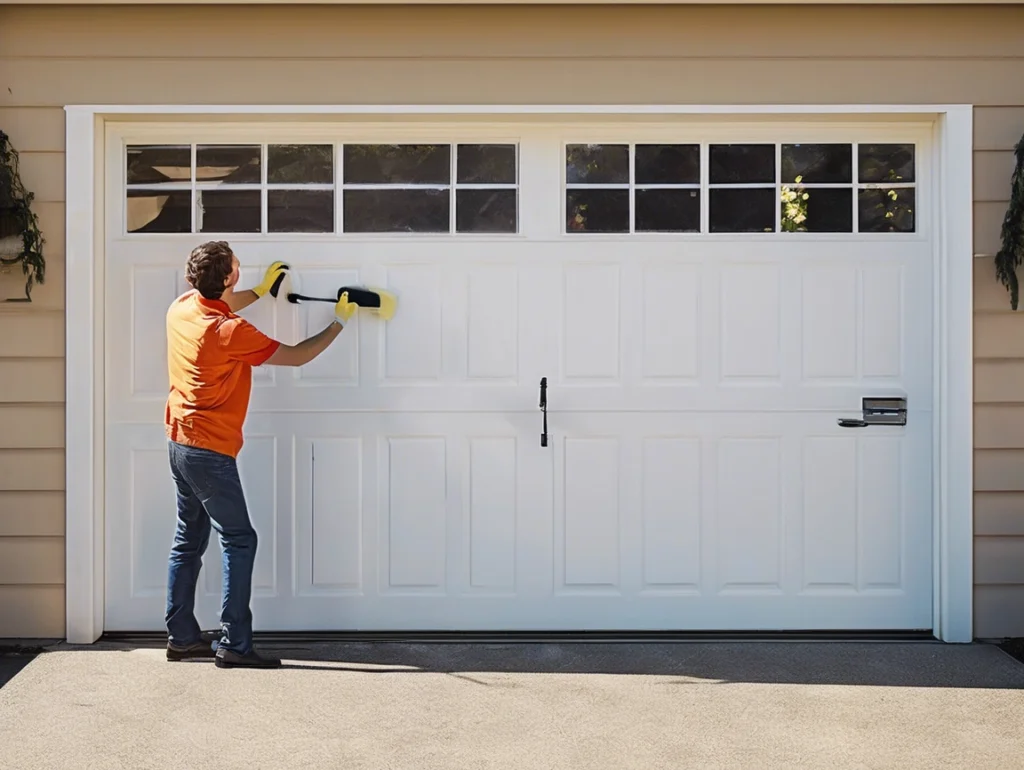
1. Inspect the door’s overall condition, including the panels, tracks, and hardware.
2. Lubricate all moving parts, such as the hinges, rollers, and springs, to ensure smooth operation.
3. Check the alignment and balance of the door, making any necessary adjustments.
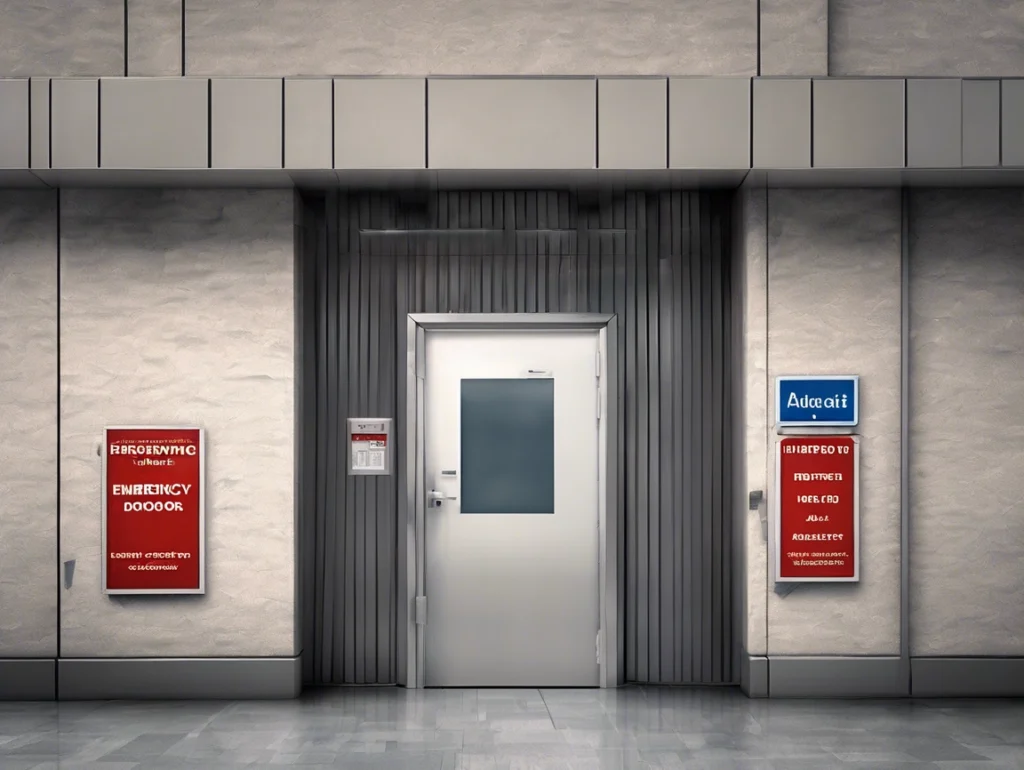
4. Test the door’s safety features, such as the photo eyes and emergency release mechanism.
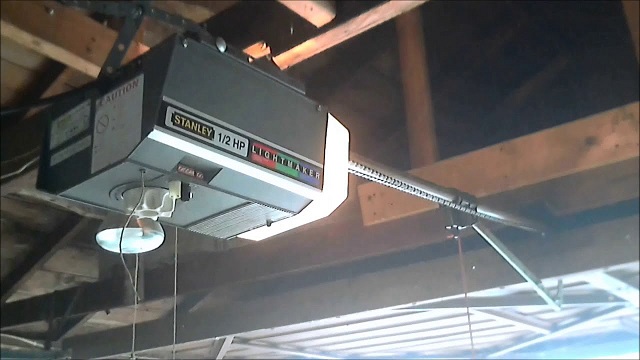
5. Inspect the electrical components, including the motor and control panel, for any signs of wear or damage.
In addition to the annual service, it’s also important to address any issues or concerns as they arise. If you notice any unusual noises, difficulty opening or closing the door, or any other signs of trouble, it’s best to call a professional technician to assess the situation. Prompt attention to these issues can help prevent more costly repairs down the line.
Ultimately, the frequency of service will depend on the specific usage and conditions of your commercial overhead door. High-traffic areas or doors exposed to harsh weather may require more frequent maintenance, while doors in less demanding environments may be able to go longer between services. Consulting with a qualified technician can help you determine the best maintenance schedule for your specific needs.