Benefits of Regular Dock Leveler Maintenance
Regular maintenance of dock levelers is crucial for ensuring their optimal performance and longevity. By adhering to a routine maintenance schedule, businesses can prevent unexpected breakdowns and costly repairs. This not only enhances safety for employees working around the loading dock but also ensures that operations run smoothly without interruptions.
Moreover, well-maintained dock levelers contribute to the overall efficiency of the loading and unloading process. For instance, regular inspections can identify minor issues before they escalate, allowing for timely repairs. This proactive approach minimizes downtime and enhances productivity, ultimately leading to cost savings for the business in the long run.
Signs That Your Dock Leveler Needs Immediate Attention
Recognizing the signs that your dock leveler requires urgent servicing is essential for maintaining safety and efficiency. Common indicators include unusual noises during operation, difficulty in leveling, or visible wear and tear. Addressing these issues promptly can prevent further damage and ensure that the loading dock remains operational.
Additionally, if employees report safety concerns, such as gaps between the truck and the dock, it is crucial to take immediate action. These gaps can lead to accidents and cargo damage, emphasizing the importance of monitoring the condition of dock levelers regularly. Timely intervention can safeguard both personnel and products, maintaining a safe working environment.
Understanding the Different Types of Dock Levelers
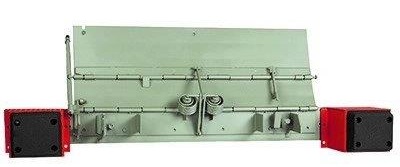
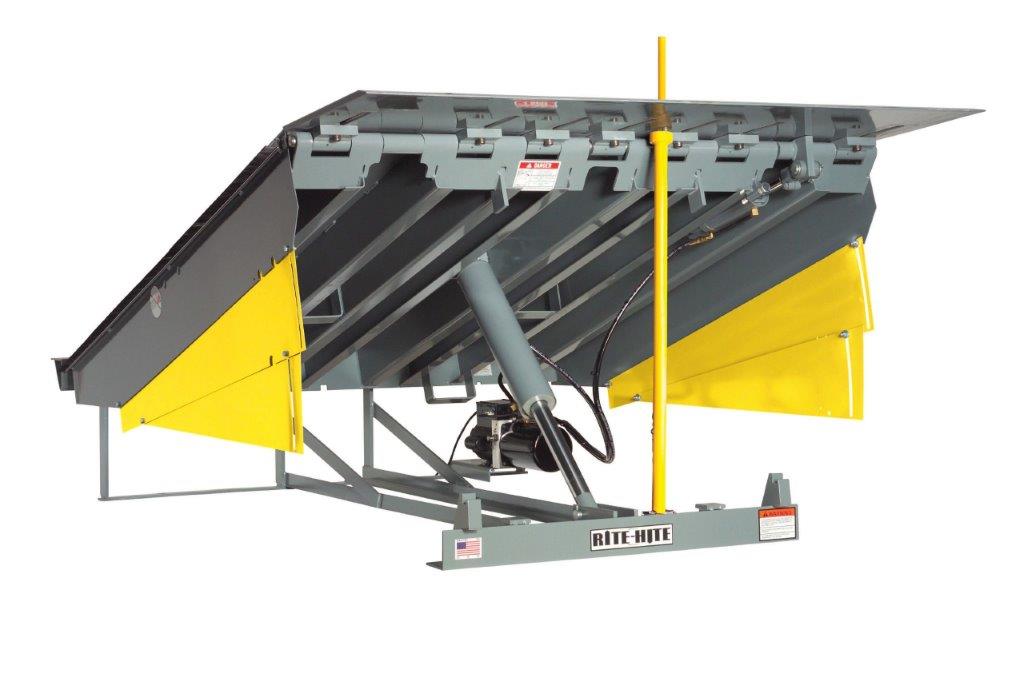
Dock levelers come in various types, each designed to meet specific operational needs. The most common types include hydraulic, mechanical, and air-powered levelers. Understanding the differences between these options can help businesses choose the right dock leveler for their facility, ensuring compatibility with their loading and unloading processes.
For example, hydraulic dock levelers offer smooth operation and can handle heavier loads, making them ideal for high-traffic areas. On the other hand, mechanical levelers are often more cost-effective and require less maintenance. By evaluating the specific requirements of your loading dock, you can select a leveler that enhances efficiency and safety.
Cost Implications of Neglecting Dock Leveler Maintenance
Neglecting regular maintenance for dock levelers can lead to significant financial repercussions for businesses. Over time, small issues can escalate into major problems, resulting in costly repairs or even the need for complete replacements. This not only affects the budget but can also disrupt operations, leading to lost revenue during downtime.
Furthermore, poorly maintained dock levelers can contribute to safety hazards, which may result in workplace accidents and associated liability costs. Investing in regular maintenance is a proactive approach that can save money in the long term by preventing these costly outcomes and ensuring a safe working environment for employees.
Benefits of Regular Dock Leveler Maintenance
Regular maintenance of dock levelers is crucial for ensuring their optimal performance and longevity. By adhering to a routine maintenance schedule, businesses can prevent unexpected breakdowns and costly repairs. This not only enhances safety for employees working around the loading dock but also ensures that operations run smoothly without interruptions.
Moreover, well-maintained dock levelers contribute to the overall efficiency of the loading and unloading process. For instance, regular inspections can identify minor issues before they escalate, allowing for timely repairs. This proactive approach minimizes downtime and enhances productivity, ultimately leading to cost savings for the business in the long run.
Signs That Your Dock Leveler Needs Immediate Attention
Recognizing the signs that your dock leveler requires urgent servicing is essential for maintaining safety and efficiency. Common indicators include unusual noises during operation, difficulty in leveling, or visible wear and tear. Addressing these issues promptly can prevent further damage and ensure that the loading dock remains operational.
Additionally, if employees report safety concerns, such as gaps between the truck and the dock, it is crucial to take immediate action. These gaps can lead to accidents and cargo damage, emphasizing the importance of monitoring the condition of dock levelers regularly. Timely intervention can safeguard both personnel and products, maintaining a safe working environment.
Understanding the Different Types of Dock Levelers
Dock levelers come in various types, each designed to meet specific operational needs. The most common types include hydraulic, mechanical, and air-powered levelers. Understanding the differences between these options can help businesses choose the right dock leveler for their facility, ensuring compatibility with their loading and unloading processes.
For example, hydraulic dock levelers offer smooth operation and can handle heavier loads, making them ideal for high-traffic areas. On the other hand, mechanical levelers are often more cost-effective and require less maintenance. By evaluating the specific requirements of your loading dock, you can select a leveler that enhances efficiency and safety.
Cost Implications of Neglecting Dock Leveler Maintenance
Neglecting regular maintenance for dock levelers can lead to significant financial repercussions for businesses. Over time, small issues can escalate into major problems, resulting in costly repairs or even the need for complete replacements. This not only affects the budget but can also disrupt operations, leading to lost revenue during downtime.
Furthermore, poorly maintained dock levelers can contribute to safety hazards, which may result in workplace accidents and associated liability costs. Investing in regular maintenance is a proactive approach that can save money in the long term by preventing these costly outcomes and ensuring a safe working environment for employees.