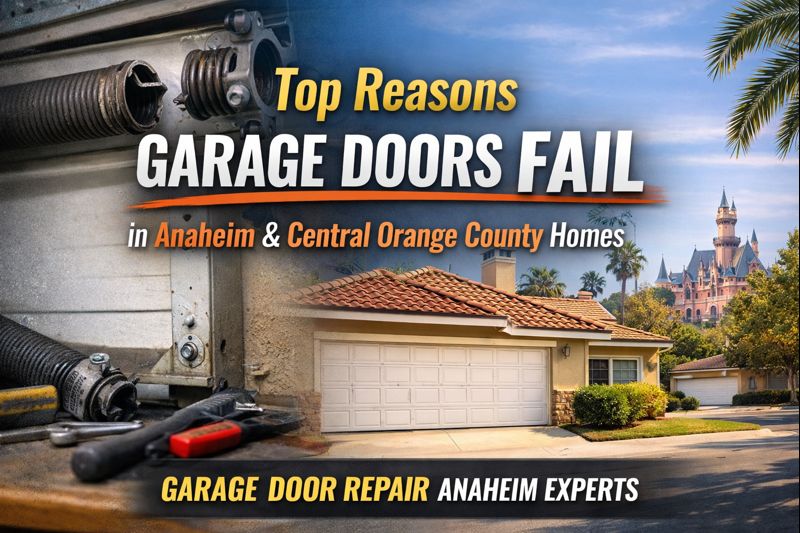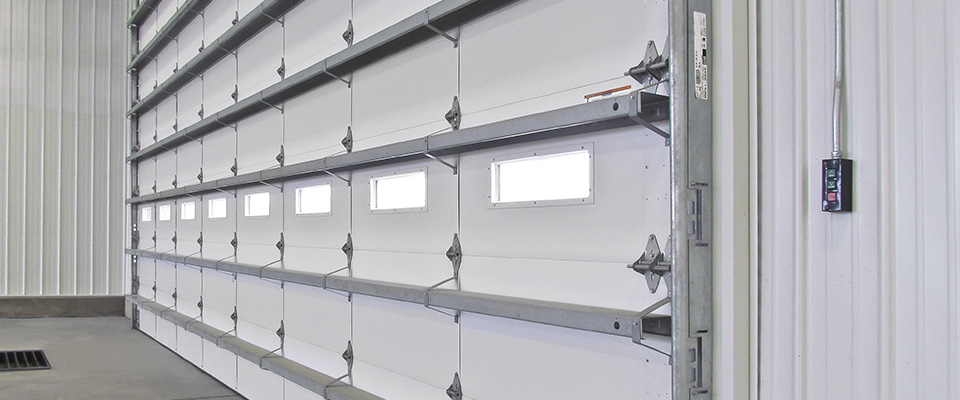
Recognizing the signs that your garage door requires immediate attention can save you from costly repairs in the future. Common indicators include loud grinding noises, the door not opening or closing smoothly, and visible misalignment. If you notice any of these issues, it's crucial to address them promptly to prevent further damage.
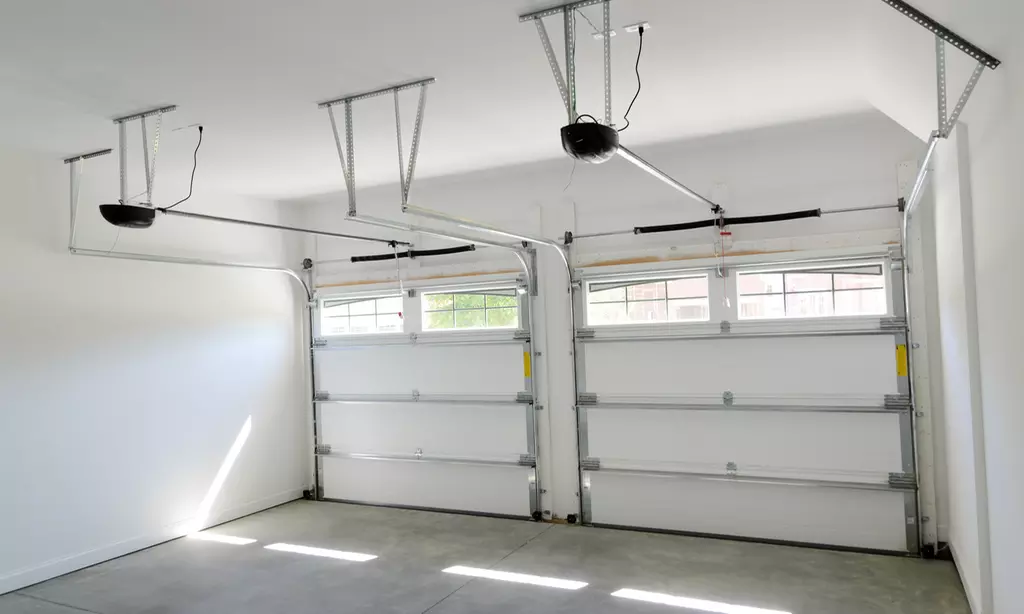
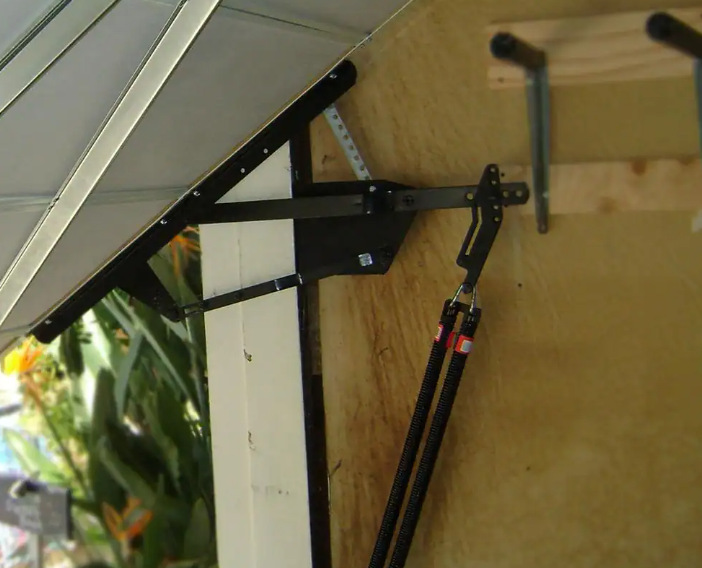
For instance, if your garage door makes a loud banging noise when opening, it may indicate a problem with the springs or cables. Similarly, if the door appears to be off its tracks, it can create safety hazards. Regularly monitoring these signs can help ensure your garage door remains in good working condition.
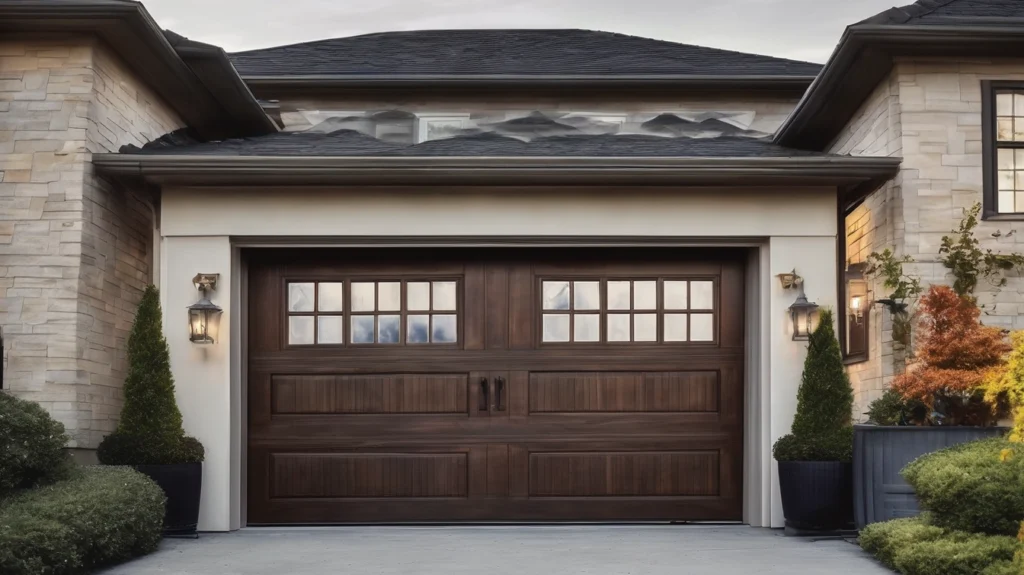
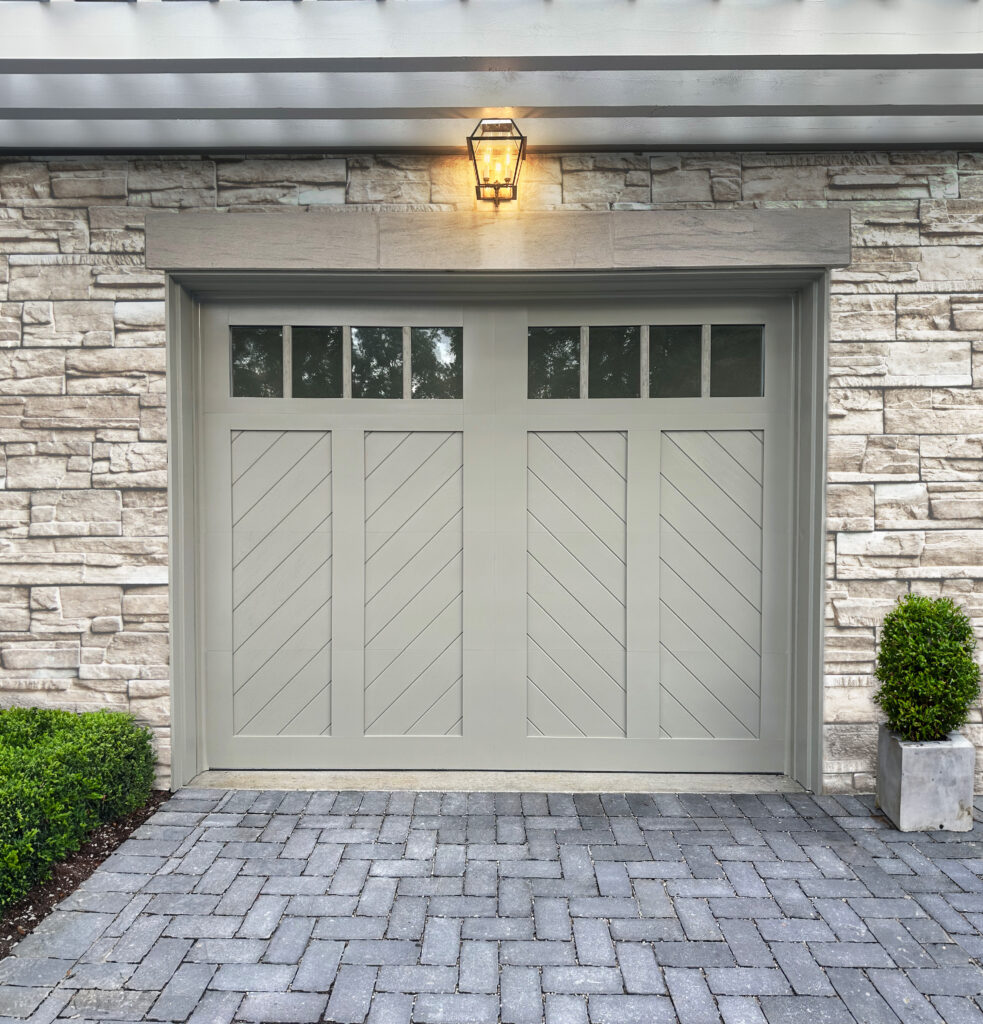
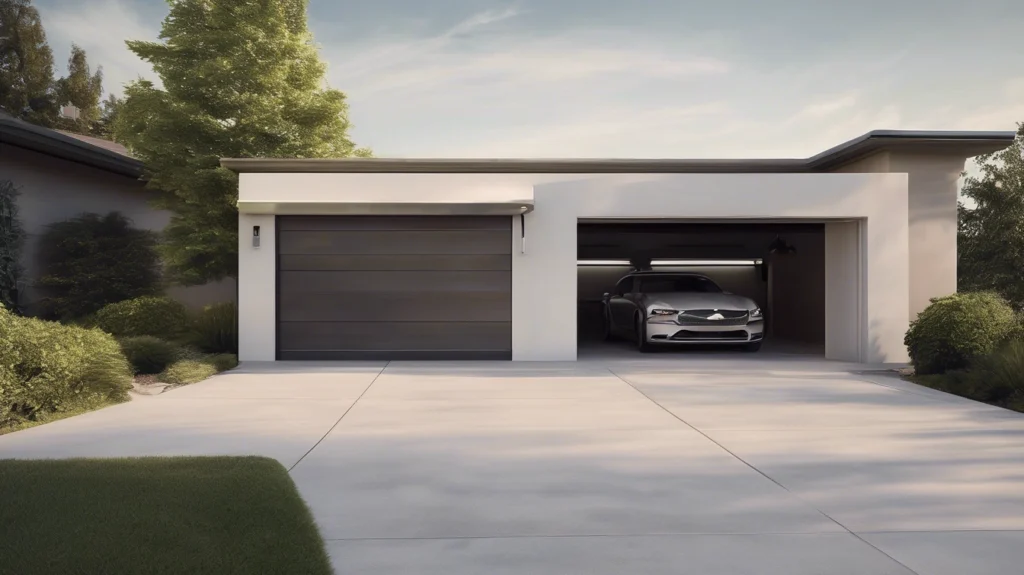
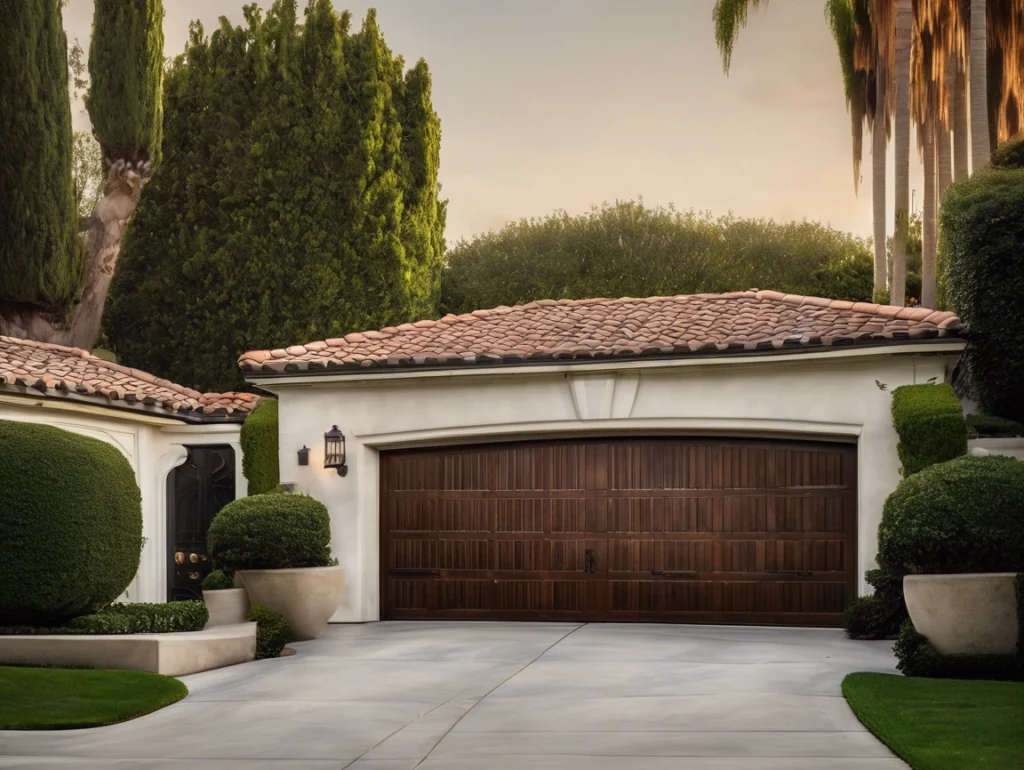
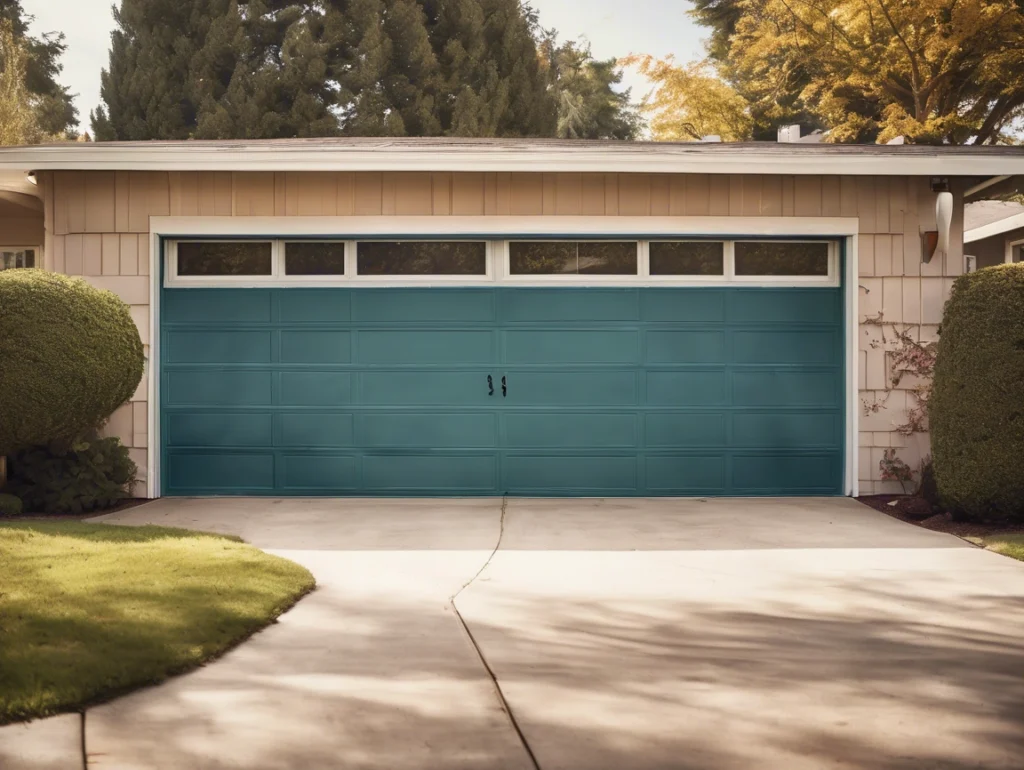
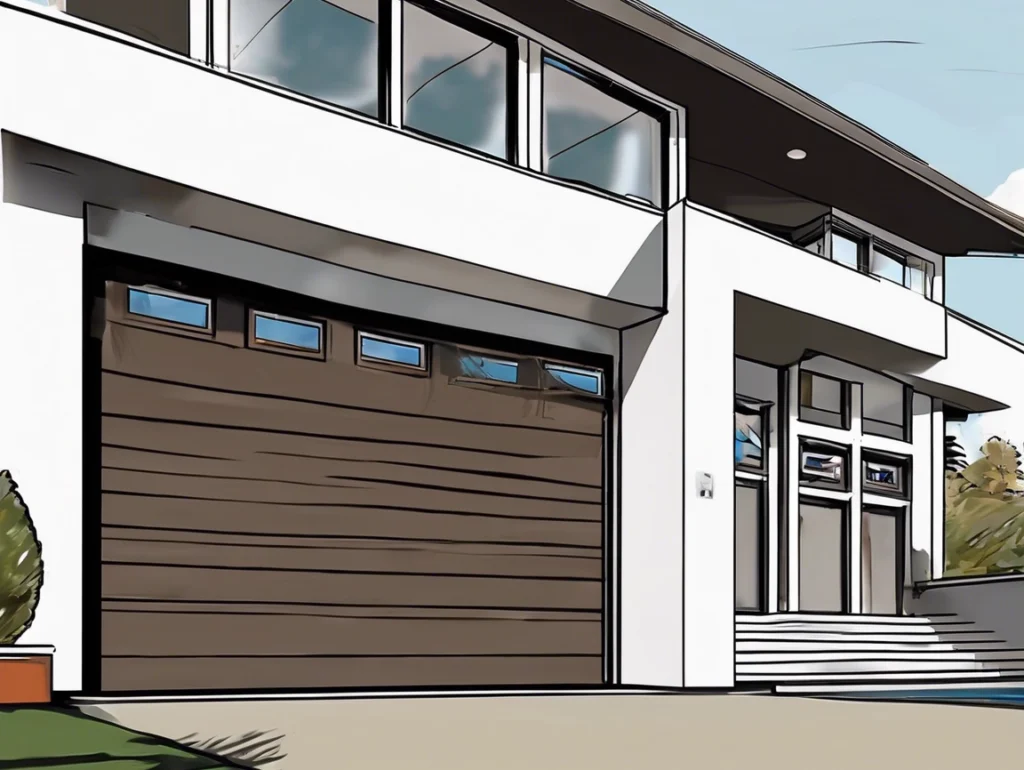
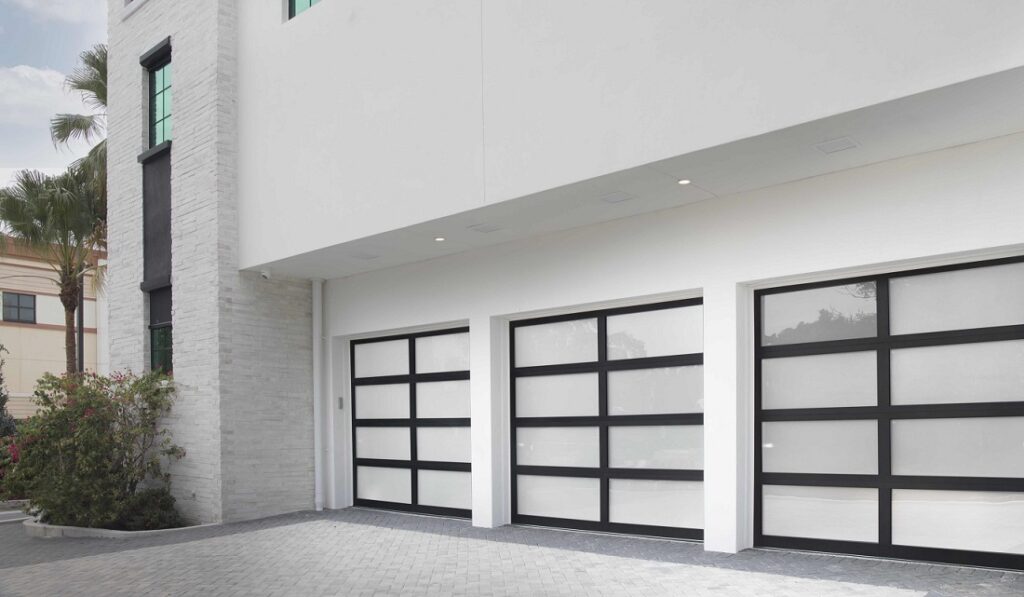
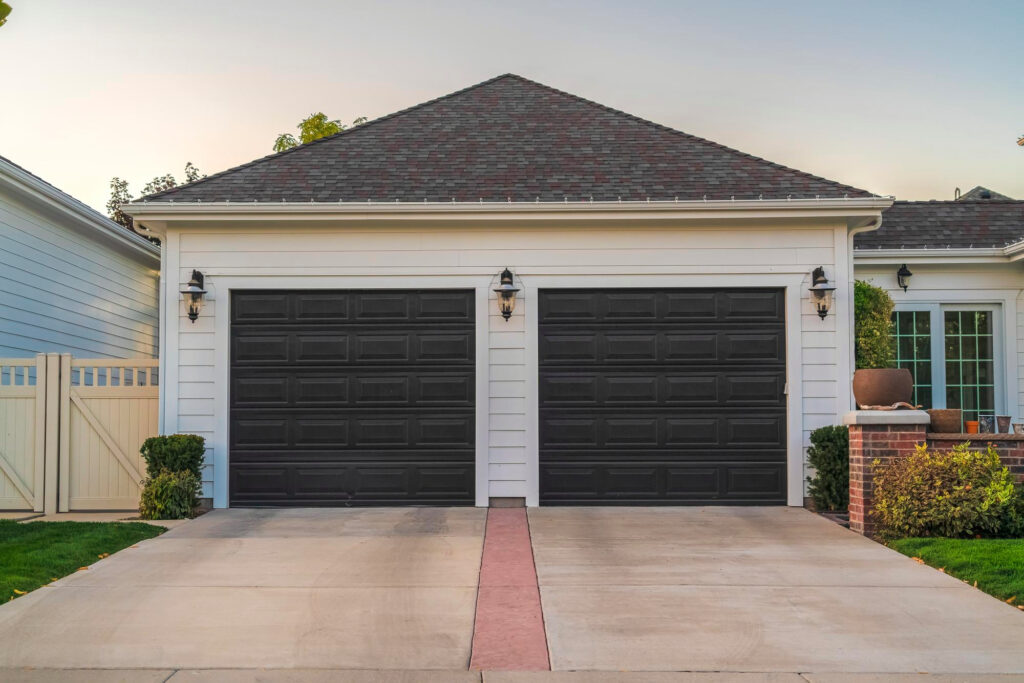
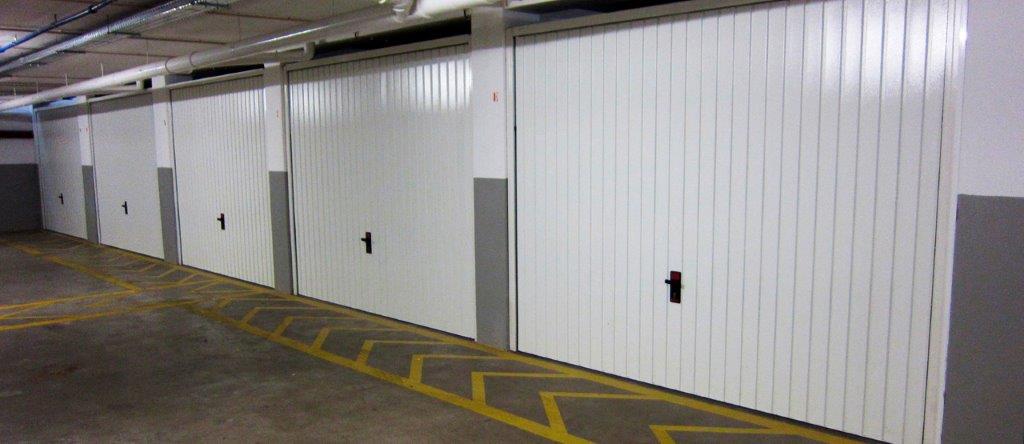
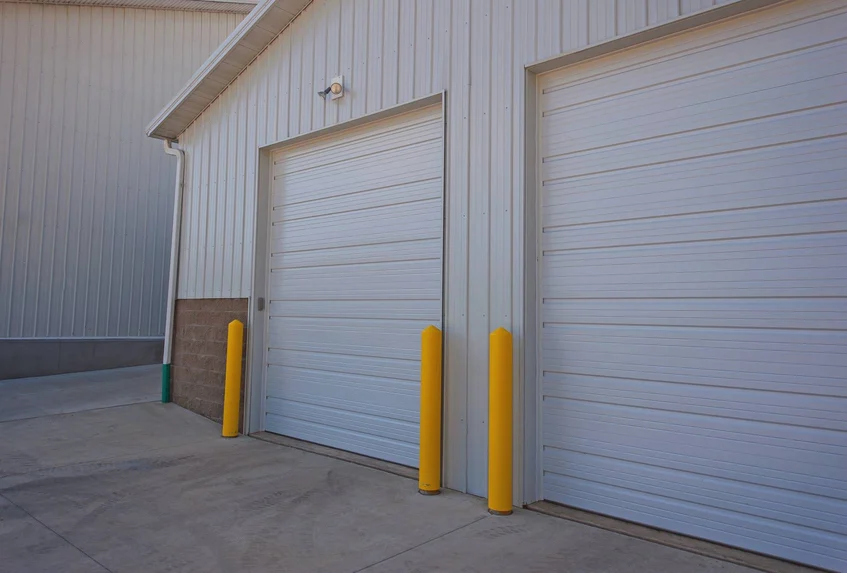
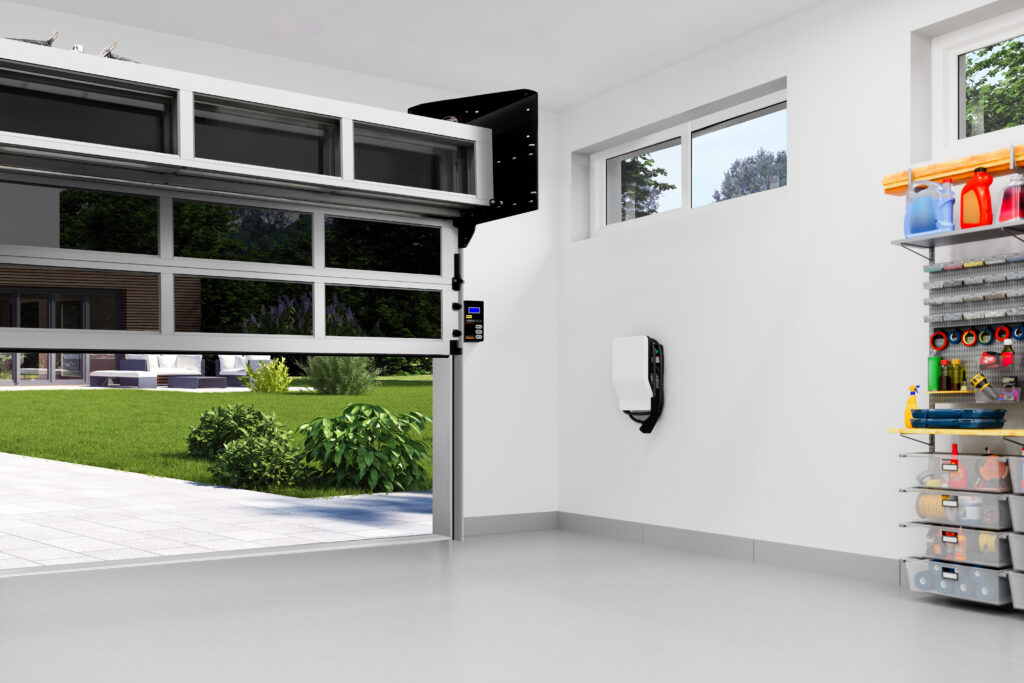
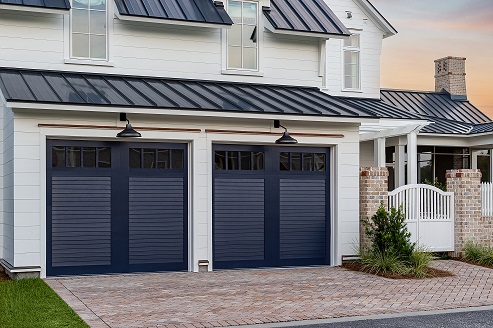
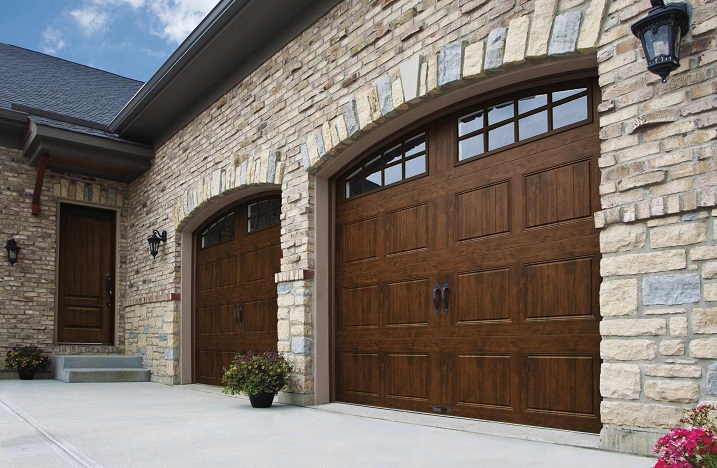
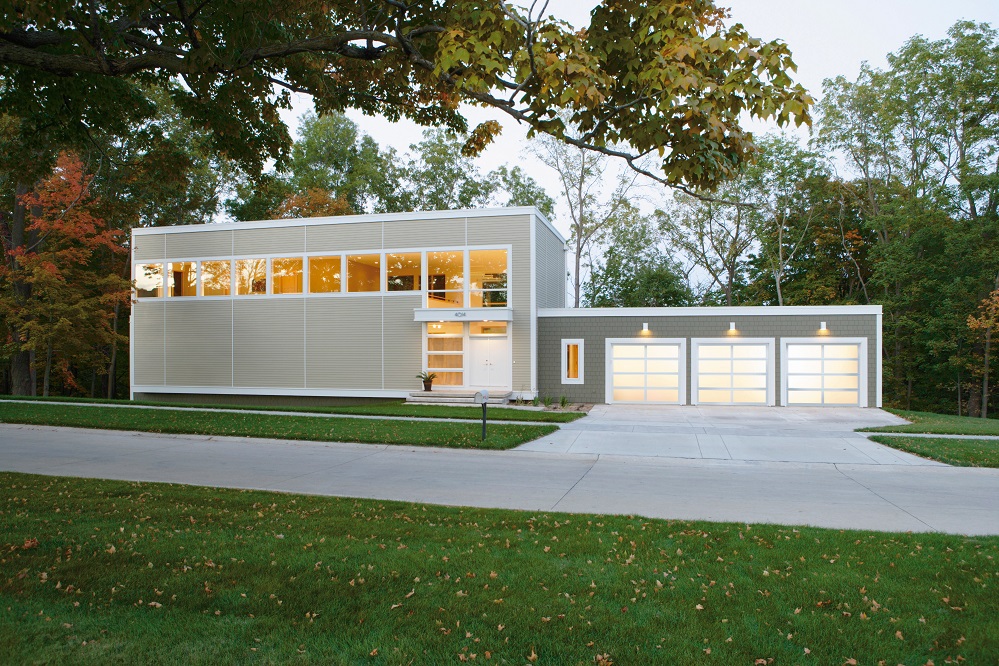
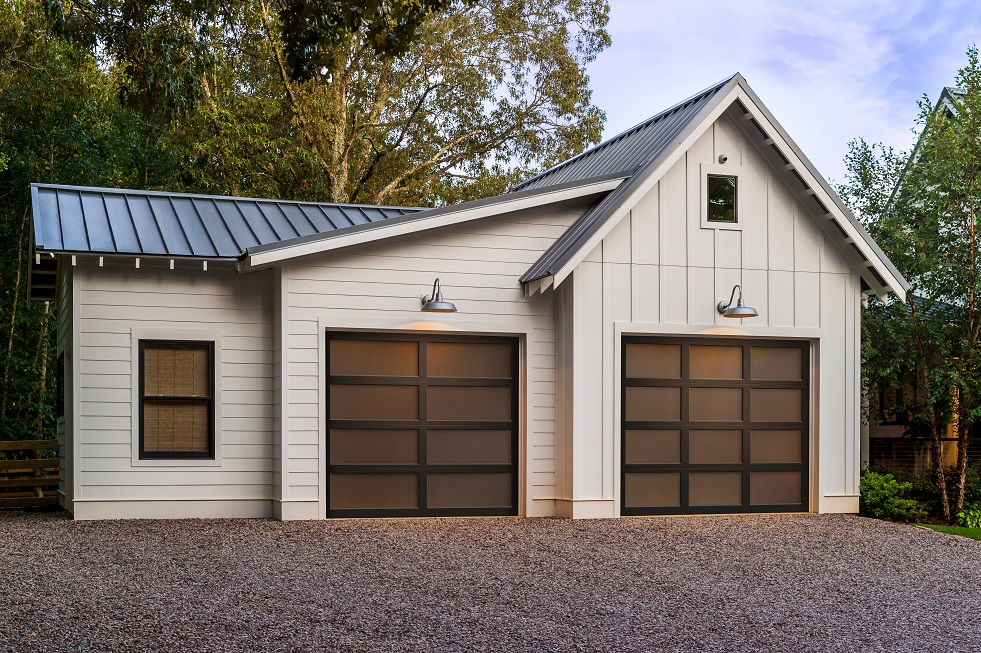
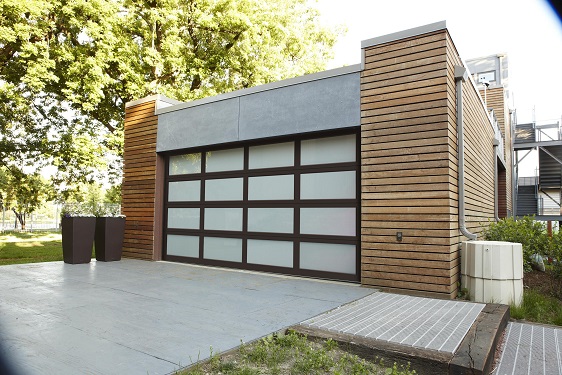
Selecting the right garage door involves considering various factors such as material, style, insulation, and security features. Homeowners should assess their specific needs, including aesthetic preferences and functional requirements. A well-chosen garage door can enhance your home's curb appeal and energy efficiency.
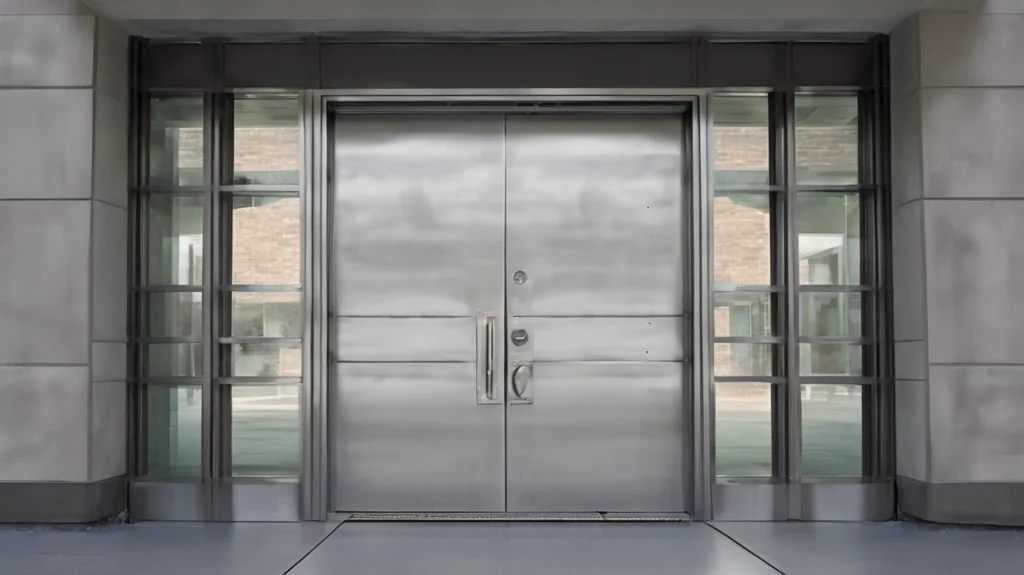
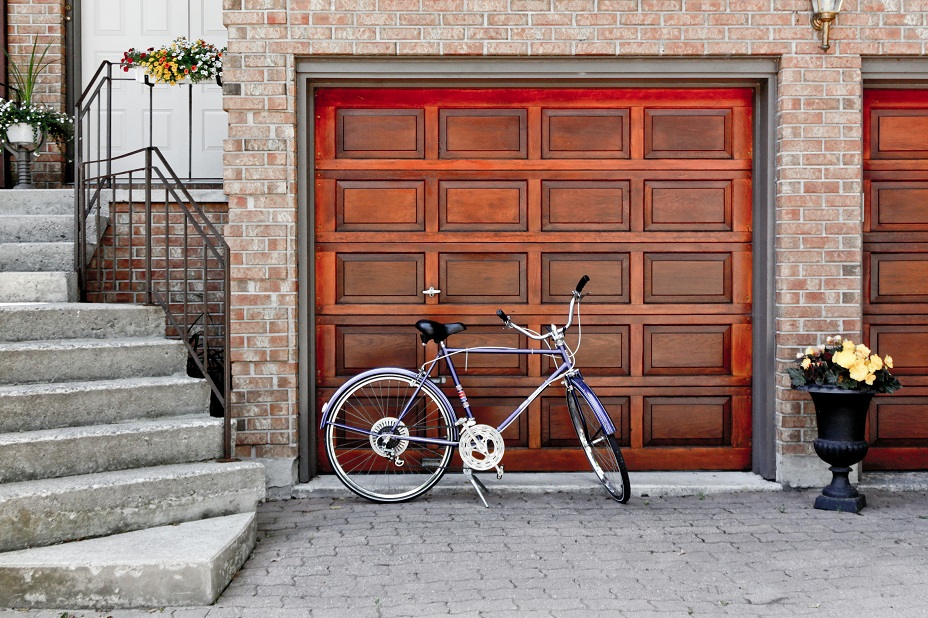
For example, if you live in an area with extreme weather conditions, opting for an insulated door can help maintain your garage's temperature. Additionally, choosing materials like steel or fiberglass can offer better security and durability compared to traditional wood doors. Understanding these factors will lead to a more informed purchasing decision.
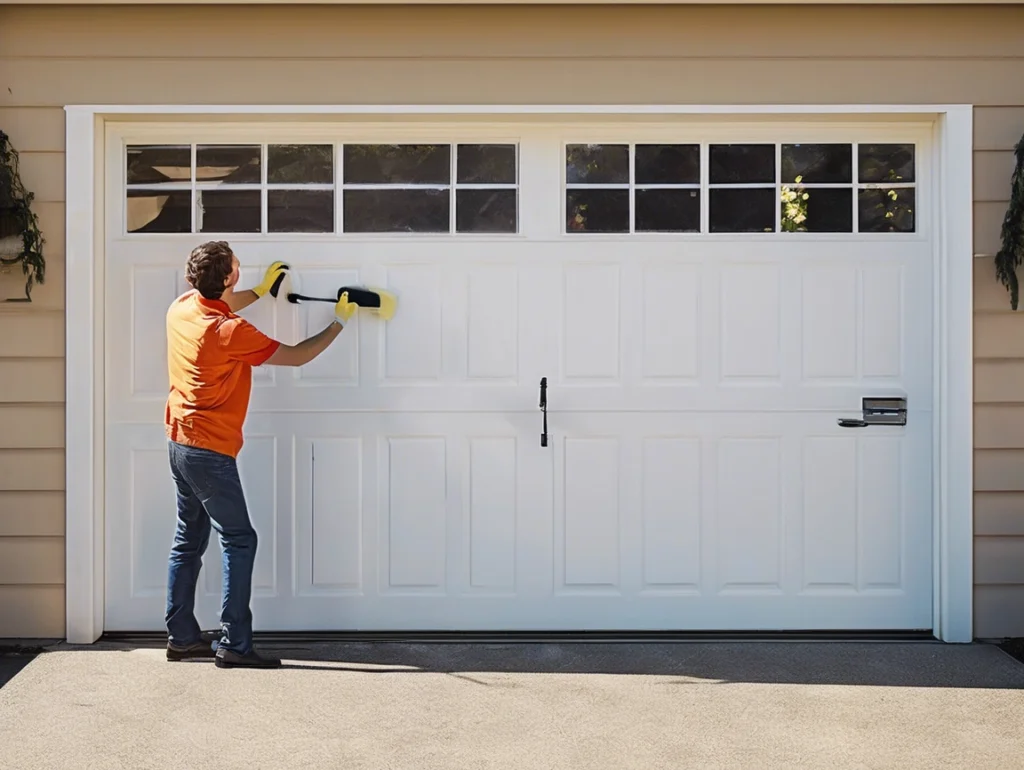
There are several myths surrounding garage doors that can lead to misunderstandings about their maintenance and functionality. One common myth is that garage doors are maintenance-free once installed. In reality, regular inspections and maintenance are essential to ensure optimal performance and longevity.
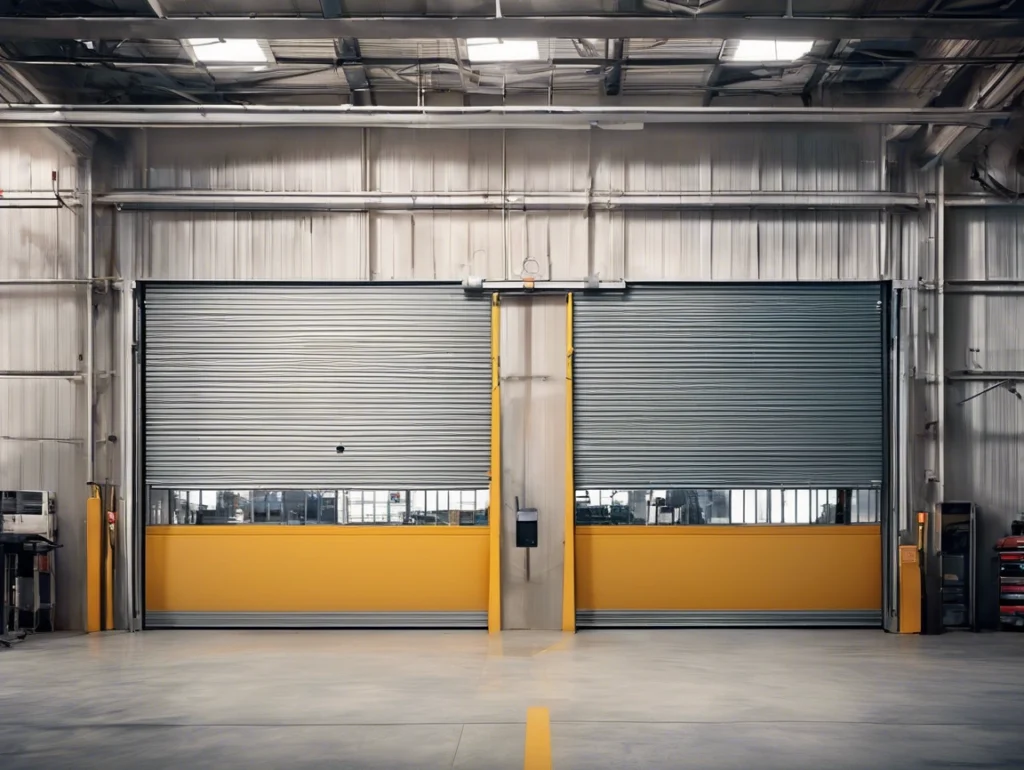
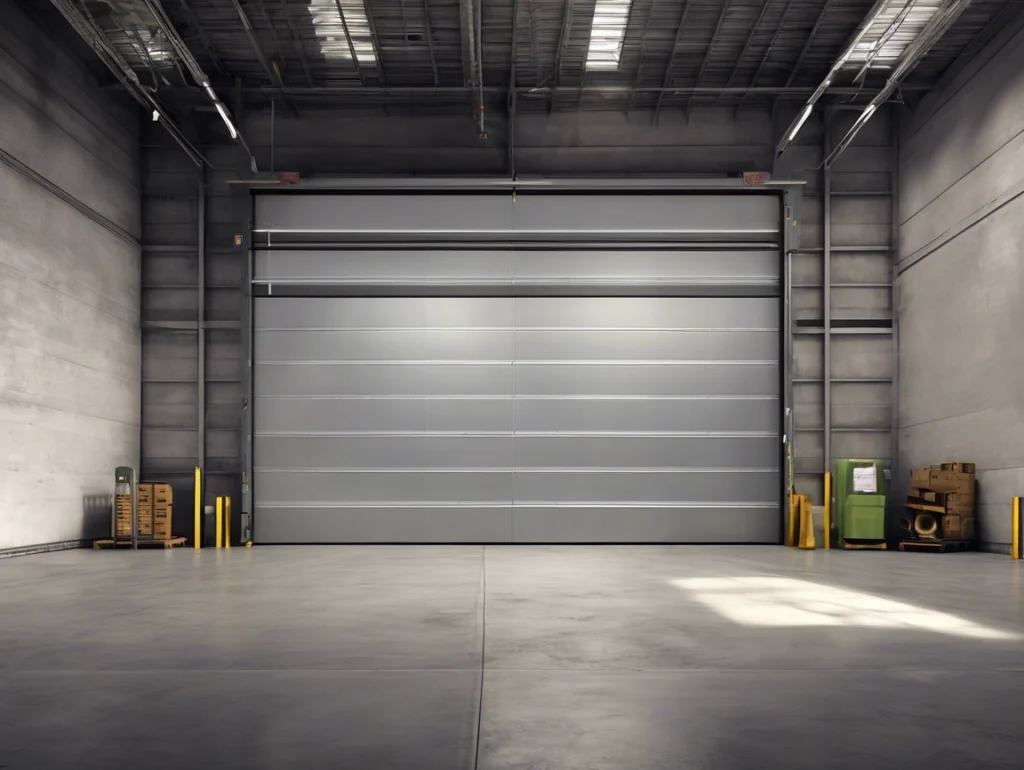
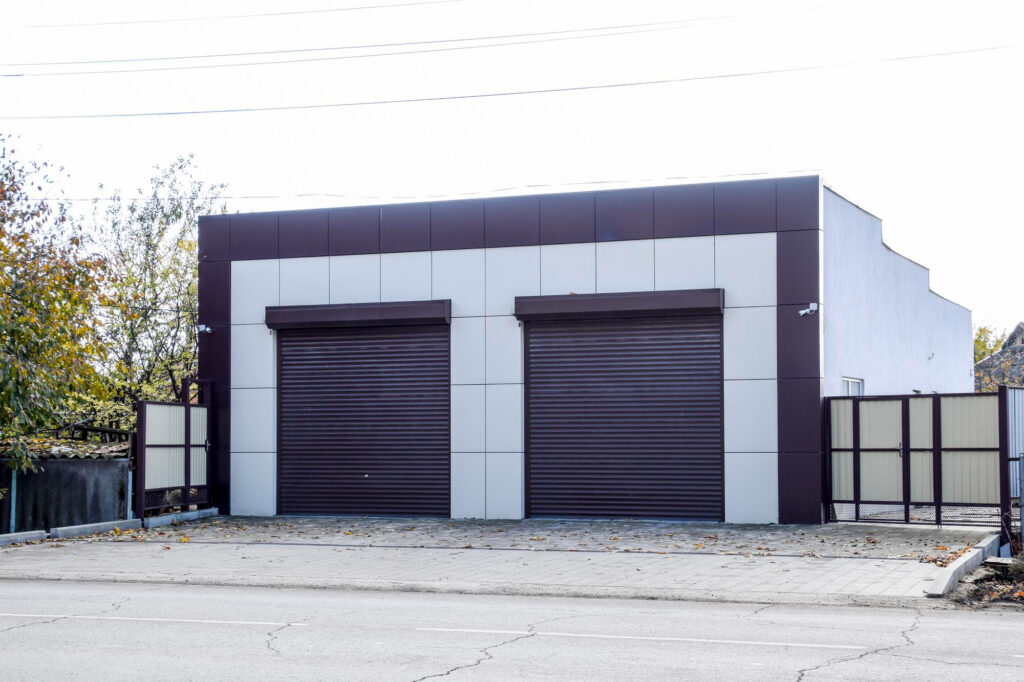
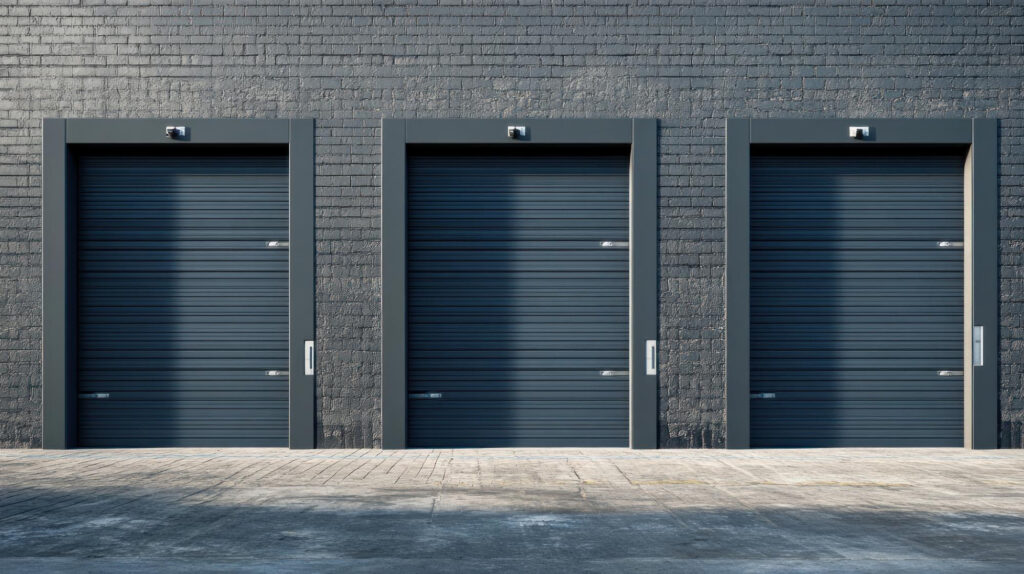
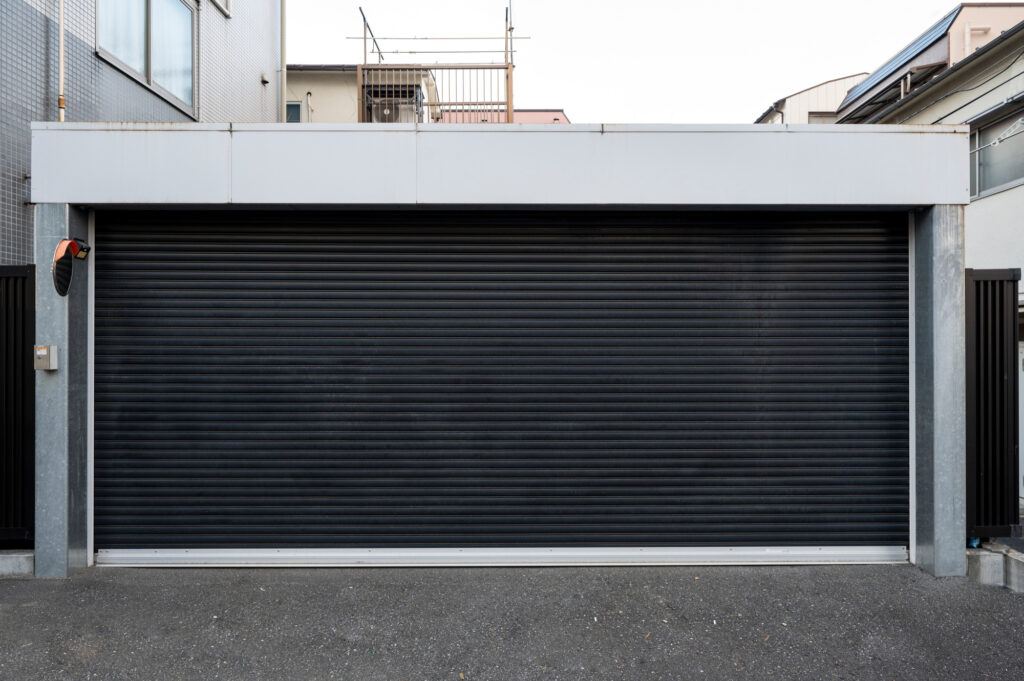
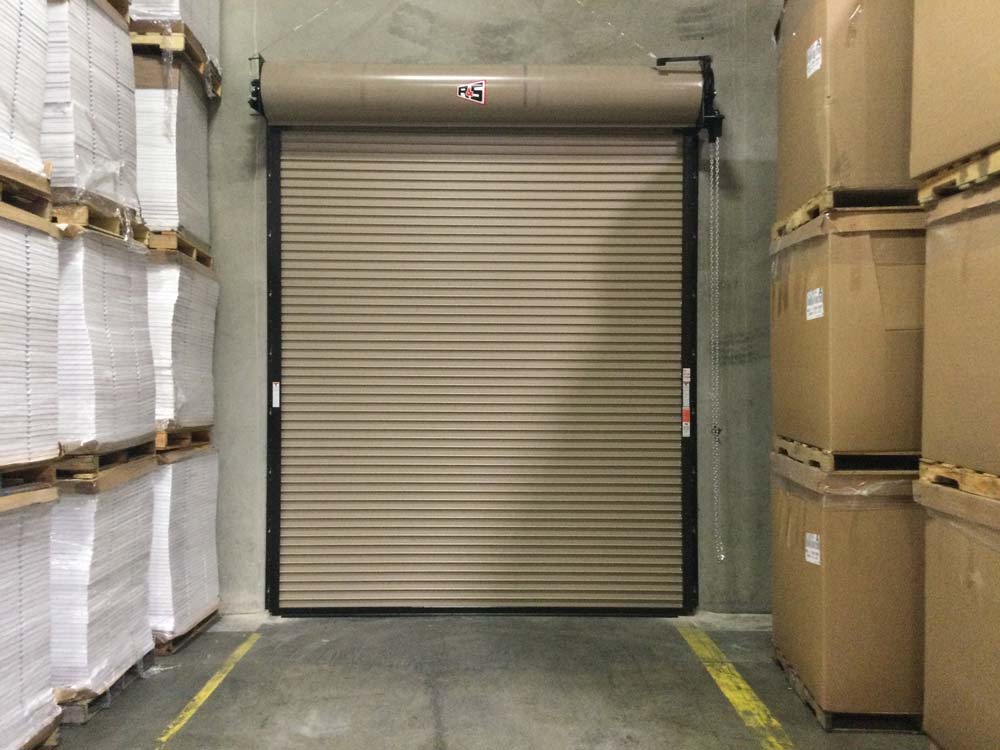
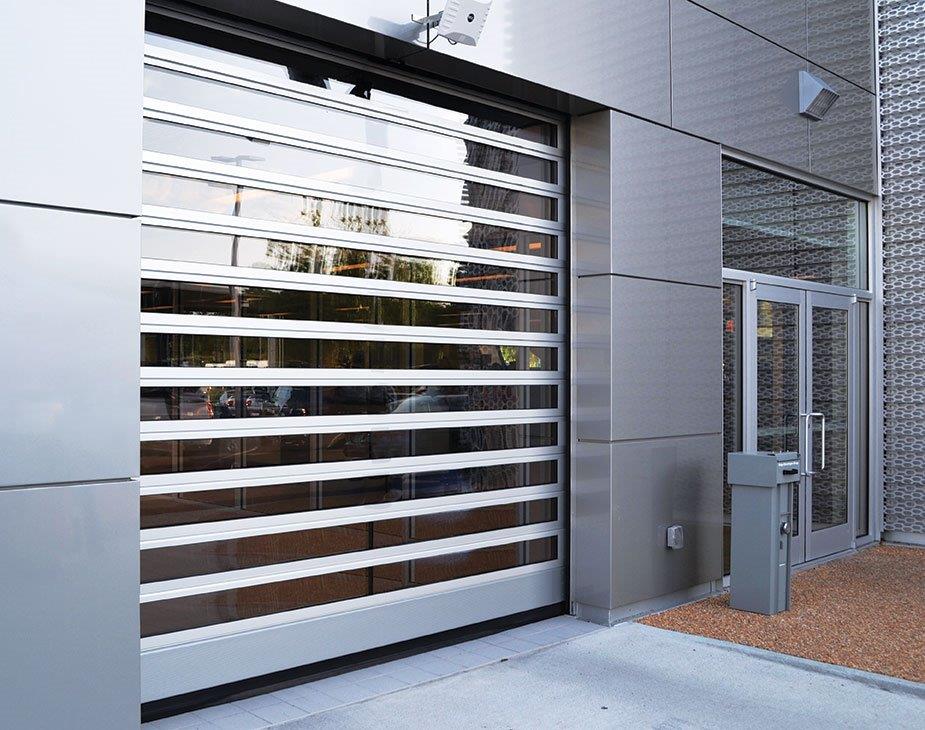
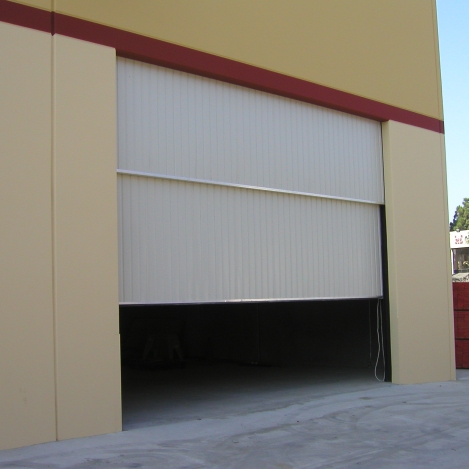
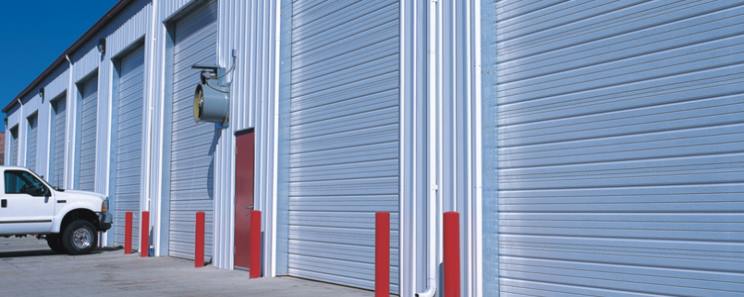
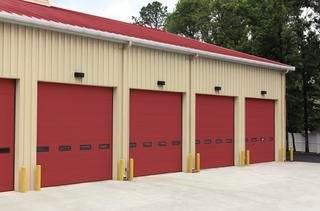
Another myth is that all garage doors are the same. In fact, different types of garage doors, including sectional, roll-up, and tilt-up, have unique features and benefits. Understanding these myths can help homeowners make better choices regarding their garage door care and maintenance.
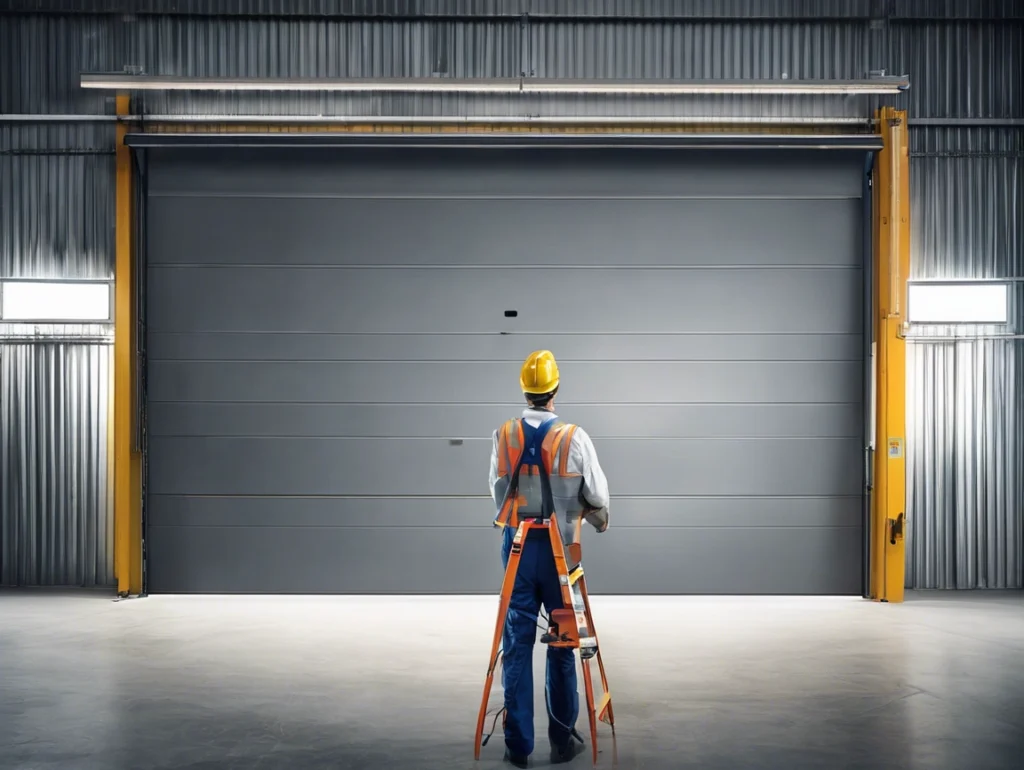
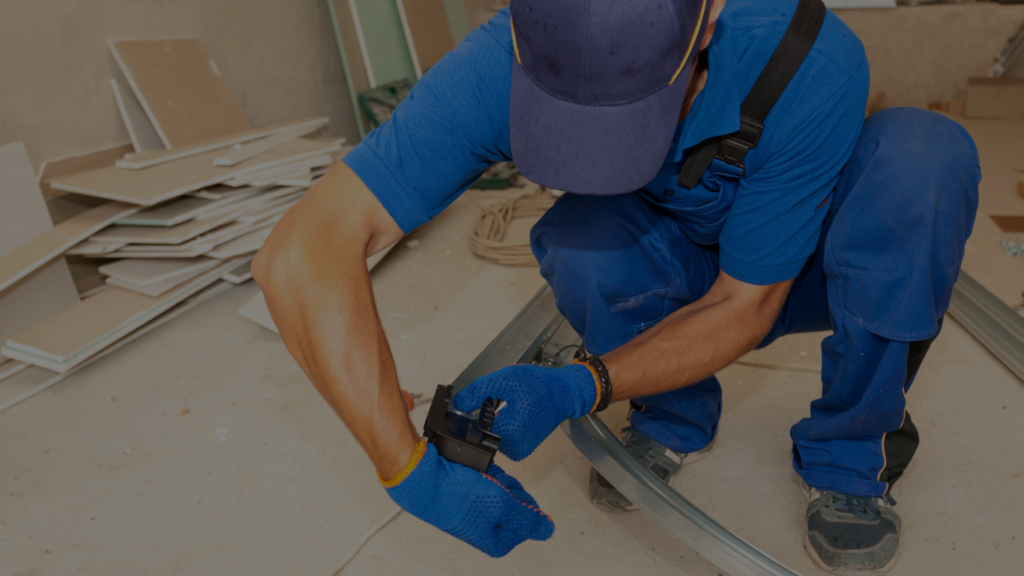
Understanding the potential costs associated with garage door repairs can help homeowners budget effectively and avoid surprises. Common repairs, such as spring replacements or track realignments, can range from $150 to $300, depending on the complexity of the issue and the parts needed.
Additionally, emergency repairs, such as those required after an accident or severe weather damage, may incur higher costs due to the urgency and availability of services. It's advisable to obtain quotes from multiple service providers to ensure you receive a fair price for the necessary repairs.