High Speed Door Manufacturers: The Leaders in the Industry
High speed doors have become an increasingly popular choice for commercial and industrial facilities due to their numerous benefits, including improved energy efficiency, enhanced security, and increased productivity. As the demand for these specialized doors continues to grow, it’s important to understand the leading manufacturers in the market and the unique features they offer.
One of the most well-known high speed door manufacturers is Rytec Corporation. Founded in 1983, Rytec has established itself as a pioneer in the industry, offering a wide range of high-performance doors designed to meet the diverse needs of its customers. Rytec’s product line includes the Spiral® Series, which features a unique spiral-wound curtain that opens and closes quickly, and the Turbo-Slide® Series, known for its durable construction and reliable performance.
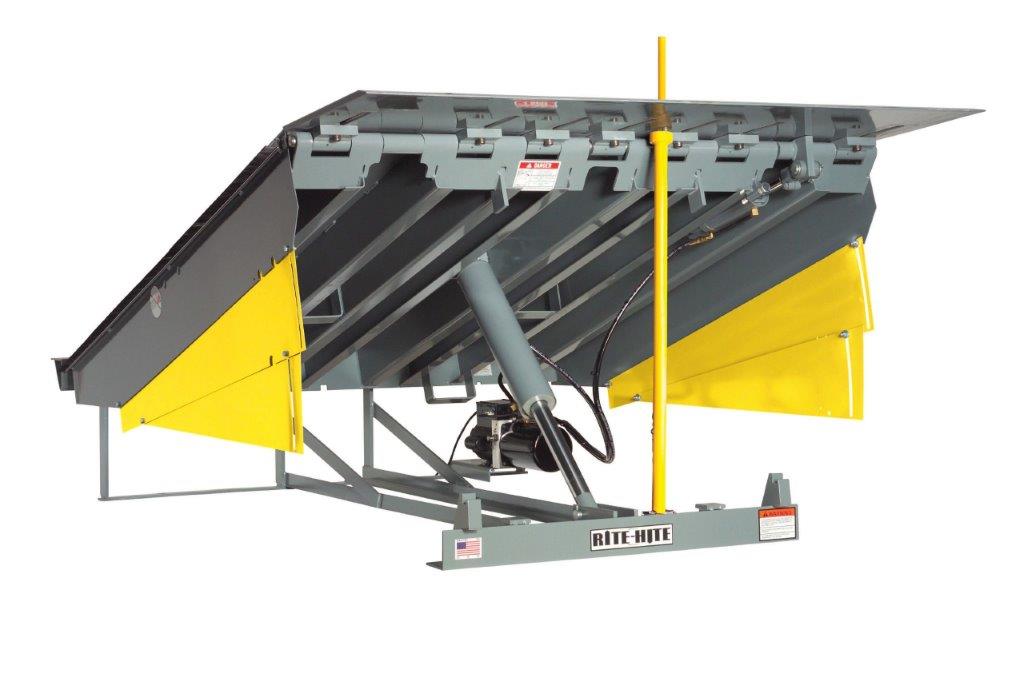
Another prominent player in the high speed door market is Rite-Hite, a company that has been providing innovative door solutions for over 50 years. Rite-Hite’s high speed doors, such as the Spiral® VT and the Rapid-Roll® Series, are renowned for their energy-saving capabilities, with features like thermal breaks and insulated panels that help to maintain optimal temperature control within a facility.
Overhead Door Corporation, a well-established manufacturer with a history dating back to 1921, is also a significant player in the high speed door industry. The company’s RapidFlex® Series offers a range of high-speed doors designed for various applications, including food processing, warehousing, and manufacturing. Overhead Door’s doors are known for their durability, safety features, and customizable options to meet the specific requirements of each customer.
Another leading high speed door manufacturer is Dynaco, a global company with a strong presence in the European and North American markets. Dynaco’s high speed doors, such as the M2 and D-311 models, are known for their fast opening and closing speeds, as well as their advanced safety features, including photo-eye sensors and emergency stop buttons.
Goff’s Enterprises, Inc. is a manufacturer that has carved out a niche in the high speed door market, particularly in the industrial and agricultural sectors. Goff’s high speed doors, including the Goff’s Rapid Roll and the Goff’s Extreme, are designed to withstand harsh environments and provide reliable performance in a variety of applications.
Finally, Chase Doors, a company with over 60 years of experience in the door industry, offers a range of high speed door solutions, including the Chase-Mattic® and the Chase-Matic® Extreme. These doors are known for their durability, energy efficiency, and customizable options to meet the specific needs of each customer.
Each of these high speed door manufacturers brings unique strengths and features to the table, making it essential for facility managers and decision-makers to carefully evaluate their options and choose the solution that best fits their specific requirements. By understanding the capabilities and specialties of these leading manufacturers, businesses can make informed decisions that will enhance their operations, improve energy efficiency, and contribute to the overall success of their organization.