When it comes to garage door insulation, homeowners often face a choice between polystyrene and polyurethane. Both materials offer unique benefits, and the decision ultimately depends on your specific needs and preferences. In this blog, we’ll explore the advantages and differences between these two insulation options, helping you make an informed decision for your garage door.
Polystyrene Insulation:
Polystyrene, commonly known as Styrofoam, is a lightweight and cost-effective insulation material. It is a popular choice for garage doors due to its affordability and ease of installation. Polystyrene insulation provides a decent level of thermal resistance, helping to regulate the temperature in your garage and reduce energy costs. Additionally, polystyrene is relatively durable and can withstand minor impacts, making it a suitable option for garage door applications.
One of the key benefits of polystyrene insulation is its versatility. It can be easily cut and shaped to fit the specific dimensions of your garage door, ensuring a snug and efficient fit. This makes it a practical choice for DIY installations or for homeowners looking to upgrade their existing garage doors. Polystyrene also has a relatively low thermal conductivity, meaning it effectively slows the transfer of heat, helping to maintain a comfortable temperature in your garage.
Polyurethane Insulation:
In contrast, polyurethane insulation offers superior thermal performance compared to polystyrene. Polyurethane is a more dense and rigid material, providing higher insulation values and better protection against heat transfer. This makes it an excellent choice for homeowners who prioritize energy efficiency and want to maximize the temperature regulation in their garage.
One of the standout features of polyurethane insulation is its ability to create a seamless, airtight barrier. When properly installed, polyurethane can help prevent air leaks and drafts, further enhancing the insulation properties of your garage door. This can lead to significant energy savings, as your HVAC system won’t have to work as hard to maintain the desired temperature in the garage.
Polyurethane insulation is also known for its durability and longevity. It is less susceptible to compression and can withstand the wear and tear of daily use, making it a reliable choice for garage door applications. Additionally, polyurethane insulation is often considered more environmentally friendly, as it can be made from renewable resources and has a lower carbon footprint compared to some other insulation materials.
Garage Doors with Battery Backup:
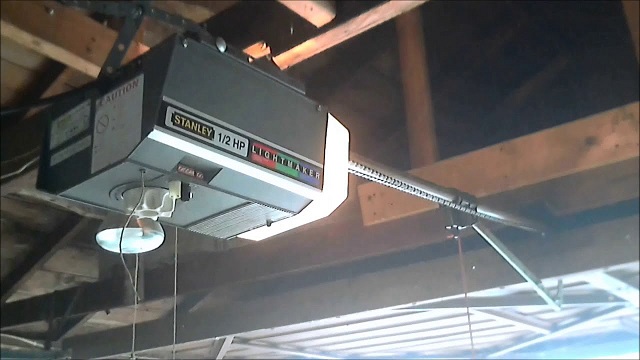
Garage doors with battery backup are a valuable feature, especially during power outages or emergencies. These doors are equipped with a backup battery system that allows the door to operate even when the main power source is unavailable. This ensures that you can still access your garage and your vehicle, even in the event of a blackout.
The battery backup system in these garage doors is designed to provide temporary power, typically lasting for several cycles or a few hours, depending on the specific model. This can be particularly useful during severe weather events, natural disasters, or other situations where the main power supply is disrupted.
When choosing a garage door with battery backup, it’s important to consider the insulation material as well. The combination of high-quality insulation and a reliable backup power system can provide a comprehensive solution for your garage, ensuring both temperature regulation and accessibility, regardless of the circumstances.