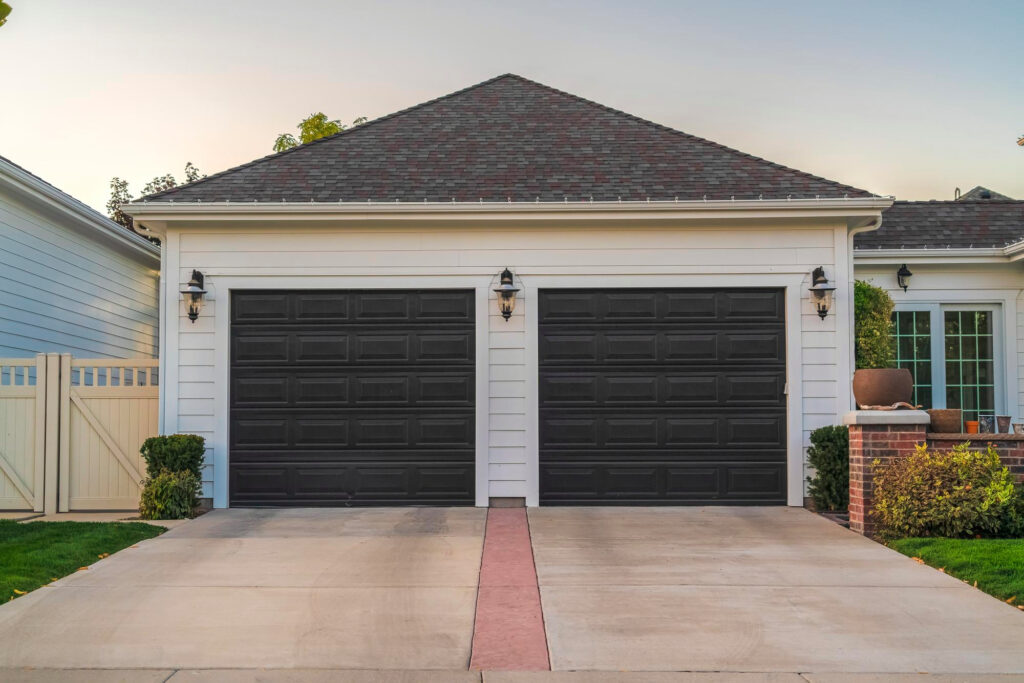
If your garage doors have started to squeak, it’s a common issue that can be caused by a few different factors. Garage doors are complex mechanisms with many moving parts, and over time, those parts can start to wear down and cause annoying squeaks and other noises. The good news is that in most cases, you can fix a squeaky garage door without too much trouble.
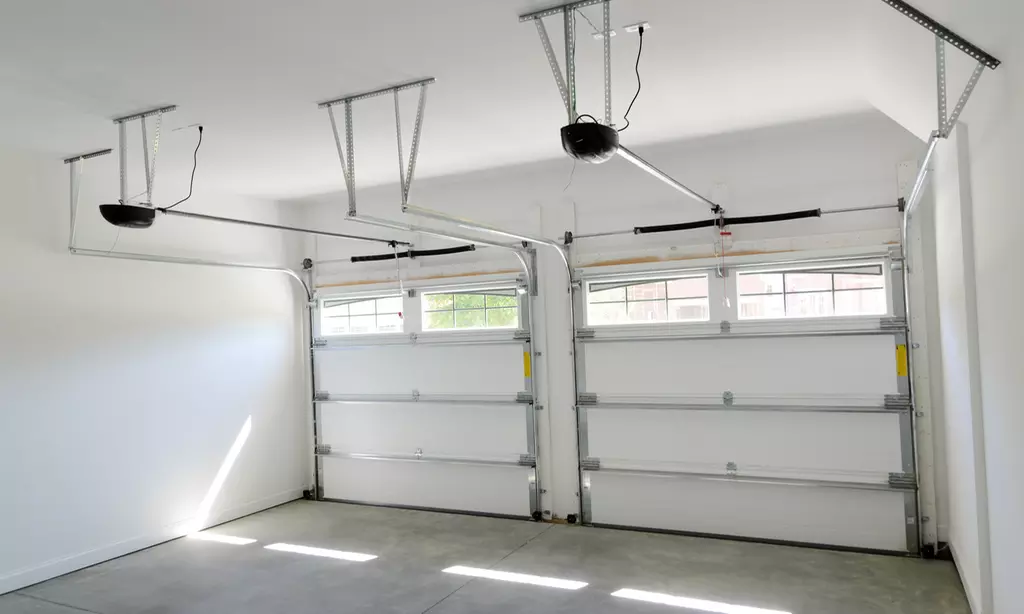
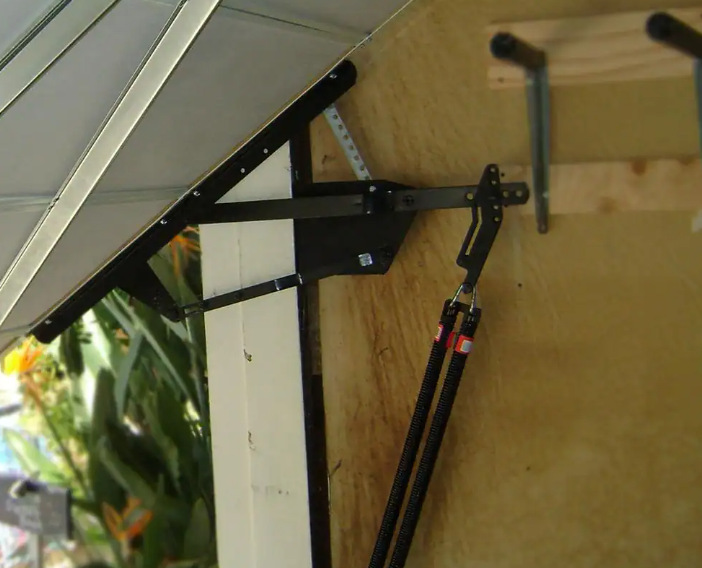
One of the most common reasons for squeaky garage doors is a lack of lubrication. All the hinges, pulleys, springs, and other moving components of your garage door need to be properly lubricated in order to operate smoothly and quietly. Over time, the lubrication can wear off, allowing the metal parts to rub against each other and create that irritating squeaking sound. Fortunately, this is an easy fix – you just need to apply a garage door lubricant to all the moving parts. Look for a silicone-based lubricant made specifically for garage doors and apply it liberally. Make sure to get it into all the nooks and crannies where the parts connect. This should help eliminate the squeaks.
Another potential cause of squeaky garage doors is worn-out rollers. The rollers allow the door to glide smoothly along the track as it opens and closes. But over time, the rollers can become worn down, cracked, or misshapen, causing them to rub against the track and make noise. Replacing the rollers is usually a pretty straightforward DIY job. You’ll need to measure the existing rollers to get the right replacements, then simply pop the old ones out and snap the new ones in. This can make a big difference in the smoothness and quietness of your garage door operation.
Loose hardware is another common culprit behind squeaky garage doors. All the screws, bolts, and other fasteners that hold the door’s components together can gradually work themselves loose over time, especially if the door gets a lot of use. This allows the parts to shift and rub against each other, resulting in that annoying squeaking. Tightening up all the hardware should help eliminate the squeaks. Just be careful not to overtighten anything, as that can also cause problems.
In some cases, the source of the squeaking may be a problem with the garage door springs. These heavy-duty springs provide the counterbalance that makes it easy to open and close the door. If the springs are worn out, damaged, or not properly adjusted, it can lead to squeaking and other operational issues. Adjusting or replacing the springs is a more complex repair that’s best left to a professional garage door technician.
Finally, the track that the garage door rolls along can also be a source of squeaks if it becomes bent, misaligned, or obstructed. Inspect the track carefully and make sure it’s straight and clear of any debris or obstructions. You may need to realign the track or clean it out to eliminate any squeaking.
No matter what’s causing your garage door to squeak, it’s important to address the issue promptly. Ignoring a squeaky garage door can lead to more serious problems down the line, like increased wear and tear on the components or even a complete breakdown of the door. With a little troubleshooting and some basic maintenance, you should be able to quiet that annoying squeak and keep your garage door operating smoothly for years to come.