A properly functioning garage door is essential for convenience, security, and safety. However, like any mechanical system, garage doors experience wear and tear over time. Ignoring early warning signs can lead to costly repairs—or even complete replacement. Here are the top signs that your garage door may need professional repair.
1. Slow or Delayed Response Time
If your garage door takes longer than usual to open or close after pressing the remote or wall button, it could indicate:
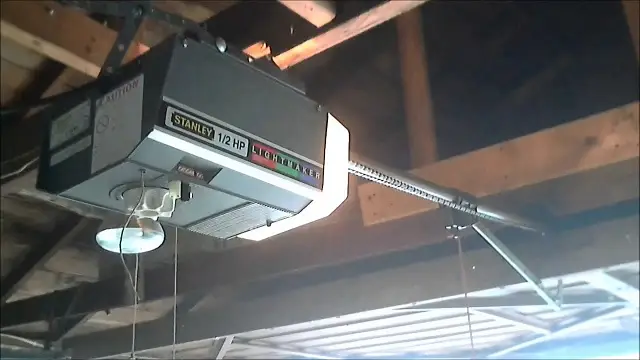
– A problem with the opener
– Worn-out rollers or tracks
– Electrical or sensor issues
2. Unusual Noises
Garage doors aren’t silent, but grinding, scraping, or squeaking sounds could mean trouble. These noises often indicate:
– Loose hardware
– Worn-out rollers
– Motor or spring issues
3. Garage Door Won’t Fully Close or Open
If your door stops halfway or reverses unexpectedly, the issue could be:
– Misaligned safety sensors
– A damaged track
– A failing opener
4. Sagging or Uneven Garage Door
A garage door should always remain level. If one side appears lower than the other, it could mean:
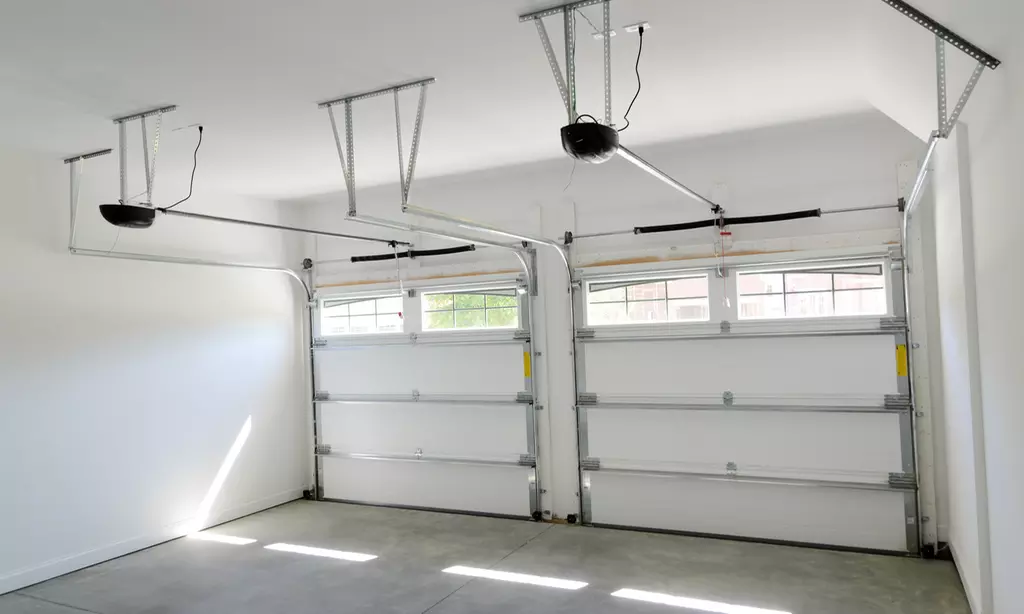
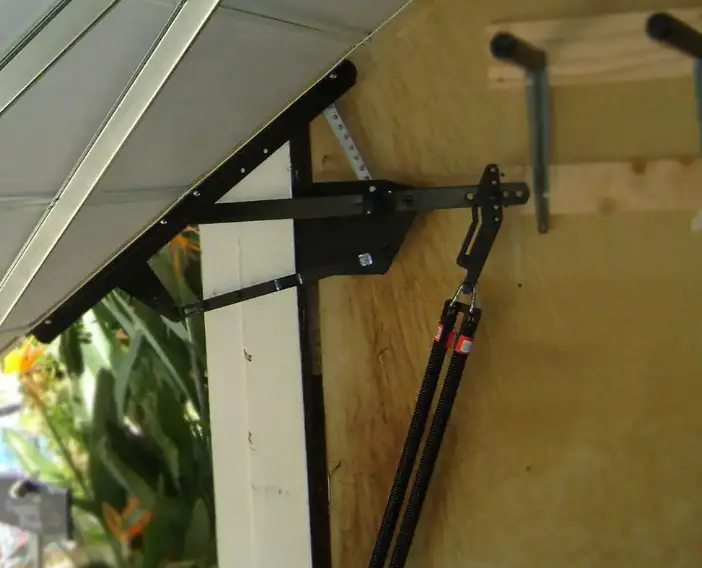
– A problem with the torsion or extension springs
– A worn or misaligned track
5. The Door Feels Heavy or Hard to Lift Manually
Garage doors should lift easily when disconnected from the opener. If your door suddenly feels heavier or difficult to move, it likely has a spring issue that needs immediate attention.
6. Visible Damage to Panels, Springs, or Cables
Check your garage door regularly for:
– Frayed cables
– Cracked or dented panels
– Loose or broken springs
Damaged components can lead to complete failure or even dangerous accidents if left unrepaired.
7. The Garage Door Reverses Unexpectedly
If your garage door starts closing but reverses before touching the ground, this may be due to:
– Dirty or misaligned safety sensors
– A faulty opener
– A problem with the limit settings
8. Higher Energy Bills
A poorly insulated or damaged garage door can affect your home’s energy efficiency, leading to higher heating and cooling costs. If you notice a sudden increase in utility bills, your garage door’s weatherstripping or insulation may need attention.
Ignoring garage door problems can lead to expensive repairs or safety risks. If you’ve noticed any of these warning signs, it’s time to schedule a garage door inspection and repair.
Need expert garage door repair? Give us a call! Talk to an Expert today (714) 961-1141

Regular maintenance is crucial for extending the lifespan of your garage door. Simple tasks such as lubricating moving parts, tightening loose hardware, and checking the alignment of tracks can prevent more significant issues down the line. Homeowners should schedule routine inspections to ensure all components are functioning correctly, which can help in identifying potential problems before they escalate.
For example, lubricating hinges and rollers can reduce friction, allowing the door to operate smoothly. Additionally, inspecting the weatherstripping can prevent drafts and water damage, which can compromise the door's integrity. By taking proactive measures, you can significantly increase the longevity of your garage door and reduce the need for costly repairs.
Garage doors come equipped with various safety features designed to protect users and prevent accidents. Most modern garage doors have safety sensors that detect obstacles in the door's path, causing it to reverse if something is detected. This feature is particularly important for homes with children or pets, as it helps prevent injuries.
Additionally, many garage doors include a manual release mechanism that allows you to operate the door manually in case of power failure. Understanding these features and ensuring they are functioning correctly can significantly enhance the safety of your garage door system. Regular checks and maintenance of these safety components are essential to ensure they operate effectively when needed.
Your garage door opener plays a vital role in the functionality of your garage door. If you notice that your garage door is not opening or closing smoothly, it may be a sign that the opener requires repair. Common indicators include the door moving slowly, making unusual noises, or failing to respond to remote commands.
In some cases, the issue may be as simple as a dead battery in the remote, but it can also indicate more serious problems such as worn gears or a malfunctioning motor. Addressing these issues promptly can prevent further damage and ensure the safe operation of your garage door.
When selecting a garage door, the material is one of the most critical factors to consider. Options include steel, wood, aluminum, and fiberglass, each offering distinct advantages and disadvantages. Steel doors are known for their durability and low maintenance, while wooden doors provide a classic aesthetic but require more upkeep.
Aluminum doors are lightweight and resistant to rust, making them a great choice for coastal areas. On the other hand, fiberglass doors can mimic the appearance of wood without the maintenance concerns. Evaluating your specific needs, including climate, budget, and desired aesthetics, can help you choose the best material for your garage door.