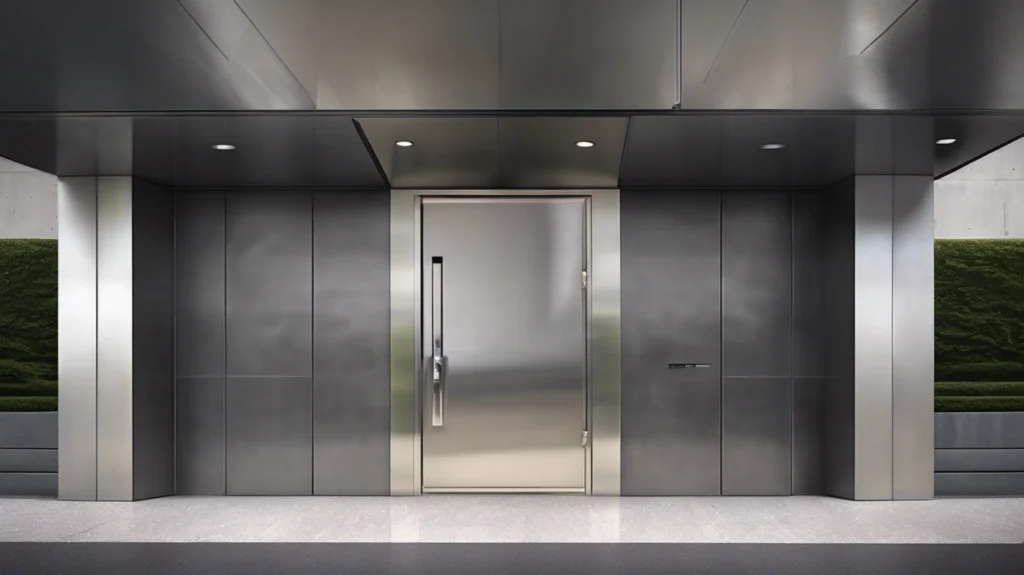
Commercial hollow metal doors are a popular choice for businesses and industrial facilities due to their durability, security, and versatility. These doors are constructed from a steel frame with a hollow core, providing a strong and resilient barrier that can withstand heavy use and potential threats. When it comes to selecting the right commercial hollow metal door for your needs, there are several options to consider.
One of the primary factors to consider is the door’s thickness. Commercial hollow metal doors are typically available in thicknesses ranging from 16 to 20 gauge, with 16 gauge being the most common choice for high-traffic areas. Thicker doors offer increased security and insulation, making them ideal for exterior applications or areas that require enhanced protection.
Another important consideration is the door’s finish. Commercial hollow metal doors can be finished in a variety of ways, including primed, painted, or galvanized. Primed doors are ready for painting on-site, while painted doors come pre-finished in a range of colors. Galvanized doors, on the other hand, are coated with a layer of zinc to provide superior corrosion resistance, making them an excellent choice for outdoor or high-moisture environments.
Security features are also a key consideration when selecting a commercial hollow metal door. Many doors come equipped with reinforced frames, heavy-duty locks, and other security enhancements to deter unauthorized access. Some doors even offer the option of integrated access control systems, such as keycard readers or biometric scanners, for added protection.
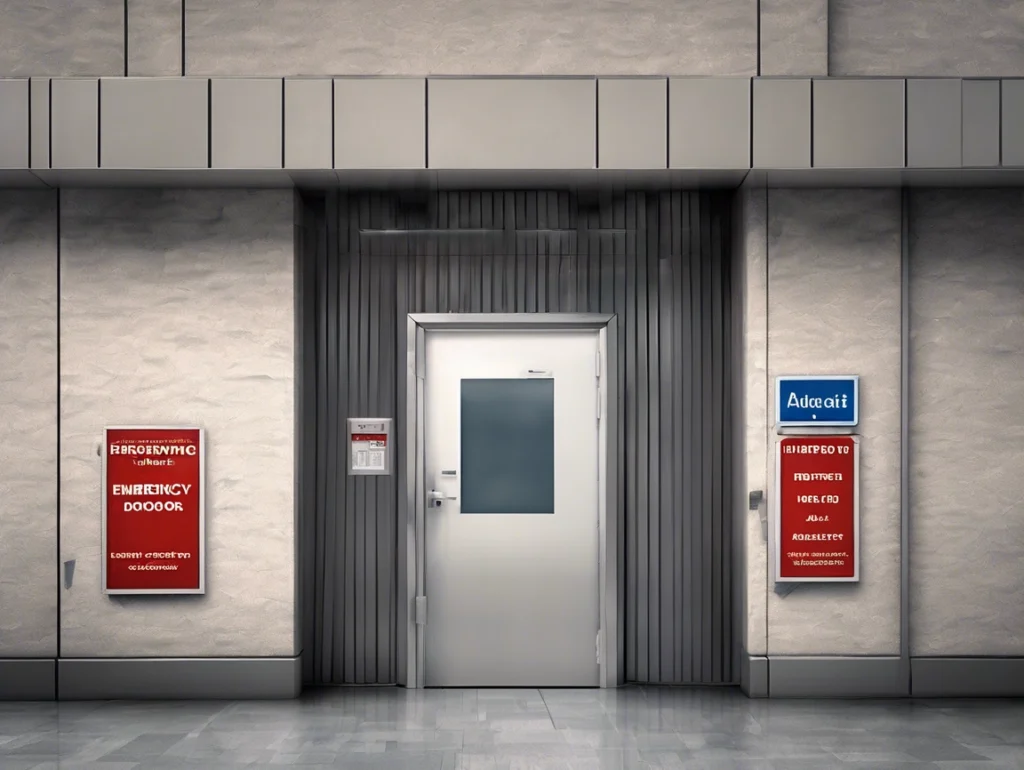
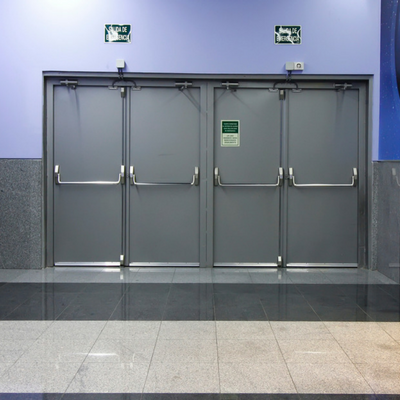
In addition to security, commercial hollow metal doors can also be customized to meet specific functional requirements. For example, some doors are designed with fire-rated capabilities, allowing them to withstand high temperatures and prevent the spread of flames in the event of a fire. Others may be equipped with soundproofing materials to reduce noise transmission between rooms or areas.
When it comes to installation, commercial hollow metal doors are typically mounted in a steel frame that is anchored to the building’s structure. This provides a secure and stable mounting point, ensuring the door operates smoothly and maintains its integrity over time.
Overall, commercial hollow metal doors offer a wide range of options to meet the diverse needs of businesses and industrial facilities. From security and durability to customization and installation, these doors are a reliable and versatile choice for any commercial application.