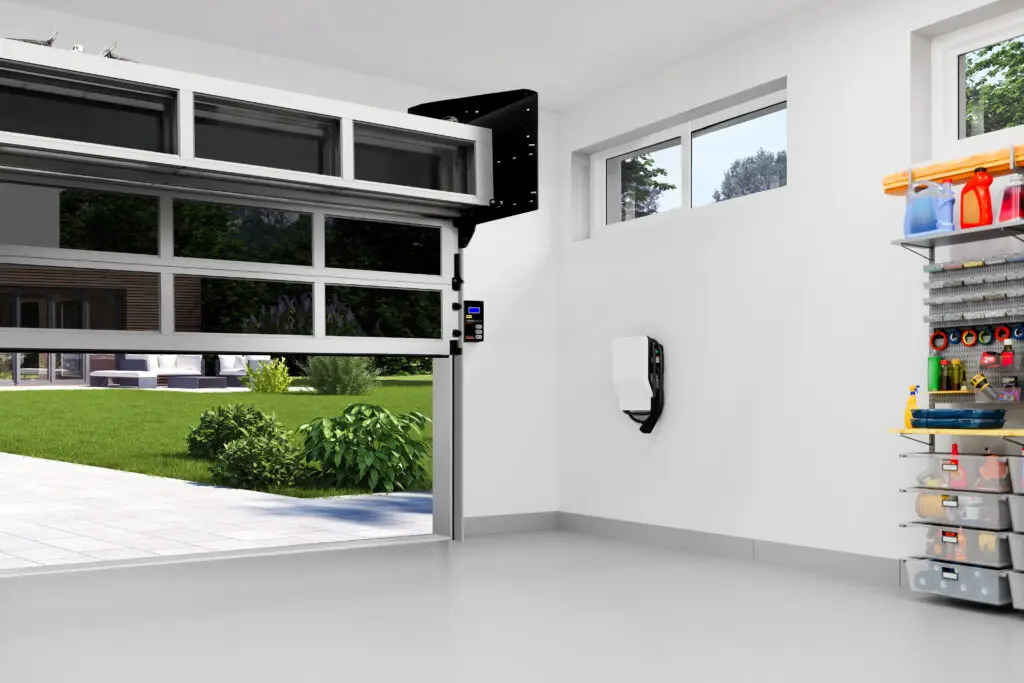
A smart garage door is a modern, technologically advanced version of the traditional garage door that offers enhanced convenience, security, and control. It integrates with smart home systems and can be operated remotely through a smartphone app or other connected devices.
To make a garage door smart, several key pieces of equipment are typically required:
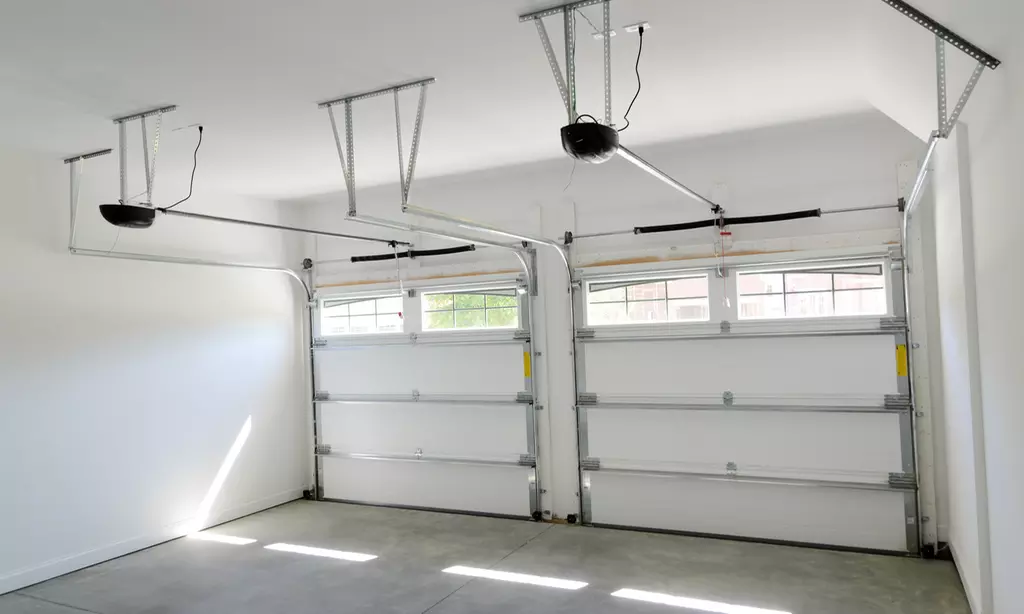
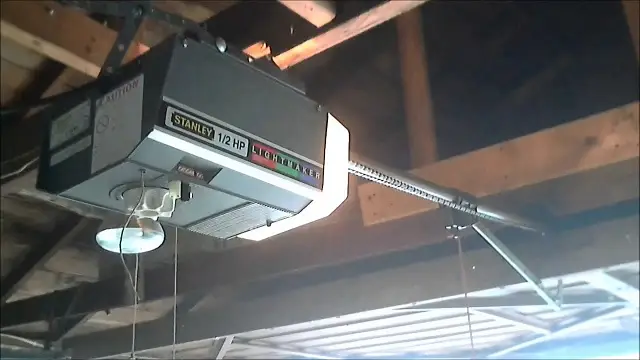
1. Smart Garage Door Opener: This is the central component that replaces the standard garage door opener. It connects to your home’s Wi-Fi network and allows you to control the garage door remotely. Some models also offer features like scheduling, notifications, and integration with other smart home devices.
2. Smart Sensors: These sensors are installed on the garage door and its frame to detect the door’s position (open or closed) and monitor its status. They can send alerts to your smartphone if the door is left open or if there are any unusual activities.
3. Smartphone App: A dedicated app is used to control the smart garage door opener and access its features. The app allows you to open or close the door, check its status, and manage settings from anywhere with an internet connection.
4. Smart Home Hub (optional): If you have a larger smart home ecosystem, you may want to integrate the smart garage door with a smart home hub. This allows you to create automation routines, link the garage door to other devices, and control everything from a single interface.
5. Power Supply: The smart garage door opener requires a power source, typically a standard electrical outlet in the garage. Some models may offer battery backup in case of a power outage.
With these components, a smart garage door can provide a range of benefits, including remote access, enhanced security, and the ability to integrate with other smart home devices for a more seamless and convenient living experience.

Smart garage doors offer a variety of benefits that enhance both convenience and security for homeowners. By integrating with mobile apps, these systems allow users to monitor and control their garage doors remotely, ensuring peace of mind whether they are at home or away.
In addition to remote access, smart garage doors often come equipped with advanced security features such as alerts for unauthorized access and integration with home security systems. For example, if a garage door is left open, users can receive notifications on their smartphones, enabling them to take immediate action to secure their property.
Smart garage doors are a key component of home automation, seamlessly integrating with other smart devices to create a cohesive living environment. Homeowners can connect their garage doors to smart home hubs, allowing for automated routines that enhance daily living.
For instance, a smart garage door can be programmed to close automatically when the homeowner leaves for work or to open when they are approaching home. This integration not only adds convenience but also increases energy efficiency by ensuring the garage is secure without manual intervention.


Selecting the right smart garage door opener is crucial for maximizing the benefits of smart technology. Factors to consider include compatibility with existing garage doors, ease of installation, and the range of features offered, such as voice control and scheduling capabilities.
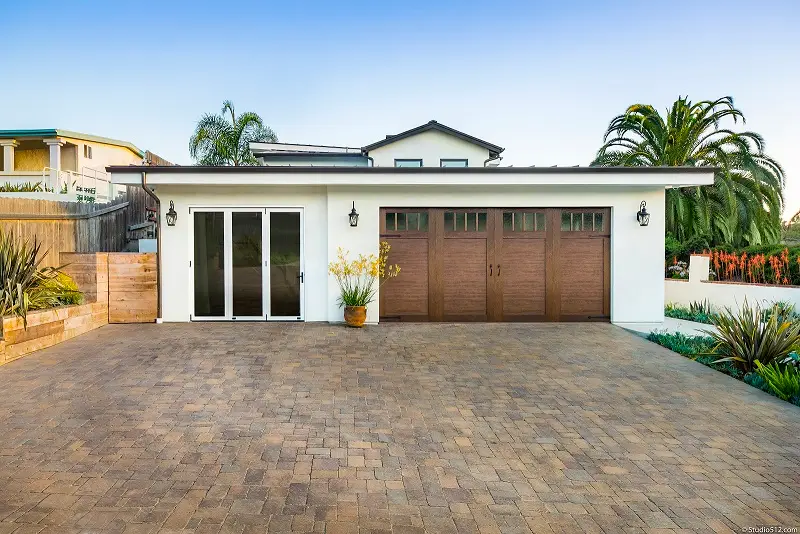
Many popular brands offer a range of models with varying functionalities. For example, some openers allow integration with voice assistants like Alexa or Google Assistant, while others may provide advanced security features such as video monitoring. Evaluating these options can help homeowners choose the best fit for their needs.
The future of smart garage door technology is poised for significant advancements, with trends indicating increased integration with artificial intelligence and enhanced security features. As technology evolves, homeowners can expect smarter systems that learn user behaviors and adjust settings accordingly.
Emerging trends also include the use of biometric security measures, such as fingerprint recognition, to provide an additional layer of protection. Moreover, advancements in energy efficiency will likely lead to smarter systems that optimize power consumption while maintaining functionality, making them an attractive option for environmentally conscious consumers.