The Average Weight of Garage Doors: A Comprehensive Guide
When it comes to garage doors, weight is an important factor to consider. The weight of a garage door can impact its functionality, installation, and overall performance. In this blog, we’ll explore the average weight of various types of garage doors to help you make an informed decision for your home.
Wooden Garage Doors
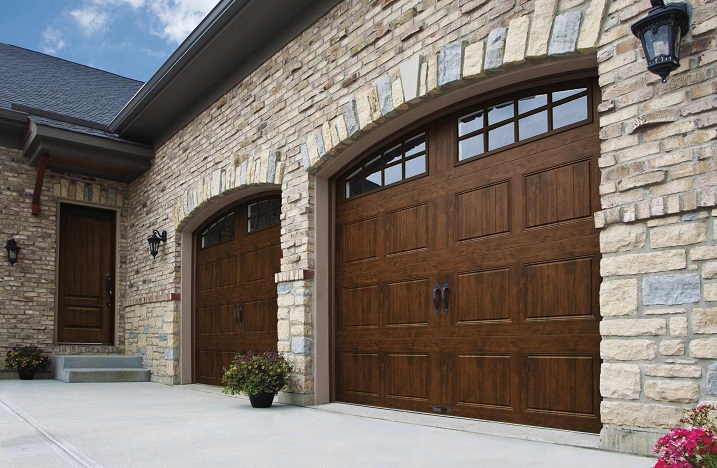
Wooden garage doors are a classic and timeless choice, offering a warm and natural aesthetic. On average, a standard wooden garage door can weigh between 150 to 300 pounds, depending on the size and thickness of the wood used. Heavier wood varieties, such as oak or cedar, can add to the overall weight, while lighter woods like pine or cedar can result in a slightly lower weight. It’s important to note that the weight can also vary based on the door’s design, with more intricate or ornate models typically weighing more.
Steel Garage Doors
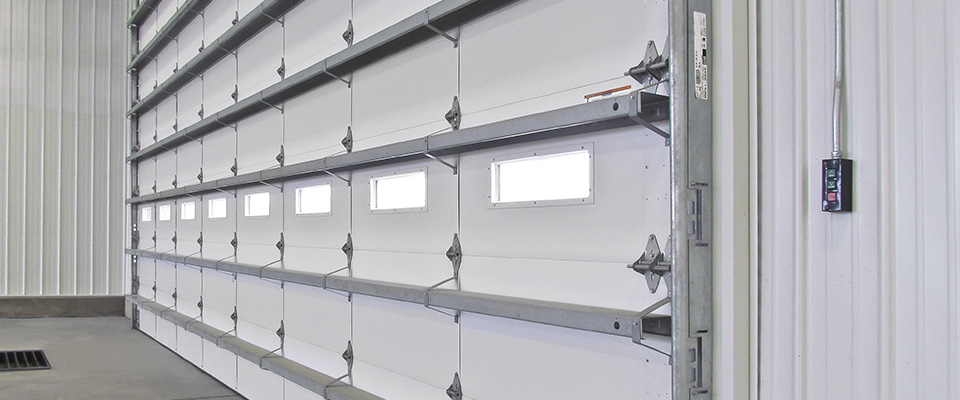
Steel garage doors are a popular choice due to their durability, low maintenance, and wide range of design options. The average weight of a steel garage door can range from 100 to 400 pounds, depending on the gauge (thickness) of the steel used. Thinner gauge steel, typically around 24-gauge, can result in a lighter door, while thicker 16-gauge steel will add more weight. Additionally, the size of the door and any additional features, such as windows or insulation, can impact the overall weight.
Aluminum Garage Doors
Aluminum garage doors are a lightweight and corrosion-resistant option, making them a popular choice for many homeowners. On average, an aluminum garage door can weigh between 80 to 200 pounds, depending on the size and thickness of the aluminum used. Aluminum is generally lighter than steel, resulting in a more manageable weight for installation and operation.
Fiberglass Garage Doors
Fiberglass garage doors are known for their durability, low maintenance, and the ability to mimic the appearance of wood. The average weight of a fiberglass garage door can range from 100 to 300 pounds, depending on the thickness and reinforcement of the fiberglass material. Fiberglass doors are typically lighter than wooden doors, making them a suitable option for homeowners who want the look of wood without the added weight.
Insulated Garage Doors
Insulated garage doors are designed to provide better thermal efficiency and energy savings for your home. The average weight of an insulated garage door can vary depending on the type of insulation used and the overall construction of the door. Insulated doors made with foam or polystyrene insulation can weigh between 150 to 400 pounds, while doors with more dense insulation, such as polyurethane, can weigh up to 500 pounds or more.
It’s important to note that the weight of a garage door can also be influenced by the size of the door. Larger garage doors, typically used for double-car garages, will generally weigh more than smaller, single-car garage doors. Additionally, the hardware and accessories, such as windows, decorative elements, or automatic openers, can contribute to the overall weight of the door.
When selecting a garage door, it’s crucial to consider the weight and ensure that your garage’s infrastructure, including the framing, springs, and opener, can accommodate the door’s weight. Consulting with a professional Anaheim garage door company or manufacturer can help you determine the appropriate door weight for your specific needs and ensure a smooth and safe installation process.
The weight of a garage door is influenced by several factors, including the materials used, the design of the door, and additional features such as insulation and windows. Understanding these factors can help homeowners make informed choices when selecting a garage door that suits their needs and the structural integrity of their garage.
For instance, heavier materials like solid wood and thicker steel will result in a heavier door, while lighter alternatives such as aluminum and fiberglass offer ease of operation. Additionally, features like insulation can add significant weight, particularly with higher-density options, making it essential to consider these elements when choosing a door.
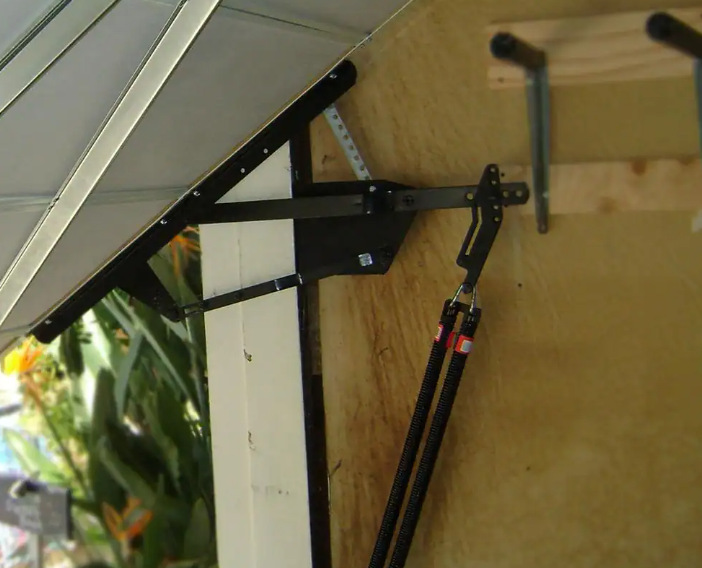
The weight of a garage door plays a crucial role in the installation process, as it determines the type of hardware and support systems required. Heavier doors necessitate stronger springs, tracks, and operators to ensure safe and efficient operation. This can increase installation costs and complexity, making it vital for homeowners to consult with professionals.
Moreover, the garage's structure must be capable of supporting the weight of the door. This includes ensuring that the framing, opener, and springs are adequately rated for the door's weight, which can prevent operational issues and safety hazards in the future.
Different brands of garage doors offer varying weights even for similar styles and materials. This can impact not only the installation process but also the long-term performance and maintenance of the door. Homeowners should compare the weight specifications of various brands to find the best fit for their garage's needs.
For example, one manufacturer may offer a steel door that weighs 300 pounds while another provides a similar door at 400 pounds. These differences can affect the choice of opener and the longevity of the door, as heavier doors may experience more wear and tear on components over time.
Garage door weight ratings are essential for ensuring that the door functions correctly and safely throughout its lifespan. These ratings indicate the maximum weight a door can handle and guide homeowners in selecting the appropriate opener and hardware. Ignoring weight ratings can lead to operational failures and safety hazards.
Additionally, understanding weight ratings helps homeowners align their choice of garage door with their garage's structural capabilities. By consulting with professionals and reviewing weight ratings, homeowners can avoid costly repairs and ensure their garage door operates smoothly and efficiently.