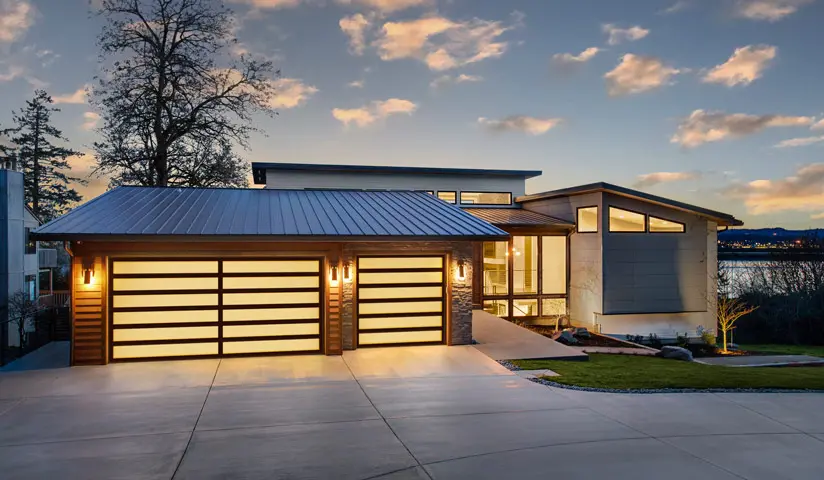
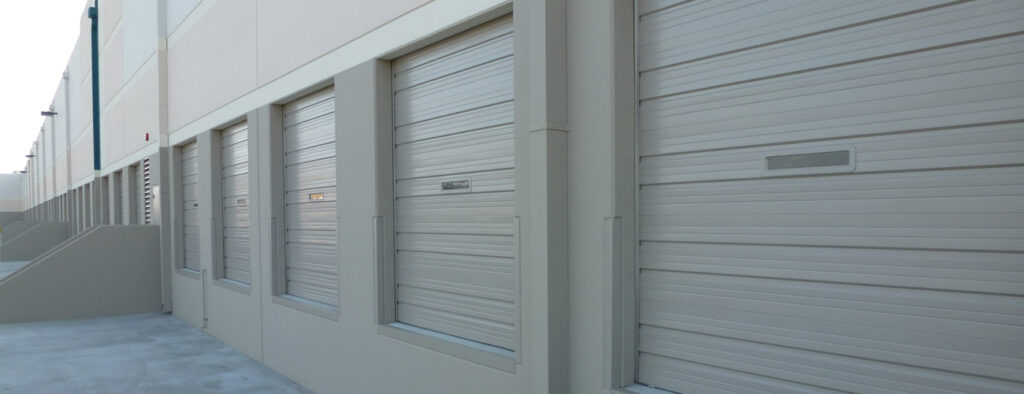
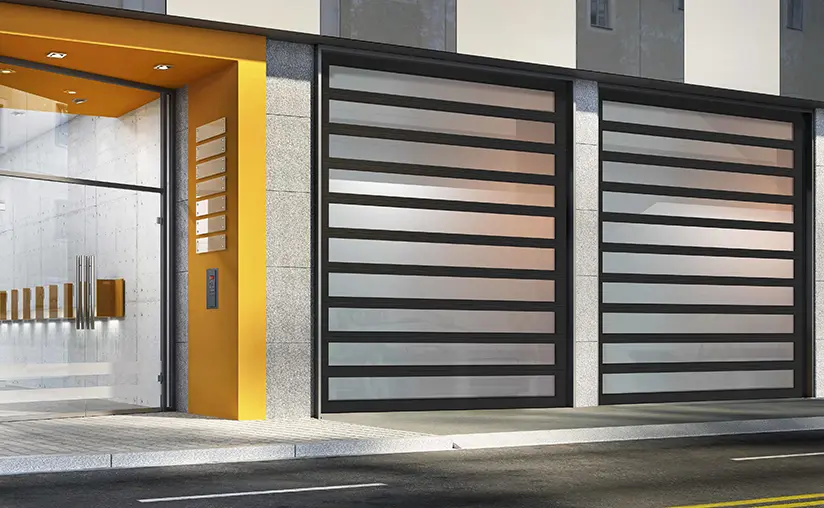
When it comes to the cost of garage doors, the style you choose can have a significant impact on the overall price. Modern and traditional garage doors each have their own unique characteristics, and these differences can influence the cost.
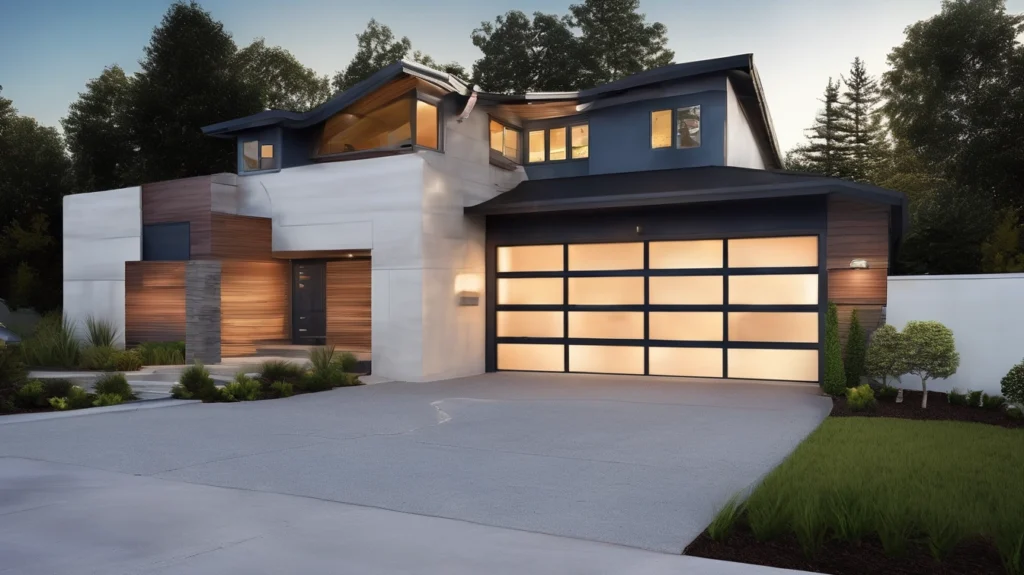
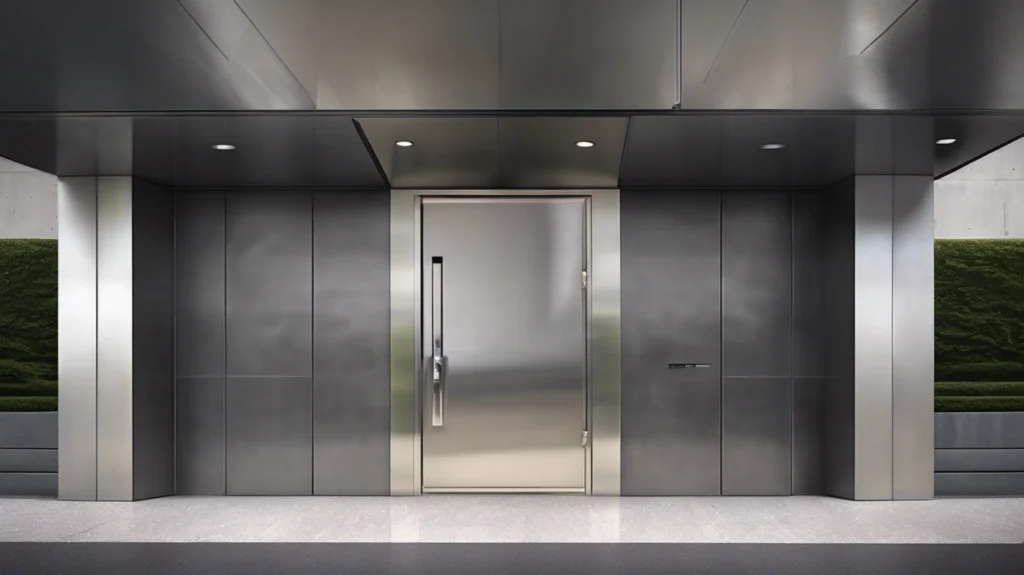
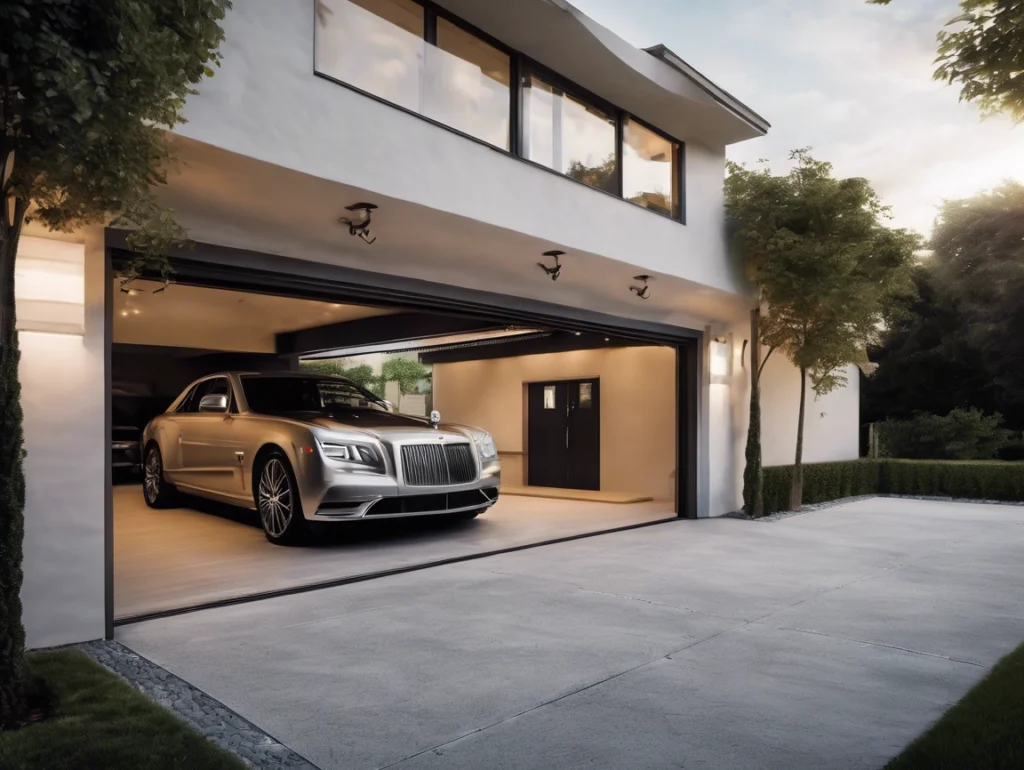
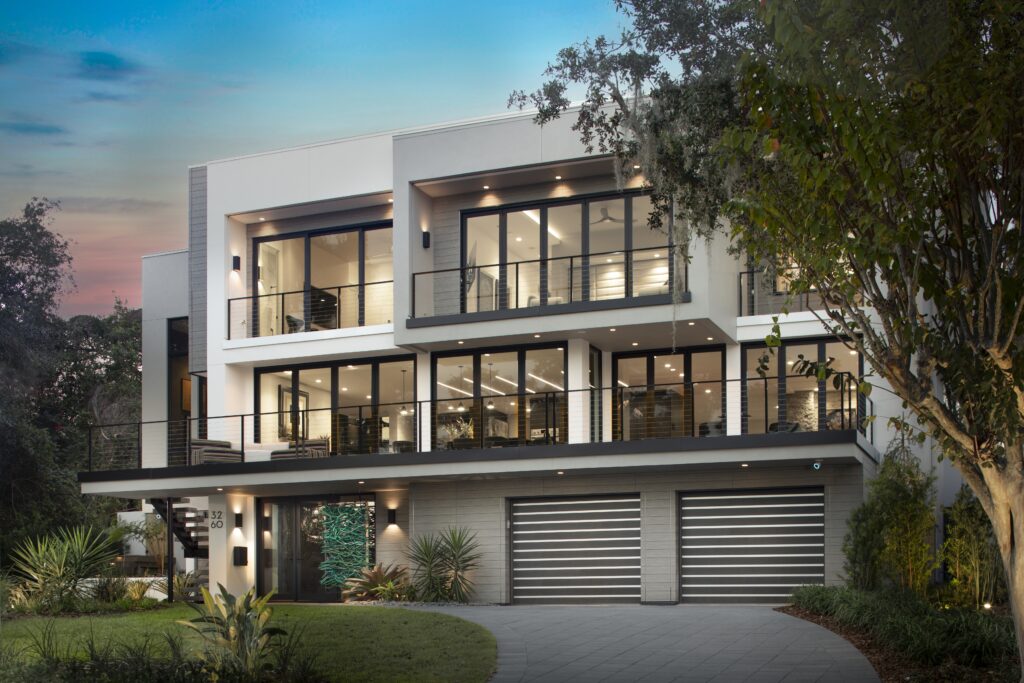
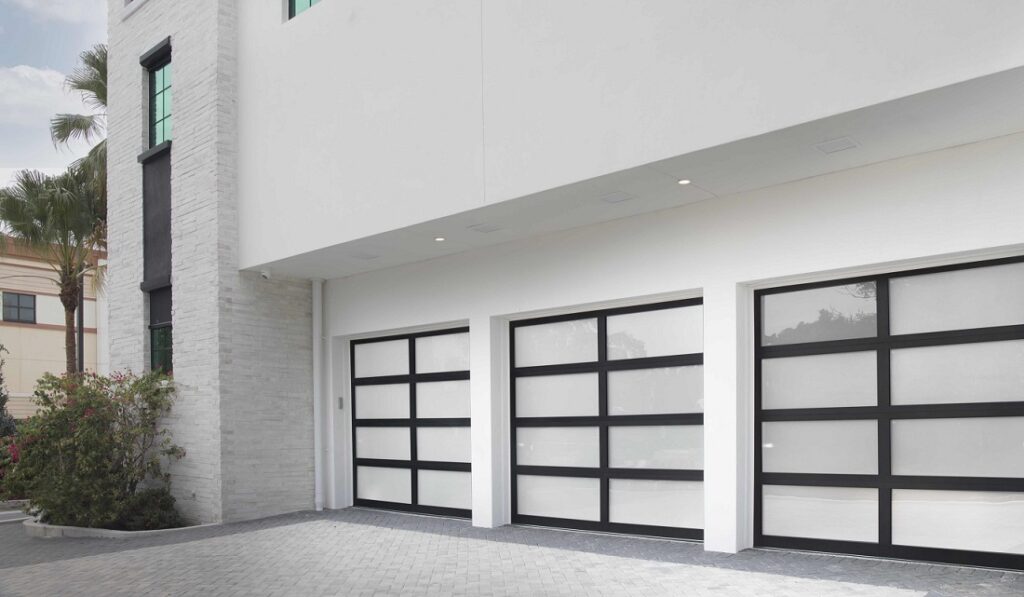
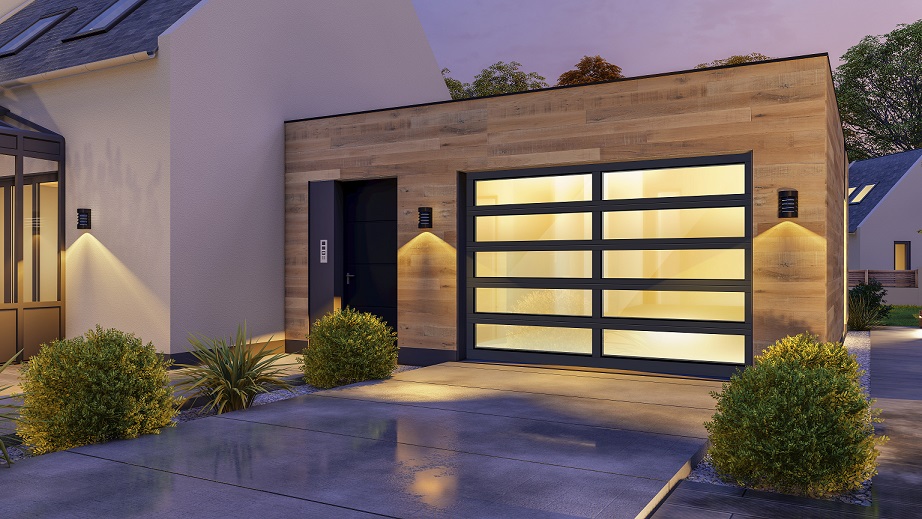
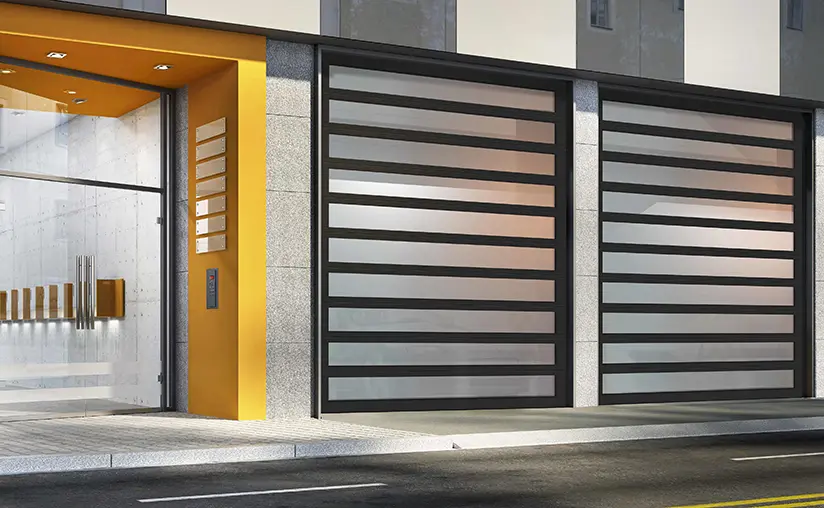
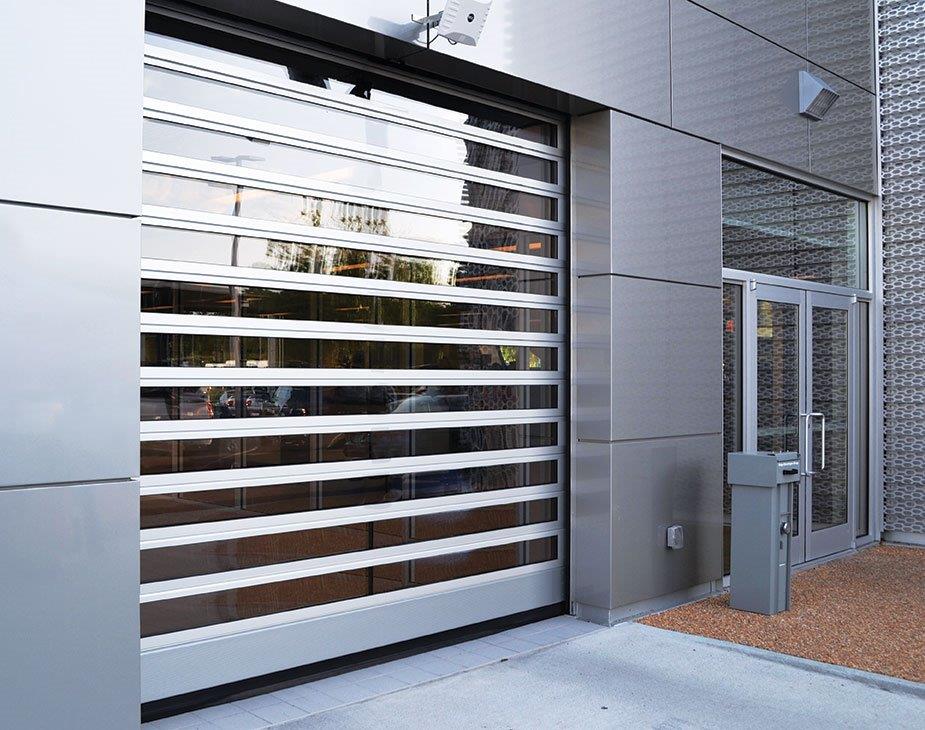
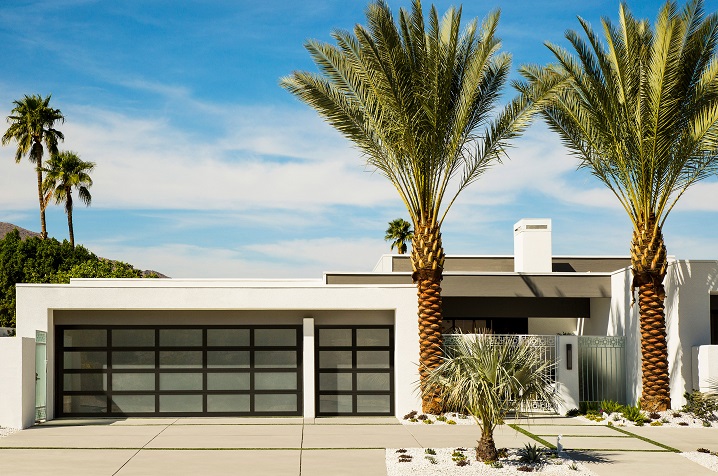
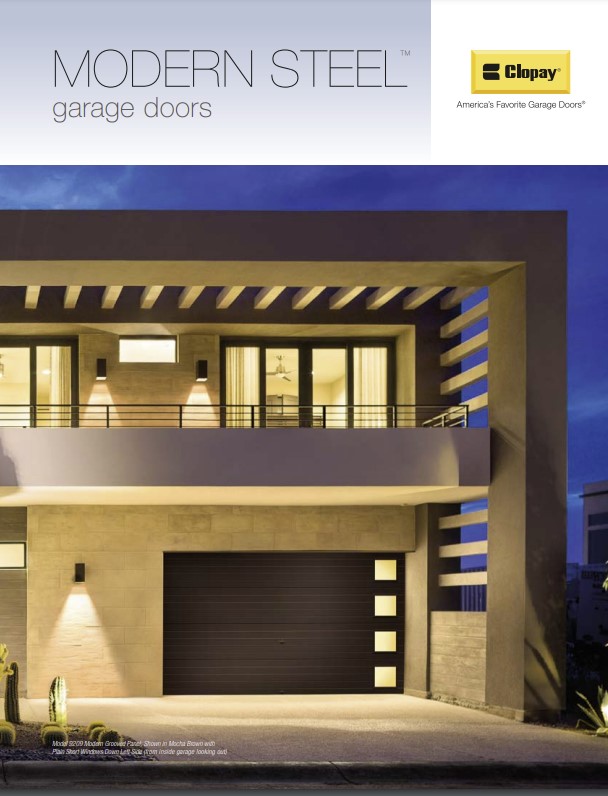
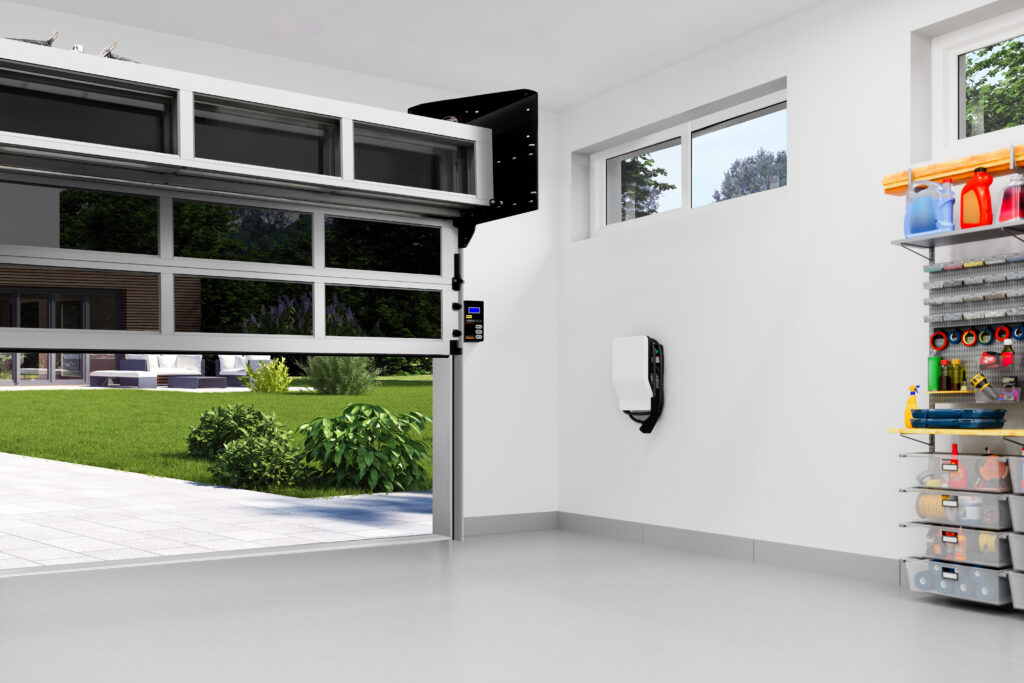
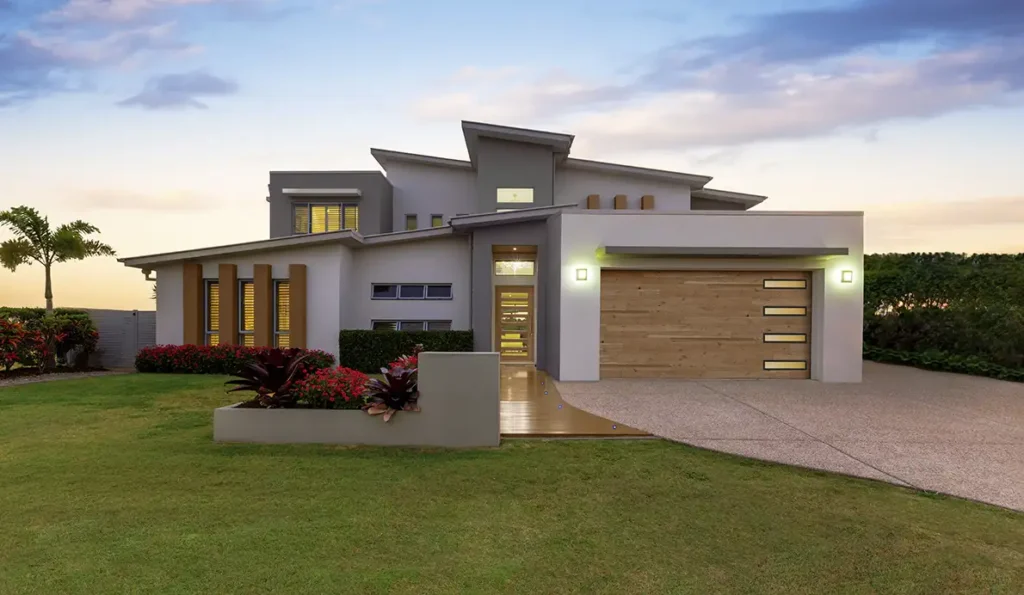
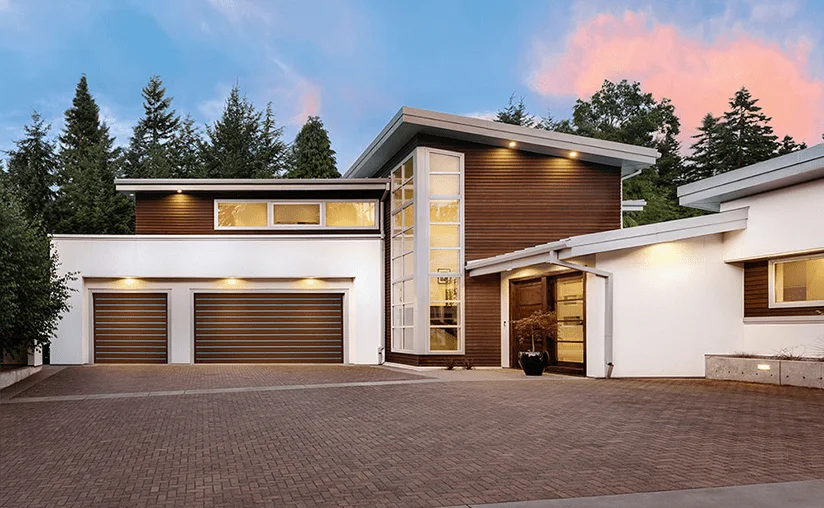
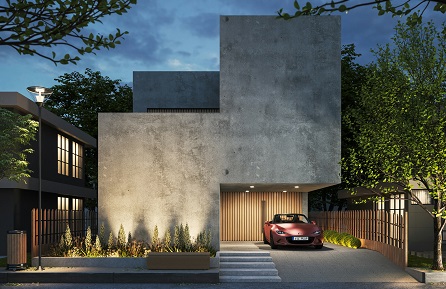
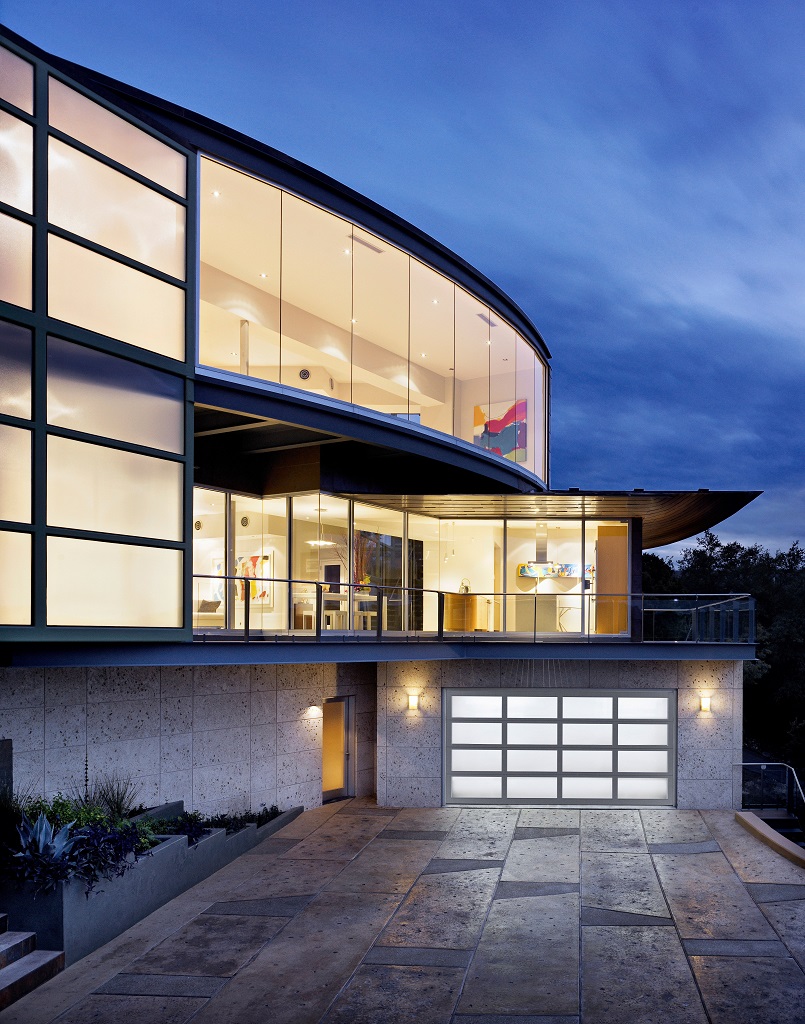
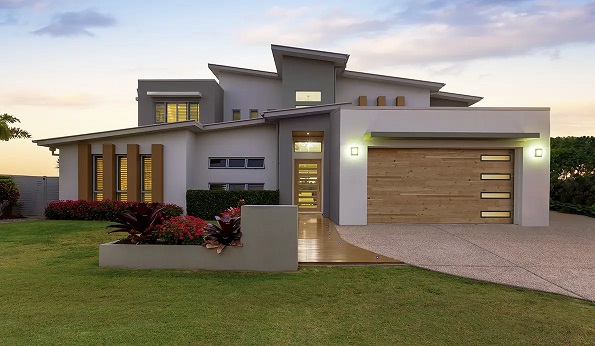
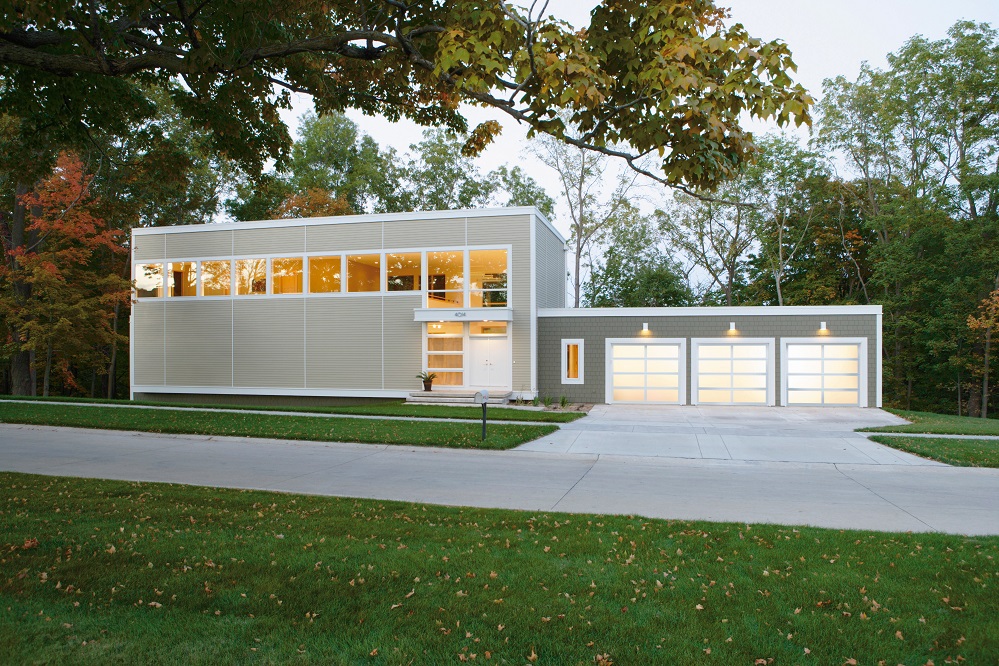
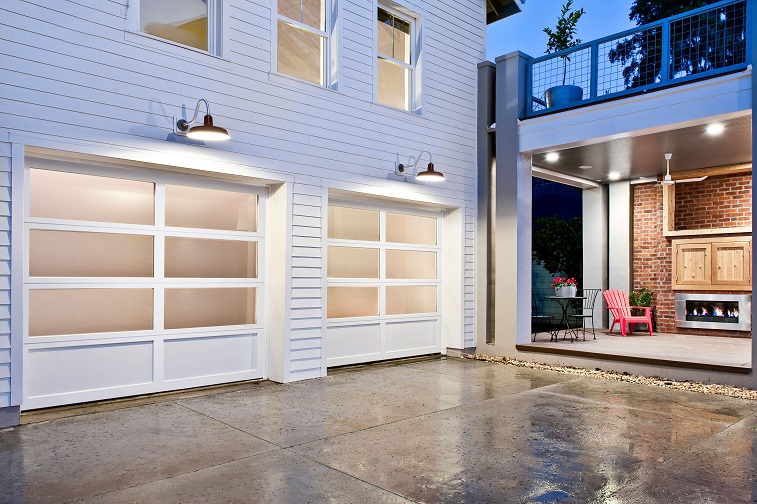
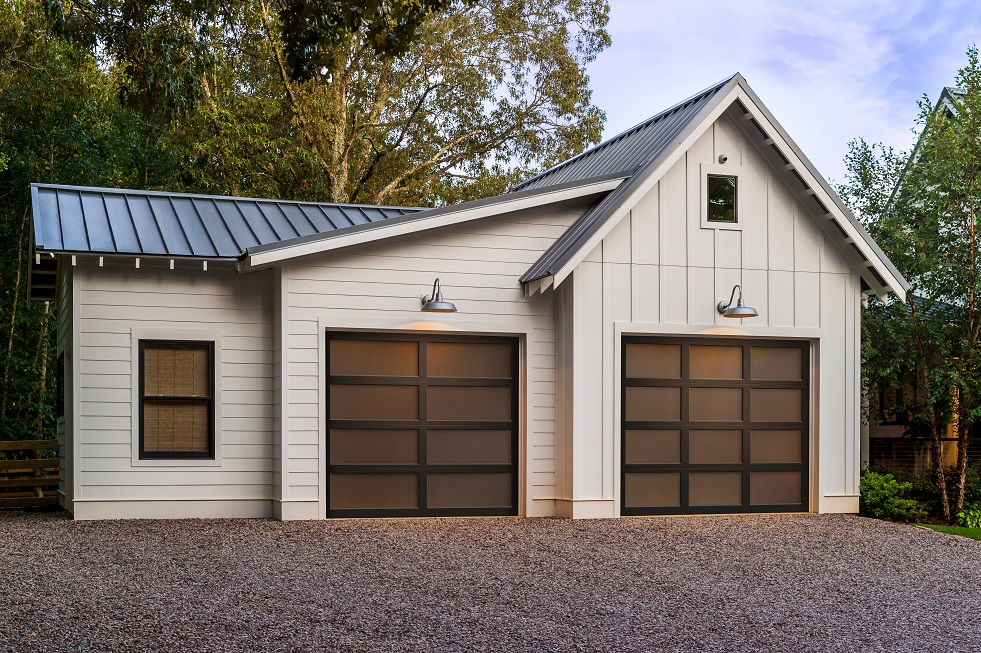
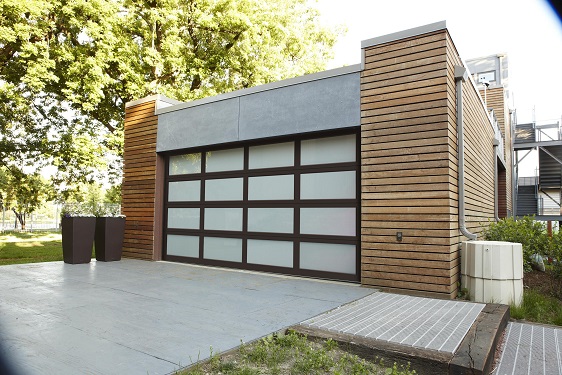
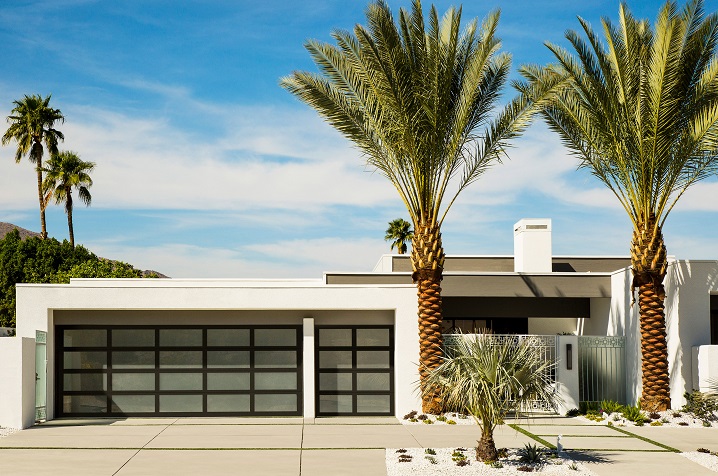
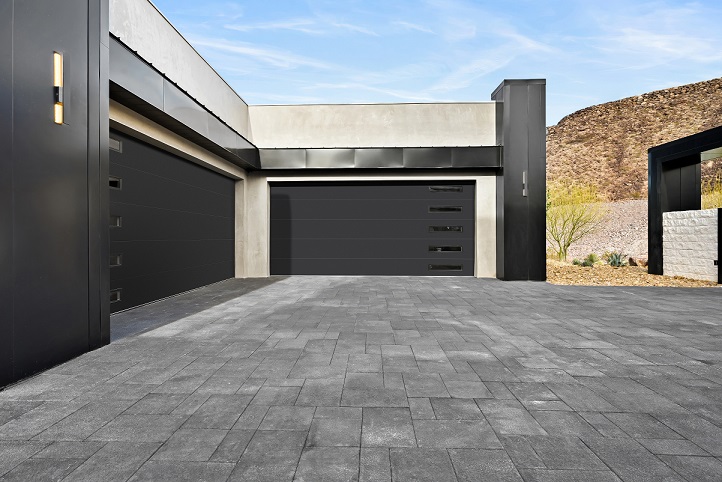
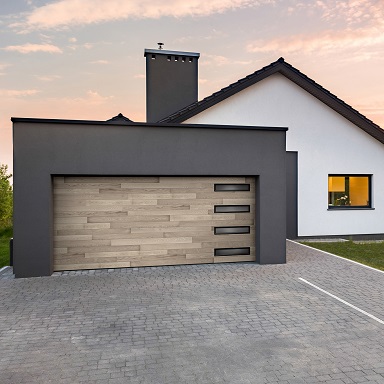
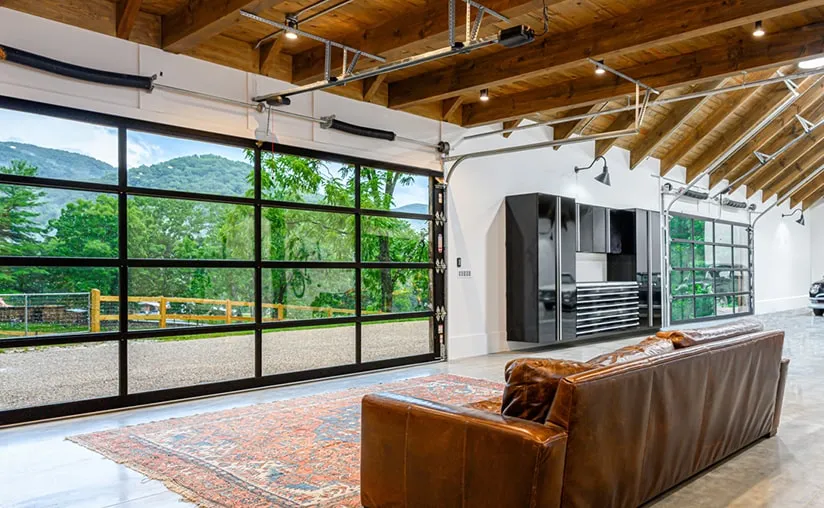
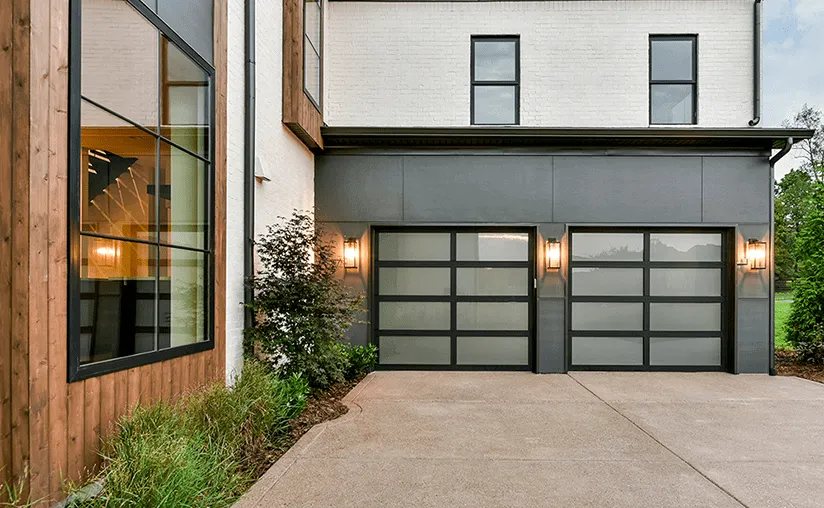
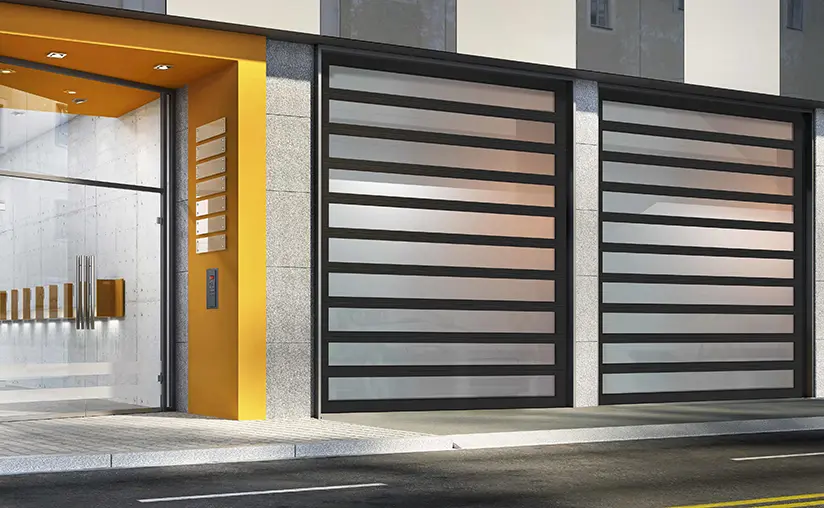
Modern garage doors tend to be more expensive than their traditional counterparts. This is primarily due to the materials and construction techniques used in their design. Modern garage doors often feature sleek, minimalist designs with clean lines and a focus on functionality. They are typically made from high-quality materials such as aluminum, fiberglass, or composite materials, which can drive up the cost.
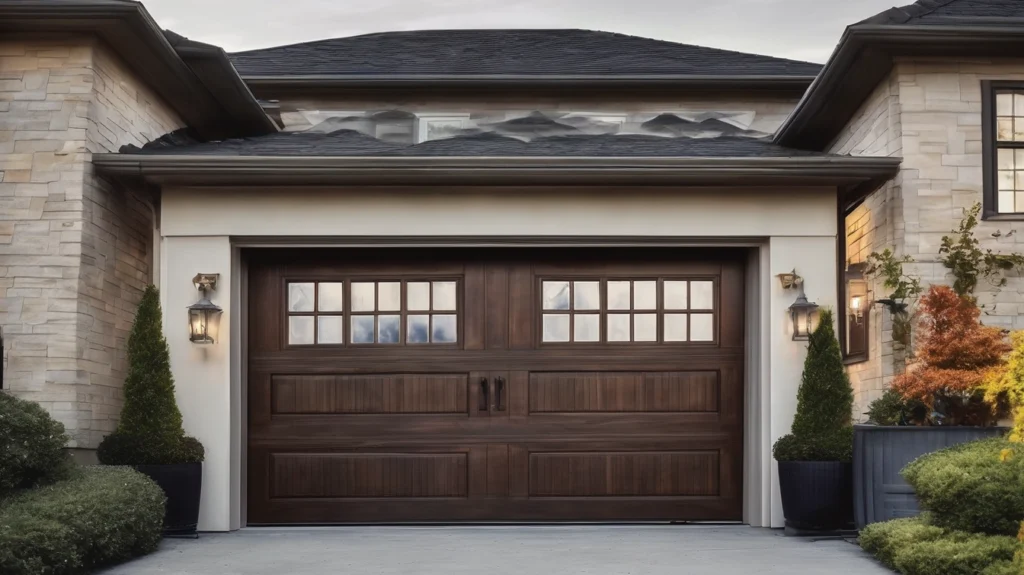
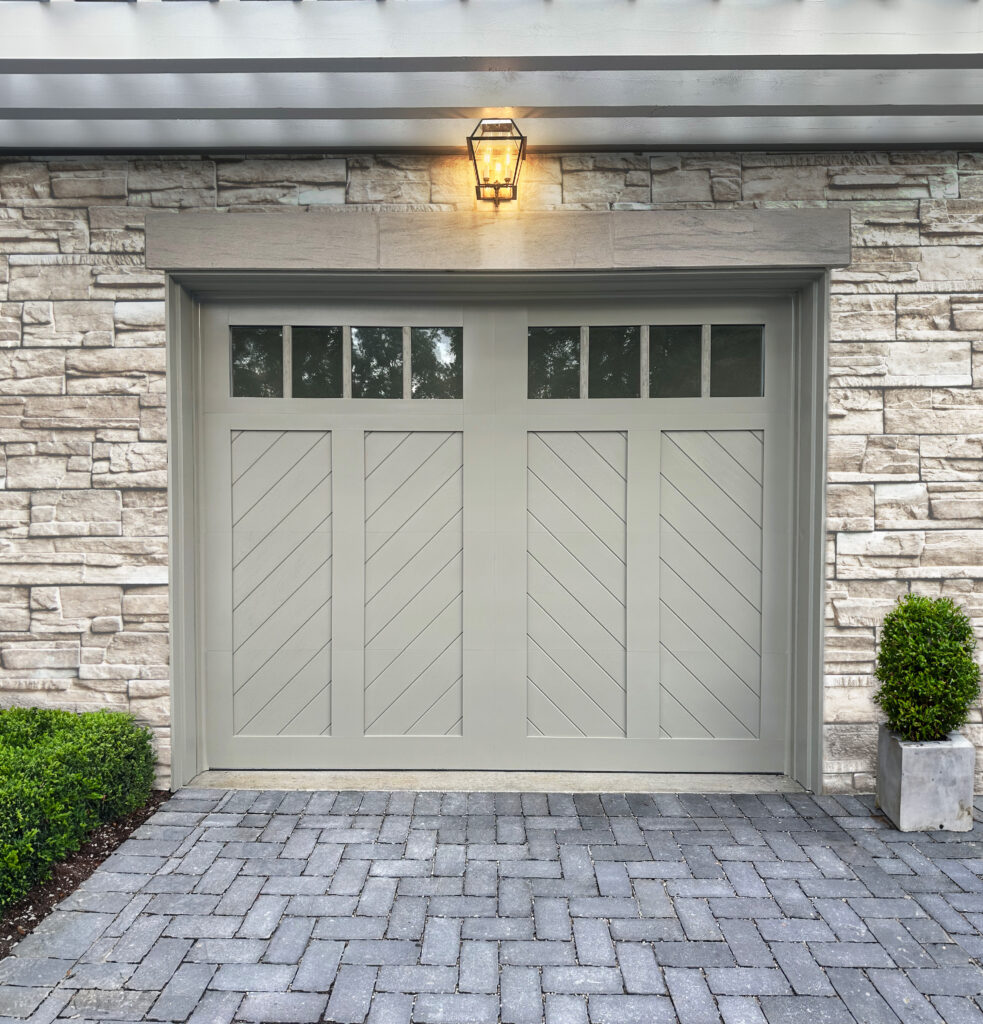
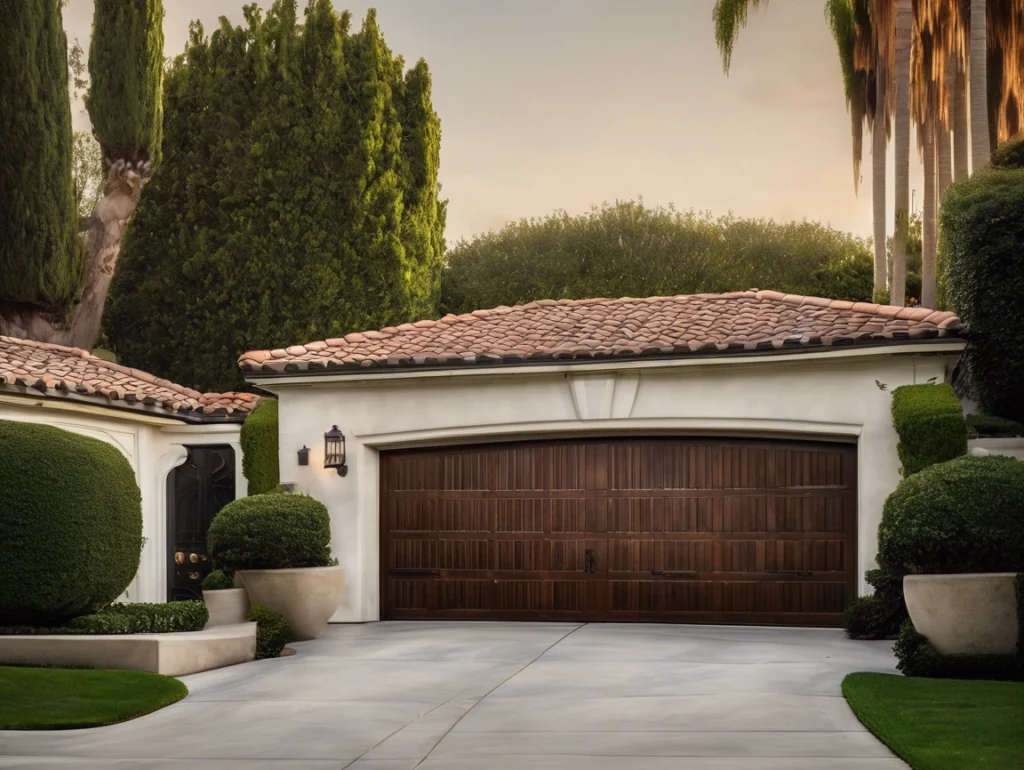
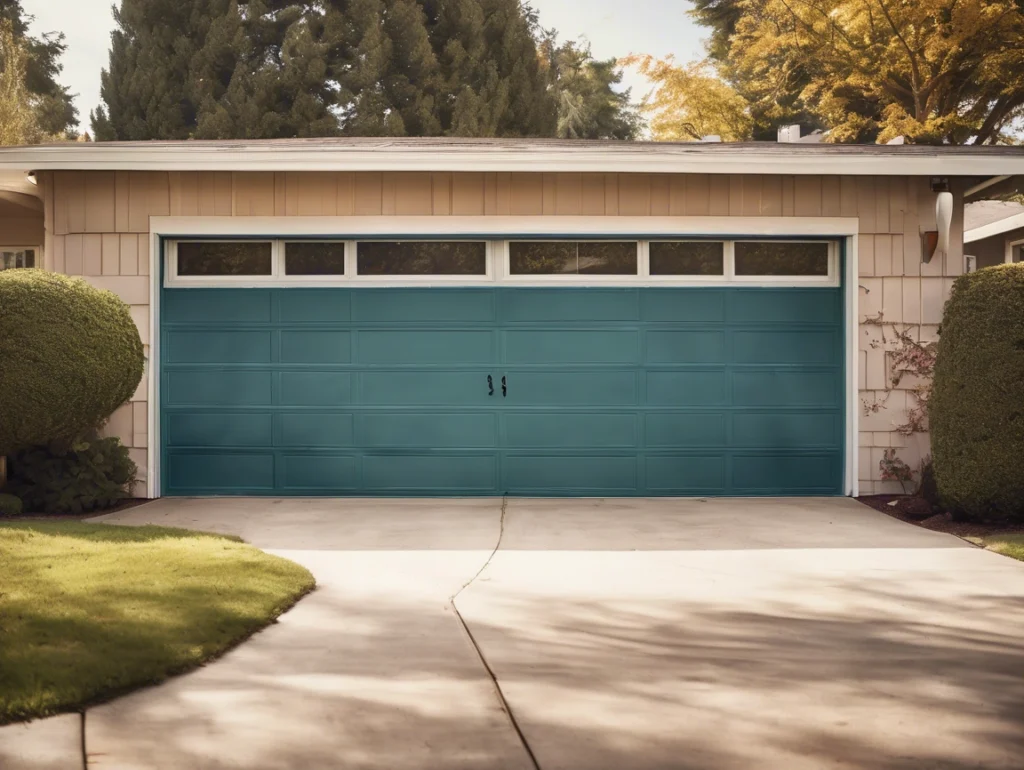
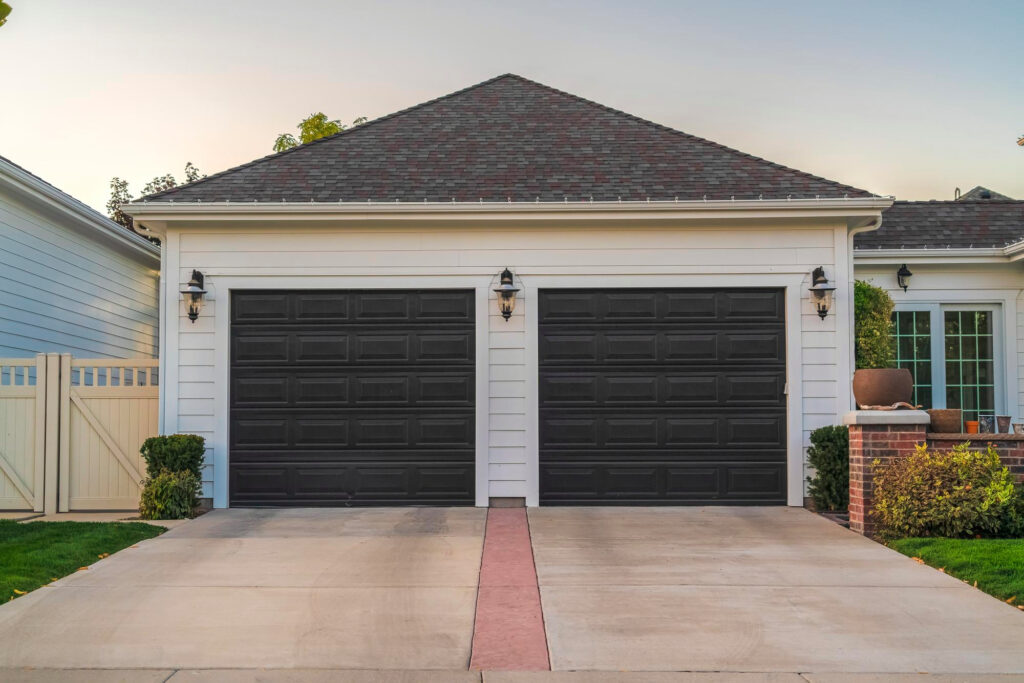
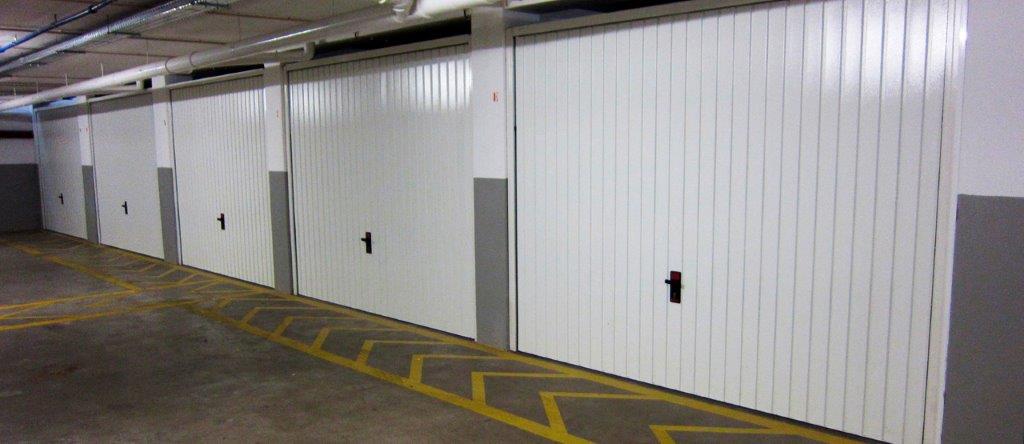
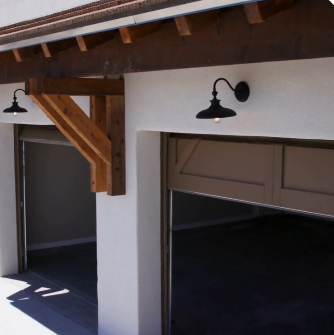
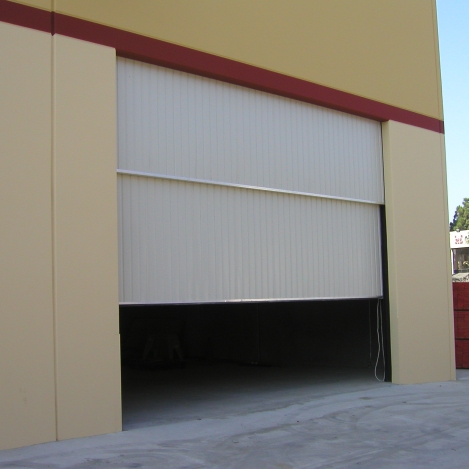
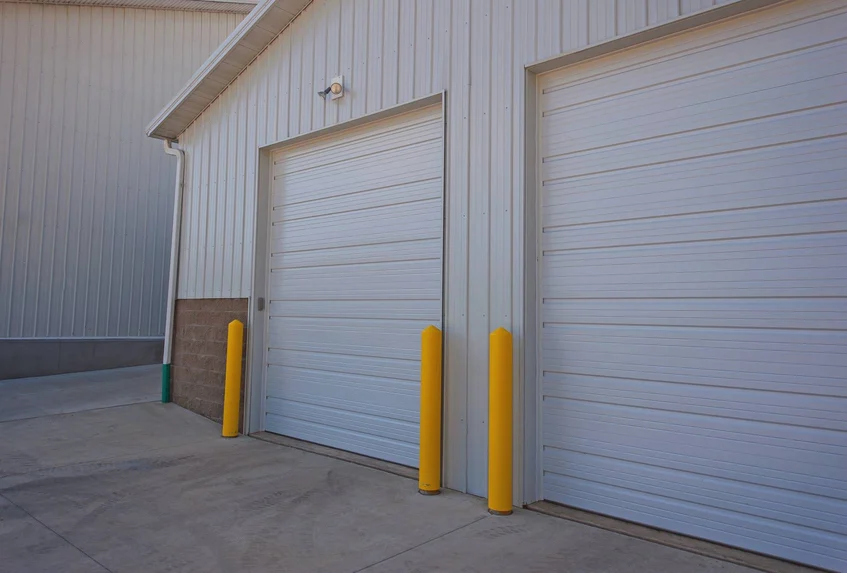
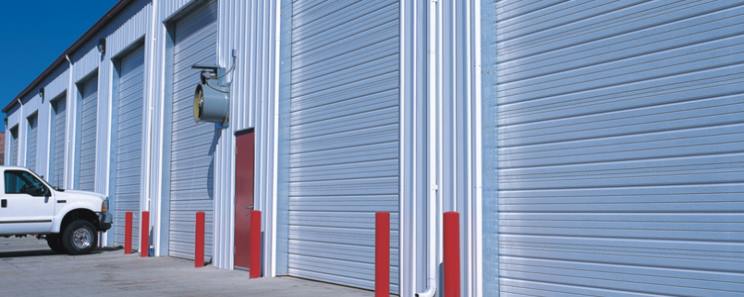
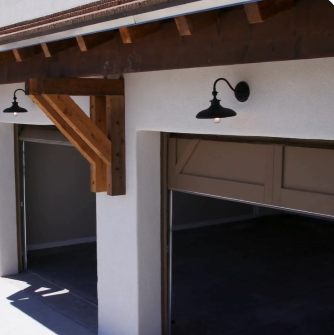
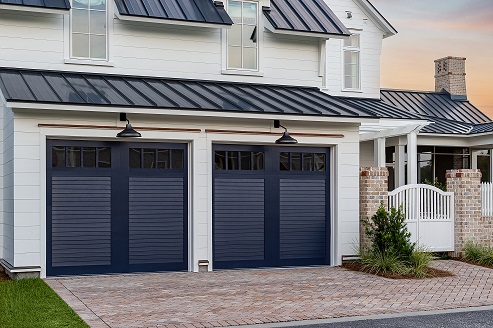
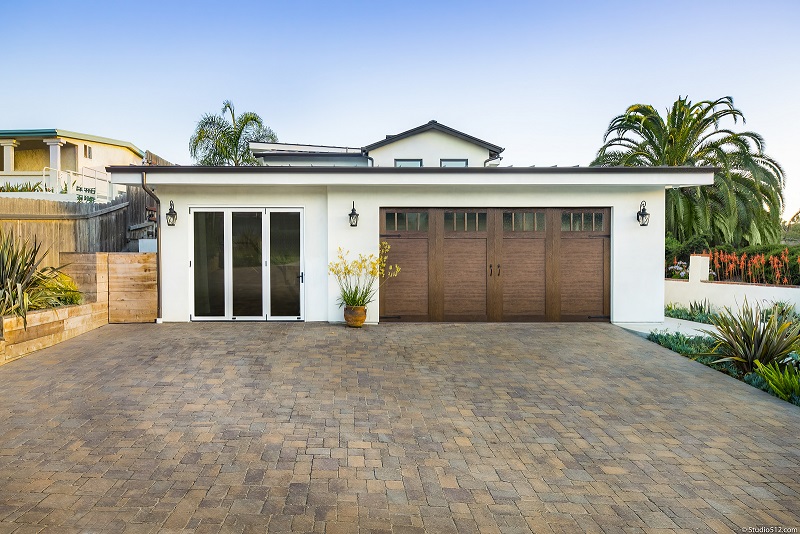
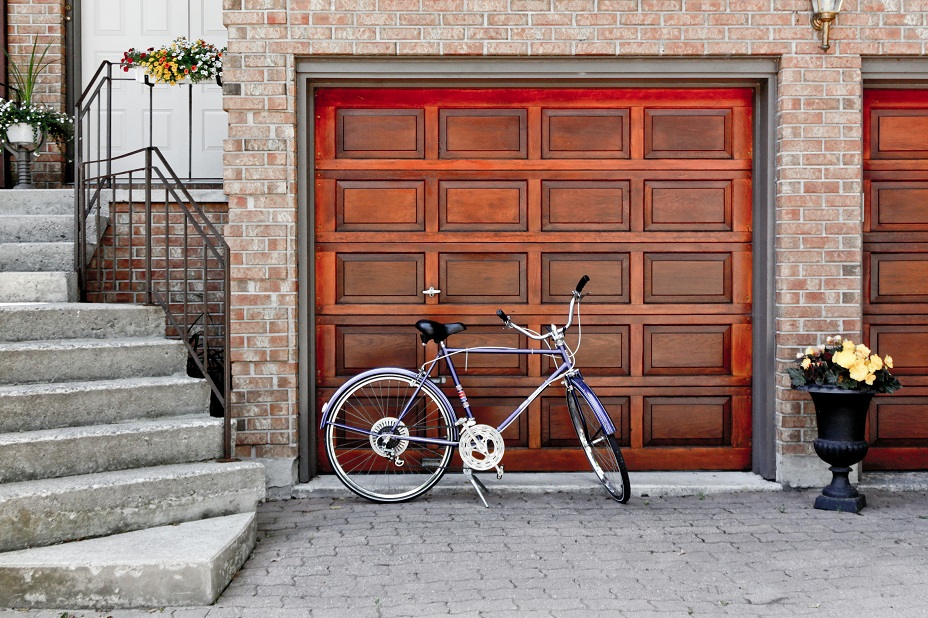
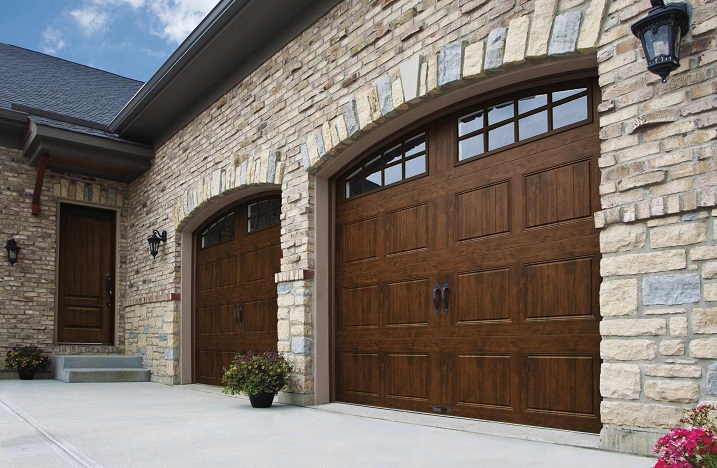
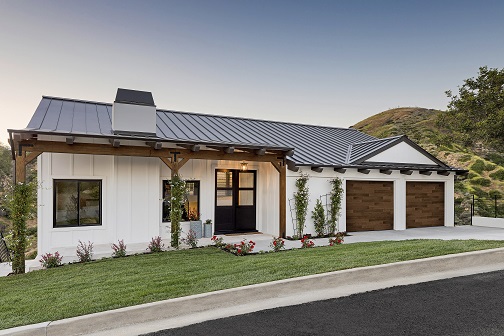
In contrast, traditional garage doors are often made from more affordable materials like wood or steel. While these materials can still be durable and long-lasting, they may not offer the same level of insulation or weather resistance as the materials used in modern designs. As a result, traditional garage doors tend to be more budget-friendly.
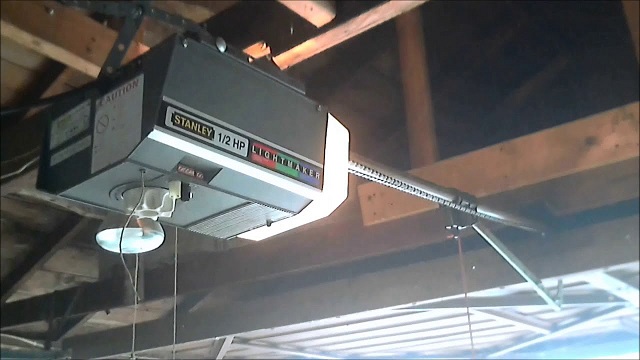
Another factor that contributes to the higher cost of modern garage doors is the advanced technology and features they often incorporate. Many modern garage doors come equipped with smart home integration, remote access, and advanced security features, which can add to the overall price.
On the other hand, traditional garage doors typically have a more straightforward design and fewer advanced features, making them a more cost-effective option.
Ultimately, the choice between a modern or traditional garage door will depend on your personal preferences and budget. If you’re willing to invest in a high-quality, modern design with advanced features, you can expect to pay a premium. However, if you’re looking for a more affordable option, a traditional garage door may be the better choice.

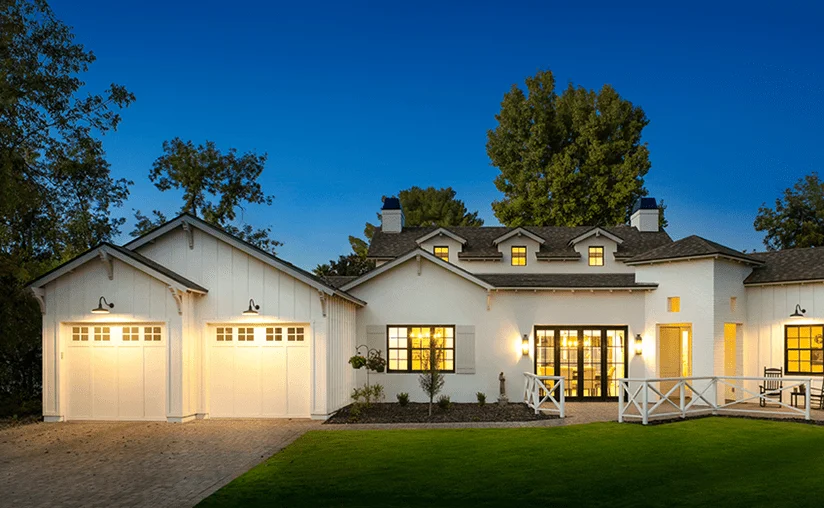
When considering a garage door purchase, understanding the features that differentiate modern and traditional styles is crucial. Modern garage doors often incorporate advanced materials and technology, such as insulated steel, fiberglass, and smart home integration, offering enhanced durability and convenience. In contrast, traditional doors typically feature simpler designs, often made from wood or basic steel, which can appeal to those seeking a classic aesthetic.
For example, modern doors may include features like energy-efficient insulation, weatherproofing, and remote access capabilities, which add to their overall cost but provide long-term savings on energy bills and improved security. Traditional doors, while generally less expensive, can be customized with decorative hardware and finishes, allowing homeowners to maintain a vintage charm without the higher price tag associated with modern innovations.
Understanding the total cost of owning a garage door goes beyond the initial purchase price; installation and maintenance play significant roles. Professional installation for modern garage doors can be more expensive due to the complexity of the technology involved, whereas traditional doors might have lower installation costs due to their simpler designs. However, the long-term maintenance costs should also be considered, as modern doors may require specialized service.
For instance, while a traditional wooden garage door might need regular painting and sealing to prevent rot, a modern steel door could require less frequent maintenance but may need specialized parts or service for smart features. Homeowners should weigh these factors against their budget and preferences to make an informed decision that aligns with both their financial and aesthetic goals.

As consumers become increasingly eco-conscious, the environmental impact of garage door materials and manufacturing processes is an important consideration. Modern garage doors often utilize sustainable materials and manufacturing practices, which can minimize their carbon footprint. For example, many manufacturers now offer doors made from recycled materials or those that are designed for energy efficiency.
On the other hand, traditional wooden doors can contribute to deforestation if not sourced sustainably. Homeowners should look for certifications or eco-labels when selecting a garage door to ensure they are making environmentally responsible choices. By considering the lifecycle of the materials used, consumers can choose options that not only meet their design preferences but also align with their values regarding sustainability.
The garage door industry is rapidly evolving, with technology playing a pivotal role in shaping future trends. Innovations such as smart garage door openers, integrated security systems, and energy-efficient designs are becoming standard features in modern garage doors. These advancements not only enhance convenience and safety but also appeal to tech-savvy homeowners looking for seamless integration with their smart home systems.
Additionally, trends indicate a growing interest in customizable garage doors that allow homeowners to personalize styles and functionalities. From color choices to material options, the future of garage doors will likely focus on individual preferences while maintaining high standards of efficiency and security. Keeping an eye on these trends can help potential buyers make informed decisions that reflect their lifestyle and technological needs.