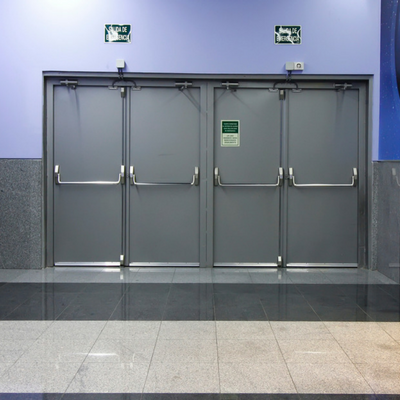
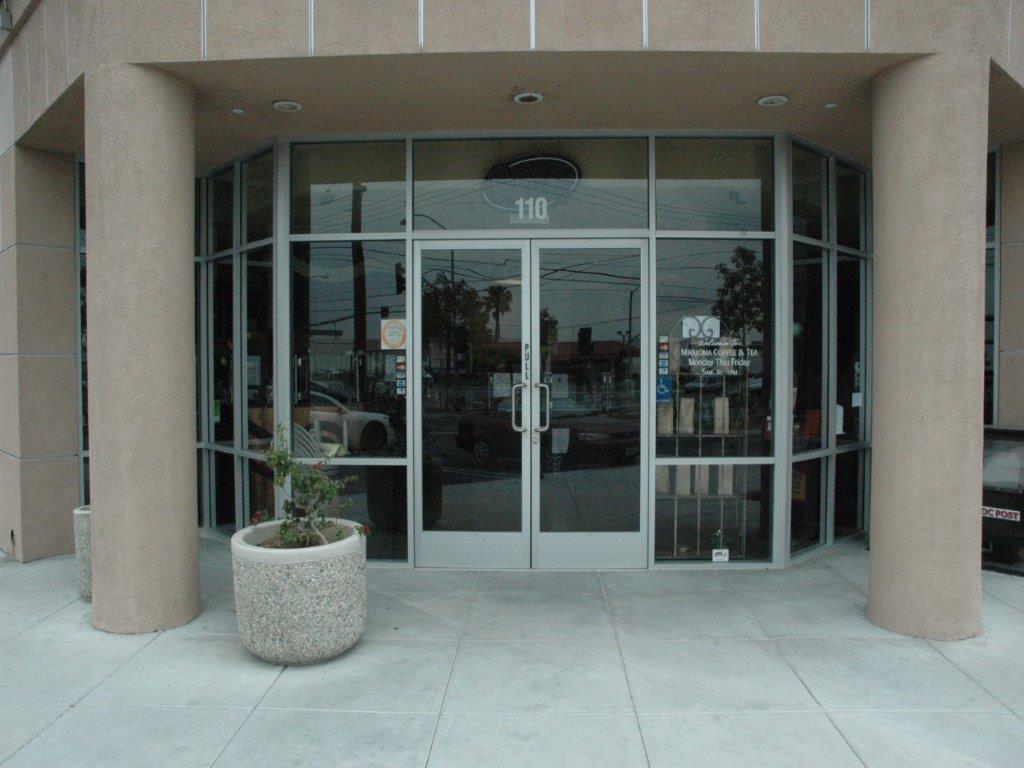
A commercial emergency exit door is a critical component of any building’s safety infrastructure. One of the key features that this door requires is a closer, which plays a vital role in ensuring the door functions properly and effectively in the event of an emergency.
The primary purpose of a closer on a commercial emergency exit door is to ensure that the door closes securely and completely after it has been opened. This is essential for maintaining the integrity of the building’s fire and safety systems, as an open door can compromise the effectiveness of these systems and put occupants at risk.
A closer helps to prevent the door from being left ajar or propped open, which could allow smoke, heat, or other hazardous conditions to enter the building and endanger the safety of those inside. By automatically closing the door after it has been opened, the closer helps to maintain a secure and protected environment, ensuring that the emergency exit remains a safe and reliable means of egress in the event of a fire, natural disaster, or other emergency situation.
In addition to its primary function of closing the door, a closer also helps to control the speed and force with which the door closes. This is important for preventing the door from slamming shut, which could cause injury to individuals who are using the exit or damage to the door and its frame. A well-designed closer allows the door to close smoothly and gently, ensuring a safe and efficient evacuation process.
Another important aspect of a closer on a commercial emergency exit door is its ability to maintain the door’s alignment and seal. A properly functioning closer helps to keep the door in the correct position, preventing it from becoming misaligned or warped over time. This is crucial for maintaining the door’s effectiveness as a fire and smoke barrier, as any gaps or openings could compromise the building’s safety systems.
Furthermore, a closer can also help to reduce noise and improve the overall functionality of the emergency exit door. By controlling the closing speed and force, the closer can minimize the sound of the door closing, which can be particularly important in environments where noise levels need to be kept to a minimum, such as hospitals, schools, or office buildings.
In conclusion, a commercial emergency exit door requires a closer to ensure its proper functioning and effectiveness in the event of an emergency. The closer plays a critical role in maintaining the door’s security, alignment, and sealing, while also controlling the closing speed and reducing noise. Investing in a high-quality closer for your commercial emergency exit door is essential for ensuring the safety and well-being of your building’s occupants.